Choosing a B2B travel portal feels a bit like choosing a business partner. Get it right, and life gets easier. Get it wrong, and you're stuck with awkward workarounds and mounting frustration for months.
Key Takeaways
- Match inventory to your destinations — A portal with millions of hotels means nothing if coverage in your core markets is weak.
- Demand real-time availability — Cached rates lead to failed bookings and lost clients.
- Test before committing — Make 3 real searches, call support, check voucher quality.
- Consider the full picture — Credit terms, payment options, and amendment workflows matter as much as rates.
- Avoid long lock-ins — Good platforms let you prove value before demanding commitment.
I've watched agencies go through this process dozens of times. Some nail it on the first try. Others burn through 2-3 platforms before finding their fit. The difference usually comes down to knowing what questions to ask upfront.
With the B2B travel market projected to hit $78 billion this year and more platforms entering the space than ever, picking the right one matters more than it used to.

Before You Even Start Looking
Here's a step most agents skip: actually mapping out what you need. Not what sounds nice, but what you genuinely use daily.
Grab a pen and answer these honestly:
- What are your top 5 destinations by booking volume?
- Do you mainly sell FIT, groups, or a mix?
- How often do you need credit terms vs. paying upfront?
- What's your average booking value?
- How tech-savvy are you and your team (honestly)?
These answers shape everything. An agent doing mostly Southeast Asia FIT bookings has completely different needs than someone handling European group tours.
Understanding Different Types of B2B Travel Portals
Not all portals work the same way. Before comparing specific platforms, it helps to understand what you're actually looking at.
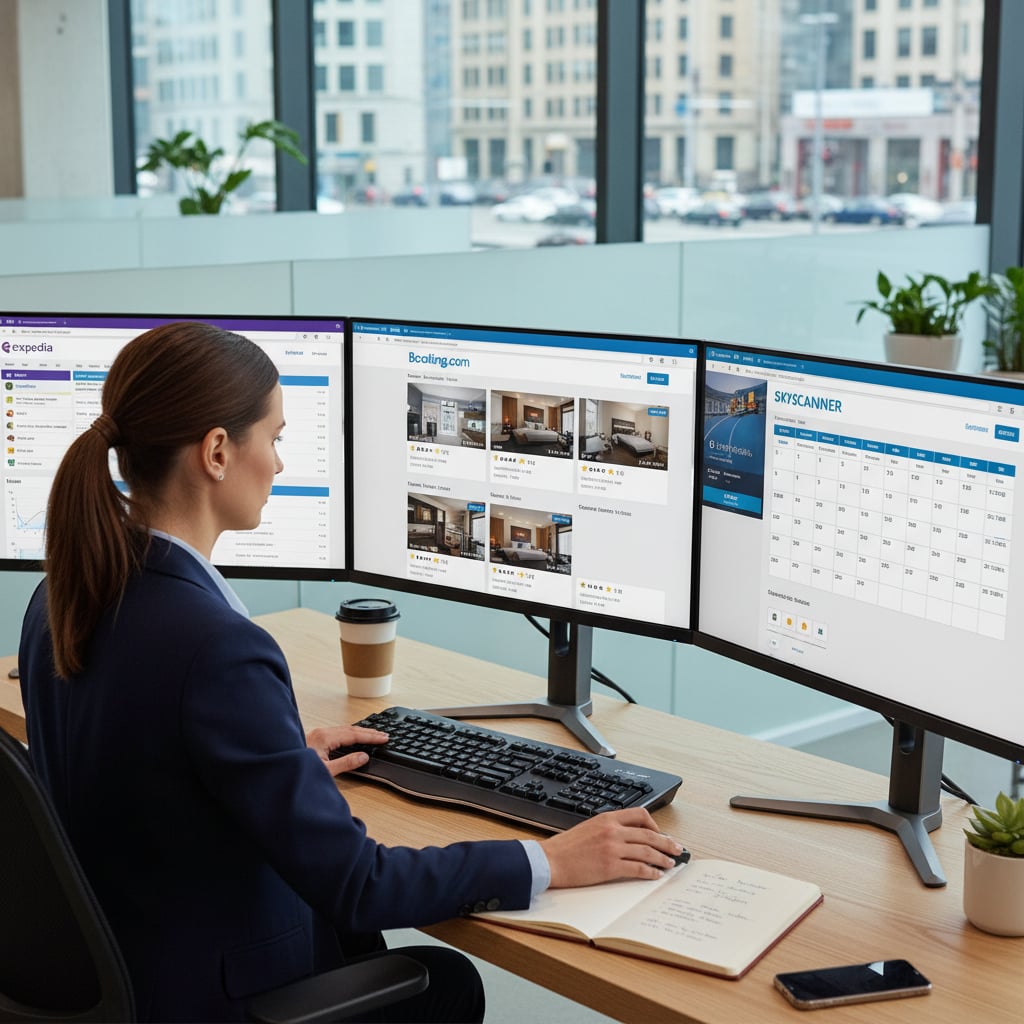
GDS-Connected Portals
These pull inventory from Global Distribution Systems like Amadeus, Sabre, or Travelport. They've been around forever and offer massive airline and hotel inventory. The catch? GDS fees add up, and the interface often feels like it was designed in 2005.
If you're booking a lot of flights alongside hotels, GDS access might matter. If you're primarily selling accommodation and ground services in specific destinations, you might not need it at all.
Direct API Aggregators
These connect directly to suppliers through XML or REST APIs, bypassing GDS entirely. They typically offer better rates on hotels because they're cutting out the middleman. Most modern platforms fall into this category.
The best ones aggregate from 50+ suppliers and display unified availability. The not-so-great ones just slap a few APIs together without proper rate comparison.
DMC-Focused Portals
Rather than casting a global net, these specialize in destination services - ground handling, transfers, tours, local experiences. If you sell curated travel in specific regions, a DMC-focused B2B travel portal often makes more sense than a generic global platform.
The inventory might be smaller, but it's typically handpicked and comes with local support that actually knows the destination.
White-Label Platforms
These let you rebrand the portal with your own logo, domain, and colors. Your clients see your brand, not the technology provider's. Worth considering if you want to offer a booking interface to sub-agents or corporate clients.
Just know that white-label solutions need more setup time and usually cost more upfront.
The Non-Negotiables
1. Inventory That Actually Matches What You Sell
This sounds obvious, but you'd be surprised. I've seen agents sign up for portals with "500,000 hotels worldwide" only to discover the coverage in their core destinations is thin.
If you're selling Singapore, Malaysia, and Thailand primarily, a portal with amazing European coverage but weak Asian inventory won't help you.
Ask specifically:
- How many properties in [your top destination]?
- What's the mix of hotel star ratings?
- Do they have the specific hotels your clients keep asking for?
2. Real-Time Availability (Not Cached)
This is critical. Some B2B travel portals show you cached availability - meaning what was available 6 or 12 hours ago. You quote a client, they confirm, you go to book... and it's sold out.
That's not just embarrassing. It costs you business.
A proper platform like DMC Quote pulls live availability at the moment you search. Yes, it takes an extra second or two. That's worth it.
3. Transparent Pricing You Can Actually Understand
Here's a question to ask any potential portal: "Show me exactly what I'm paying and what my markup options are."
If the answer involves complicated formulas, hidden fees, or "it depends" - be careful. The best systems show you:
- Your net cost (what you pay them)
- The recommended retail price
- Your commission/markup options
No surprises. No math puzzles. Just clear numbers.
Features That Separate Good Portals from Great Ones
Once you've covered the basics, here's what makes the difference in daily use.
Credit Management
Cash flow kills agencies. A good B2B travel portal offers some form of credit system - whether that's credit terms, a prepaid wallet, or flexible payment schedules.
Ask about:
- Credit limits based on your booking history
- Wallet top-up options with different payment methods
- Payment terms (14 days, 30 days, on departure)
- What happens if you exceed credit limits mid-booking
Multi-Currency Handling
If you book across multiple countries, currency matters. Some platforms quote everything in USD regardless of destination. Others let you see rates in the local currency.
Check whether they handle exchange rate fluctuations at time of booking or at time of travel - this affects your margin predictability.
Proper Amendment and Cancellation Workflow
Bookings change. Clients change their minds. Flights get moved. The question is: how painful is it to amend a reservation?
Test this during your evaluation. Try to change a date or room type on a test booking. Some platforms make this straightforward. Others require you to cancel and rebook (with potential rate changes). That difference matters.
Voucher and Document Quality
Your clients see the vouchers. If they look unprofessional or contain supplier codes that confuse hotel front desks, it reflects on you.
Request sample vouchers and confirmations. Check if you can customize the branding or at least ensure your company name appears prominently.
Features That Sound Nice But Might Not Matter
Let me save you some time by pointing out features that get oversold:
Massive Hotel Count
"We have 2 million hotels!" Cool. How many of those are in places your clients actually go? Quality coverage in your destinations beats global quantity every time.
Fancy Mobile App
Be honest - how often will you actually book from your phone? Most serious agents work from desktop for complex bookings. A mobile app is nice for checking availability on the go, but it shouldn't drive your decision.
AI-Powered Everything
AI features are the hot thing right now. But will "AI-powered recommendations" actually make you more money? Usually, what helps more is reliable inventory and good support.
The Deal-Breakers
Based on what I've seen go wrong, here are red flags to watch for:
Contracts with Long Lock-ins
Any portal that requires 12+ month commitments upfront is a warning sign. Good platforms let you prove value before demanding commitment. Ask about trial periods or short-term options.
Support That's Only Available in Another Time Zone
When you have a booking emergency at 4 PM local time, you need someone who answers. Check support hours carefully. Email-only support for a booking platform is not acceptable.
Limited Payment Options
Can you pay by credit card? Do they offer credit terms for established agents? What about wallet systems for prepayment? Flexibility here directly impacts your cash flow.
No Integration with Your Workflow
If you're using accounting software, a CRM, or even just structured email templates - check if the portal plays nice with your existing tools. Export options, API access, voucher formats - these details matter for daily operations.
Security and Compliance: The Overlooked Factor
Most agents don't think about this until something goes wrong. But you're handling client payment details and personal information. Ask:
- Is payment processing PCI-DSS compliant?
- Where is customer data stored?
- What happens to client data if you switch providers?
- Do they have proper data protection policies?
This isn't paranoia. It's basic business protection. One data breach can end an agency's reputation overnight.
Regional Considerations for Asian Markets
If you're selling Southeast Asia specifically, a few things matter more than they would for European or American markets.
Local hotel relationships: Many Asian hotels work differently with local DMCs than with global aggregators. A portal with direct relationships often gets you better rates and room availability during peak periods like Chinese New Year or school holidays.
Transfer options: Airport transfers in cities like Bangkok, Singapore, or Bali are often bundled with hotel bookings. Having integrated transfer booking saves significant time.
Language in vouchers: Does the hotel voucher include local language details where helpful? It sounds minor, but it smooths things for clients on the ground.
How to Actually Test Before Committing
Don't just watch a demo. Here's a better approach:
- Get credentials and make 3 real searches - for destinations you actually sell
- Compare rates with what you already have - are they competitive?
- Make a test booking (even if you cancel it) - see the full workflow
- Call support with a question - how fast and helpful are they?
- Check the vouchers/confirmations - are they professional enough for your clients?
This takes maybe 2 hours. It'll save you months of regret.
Questions to Ask During the Demo
Write these down and actually ask them:
- "What happens if a booking fails after confirmation?"
- "How do you handle rate discrepancies?"
- "What's your supplier vetting process?"
- "Can I see the cancellation policy interface?"
- "How do amendments work after booking?"
The answers tell you a lot about how well the platform is run.
The Integration Factor
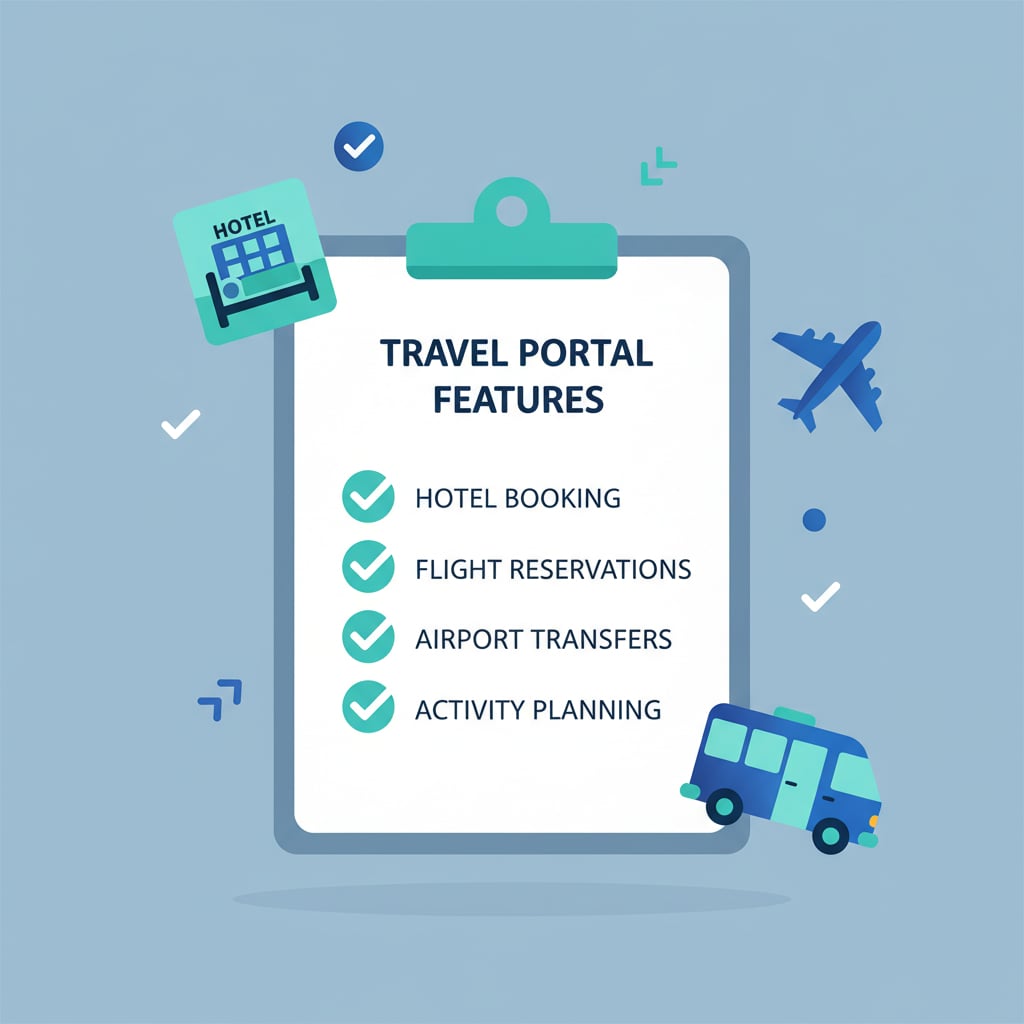
Beyond just hotels, consider what else you need. A comprehensive B2B travel portal should offer:
- Airport transfers - SIC and private options
- Destination services - tours, activities, experiences
- Package building tools - if you sell multi-night itineraries
- Flexible payment methods including agent wallets
Having these under one roof saves significant time versus juggling multiple suppliers.
Common Mistakes That Cost Agencies Time and Money
I've watched these happen repeatedly. Learn from other people's expensive lessons.
Choosing Based on the Demo Interface
Demos are polished. Daily use isn't. Ask to see the actual booking workflow for a moderately complex reservation - multiple rooms, different occupancies, specific meal plans. That's where interface flaws show up.
Ignoring the Onboarding Process
Some platforms hand you credentials and wave goodbye. Others provide training sessions and dedicated support during your first weeks. The second approach gets you productive faster.
Not Testing Peak Season Availability
Sure, inventory looks great during off-peak. But what about Chinese New Year? Christmas in Europe? Spring break in Thailand? Ask about stop-sales management and how they handle high-demand periods.
Overlooking Reporting and Analytics
At year-end, you'll want booking reports, commission summaries, and performance data. Check what reporting exists and whether you can export it.

Making Your Final Decision
After you've done your research, it comes down to this:
- Do they have inventory where you need it?
- Are the rates competitive for your market?
- Can you see yourself using this daily without frustration?
- Does support actually support you?
- Do the commercial terms work for your business model?
If you get "yes" on all five, you've probably found your platform. If you're getting 3-4 yeses but with concerns, keep looking. There are enough options out there that you shouldn't have to compromise on fundamentals.
The right B2B travel portal becomes invisible in the best way - it just works, and you stop thinking about it. That's the goal. Pick wisely, and you'll thank yourself for months to come.
Frequently Asked Questions
What is a B2B travel portal?
A B2B travel portal is an online booking platform designed specifically for travel agents, tour operators, and other travel businesses - not end consumers. It connects travel professionals to hotel inventory, transfers, tours, and other services at wholesale or net rates, allowing you to build packages and earn margins on bookings. Think of it as your back-office tool that clients never see.
How is a B2B travel portal different from retail booking sites?
Retail sites like Expedia or Booking.com show public prices and are aimed at travelers. A B2B portal shows you net rates, allows markup configuration, offers credit terms, and provides business tools like invoicing and voucher generation. The pricing structure, payment options, and entire interface are built for professional use rather than one-off bookings.
How much does a B2B travel booking platform typically cost?
Pricing varies widely. Some portals charge no subscription fee and make money from booking commissions or rate spreads. Others charge monthly fees ranging from $50 to $500+ depending on features and booking volume. Some also require minimum booking commitments. Always clarify the full cost structure - including any per-booking fees - before signing up.
Do I need technical knowledge to use a B2B travel portal?
For most modern platforms, no. If you can shop online, you can use a well-designed booking portal. The learning curve is typically a few days to get comfortable, maybe a week or two to master all features. Some platforms offer training sessions to speed this up. API access or white-label integration needs more technical input, but standard booking doesn't.
Can I use multiple B2B travel portals at the same time?
Yes, and many agencies do. It's common to use one platform for hotels and another for specialized destination services. The downside is managing multiple logins, separate invoicing, and more complexity. If you can find one platform that covers your main needs adequately, that's usually more efficient for daily operations.
What's the difference between a B2B portal and a GDS?
A GDS (Global Distribution System) like Amadeus or Sabre is the underlying infrastructure that connects travel suppliers. A B2B portal is the front-end interface you use for bookings. Some portals connect to GDS systems, others bypass them entirely using direct API connections. GDS access matters more for flights than for hotel bookings in most cases.
How do I know if a B2B travel portal has good hotel coverage in my destinations?
Ask for destination-specific inventory counts, not just global totals. Request a trial account and search for hotels you know clients ask for. Check star rating distribution and whether major properties are included. Also look for specialty options your market might need - boutique hotels, resorts, serviced apartments.