Table of Contents
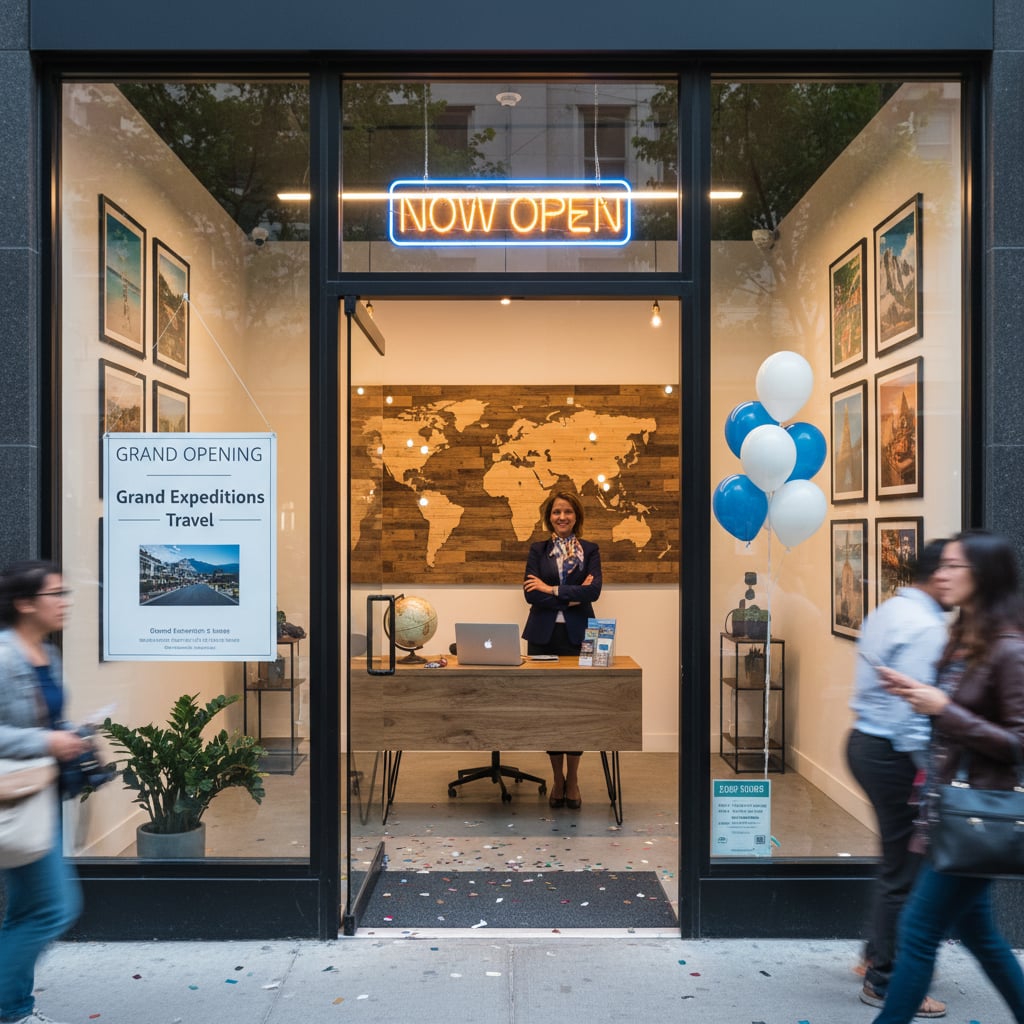
Starting a travel agency in 2026 is fundamentally different from even five years ago. The barriers to entry have dropped—you don't need a physical storefront anymore—but competition is fierce. Success comes down to three things: securing the right supplier partnerships, using efficient technology, and finding a profitable niche.
I've helped launch over a dozen successful travel agencies across Singapore, Malaysia, and India. Some are now doing SGD 2M+ in annual bookings. What separates them from the hundreds of failed startups? They followed a systematic approach to building infrastructure before chasing customers.
This guide walks through the exact process: from choosing your business structure and getting licensed to negotiating supplier contracts and setting up booking systems. Whether you're launching a solo FIT operation or building a full-service B2B agency, the fundamentals are the same.
What You'll Learn
- Complete legal setup and licensing requirements by region
- How to get IATA accreditation (and whether you need it)
- Strategies for securing DMC and supplier contracts
- Technology stack for modern travel agencies
- Realistic startup costs and monthly expenses
- Customer acquisition strategies that work in 2026
The Travel Agency Opportunity in 2026
Let's start with the market reality. Yes, OTAs like Booking.com and Agoda dominate consumer bookings. But there's still massive opportunity if you position correctly.
Where Travel Agencies Still Win
- B2B Corporate Travel: Companies need customized packages, group bookings, and flexible payment terms that OTAs don't provide. This market is underserved.
- MICE Bookings: Meetings, incentives, conferences, events. High-value transactions that require personalized service and local expertise.
- FIT & GIT Packages: Multi-destination itineraries are complex. Travelers prefer working with agents who can bundle everything and handle logistics.
- Niche Markets: Honeymoon specialists, adventure travel, religious tours, destination weddings. OTAs can't compete on expertise and personalization.
- Sub-Agent Networks: Smaller agents and home-based consultants need supplier access. You can become their wholesaler.
68%
Corporate travel still booked through agents
SGD 45B
SEA outbound travel market 2026
22%
Average margin on B2B bookings
3-6 mo
Time to profitability (avg)
The New Model: Hybrid B2B2C
The most successful new agencies operate on a hybrid model: they maintain B2B relationships with DMCs and suppliers, but sell both to direct consumers (B2C) and to other travel agents (B2B). This diversifies revenue and reduces dependency on any single customer segment.
Step 1: Business Structure & Planning
Choosing Your Business Entity
Your first decision is legal structure. This affects liability, taxes, and supplier eligibility:
| Entity Type | Pros | Cons | Best For |
|---|---|---|---|
| Sole Proprietorship |
|
|
Solo agents, side businesses |
| Private Limited (Pte Ltd) |
|
|
Serious B2B operations, growth plans |
| Partnership |
|
|
Co-founders with different expertise |
Recommendation: If you're serious about B2B travel and want to scale, start with a Private Limited company. The additional cost (around SGD 2,000 first year) is worth it for credibility with suppliers and customers.
Business Registration by Country
- Singapore: Register via ACRA (Accounting and Corporate Regulatory Authority). Takes 1-2 days online. Cost: SGD 315 for company + SGD 50 name approval.
- Malaysia: Register with SSM (Suruhanjaya Syarikat Malaysia). Takes 3-7 days. Cost: RM 1,000-1,500 for Sdn Bhd.
- India: Register via Ministry of Corporate Affairs portal. Takes 7-15 days. Cost: INR 10,000-15,000 for Private Limited.
- UAE: Register with Department of Economic Development. Requires local sponsor unless in free zone. Cost: AED 10,000-20,000.
Define Your Niche & Target Market
Don't try to be everything to everyone. Successful new agencies focus on 1-2 niches:
- Geographic specialization: Singapore & Malaysia only, or Southeast Asia expert
- Customer segment: Corporate travel, honeymoons, group tours, student travel
- Product type: MICE specialist, adventure travel, religious tours
- Service model: Sub-agent wholesaler, direct B2C, hybrid
Case Study: A new Singapore agency started by focusing exclusively on Singapore-Malaysia weekend packages for Indian families. Within 6 months, they became known as "the Singapore specialist" in three Indian cities and hit SGD 50K monthly bookings. Niche focus = faster credibility.
Step 2: Licenses, Permits & Accreditation
Here's where things get bureaucratic. Travel agency licensing requirements vary significantly by country, but there are some universal steps.
Travel Agency License (Required)
Most countries require a travel agency license to operate legally and access supplier contracts:
- Singapore: Register with Singapore Tourism Board (STB). Requirements: SGD 100K paid-up capital, surety bond of SGD 20K, key appointment holder with industry experience. Processing: 4-6 weeks. Cost: SGD 200 application + SGD 20K bond.
- Malaysia: Register with Ministry of Tourism via MyTourismData portal. Requirements: RM 50K paid-up capital, RM 20K guarantee deposit. Processing: 6-8 weeks. Cost: RM 300 application + RM 20K deposit.
- India: Register with Ministry of Tourism. Requirements: Office space, qualified staff, Rs 2.5 lakh bank guarantee. Processing: 8-12 weeks. Cost: Rs 30,000-50,000 total.
- UAE: License from Department of Tourism. Requirements: Office space in business district, AED 50K guarantee. Processing: 4-6 weeks. Cost: AED 15,000-25,000.
Capital Requirements Can Be Challenging
The SGD 100K paid-up capital for Singapore STB license is a real barrier for solo entrepreneurs. Options: (1) Start as a sub-agent under an existing licensed agency, (2) Partner with investors, or (3) Begin in a country with lower requirements and expand later. Many successful Singapore agencies started as Malaysia-based operations first.
IATA Accreditation (Optional but Valuable)
IATA (International Air Transport Association) accreditation gives you access to airline inventory and better DMC rate categories. But it's expensive and has strict requirements.
IATA Requirements:
- Registered travel agency license (STB, MOT, etc.)
- Minimum 2 years operation (can be waived with financial guarantees)
- Qualified personnel (IATA/UFTAA training certification)
- Financial guarantee: SGD 40K-60K (varies by projected turnover)
- Annual fee: USD 500-1,500 depending on region
Do You Need IATA?
- YES if: You'll book significant flight volume, want Category A DMC rates, or serve corporate clients who require IATA agents.
- NO if: You're focusing on land arrangements (hotels, tours, transfers), working with consolidators for flights, or operating as a niche specialist.
Most new agencies skip IATA initially and get accredited after 1-2 years of operation when the ROI is clear.
Trade Association Memberships
Join trade associations for networking, training, and credibility:
- ASTA (American Society of Travel Advisors): USD 549/year, global recognition
- TAAI (Travel Agents Association of India): Rs 15,000/year, India market
- SKAL International: USD 200-400/year, networking focus
- PATA (Pacific Asia Travel Association): USD 300-800/year, Asia-Pacific region
These aren't required, but membership helps with supplier applications and gives you access to industry events and training.
Step 3: Building Your Supplier Network
Your supplier network determines your pricing competitiveness and product range. Here's how to build it strategically.
DMC Partnerships (Foundation)
DMCs (Destination Management Companies) are your core suppliers. They provide wholesale rates for hotels, tours, transfers, and activities.
How to Get DMC Contracts:
- Register on B2B platforms like DMC Quote, TBO, Travco, Hotelbeds
- Submit business registration and trade license for verification (see our guide to accessing DMC rates)
- Start with prepaid wallet terms (no credit required)
- Build booking history to qualify for better rate categories
- Negotiate credit terms after 6 months of consistent volume
Essential DMC Partners to Secure:
- 1-2 Southeast Asia specialists (Singapore, Malaysia, Thailand coverage)
- 1 global DMC for worldwide destinations (Hotelbeds, TBO)
- Local DMCs for your niche markets
Direct Hotel Contracts (Advanced)
Once you're doing 50+ room nights per month, approach hotels directly for contracted rates:
- 5-10% better rates than DMC pricing
- Exclusive allotments during peak season
- Better cancellation terms
Focus on 10-15 hotels you sell most frequently. Direct contracts require commitment (e.g., 200 room nights per year), but the margin improvement is worth it.
Flight Consolidators
If you're not IATA accredited, work with flight consolidators to access airline inventory:
- Amadeus, Sabre, Travelport: GDS access via consolidators
- Regional consolidators: Better rates for specific routes
- Low-cost carrier aggregators: Access to AirAsia, Scoot, etc.
Typical consolidator commission: 2-5% on published fares, plus net fares on contracted routes.
Tour Operators & Activity Suppliers
Build a catalog of experiences:
- Register with activity marketplaces (Viator, GetYourGuide for reselling, or local operators for direct contracts)
- Secure net rates from local tour operators in your focus destinations
- Negotiate commission structures (typically 10-15% for attractions, 15-20% for tours)
Recommended Startup Supplier Mix: 2-3 DMCs for hotels (DMC Quote for Southeast Asia + 1 global DMC), 1-2 flight consolidators, 5-10 direct tour operators in your focus destinations. This gives you competitive pricing without overwhelming your operations. Expand as volume grows.
Step 4: Technology Platform Setup
In 2026, you need solid technology to compete. But don't overcomplicate it—start with essentials and scale up.
Booking System Options
| Solution Type | Cost | Pros | Best For |
|---|---|---|---|
| Manual (Excel + DMC Portals) | Free | Zero cost, full control, simple | Solo agents, under 30 bookings/month |
| B2B White-Label Platform | SGD 200-500/month | Quick setup, branded portal, integrated inventory | Small agencies, B2B2B model |
| Custom Portal (PHP/WordPress) | SGD 5,000-15,000 one-time | Full customization, owned platform, scalable | Medium agencies with tech resources |
| Enterprise Travel CRM | SGD 500-2,000/month | Complete solution, automation, reporting | Large agencies, MICE specialists |
Recommendation for Startups: Start manual for the first 3 months while you learn the business. Once you hit 20-30 bookings per month, invest in a white-label B2B platform. Popular options: TravelCarma, Trawex, Tourplan (SGD 300-600/month with API integrations).
Essential Software Stack
- CRM System: HubSpot (free tier), Zoho CRM (SGD 20/user/month), or Salesforce (SGD 35/user/month) for customer management
- Quotation Tool: Google Sheets initially, then upgrade to travel-specific quotation software like DMC Quote's quotation builder
- Accounting Software: Xero (SGD 35/month) or QuickBooks (SGD 30/month) for invoicing and bookkeeping
- Payment Gateway: Razorpay, Stripe, or PayPal for online payments (2.5-3.5% transaction fees)
- Communication: WhatsApp Business (free), Slack for team chat (SGD 8/user/month), Zoom for client meetings (SGD 20/month)
Website & Online Presence
You need a professional website even if you're B2B-focused:
- Domain & Hosting: SGD 100-200/year (GoDaddy, Namecheap)
- Website: WordPress with travel theme (SGD 500-2,000 one-time setup) or use website builders like Wix/Squarespace (SGD 30-50/month)
- Essentials: About page, services, destination pages, contact form, WhatsApp integration
- SEO: Basic on-page SEO for destination keywords (e.g., "Singapore Malaysia packages")
Technology Budget Reality Check
First 6 months: You can operate with under SGD 200/month in software costs (free CRM, manual processes, basic accounting). After that, expect SGD 500-1,000/month for white-label booking system + CRM + accounting + website. Don't overbuy technology you won't use.
Realistic Startup Costs Breakdown
Here's what it actually costs to start a travel agency in 2026, broken down by two scenarios:
Option A: Solo Agent (Home-Based, Non-IATA)
| Expense Category | One-Time Cost | Monthly Recurring |
|---|---|---|
| Business Registration (Sole Proprietorship) | SGD 150-300 | - |
| Trade License (if required) | SGD 200-500 | - |
| Website Setup | SGD 500-1,000 | SGD 30 (hosting) |
| Software & Tools (CRM, accounting) | - | SGD 50-100 |
| Marketing Setup (logo, cards, social) | SGD 300-500 | SGD 100-200 |
| Supplier Deposits (DMC wallets) | SGD 1,000-2,000 | - |
| Working Capital (3 months buffer) | SGD 3,000-5,000 | - |
| TOTAL STARTUP COST | SGD 5,150-9,300 | SGD 180-330/month |
Option B: Professional Agency (Office, IATA, Full Setup)
| Expense Category | One-Time Cost | Monthly Recurring |
|---|---|---|
| Company Registration (Pte Ltd) | SGD 1,500-2,500 | - |
| Travel Agency License (STB/MOT + bond) | SGD 20,000-25,000 | - |
| IATA Accreditation (guarantee + fees) | SGD 40,000-60,000 | SGD 100-150 |
| Office Rental (small space) | SGD 2,000 (deposit) | SGD 1,500-2,500 |
| Office Setup (furniture, equipment) | SGD 3,000-5,000 | - |
| Technology Platform | SGD 5,000-10,000 | SGD 500-800 |
| Staff Salaries (2-3 people) | - | SGD 4,000-6,000 |
| Marketing & Branding | SGD 2,000-5,000 | SGD 500-1,000 |
| Working Capital (6 months buffer) | SGD 20,000-30,000 | - |
| TOTAL STARTUP COST | SGD 93,500-139,500 | SGD 6,600-10,450/month |
The Reality: Most successful agencies start somewhere in between—registered company, basic office or co-working space, no IATA initially, 1-2 staff. Budget SGD 30,000-50,000 for a sustainable launch.
Step 5: Marketing Strategy & Customer Acquisition
You can have great rates and technology, but without customers, you've got nothing. Here's what actually works for customer acquisition in 2026.
B2B Marketing Tactics
- LinkedIn Outreach: Connect with corporate travel managers, HR heads, event planners. Share destination insights, rate alerts, case studies. 50+ connections per week consistently.
- Sub-Agent Network: Recruit smaller agents who need supplier access. Offer them your DMC rates + your service fee. 10-20 active sub-agents can drive significant volume.
- Trade Shows & Events: Attend 2-3 industry events per year (PATA, ASTA, ITB). Not cheap (SGD 2,000-5,000 per event) but high ROI for partnerships.
- Partnerships: Team up with complementary businesses—visa agencies, forex, insurance—for referrals.
B2C Marketing Tactics
- Google Business Profile: Free listing. Optimize for "Singapore tour packages," "Malaysia travel agent," etc. Can drive 20-50 leads per month.
- Facebook & Instagram: Post destination content, customer testimonials, package offers. Budget SGD 500/month for ads targeting your niche.
- WhatsApp Marketing: Build a broadcast list. Send weekly destination deals, travel tips. Conversion rate: 5-10% on targeted offers.
- Referral Program: Give customers SGD 50-100 credit for referrals who book. Word-of-mouth remains the highest converting channel.
Content Marketing for Long-Term Growth
- Publish 1-2 destination guides per month on your website (SEO)
- Create downloadable itineraries as lead magnets
- Start a YouTube channel with destination tips (low competition, high engagement)
- Guest post on travel blogs linking back to your services
First 90 Days Focus: Don't spread too thin. Pick ONE B2B channel (LinkedIn outreach or sub-agent recruitment) and ONE B2C channel (Google Business + Facebook). Master those before expanding. Consistency beats variety in early-stage marketing.
Frequently Asked Questions
Minimum SGD 5,000-10,000 for a home-based solo operation without IATA. For a professional setup with office and IATA accreditation, budget SGD 100,000-150,000. Most successful startups launch with SGD 30,000-50,000—enough for company registration, basic office setup, technology, and 6 months working capital. You can start smaller as a sub-agent or home-based consultant while building capital.
No, IATA is not required to start. Most new agencies operate successfully without IATA by using flight consolidators for air tickets and focusing on land arrangements (hotels, tours, transfers) where they have competitive DMC rates. IATA becomes valuable once you're booking significant flight volume or targeting corporate clients who require IATA agents. The financial barrier is also high—SGD 40K-60K in guarantees plus annual fees. Consider getting IATA after your first year of profitable operation.
Yes, many successful agencies start from home. You'll save SGD 1,500-2,500/month in office rent. However, some countries require a commercial address for trade licenses—check your local requirements. Workaround: Use a virtual office address (SGD 100-200/month) for business registration while operating from home. Once you're doing 50+ bookings per month or hiring staff, consider moving to a physical office for professionalism and collaboration.
Average time to profitability is 3-6 months for lean startups, 6-12 months for full-scale agencies with offices and staff. Key factors: your niche (B2B corporate travel is faster than leisure retail), initial capital (more buffer = more time to build), and customer acquisition channels. A realistic goal: Break even by month 6, profit by month 9. First year target: SGD 300K-500K in bookings generating SGD 60K-100K gross profit (20% margin).
Gross margins vary by product: Hotels (15-25%), Tours (20-30%), Transfers (25-35%), Packages (20-35%). Net profit margins after expenses: 8-15% for most agencies, 15-25% for efficient operations. On SGD 500K annual bookings, expect SGD 100K-125K gross profit, SGD 40K-75K net profit after operating expenses. Margins improve significantly once you hit scale (SGD 2M+ bookings) because fixed costs stay flat while revenue grows.
Absolutely specialize, especially in the beginning. Successful new agencies pick 1-2 niches: geographic focus (Singapore & Malaysia only), customer segment (corporate travel, honeymoons), or product type (MICE, adventure travel). Specialization gives you faster credibility, allows deeper supplier relationships in fewer destinations, and makes marketing far more effective. You can expand to new niches after establishing your reputation. Example: "Singapore specialist for Indian travelers" is much stronger positioning than "worldwide travel agent."
Ready to Launch Your Travel Agency?
Register free with DMC Quote to access wholesale rates for Singapore, Malaysia, and Southeast Asia. Get instant supplier access without IATA requirements or high capital deposits.
Related Guides
How to Get DMC Rates
Essential guide to accessing wholesale pricing and securing supplier partnerships.
How to Create Travel Packages
Master package design, costing, and pricing strategies for profitable sales.