Last month, Priya created two Singapore packages. Same hotels, similar pricing, identical destinations. The first one got zero bookings in three weeks. The second? Sold out in four days.
What made the difference wasn't the hotels or the price. It was how she structured the package. Most travel agents think creating packages is about bundling services together and slapping on a discount. That's wrong. A package that sells tells a story, solves a problem, and makes the decision easy.
Start With Who, Not Where
Here's where most agents go wrong: they build packages around destinations instead of customers. They think "Singapore package" when they should think "first-time family to Singapore" or "couple celebrating anniversary in Singapore."
The agents who consistently sell packages backwards-engineer from the customer. They ask:
- Who's this for? Young couples, families with kids, retirees, business travelers
- What problem does it solve? Planning overwhelm, budget uncertainty, time constraints
- What experience are they buying? Romance, adventure, relaxation, culture
When you start with the customer, everything else becomes clearer. A "Family Fun in Singapore" package looks completely different from a "Singapore Romance Escape" even if they use the same hotels on DMCQuote's hotel booking platform.
The Three-Layer Package Structure
Packages that sell follow a specific structure. Think of it like a pyramid:
Layer 1: The Foundation (Must-Haves)
These are non-negotiable elements that every customer expects:
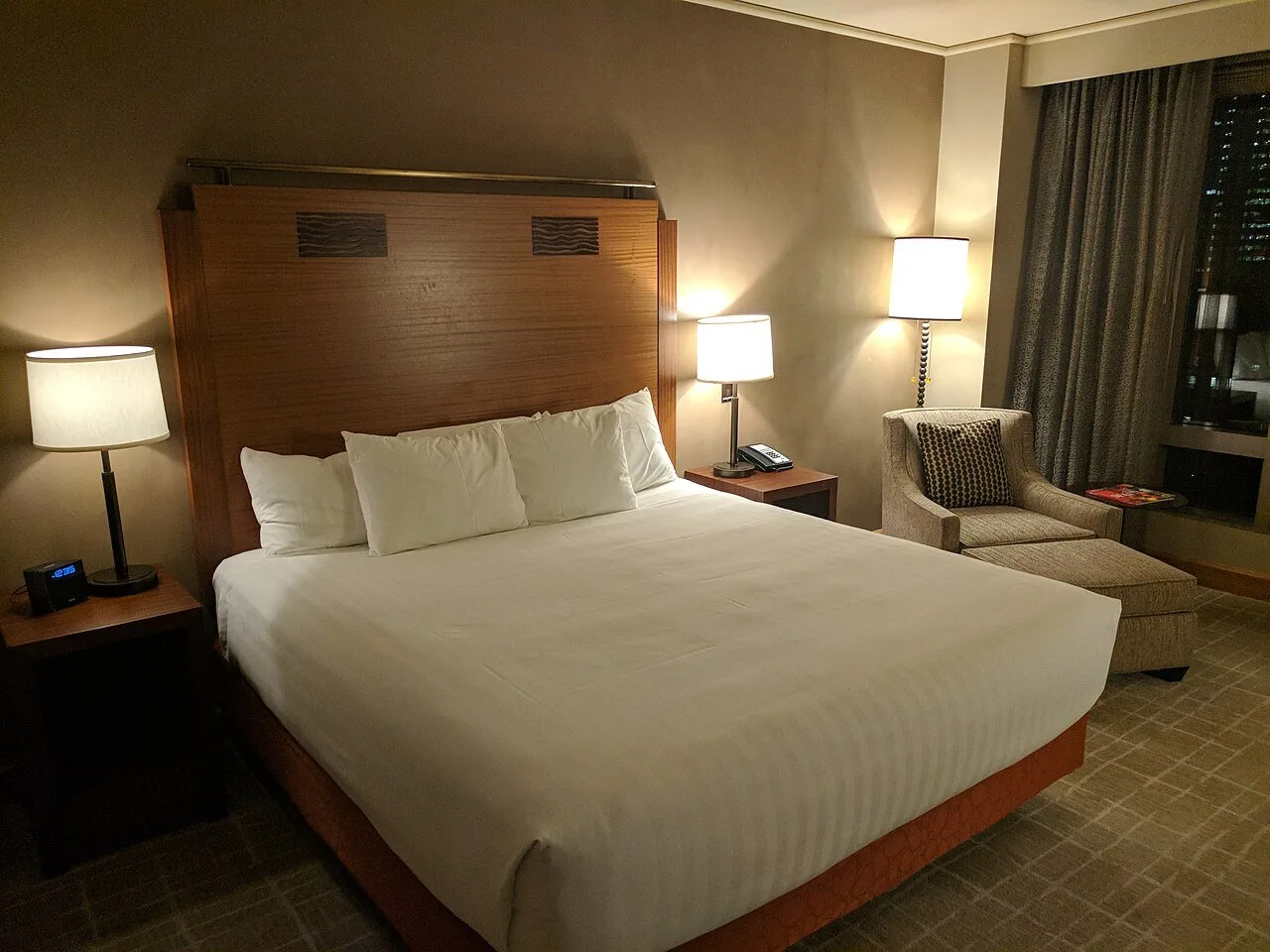
- Accommodation: Don't just list hotel names. Describe the experience. "Centrally located near Orchard Road" beats "4-star hotel" every time
- Transfers: Airport pickup and drop-off eliminates the first travel anxiety point
- Key meals: Breakfast should always be included. It's expected and removes daily decision-making
Pro tip: Use DMCQuote's platform to check Singapore accommodation options that fit different customer profiles before building your package.
Layer 2: The Differentiator (Value-Adds)
This is where you stand out from generic OTA packages. Include 2-3 experiences that align with your customer avatar:
- Families: Universal Studios tickets, Night Safari, hands-on workshops
- Couples: Sunset dinner cruise, spa sessions, rooftop bar experiences
- Culture seekers: Heritage tours, food trails, museum passes
Don't overload the package. Three strong experiences beat seven mediocre ones. Quality over quantity makes the package feel premium, not overwhelming.
Layer 3: The Flexibility (Options)
This is your conversion booster. Offer optional add-ons that customers can customize:
- Room upgrades (sea view, suite, club access)
- Additional tours or activities
- Extra nights
- Meal plan upgrades
When Rajesh started offering "base package plus options" instead of fixed packages, his conversion rate jumped 34%. Why? Because customers felt control while you maintained structure.
Pricing Psychology That Works
Let's talk numbers. You've probably been taught to calculate costs, add margin, and price accordingly. That's backward.
Top-performing agents price based on perceived value, not cost-plus. Here's what works:
The Anchor Price Technique
Show what it would cost if booked separately:
- Hotel (5 nights): SGD 1,200
- Airport transfers: SGD 120
- Universal Studios: SGD 160
- Gardens by the Bay: SGD 60
- Total: SGD 1,540
- Package Price: SGD 1,299
The SGD 241 savings becomes real, tangible, immediate. Your customer isn't buying a package anymore. They're saving money while getting more value.
Tiered Package Pricing
Never offer just one package. Create three tiers:
- Essential: Core experience at entry price point
- Premium: Enhanced hotels, more activities (most people choose this)
- Luxury: Top-tier everything (makes Premium look reasonable)
The luxury tier rarely sells. That's not the point. It makes your premium tier look like the smart middle choice. Sales psychology 101.
Write Descriptions That Sell
Your package description is your salesperson. Most agents write boring feature lists:
"5-night Singapore package including hotel, breakfast, airport transfer, and Universal Studios tickets."
That's describing what they get. Not what they'll experience. Compare:
"Wake up in the heart of Singapore's shopping district. Start each day with a hotel breakfast spread, then explore the city without worrying about transport - we've got your airport transfers covered. Spend a full day at Universal Studios creating memories the kids will talk about for years. This isn't just a trip to Singapore. It's five days of no-stress family adventure."
See the difference? The second version sells the experience, addresses concerns (transport, kid-friendly), and paints a picture.
Description Formula That Converts
- Opening hook: Paint the picture (not "Singapore is beautiful" - be specific)
- What's included: Benefits, not features
- What makes it special: Unique elements they can't easily replicate
- Who it's perfect for: Help them self-identify
- Call to action: Clear next step
Destination Selection Strategy
Not all destinations make good packages. Some work better as custom itineraries. The best package destinations share common traits:
- Concentrated attractions: Singapore, Dubai, Hong Kong work perfectly because major attractions cluster together
- Clear duration: 3-5 nights is the sweet spot for packages. Too short feels rushed, too long needs customization
- Established infrastructure: Reliable transfers, consistent hotel quality, professional activity operators
Multi-destination packages like Malaysia (Kuala Lumpur + Penang) or Thailand (Bangkok + Phuket) work when you can tell a cohesive story: "City and Beach Escape" or "Culture and Relaxation Combo."
Common Package Creation Mistakes
After reviewing hundreds of packages, here are the mistakes that kill sales:
Mistake #1: Too Much Choice
Offering eight hotel options and twelve activity combinations isn't helpful. It's paralyzing. Packages should simplify decisions, not complicate them. Offer 2-3 clear options maximum.
Mistake #2: Generic Naming
"Singapore Package" tells me nothing. "Singapore Family Adventure" or "Singapore Luxury Getaway" immediately connects with the right customer.
Mistake #3: Ignoring Seasonality
A beach package during monsoon season won't sell, no matter how good the discount. Build packages around destination high seasons when weather and events align.
Mistake #4: Forgetting Practical Details
Customers need to know:
- Exact hotel names (or "similar" if not confirmed)
- Meal plan details
- Activity timings
- What's NOT included
- Cancellation policies
Transparency builds trust. Hidden surprises kill rebookings.
Testing and Refining Your Packages
Here's what top agents do that others don't: they test and track everything.
Create 2-3 package variations and monitor:
- How many people view each package
- How many request quotes
- How many actually book
- Which elements customers ask to modify
If everyone's removing the same activity, drop it from the base package and make it optional. If customers consistently upgrade the hotel, maybe your base hotel tier is wrong.
Amit tracks this in a simple spreadsheet. After three months, he killed his worst-performing package and doubled down on his best. His package revenue increased 67% with the same marketing effort.
The DMCQuote Advantage
Building packages manually is time-consuming. You're checking hotel availability, calculating transfer costs, verifying activity pricing across multiple suppliers.
DMCQuote's B2B platform streamlines this entire process. You can:
- Compare hotels across Singapore, Malaysia, Dubai, and more in real-time
- Access contracted rates that give you margin to work with
- Bundle transfers and activities from verified suppliers
- Generate professional quotations instantly
The agents who build packages fastest while maintaining quality aren't working harder. They're using better tools.
Taking Action
Don't try to create ten packages this week. Start with one. Pick your best-selling destination and your most common customer type. Build one package following this framework:
- Define the specific customer (be narrow, not broad)
- Select 3-5 nights duration
- Choose foundation elements (hotel, transfers, meals)
- Add 2-3 signature experiences
- Create optional add-ons
- Write benefit-focused descriptions
- Price with anchor strategy
- Test for 30 days and track results
The difference between packages that sit on your website and packages that sell isn't luck. It's structure, positioning, and presentation. Build your packages around customers, not destinations. Simplify decisions instead of multiplying options. And always, always sell the experience, not the features.
Start building smarter packages today with DMCQuote's comprehensive B2B travel platform. Your next best-selling package is one strategic decision away.