As airline base commissions have evaporated, ancillary revenues have emerged as critical income streams for carriers—and potential new revenue sources for travel agents. Airlines now generate 15-20% of total revenue from ancillary products like checked baggage, seat selection, priority boarding, meals, and WiFi. Understanding how to monetize these ancillaries represents an important evolution for agencies seeking to replace lost base commission income.
The Ancillary Revenue Landscape
Global airline ancillary revenue exceeded $120 billion in 2024, representing massive transactional volume flowing through distribution channels. While much of this revenue comes from direct sales via airline websites and apps, significant portions still flow through agency channels—creating opportunities for commission or markup participation.
Ancillary types vary in commission potential. Some carriers offer small commissions (2-5%) on ancillaries booked through agency channels. Others provide zero commission but allow service fees. Understanding which ancillaries generate compensation helps agents prioritize what to actively sell versus what to mention only when clients request.
The challenge is that different airlines, GDS systems, and booking channels provide vastly different access to ancillary products. A seat selection easily accessible when booking through one system might be invisible through another. This complexity requires agents to understand multiple pathways for ancillary sales.
Baggage Fees and Optimization
Checked baggage fees represent airlines' largest ancillary revenue category, generating over $30 billion globally. For travel agents, baggage creates both service opportunities and potential problems when clients are surprised by unexpected fees.
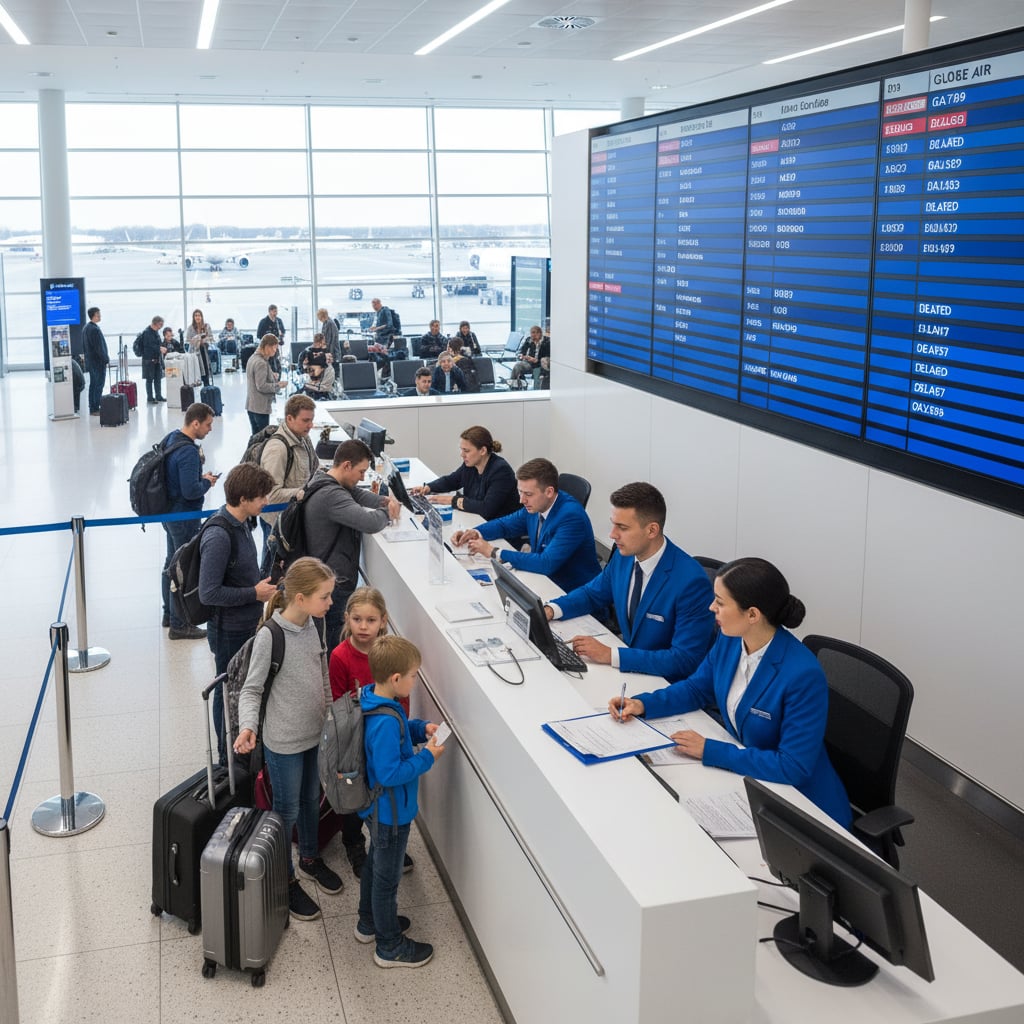
Proactive baggage policy communication prevents complaints and creates service fee opportunities. When booking tickets, always communicate applicable baggage allowances and fees clearly. For economy tickets on carriers charging for all checked bags, quantify total costs: "Your base fare is $450, but this airline charges $35 each way for the first checked bag, bringing your true cost to $520 if you check luggage."
This disclosure provides three benefits: It prevents client surprise and complaints, demonstrates your thoroughness and value, and creates opportunities to recommend alternatives. "For $80 more, I can book you on Singapore Airlines which includes free checked baggage, making it actually cheaper if you're checking bags."
Some agencies charge service fees for pre-purchasing baggage or researching optimal baggage strategies for complex itineraries involving multiple carriers with different policies. A family of four checking bags on a multi-segment journey might pay $20-40 for agents to navigate different carrier policies and pre-purchase allowances at optimal prices.
Seat Selection Revenue Opportunities
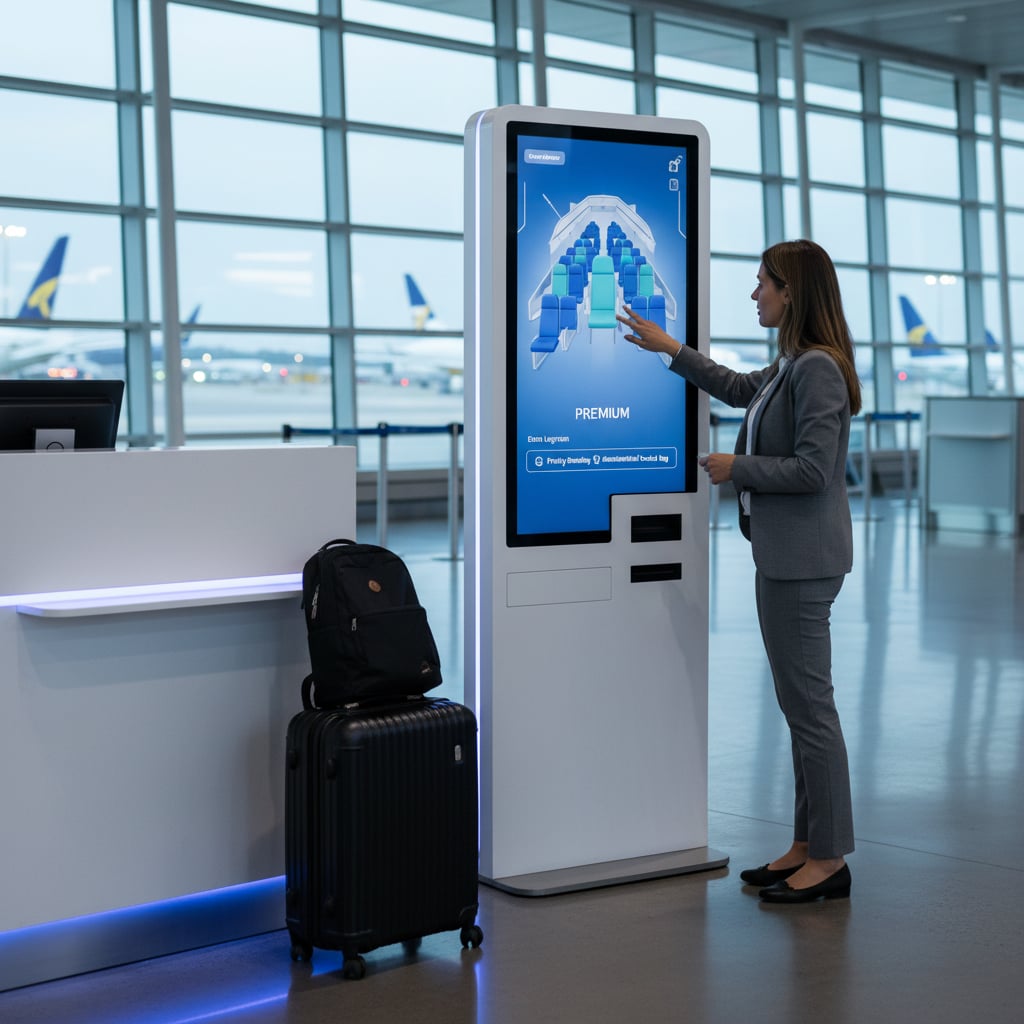
Airline seat selection has evolved from free service to major revenue source. Carriers now charge for advance seat selection, with premium seats (extra legroom, preferred location) commanding substantial fees. Some airlines charge even for standard seat selection, making any advance assignment a paid service.
Few airlines pay commissions on seat fees, but service fee opportunities exist. Agencies can charge for researching optimal seats (particularly valuable for families or groups needing adjacent seating), pre-selecting seats across complex multi-carrier itineraries, or monitoring for improved seat availability as departure approaches.
Seat selection becomes particularly valuable for premium clients and special circumstances. Business class passengers often want specific seats (window vs aisle, front vs rear cabin, upper vs lower deck on A380s). Families with small children need adjacent seats. Understanding aircraft configurations and optimal seat locations demonstrates expertise justifying service fees.
At DMC Quote, we help agents provide comprehensive service including optimal seat recommendations as part of complete travel packages combining flights with ground services like airport transfers.
Meal and Catering Services
As airlines reduce complimentary meal services, paid catering has expanded significantly. Long-haul economy flights that previously included meals now often offer only buy-on-board options, while medium-haul flights offer extensive paid menus.
Pre-ordering meal options creates better passenger experiences and potential revenue opportunities. Some carriers offer pre-order discounts compared to onboard prices, creating value propositions agents can promote. "Pre-ordering your meal for the Singapore-Tokyo flight costs $15 versus $22 onboard, and guarantees availability of your preferred choice."
Special meal requests (vegetarian, kosher, diabetic, child meals) require advance booking and don't typically generate revenue, but handling these requests demonstrates service value that justifies overall fees. Premium clients particularly appreciate agents who proactively manage these details.
Lounge Access Programs
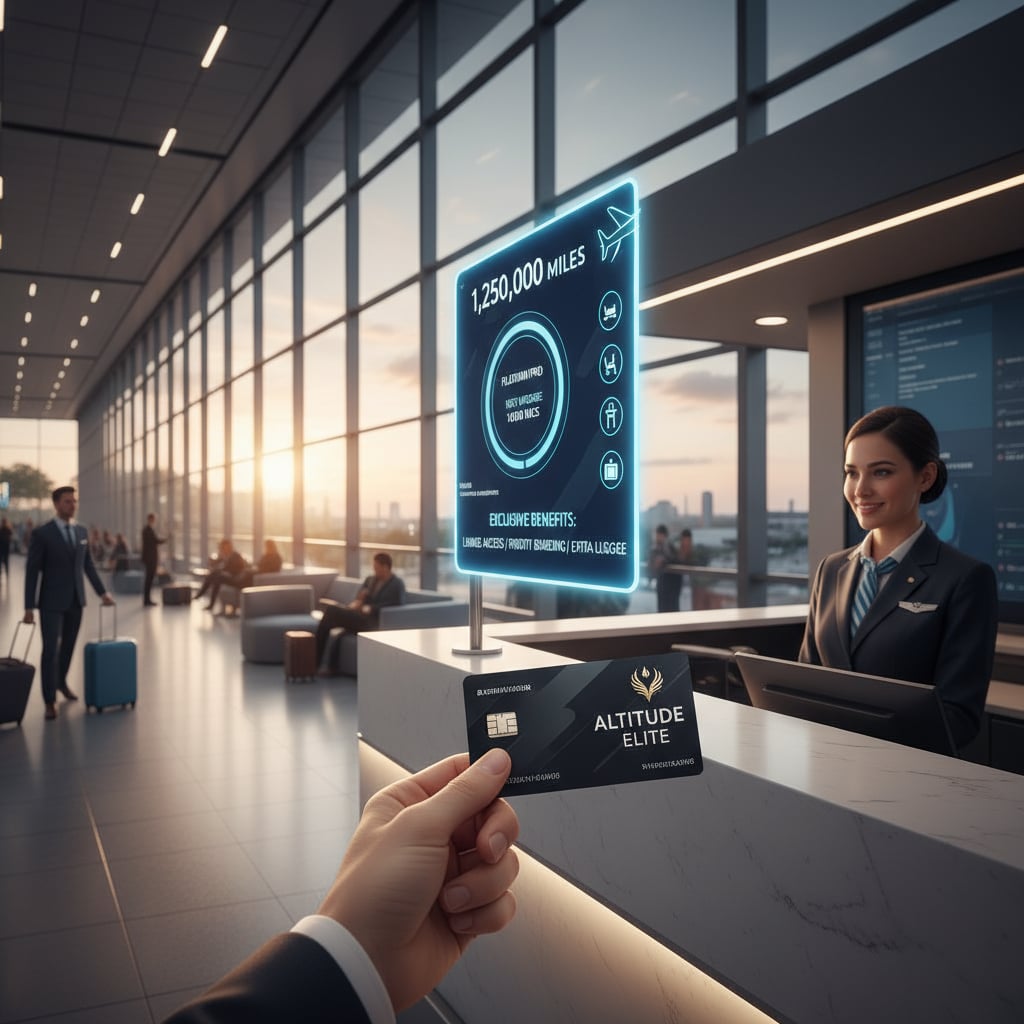
Airport lounge access represents a high-value ancillary that many travelers don't know they can purchase independently of elite status. Day passes for airline lounges typically cost $40-75, while third-party programs like Priority Pass or LoungeKey provide multi-lounge access through annual memberships.
Agents can earn commissions promoting lounge access programs or charge service fees for arranging day passes. The value proposition is particularly strong for long international itineraries with extended layovers: "Your 6-hour Singapore connection will be much more comfortable in the airline lounge. I can arrange day access for $55, providing food, showers, WiFi, and comfortable seating versus sitting at the gate."
Some premium credit cards include complimentary lounge programs. Educating clients about these benefits (without directly selling credit cards) builds trust and positions you as comprehensive travel advisor rather than just ticket seller.
Travel Insurance and Protection Products
While not strictly airline ancillaries, travel insurance sold alongside flight bookings represents major revenue opportunities. Insurance commissions typically range from 20-40% of premium cost, potentially generating $30-100 per policy sold.
Flight-related insurance is easiest to sell because risks are obvious and immediate: trip cancellation, interruption, baggage loss, and medical emergencies. Position insurance as essential protection rather than optional add-on, particularly for international travel or expensive tickets.
Airline-offered insurance typically provides lower coverage and higher costs than third-party comprehensive policies. Educating clients about these differences while recommending superior third-party options demonstrates your advocacy for their interests while earning better commissions.
NDC and Direct Connect Technologies
New Distribution Capability (NDC) technology promises to transform ancillary sales by giving agents access to the same rich content and ancillary options previously available only through airline direct channels. Early NDC implementations already provide enhanced seat maps, detailed baggage information, and previously inaccessible products.
As NDC adoption accelerates, agents who invest in NDC-capable technology gain competitive advantages in ancillary sales. Understanding how to access and sell these products through NDC channels becomes increasingly important for maximizing revenue opportunities.
Some airlines structure NDC content to incentivize agency adoption by making certain fares, inventory, or ancillaries available exclusively through NDC channels. Staying current with these developments ensures you can access all available products and commissions.
Bundled Fare Products
Many airlines now offer branded fare families bundling base tickets with various ancillary inclusions. Economy passengers might choose between "Basic Economy" (no changes, no seat selection, no baggage), "Standard Economy" (one bag, seat selection, changes allowed with fee), and "Economy Plus" (two bags, seat selection, free changes, priority boarding).
Understanding these structures helps match clients to optimal fare bundles rather than selling cheapest fares then adding à la carte ancillaries that cost more combined. A passenger checking two bags and wanting seat selection should buy Economy Plus rather than Basic Economy plus separate bag and seat fees that cost more total.
Explaining these trade-offs demonstrates expertise and helps clients make informed choices. Present total costs including anticipated ancillaries rather than just base fares when comparing options. This transparency builds trust while potentially generating commission on higher fare categories.
Dynamic Pricing and Personalization
Airlines increasingly use dynamic pricing for ancillaries, varying baggage fees or seat charges based on route, season, or individual passenger factors. This complexity makes it harder to give definitive pricing but creates opportunities for agents to add value through research and comparison.
Personalized pricing based on passenger profile or booking history adds another layer. Frequent flyers might receive different ancillary offers than occasional travelers. Understanding these dynamics helps agents navigate the increasingly complex landscape.
Service Fee Strategies for Ancillary Assistance
Since ancillaries themselves rarely generate significant commissions, service fees for ancillary management provide the primary monetization opportunity. Several fee structures can work depending on your agency positioning and client segments.
Flat fees per booking include basic ancillary setup (seat selection, basic baggage) as part of standard service. Complex ancillary requests (researching optimal seats on multi-carrier itineraries, navigating complicated baggage policies) trigger additional fees of $25-75.
Premium service packages bundle comprehensive ancillary management with flight bookings at higher overall fees. Instead of $50 for basic booking plus $25 for seats, charge $100 for "complete service" including optimal seat selection, baggage planning, meal requests, and lounge access arrangements.
Subscription models for frequent travelers provide ongoing ancillary management for annual fees. This works particularly well for corporate clients or regular travelers who appreciate having agents handle all details without per-transaction charges.
Technology Tools and Workflows
Efficient ancillary sales require streamlined workflows since margins on individual transactions are small. Manual processes that require 20 minutes to add seats and bags to bookings make these services unprofitable at reasonable fee levels.
GDS tools for ancillary sales vary dramatically in usability. Sabre, Amadeus, and Travelport each have specific workflows for accessing airline ancillaries. Mastering these tools reduces transaction time and improves profitability of ancillary services.
Some agencies use customer-facing portals where clients directly select seats and ancillaries, reducing agent involvement while maintaining service fee revenue. This self-service approach works for price-sensitive customers who want lower fees, while premium clients still receive full-service assistance.
Corporate Account Opportunities
Corporate travel represents significant ancillary opportunities since business travelers often need services like checked bags for extended trips, seat selection for comfort, lounge access for productivity, and WiFi for working onboard.
Some corporate policies reimburse ancillary fees while others expect employees to absorb them. Understanding client policies helps position appropriate services. Where companies reimburse, employees are more willing to purchase useful ancillaries. Where they don't, focus only on ancillaries clients specifically request.
Corporate travel management fees can include ancillary services as part of comprehensive per-transaction charges. Rather than itemizing $10 for seat selection plus $15 for baggage setup, charge unified management fees covering all services.
Communication and Transparency
Clear communication about ancillary fees prevents customer service issues and builds trust. Booking confirmations should explicitly state what's included (baggage allowance, seat selection status) and what might incur additional charges.
Proactive education helps clients avoid surprises. "I've booked your flights, and I want to note that this carrier charges for all checked baggage. If you'll check bags, I recommend pre-purchasing allowances now at lower rates than airport prices."
This approach positions you as client advocate helping them navigate complex airline policies rather than just transaction processor. The goodwill generated by preventing $150 in surprise baggage fees at airports often generates referrals worth thousands in future bookings.
Future Trends and Preparation
Airline ancillary strategies continue evolving rapidly. Emerging trends include even more granular unbundling (charging for overhead bin access, advance boarding group assignment, etc.), enhanced personalization using AI to predict which ancillaries individuals want, and blockchain-based systems for managing complex ancillary entitlements.
Staying current requires ongoing education through airline webinars, industry conferences, and professional development. As ancillaries become increasingly central to airline economics, they must also become more central to agency revenue strategies.
The agencies that successfully navigate this transition from base commission to ancillary and fee-based revenue will thrive. Those clinging to historical commission models face declining viability. Developing ancillary expertise and corresponding service fees represents essential evolution for sustainable agency businesses.
At DMC Quote, we support agents through this transition while providing complementary ground services that create additional revenue streams beyond air bookings alone. Join our platform to access comprehensive support and resources, or contact us to discuss partnership opportunities.