Eastern Europe: The Value Alternative
Eastern European destinations—particularly the Czech Republic, Hungary, and Poland—represent tremendous value opportunities for Asian travelers seeking authentic European experiences at costs 30-40% below Western European equivalents. These countries offer stunning architecture rivaling Western Europe's most famous cities, rich historical heritage, UNESCO World Heritage Sites, cultural depth, and excellent tourism infrastructure while maintaining pricing accessibility that makes European travel feasible for broader Asian middle-class demographics.
The combination of dramatic visual appeal (Prague's fairy-tale architecture, Budapest's Danube panoramas, Krakow's medieval market square), significant historical narratives (WWII history, communist heritage, royal dynasties), cultural distinctiveness providing authentic European character, and value pricing creates compelling packages for price-conscious Asian travelers who want genuine European experiences without luxury budgets. For travel agents, Eastern European packages offer differentiation, attractive margins on lower base costs, and appeal to growing market segments seeking alternatives to overcrowded and expensive Western European highlights.
Successfully marketing Eastern European packages requires overcoming perception challenges where some Asian travelers view the region as "second-tier" compared to France, Italy, and Switzerland. Emphasizing the destinations' unique attractions, historical significance, architectural beauty, safety, and value proposition positions Eastern Europe as smart travel choice rather than budget compromise. Growing destination awareness through social media, travel shows, and word-of-mouth from satisfied travelers steadily improves market receptivity.
Prague: Fairy-Tale Architecture and Bohemian Culture
Prague ranks as Eastern Europe's most visited destination and serves as the gateway city introducing Asian travelers to the region's appeal. The Czech capital offers spectacular Gothic, Renaissance, and Baroque architecture creating storybook medieval atmosphere, the famous Charles Bridge, Prague Castle complex, excellent beer culture, and compact historic center perfect for walking tours. Prague requires minimum 2-3 days for comprehensive exploration and serves as either a standalone destination or anchor for broader Central European itineraries.
Prague Castle complex dominates the city's skyline and provides half-day exploration covering St. Vitus Cathedral with stunning stained glass windows, Golden Lane historic street with tiny colorful houses, Old Royal Palace, and panoramic city views. The complex's scale impresses visitors while the architectural details and historical significance justify the modest entry fees (approximately EUR 10-15 for basic circuits). Early morning visits before tour bus arrivals provide more pleasant experiences with smaller crowds.
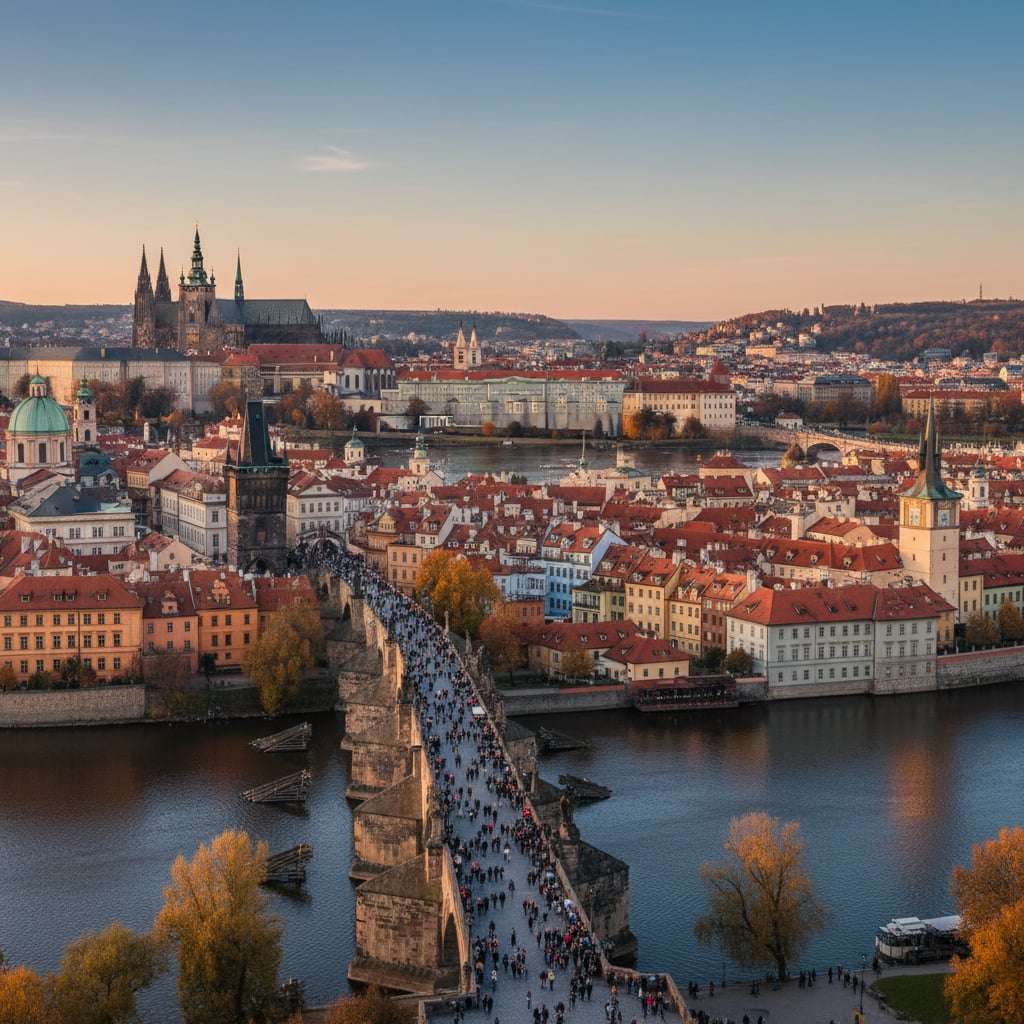
Charles Bridge represents Prague's most iconic landmark—a 14th-century stone bridge spanning the Vltava River lined with baroque statues creating romantic atmosphere beloved by photographers. The bridge connects Old Town and Malá Strana districts while providing stunning Prague Castle views. However, daytime crowds can be overwhelming with thousands of tourists, street performers, and vendors creating chaos. Recommend early morning (before 8 AM) or evening visits when lighting improves and crowds thin, allowing appreciation of the bridge's genuine beauty.
Old Town Square features the famous Astronomical Clock performing hourly shows, Týn Church with distinctive Gothic spires, and colorful baroque buildings creating quintessential Prague imagery. The square serves as the heart of tourist Prague with numerous cafés, restaurants, and shops catering to international visitors. While touristy, the architectural beauty and vibrant atmosphere justify inclusion in all Prague itineraries. Allocate time for clock shows (on the hour, 9 AM-9 PM) as Asian travelers specifically request this experience.
Jewish Quarter (Josefov) preserves Europe's best-maintained historic Jewish ghetto with ancient synagogues, atmospheric Jewish cemetery, and museums documenting Czech Jewish history. The quarter's historical significance and architectural interest appeal to culturally curious travelers, though the somber Holocaust history creates emotional heaviness requiring appropriate framing. Combination tickets covering multiple synagogues and cemetery provide value for those wanting comprehensive Jewish Quarter exploration.
Accommodation in Prague offers exceptional value with quality 4-star hotels costing EUR 80-120 per night (vs EUR 150-250+ for comparable properties in Paris or Rome), and 3-star properties available from EUR 50-80. Prioritize locations in or near Old Town, Malá Strana, or New Town providing walking access to major attractions. The city's compact center makes most central hotels well-positioned for sightseeing.
Budapest: Danube Pearl and Thermal Culture
Budapest combines spectacular Danube River setting, dramatic Parliament building, romantic bridges, historic thermal baths, and vibrant ruin bar culture creating a destination that rivals Western European capitals in beauty while maintaining Eastern European value pricing. The Hungarian capital merits 2-3 days in Central European itineraries and provides excellent contrast to Prague's medieval character through its 19th-century grandeur and unique Hungarian culture.
Hungarian Parliament Building dominates Budapest's riverside skyline as one of Europe's most beautiful government buildings. The neo-Gothic structure photographs spectacularly from across the Danube (particularly from Fisherman's Bastion), while interior guided tours showcase opulent chambers, crown jewels, and impressive architecture. Book tours in advance as daily visitor quotas limit access. Evening illumination creates magical photography conditions for Danube river cruises showcasing the building's full beauty.
Buda Castle and Fisherman's Bastion provide elevated city views across the Danube to Pest side, romantic terraces perfect for photography, and access to Hungarian National Gallery and Budapest History Museum. The area's hilltop position creates dramatic vistas while the fairy-tale architecture of Fisherman's Bastion appeals tremendously to Asian visitors seeking Instagram-worthy backdrops. Funicular railway from riverfront to castle provides convenient access avoiding the steep uphill walk.
Széchenyi and Gellért thermal baths offer uniquely Hungarian cultural experiences soaking in historic medicinal hot springs. Széchenyi's outdoor pools provide year-round bathing including winter snow conditions creating atmospheric experiences, while Gellért's Art Nouveau interiors showcase architectural beauty. These experiences appeal particularly to Japanese and Korean travelers familiar with bathing culture, though some other Asian demographics may feel less comfortable with public bathing. Position as optional cultural experiences rather than mandatory activities.
Danube River cruises showcase Budapest's stunning riverfront architecture from water perspectives, particularly beautiful during evening hours when Parliament, castle, and bridges illuminate creating romantic atmospheres. One-hour sightseeing cruises provide excellent value (EUR 15-25 per person) while dinner cruises offer enhanced experiences with meals and entertainment at higher prices (EUR 50-80+). Include basic cruises in mid-range packages or offer as optional add-ons in budget programs.
Shopping in Budapest features traditional Hungarian products (paprika, porcelain, embroidery), fashion bargains along Váci Street, and Great Market Hall offering food products, crafts, and local atmosphere. While Budapest lacks the luxury brand shopping that attracts some Asian travelers to Western Europe, the unique Hungarian specialties and value pricing appeal to souvenir shoppers and those seeking authentic local products.
Krakow: Medieval Splendor and Somber History
Krakow represents Poland's cultural capital and one of Eastern Europe's most beautiful cities, offering meticulously preserved medieval Main Market Square, royal Wawel Castle, atmospheric Jewish quarter, and proximity to Auschwitz-Birkenau concentration camp creating powerful historical experiences. The city provides cultural depth, architectural beauty, and significant WWII education combining lighter tourist attractions with important historical consciousness-raising particularly valuable for younger Asian travelers.
Main Market Square (Rynek Główny) ranks among Europe's largest and most beautiful medieval squares, surrounded by colorful townhouses, the Renaissance Cloth Hall market building, and St. Mary's Basilica with famous wooden altarpiece. The square's scale impresses visitors while the vibrant café culture, street performers, and historic atmosphere create quintessential European experiences. Hourly trumpet calls from St. Mary's tower represent unique Krakow traditions that delight tourists.
Wawel Royal Castle and Cathedral perch on hilltop above the Vistula River, showcasing Poland's royal history through Renaissance architecture, State Rooms displaying historic chambers, and cathedral housing Polish kings' tombs. The castle complex provides half-day exploration with beautiful architecture and panoramic city views. However, individual attraction tickets and timed entries require planning and can create logistical complexity for group tours.
Kazimierz Jewish Quarter preserves historic synagogues, Jewish cemetery, atmospheric streets, and museums documenting Jewish culture and Holocaust history. Steven Spielberg's Schindler's List filmed extensively in Kazimierz, bringing international attention to the district's historical significance. The quarter has gentrified significantly with trendy cafés, restaurants, and galleries while maintaining historical character. Walking tours combining Jewish history with contemporary culture provide balanced perspectives.
Auschwitz-Birkenau concentration camp memorial, located 70 km from Krakow, offers profoundly moving but emotionally difficult experiences visiting the Nazi death camp where over 1 million people, primarily Jews, were murdered during WWII. The site provides essential historical education about Holocaust atrocities and human capacity for evil. However, the visit's emotional intensity requires careful positioning—frame as important educational experience rather than tourist attraction, and make attendance optional rather than mandatory given the disturbing subject matter.
Full-day Auschwitz excursions from Krakow including transportation and guided tours typically cost EUR 40-60 per person. The site requires minimum 3.5 hours (split between Auschwitz I base camp and Birkenau extermination camp), creating full-day commitments with travel time. Many Asian travelers, particularly younger demographics and those interested in WWII history, specifically request Auschwitz visits, while others prefer avoiding the emotional trauma. Offering as optional excursion accommodates both preferences.
Warsaw: Phoenix Rising
Warsaw, Poland's capital, offers modern European city experiences alongside meticulously reconstructed Old Town (destroyed during WWII), POLIN Museum of Polish Jewish history, and Warsaw Uprising Museum documenting Polish resistance. While less immediately beautiful than Krakow, Warsaw provides important historical context and works well as an entry/exit point or 1-2 day extension for travelers specifically interested in WWII history and contemporary Polish culture.
Vienna: Imperial Grandeur Bridging East and West
Vienna straddles the Eastern-Western Europe boundary, offering imperial Habsburg heritage, world-class museums, classical music culture, elegant architecture, and famous café society. While pricing runs higher than Prague-Budapest-Krakow, Vienna costs less than Paris or London while delivering comparable cultural depth and beauty. The Austrian capital serves as an excellent anchor connecting Eastern European itineraries to Western Europe or Germany.
Schönbrunn Palace represents Vienna's Versailles—the Habsburgs' summer residence showcasing imperial opulence through ornate state rooms, beautiful gardens, and Gloriette monument providing palace and city views. The palace offers various tour options from highlights (22 rooms) to grand tours (40 rooms), with timed entry tickets preventing overcrowding. Allow half-day for palace and gardens, more if including Vienna Zoo (world's oldest zoo, housed in palace grounds).
Hofburg Palace in central Vienna housed the Habsburgs' winter residence and now contains museums, Spanish Riding School with famous Lipizzaner horses, and Imperial Apartments showing royal living quarters. The palace complex provides comprehensive Habsburg immersion though the multiple components and separate ticketing create potential confusion. Focus on Imperial Apartments and Sisi Museum for most efficient palace experience.
St. Stephen's Cathedral dominates Vienna's historic center with Gothic architecture, colorful tile roof, and tower climbs providing panoramic city views. The cathedral anchors walking tours through pedestrian streets featuring luxury shopping, historic cafés, and elegant architecture. Viennese café culture with famous institutions like Café Central provides atmospheric coffee and pastry experiences that appeal to Asian travelers, particularly Japanese tourists who embrace European café traditions enthusiastically.
Classical music experiences—attending performances at Vienna State Opera, Musikverein concert hall, or various smaller venues presenting Mozart and Strauss concerts—provide quintessentially Viennese cultural activities. While opera and classical concerts appeal primarily to music enthusiasts, many Asian travelers appreciate the cultural significance and special atmosphere even without deep musical knowledge. Consider including concerts in premium packages or offering as optional evening activities.
Optimal Routing and Package Design
The Prague-Vienna-Budapest triangle creates the most popular Central European circuit, flowing logically between three stunning capitals via comfortable rail connections (Prague-Vienna 4 hours, Vienna-Budapest 2.5 hours by direct train). This 8-10 day itinerary provides excellent destination variety, architectural beauty, cultural experiences, and value pricing that appeals to Asian first-time visitors wanting comprehensive Central European exposure.
Extending to Krakow via Prague-Krakow (7-8 hours) or Budapest-Krakow (overnight train or flight) adds Polish cultural experiences and Auschwitz history for 11-14 day comprehensive programs. This routing particularly suits travelers specifically interested in WWII history or wanting maximum Eastern European exposure. However, the additional travel time and distance require careful pacing to avoid exhaustion.
Combining Eastern Europe with Germany or Austria creates East-West European hybrids like Berlin-Prague-Vienna or Munich-Prague-Vienna-Budapest allowing travelers to experience diverse European regions within single trips. These itineraries work well for 12-16 day programs where sufficient time allows relaxed pacing despite the multiple destinations.
Reverse routings (Budapest-Vienna-Prague) work equally well depending on flight availability and preferences. Open-jaw flights into one city and out of another save time and provide better routing flexibility compared to circular itineraries returning to starting points.
Transportation and Logistics
Central European rail connections provide comfortable, efficient transportation between major cities with modern trains offering first and second-class options. While rail passes exist, point-to-point advance purchase tickets often cost less while guaranteeing seat reservations and eliminating pass complexity. Book tickets 30-90 days advance for best pricing and guaranteed availability during peak seasons.
Overnight trains between certain city pairs (Budapest-Krakow, Prague-Krakow) save accommodation costs and maximize daytime sightseeing hours, though sleeping quality varies and some travelers dislike overnight train experiences. Position overnight trains as adventurous options for budget-conscious or time-constrained travelers rather than default transportation.
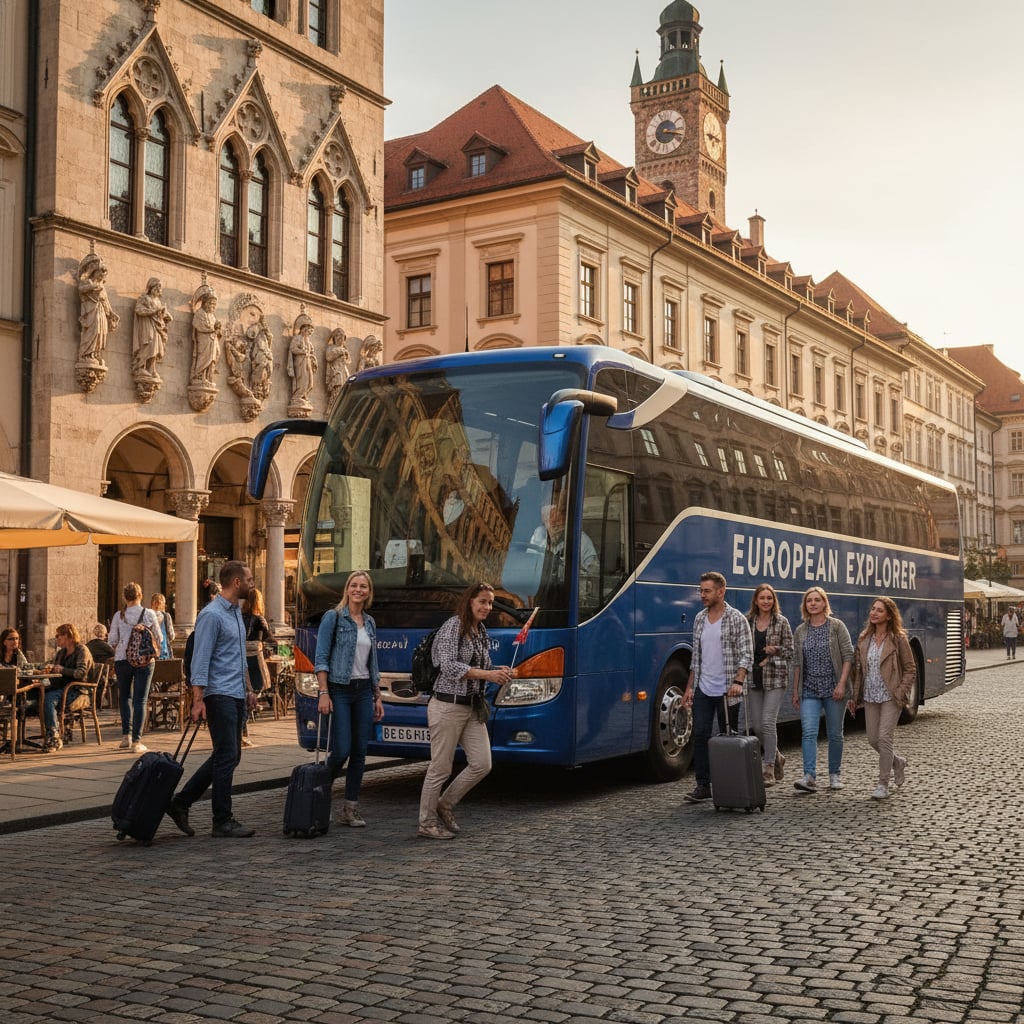
Private coach transportation for group tours provides maximum flexibility and convenience with direct hotel-to-hotel service, en-route sightseeing stops, and luggage handling assistance. While more expensive than rail for small groups, costs become competitive for groups exceeding 15-20 people while providing superior control over schedules and routing.
Pricing and Value Proposition
Eastern European packages deliver exceptional value with comprehensive 10-day Prague-Vienna-Budapest programs including 4-star hotels, rail transportation, daily breakfast, some dinners, and major attraction entries typically costing USD 1,400-2,000 per person—30-40% below equivalent Western European itineraries. This value pricing makes European travel accessible to Asian middle-class families unable or unwilling to pay premium Western European costs.
Despite lower base costs, Eastern European packages offer attractive margins for travel agents. Wholesale ground costs run 40-50% below Western European equivalents, while retail pricing needs only 20-30% discounts to appear competitively valued, allowing healthy margins (20-30%) on perceived value packages. Additionally, lower pricing reduces sticker shock and accelerates booking decisions compared to expensive Western European programs where price resistance creates longer sales cycles.
Position Eastern European packages not as budget compromises but as smart value choices delivering authentic European experiences, stunning architecture, rich history, and excellent quality at accessible prices. Emphasize that travelers save money that can be allocated to upgrades (better hotels, more activities), extended trips, or other financial goals while still experiencing genuine European culture and beauty.
Marketing Strategies and Overcoming Perceptions
Visual marketing featuring Prague Castle, Charles Bridge, Budapest Parliament, and beautiful Central European architecture demonstrates that Eastern Europe equals Western Europe in beauty while costing significantly less. Before-after pricing comparisons showing Eastern vs Western European package costs for equivalent quality create compelling value propositions that overcome any "second-tier" perceptions.
Testimonials from Asian travelers who loved Eastern European experiences provide social proof that challenges any preconceptions. Photos of Chinese families at Prague Castle, Indian couples on Budapest cruises, and Malaysian groups at Krakow Main Square help prospects visualize themselves enjoying these destinations while demonstrating that others from their cultures successfully visited and enjoyed.
Positioning Eastern Europe as "undiscovered gems" or "Europe's best-kept secrets" frames the region as sophisticated insider choice rather than budget alternative. Emphasizing the destinations' UNESCO World Heritage status, historical significance, and architectural magnificence creates prestige positioning that appeals to travelers' desire for meaningful experiences beyond tourist-trampled Western European highlights.
Educational content through blog posts, videos, and social media showcasing Eastern European attractions, culture, and value helps build awareness and desire among Asian markets less familiar with the region. Comparison articles like "Prague vs Paris: More Beauty, Half the Cost" directly challenge perceptions while highlighting concrete advantages.
Ready to unlock Eastern European value for your Asian clients? Visit DMC Quote to connect with experienced Central European DMCs, access excellent value hotel options, and explore comprehensive city tours and experiences. Contact our team today for competitive pricing and expert support building profitable Eastern European packages.