The Group Tour Foundation in Asian Outbound Travel
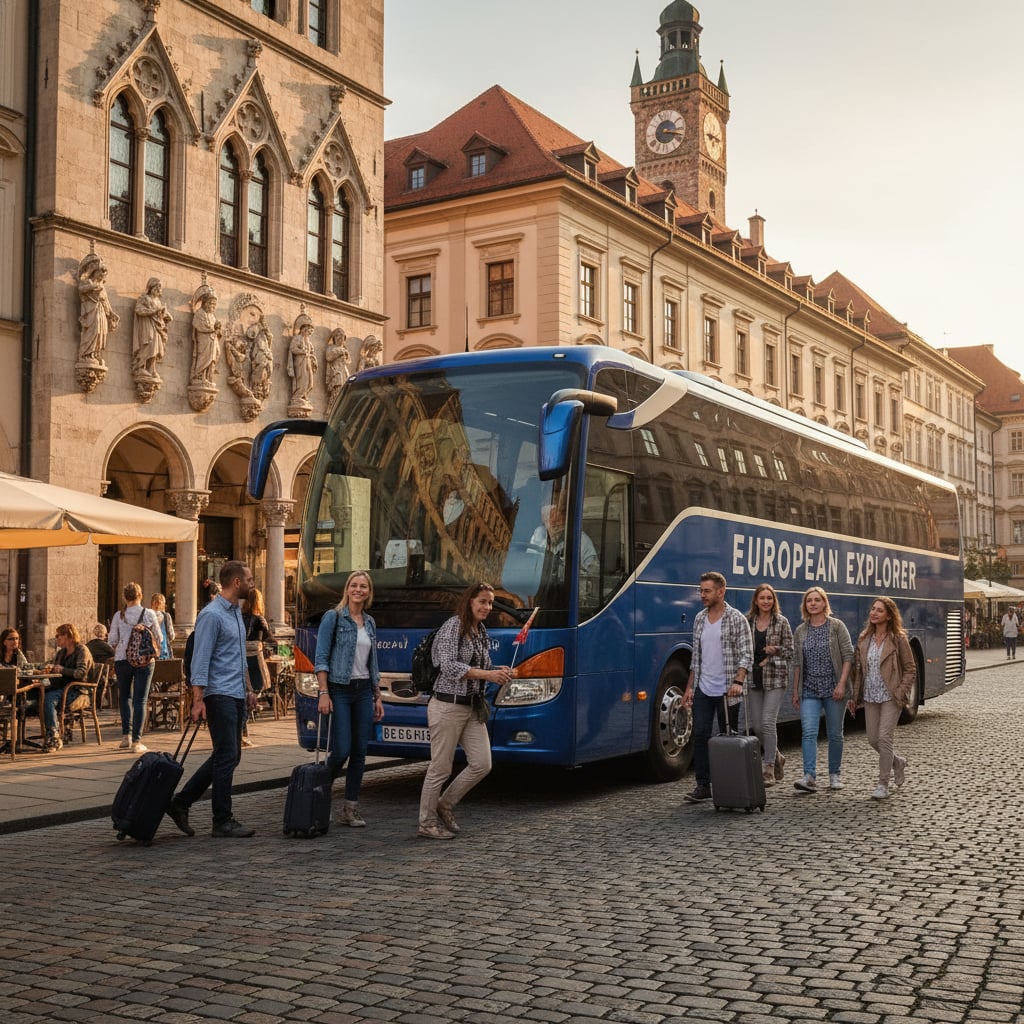
Group coach tours have dominated Asian outbound travel to Europe for decades, representing the traditional and still most popular European travel format for first-time visitors from China, Southeast Asia, and many other Asian markets. Understanding why group tours maintain this strong position while recognizing the growing independent travel segment allows travel agents to design optimal product portfolios that serve diverse client needs while maximizing profitability and operational efficiency.
The preference for group travel among Asian tourists reflects cultural values, practical considerations, and risk management factors that differ significantly from Western travelers' traditional independence-seeking approach. Chinese culture particularly emphasizes collective experiences and group belonging, making group travel feel natural and comfortable rather than constraining. Language barriers, unfamiliarity with European geography and transportation, safety concerns, and cost efficiency all reinforce group tour appeal for Asian travelers, especially first-timers.
However, the independent travel segment has grown rapidly among younger Asian travelers, repeat visitors, honeymooners, and affluent tourists seeking personalized experiences and schedule flexibility. These travelers possess higher English proficiency, greater comfort with technology and self-service booking platforms, desire for authentic local experiences beyond tourist highlights, and willingness to pay premiums for customization and flexibility. Successful travel agencies serve both segments with appropriate products and positioning strategies.
Group Coach Tour Economics and Profitability
Group coach tours deliver attractive economics through economies of scale that allow competitive pricing while maintaining healthy profit margins. Fixed costs including coach rental, driver fees, tour guide salaries, and group attraction entries spread across 20-40 participants create per-person costs far lower than equivalent independent travel expenses. This cost efficiency enables budget-friendly package pricing that makes European travel accessible to middle-class Asian families while still generating acceptable agency profits.
Typical commission structures on group tours range 10-15% of total package price for retail agents partnering with tour operators, or 20-35% gross margins for agencies operating their own group departures. While percentage margins may appear modest compared to independent travel packages often carrying 25-40% margins, the higher volume throughput and operational efficiency of group tours can generate superior absolute profit dollars and business stability.
Group tours also generate additional revenue through optional excursions, shopping commissions, travel insurance markups, visa processing fees, and ancillary services that supplement base package profits. Many Asian group tours include commission-generating shopping stops where agencies earn 5-10% of customer purchases—a practice controversial in Western markets but widely accepted and expected in Asian tourism where shopping represents a primary travel motivation.
The predictable, repeatable nature of group tours allows operational efficiency that reduces agency overhead and staffing requirements compared to customized independent packages requiring extensive individual planning and communication. Standardized itineraries, established supplier relationships, proven logistics, and repetitive booking processes allow agencies to process higher customer volumes with lower per-booking labor costs, improving overall profitability even if per-booking margins are moderate.
Group Tour Appeal Factors for Asian Travelers
Language support represents the single most important group tour benefit for many Asian travelers, particularly those with limited English proficiency. Mandarin, Korean, Japanese, or other native-language-speaking tour guides eliminate communication anxiety, facilitate cultural understanding, provide essential navigation assistance, and create comfortable social environments where travelers can fully relax and enjoy experiences without constant language stress.
Comprehensive service and hassle-free logistics attract Asian travelers valuing convenience and stress reduction over independence. Group tours handle all accommodation bookings, transportation arrangements, restaurant reservations, attraction entries, and itinerary timing, allowing participants to simply follow the guide without planning, navigating, or making decisions. This turn-key approach particularly appeals to older travelers, those with limited travel experience, and families with children where simplified logistics significantly reduce travel stress.
Safety and security concerns that particularly affect solo travelers, female tourists, and families with children diminish significantly in group settings. The presence of professional guides, the security of traveling with others, the reduced risk of getting lost or encountering problems, and the support network available if issues arise create peace of mind that many Asian travelers highly value, sometimes even more than independence or customization.
Cost efficiency makes group tours accessible to budget-conscious travelers unable or unwilling to pay premium independent travel costs. The economies of scale discussed earlier translate into package prices often 30-50% lower than equivalent independent itineraries, bringing European travel within reach for middle-class Asian families who comprise the largest potential customer base for outbound travel businesses.
Social experience and group camaraderie appeal to travelers enjoying shared experiences, new friendships, and collective memories. Many Asian group tour participants form lasting friendships with fellow travelers, creating positive emotional associations that enhance overall trip satisfaction and generate word-of-mouth referrals. The built-in social structure proves particularly valuable for solo travelers who want travel companionship without traveling alone.
Independent Travel Economics and Positioning
Independent travel packages command premium pricing reflecting customization, flexibility, and personalized service that differentiate them from standardized group products. While the higher prices limit market size compared to budget group tours, independent packages target affluent demographics willing to pay 50-100% premiums or more for superior experiences tailored to their specific preferences, schedules, and interests.
Profit margins on independent packages typically range 25-40% depending on customization levels, supplier relationships, and service components. The higher margins reflect both the premium pricing and the actual higher costs associated with individual arrangements lacking group economies of scale. However, the absolute profit dollars per booking often exceed group tour profits despite lower customer volumes, making independent packages highly attractive for agencies capable of serving this demanding segment effectively.
Independent travel requires significantly higher labor investment per booking compared to group tours. Customization consultations, personalized itinerary design, individual accommodation and activity bookings, visa support for specific itineraries, and ongoing communication throughout the planning and travel phases consume substantial staff time. Agencies must factor these labor costs into pricing and possess skilled staff capable of delivering the expertise and service quality independent travelers expect.
The independent segment supports ancillary revenue opportunities including premium accommodation upgrades, private guided tours, special experiences (hot air balloons, cooking classes, wine tastings), luxury transportation, and white-glove concierge services. These high-value add-ons generate incremental revenue while enhancing the customized experience that independent travelers specifically seek and willingly pay for.
Independent Travel Appeal for Asian Markets
Flexibility and schedule control attract travelers who want to set their own pace, spend extended time at preferred attractions, skip activities that don't interest them, and adapt plans based on weather, energy levels, or spontaneous interests. Honeymooners particularly value this flexibility to create romantic experiences without group constraints or rigid schedules dictated by tour operators.
Authentic local experiences and cultural immersion appeal to sophisticated travelers seeking depth over breadth, wanting to experience neighborhoods beyond tourist zones, dine at local restaurants rather than tour group venues, interact with residents, and develop genuine cultural understanding. These travelers often possess higher education levels, international experience, and cross-cultural curiosity that group tours' efficiency-focused programming doesn't fully satisfy.
Privacy and intimacy matter tremendously to honeymooners, anniversary celebrants, and affluent couples seeking romantic European getaways without the presence of 30 other tourists. Private guided tours, exclusive experiences, boutique hotels, and intimate dining create the special atmosphere these travelers want and willingly pay premiums to obtain.
Status and exclusivity factor into purchasing decisions for affluent Asian travelers using travel experiences as markers of social status and sophistication. Independent custom itineraries, five-star accommodations, private guides, and unique experiences convey higher status than group tours, appealing to luxury market segments where social positioning influences consumption decisions significantly.
Repeat visitor needs differ fundamentally from first-timers who benefit most from comprehensive group tour coverage of major highlights. Travelers making second, third, or fourth visits to Europe want to explore specific regions deeply, revisit favorite destinations, discover hidden gems, and enjoy familiar places at relaxed paces—all preferences better served by independent travel than standardized group itineraries.
Demographic and Psychographic Segmentation
First-time European travelers represent the core group tour demographic, particularly middle-aged and older adults, families with school-age children, and budget-conscious tourists seeking maximum attractions for minimum expense. These travelers prioritize comprehensive coverage of famous landmarks, efficient use of limited vacation time, cost control, and the security of professional guidance in unfamiliar environments. Group tours perfectly address these needs while delivering profitable business volumes.
Honeymooners and couples typically prefer independent packages providing romantic atmosphere, flexible schedules, privacy, and special experiences without group constraints. While some budget-conscious honeymooners accept group tours for cost reasons, most couples view honeymoons as once-in-a-lifetime experiences justifying premium spending for customized romantic itineraries. This segment delivers high-margin business with strong referral potential as satisfied honeymooners recommend your services to friends entering similar life stages.
Affluent travelers and luxury seekers almost universally prefer independent arrangements providing personalization, exclusivity, premium accommodations, private guides, and unique experiences unavailable in standard group programs. This small but highly profitable segment demands sophisticated service, destination expertise, and access to premium suppliers—capabilities that create competitive barriers protecting margins and client relationships.
Young professionals and millennials increasingly prefer independent travel allowing flexibility, authentic experiences, technology integration, and self-directed exploration. This growing demographic possesses higher English proficiency, comfort with digital booking tools, desire for unique experiences worth sharing on social media, and budget constraints that make DIY planning appealing despite lacking group tour economies. However, they will pay for strategic agent services filling specific needs—visa support, accommodation selections in safe neighborhoods, must-see attraction guidance, emergency support—even while booking many elements independently.
Repeat visitors having completed standard group tours previously seek deeper exploration of specific regions, slower-paced travel, specialized interests (wine tours, cooking classes, photography workshops), and authentic local experiences. Independent packages serve these travelers well, though specialized group tours focusing on specific themes or regions can also succeed with this demographic if they offer genuine expertise and access beyond standard tourist programming.
Hybrid Models and Product Portfolio Strategies
Small group tours (8-15 participants) split the difference between traditional large coach tours and fully independent travel, providing more personalized attention, greater flexibility, boutique accommodations unavailable to large groups, and more authentic experiences while retaining professional guidance, simplified logistics, and social benefits. These tours command premium pricing above large groups but below fully customized independent packages, targeting travelers seeking balance between economies and exclusivity.
Semi-independent packages provide basic infrastructure—flights, hotels, some transfers—while leaving daily activities and dining to travelers' discretion. This approach suits experienced travelers comfortable navigating independently but wanting professional assistance with complex bookings and logistics. Pricing sits between group tours and fully customized packages, with moderate margins but lower labor intensity than complete custom planning.
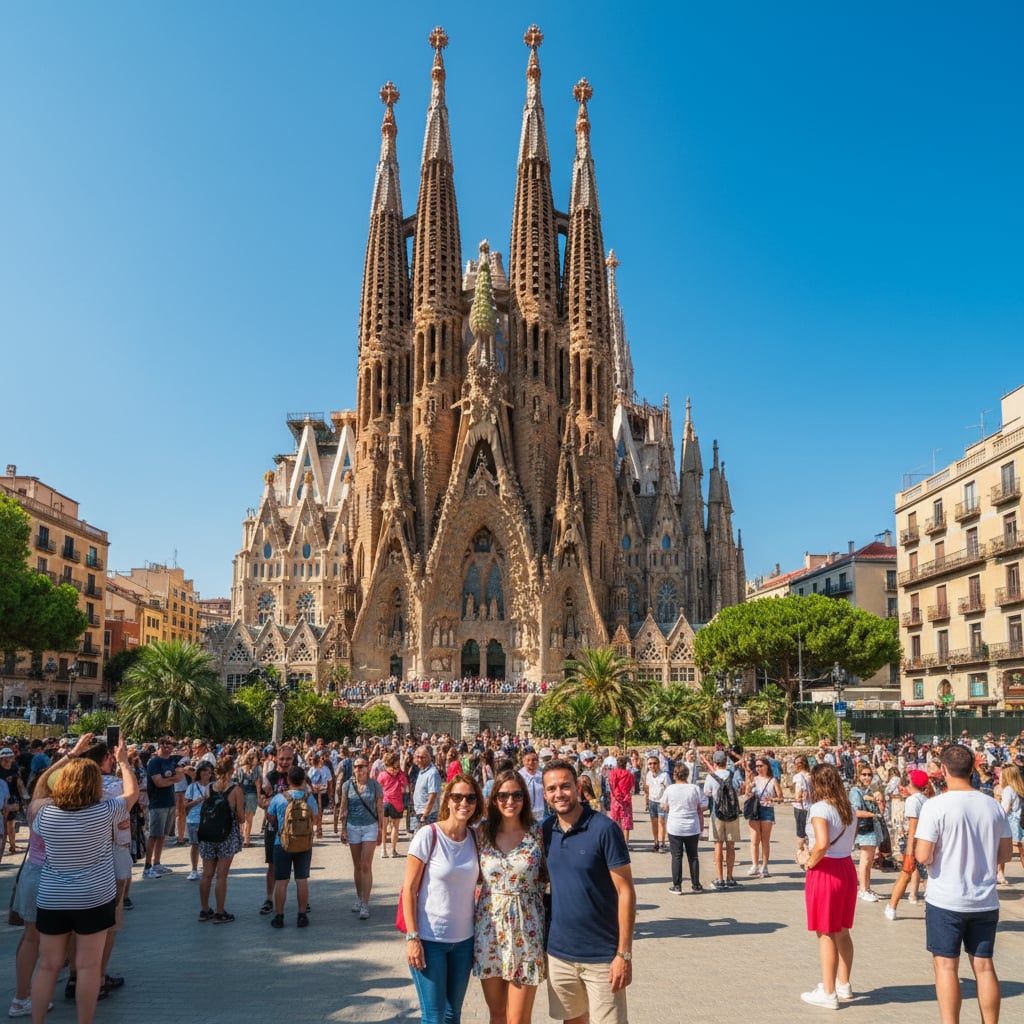
Group tours with independent extensions allow travelers to enjoy group tour economies for major destinations while adding independent days in preferred locations. For example, a 10-day Europe group tour might include optional 3-day independent extensions in Paris, Rome, or Barcelona for travelers wanting extra time in specific cities. This model maximizes flexibility while maintaining operational efficiency and appealing to diverse preferences within the same core customer base.
Portfolio diversification across group tours, independent packages, and hybrid products allows agencies to serve multiple market segments, capture broader customer bases, reduce dependence on single product types, and provide upgrade paths as customers' experience levels and budgets evolve. Successful agencies typically offer 60-70% group departures providing volume and stability, 20-30% independent packages generating high margins and serving affluent clients, and 10% hybrid products for middle-market customers seeking balance between the extremes.
Operational Considerations and Resource Requirements
Group tour operations require minimum viable group sizes (typically 15-20 participants) to achieve economic sustainability, demanding strong marketing to fill departures consistently and strategic scheduling to consolidate demand. Agencies must manage cancellation risks when bookings fall short of minimums, often requiring deposit forfeitures or last-minute scrambling to combine groups or cancel departures—both resulting in customer dissatisfaction and revenue losses.
Independent travel operations require different skill sets emphasizing personalized consultation, creative itinerary design, supplier relationship management for individual bookings, and attentive customer service throughout the travel planning and execution process. Staff serving independent travelers need deeper destination knowledge, stronger communication skills, patience for extensive customization discussions, and ability to manage client expectations effectively.
Technology and systems requirements differ significantly between group and independent operations. Group tour businesses benefit from departure management systems tracking booking status across multiple departures, automated passenger manifests, group documentation generators, and supplier payment scheduling. Independent travel operations need CRM systems managing complex client communications, proposal generation tools creating professional customized itineraries, and flexible booking engines accommodating diverse supplier inventories.
Supplier relationships for group tours emphasize volume commitments, contracted pricing, dedicated group handling capabilities, and operational reliability across multiple departures. Independent travel requires broader supplier networks offering variety and flexibility, willingness to handle individual FIT bookings, competitive pricing for non-group business, and quality standards meeting sophisticated travelers' expectations.
Marketing and Sales Strategies by Product Type
Group tour marketing emphasizes value pricing, comprehensive inclusions, scheduled departure convenience, language support, and social benefits. Effective channels include group presentations at community centers and clubs, senior organizations, print advertising in ethnic newspapers, WeChat group promotions, and travel fairs targeting Asian communities. Testimonials from previous group participants and photo albums showing group experiences create social proof that drives bookings.
Independent travel marketing focuses on customization, exclusive experiences, flexibility, luxury, and expert destination knowledge. Digital marketing through social media, content marketing demonstrating expertise, email campaigns to existing customer bases, and partnerships with wedding planners (for honeymoon business) work effectively. Case studies showing specific customized itineraries, client testimonials emphasizing personalization, and imagery highlighting romantic and luxurious experiences resonate with this segment.
Sales processes for group tours prioritize efficiency, standardized information delivery, clear departure schedules and pricing, simplified decision-making, and group enrollment momentum building. The sales cycle tends to be shorter with less customization discussion, allowing higher sales staff productivity though lower per-booking revenues.
Independent travel sales require consultative approaches emphasizing discovery of client preferences, expert recommendations, creative problem-solving, and relationship building. Sales cycles extend longer with multiple touchpoints, revision rounds, and detailed communications before booking confirmation. However, the higher transaction values and potential for repeat business and referrals justify the investment in relationship-focused selling.
Future Trends and Market Evolution
The Asian outbound travel market continues evolving toward greater independent travel adoption as travelers gain experience, English proficiency improves, technology enables easier self-service planning, and cultural values shift toward individualism especially among younger demographics. However, group tours will remain important particularly for first-time visitors, older travelers, and budget-conscious segments, ensuring both product types maintain viability long-term.
Customization within group tours represents an emerging trend where operators offer multiple activity options during free time, flexible meal arrangements allowing independent dining, and add-on experiences catering to specific interests. This "mass customization" approach attempts to deliver some independent travel benefits while maintaining group tour economics—an attractive middle ground for many travelers.
Technology integration including mobile apps providing real-time updates, digital travel documents, translation tools, and emergency assistance enhance both group and independent travel experiences while reducing operational costs through automation and self-service. Progressive agencies investing in technology solutions create competitive advantages through superior customer experience and operational efficiency.
Sustainable and responsible travel considerations increasingly influence Asian travelers' destination and supplier choices, creating opportunities for agencies offering eco-friendly accommodations, small-group tours with lower environmental impact, meaningful local community engagement, and transparent sustainability practices. This trend affects both group and independent segments but particularly resonates with educated younger travelers.
Ready to optimize your European tour product portfolio for Asian markets? Visit DMC Quote to connect with European DMCs supporting both group series and FIT operations, access diverse accommodation inventories, and explore comprehensive tour options for every market segment. Register today to access competitive group rates and FIT pricing that maximize your profitability across all product types.