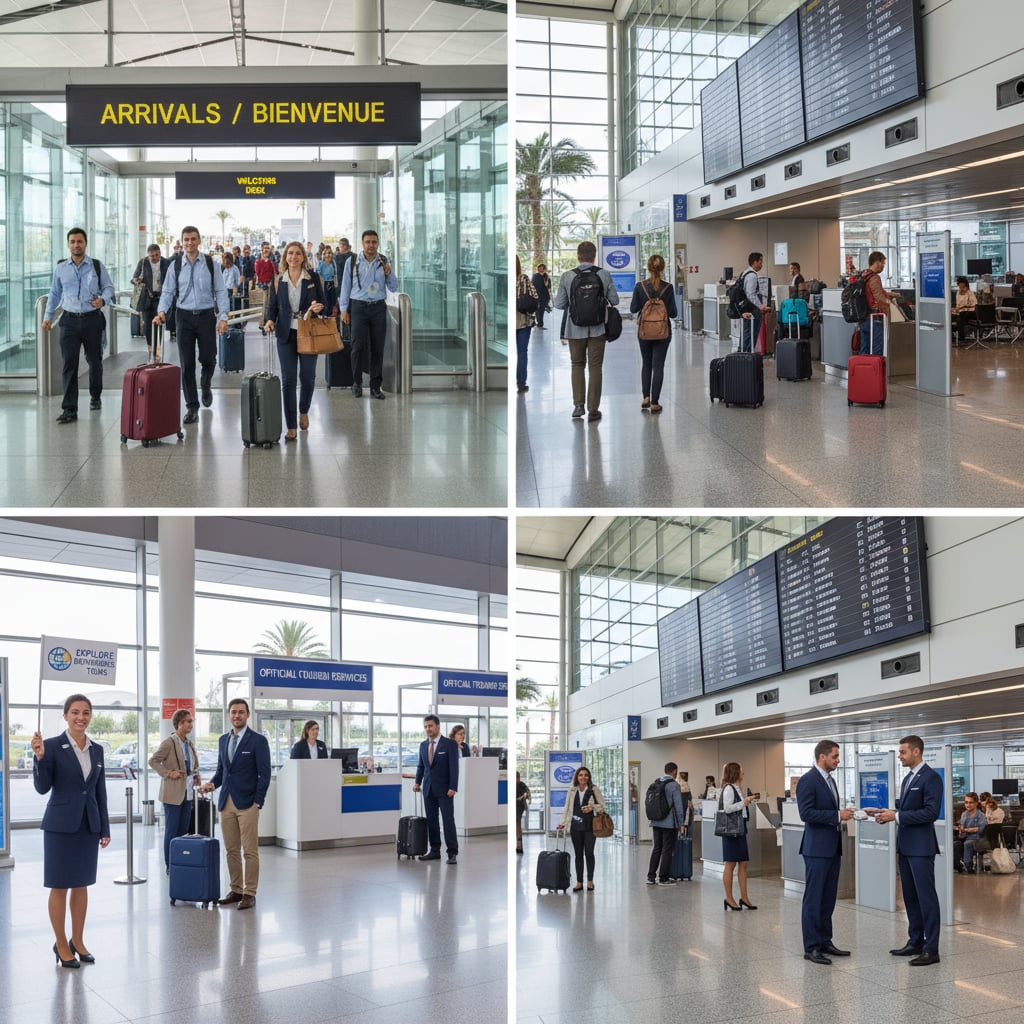
The terms "inbound" and "outbound" get used loosely in the travel industry, often causing confusion. Let me clarify exactly what they mean in the DMC context and why it matters for your business.
Defining the Terms
Inbound DMC Services
Definition: Services provided to visitors coming INTO a destination.
A Singapore-based DMC handling international tourists visiting Singapore is providing inbound services. They receive travelers coming to their home destination.
Characteristics:
- Based IN the destination
- Expert in that local market
- Services visitors FROM other countries
- Focus: ground handling, local experiences
- Example: Singapore DMC serving US travel agents booking Singapore trips
Outbound Tour Operations
Definition: Services for residents leaving their home country to travel elsewhere.
A US-based tour operator sending American tourists to Europe is providing outbound services.
Characteristics:
- Based in source market
- Expert in traveler preferences from that market
- Sends clients TO other destinations
- Focus: packaging, flights, marketing
- Example: American tour operator creating Italy packages for US clients
Key Operational Differences
| Aspect | Inbound DMC | Outbound Operator |
|---|---|---|
| Location | Destination country | Source country |
| Staff | Local nationals | Source market nationals |
| Expertise | Destination knowledge | Source market knowledge |
| Services | Ground handling only | Full packages incl. flights |
| Marketing | B2B to foreign agents | B2C to local consumers |
| Language | Destination + English | Source market language |
Why the Distinction Matters
For Travel Agents
Working with Inbound DMCs:
- You get authentic local expertise
- On-ground problem solving capability
- Direct supplier relationships in destination
- 24/7 local support for your clients
- Cultural and language bridges
Working with Outbound Operators:
- You get packaged, ready-to-sell products
- Same language and business practices
- Simplified booking process
- Marketing support and materials
- Flight inclusion convenience
Different Use Cases
Use Inbound DMCs when:
- You need custom itineraries
- Clients want unique local experiences
- You're booking ground-only (clients have own flights)
- You want maximum control over components
- Clients need extensive on-ground support
Use Outbound Operators when:
- Clients want simple, packaged solutions
- Flights need to be included
- You prefer turnkey products
- Marketing support is valuable
- Group departures work for your clients
Inbound DMC Business Model
Revenue Sources
Inbound DMCs earn from:
- Markup on supplier net rates
- Service fees for handling
- Commissions from hotels/suppliers
- Management fees for complex programs
Client Types
- Foreign travel agents
- Outbound tour operators from other countries
- Corporate travel managers
- Event planners and MICE buyers
- Wholesalers and consolidators
Geographic Focus
Inbound DMCs typically specialize:
- Single country: Deep expertise in one destination
- Regional: Multiple countries in one region (Southeast Asia, for example)
- Rarely global – strength is local depth, not breadth
Real-World Examples
Scenario: American Family Going to Thailand
Inbound DMC Approach:
- Bangkok-based DMC handles ground services
- Books Thailand hotels, tours, transfers
- Provides English-speaking guides who live in Thailand
- 24/7 support from Bangkok office
- Agent books flights separately
Outbound Operator Approach:
- US-based operator packages complete trip
- Includes US-Thailand flights
- May use a Thailand DMC behind the scenes
- Marketing and sales in US
- Support from US office (routing to Thailand as needed)
Working Effectively with Inbound DMCs
Communication Best Practices
- Time zones: Expect different working hours
- Language: English proficiency varies; be clear and concise
- Cultural differences: Business etiquette may differ
- Response times: Factor in time zone delays
Setting Expectations
Inbound DMCs excel at:
- Customization and flexibility
- Local knowledge and insider access
- On-ground logistics and support
- Problem-solving with local resources
They typically don't provide:
- Flight booking and ticketing
- Travel insurance (though they may recommend)
- Visa assistance beyond invitation letters
- Consumer marketing materials
Multi-Destination Considerations
Regional Inbound DMCs
Some DMCs handle multiple countries in a region:
DMC Quote, for example, provides inbound services across:
Advantages:
- Single point of contact for multi-country trips
- Consistent service standards
- Simplified billing and communication
- Coordinated logistics across borders
When to Use Multiple DMCs
For destinations outside their expertise:
- Use specialized DMCs in each region
- Accept additional coordination effort
- Benefit from best-in-class local knowledge
Pricing Models
Inbound DMC Pricing
- Net rates (supplier cost + DMC margin)
- You add your markup
- Transparent component pricing
- Flexibility to build custom packages
Outbound Operator Pricing
- Package pricing (all-inclusive per person)
- Commission paid to you (10-15% typically)
- Less pricing transparency
- Limited margin manipulation
Quality Control Differences
Inbound DMC QC
- Daily operational oversight
- Direct supplier relationships
- Immediate issue response
- Regular site inspections
- Local staff quality monitoring
Outbound Operator QC
- Periodic destination visits
- Reliance on DMC partners
- Customer feedback monitoring
- Brand consistency focus
Technology Implications
Inbound DMC Tech Needs
- Supplier inventory management
- Booking and voucher systems
- Operations and logistics tools
- Multi-language capabilities
- Agent portal for B2B bookings
Outbound Operator Tech Needs
- Consumer booking engines
- Flight booking integration
- Marketing automation
- Payment processing
- CRM for client management
Choosing Your Partner Mix
For Growing Agencies
Start with:
- 1-2 outbound operators for main markets (easy, turnkey)
- 1 regional inbound DMC for customization capability
Scale to:
- 2-3 inbound DMCs for core destinations
- Selective outbound operators for niche products
For Established Agencies
- Primarily inbound DMC relationships (higher margins, more control)
- Outbound operators for specific niches only
- Build deep partnerships with 3-5 key inbound DMCs
Future Trends
Blurring Lines
The distinction is getting less clear:
- Inbound DMCs creating packaged products
- Outbound operators opening destination offices
- Technology enabling both models from one platform
- Hybrid companies offering both services
Conclusion
Understanding inbound vs. outbound isn't just semantics – it fundamentally shapes how you work with partners, what you can expect, and which model suits different client needs.
Inbound DMCs bring authentic destination expertise and operational excellence. Outbound operators provide packaged convenience and market-specific understanding. Smart agencies use both strategically.
Ready to work with a professional inbound DMC for Asian destinations? Partner with DMC Quote for expert ground handling across Singapore, Malaysia, Thailand, and more. Explore our complete service range and experience the inbound DMC advantage.