The Nordic Appeal: Why Asian Travelers Are Discovering Scandinavia
The Nordic countries—Norway, Sweden, Denmark, Finland, and Iceland—represent an emerging European destination segment experiencing rapid growth in Asian visitor numbers, driven by dramatic natural scenery, unique cultural experiences, safety and cleanliness, innovative design culture, and the magical allure of the Northern Lights. While traditional European destinations like France, Italy, and Switzerland continue dominating Asian outbound travel, Nordic countries attract increasingly sophisticated travelers seeking distinctive experiences beyond the standard European tour circuit.
Several factors drive growing Nordic interest among Asian markets. Popular culture including Korean dramas filmed in Iceland, Japanese fascination with Nordic design and minimalism, Chinese interest in pristine natural environments contrasting with urban pollution, and social media-driven awareness of Northern Lights and dramatic Nordic landscapes all contribute to rising demand. Additionally, many Asian travelers view Nordic countries as "bucket list" destinations best visited while relatively young and physically active to fully enjoy outdoor activities and challenging climate conditions.
For travel agents, Nordic destinations offer differentiation opportunities, premium pricing potential reflecting higher destination costs, appeal to affluent and sophisticated traveler segments, and growing awareness that simplifies marketing education compared to truly obscure destinations. Successfully designing Nordic packages requires understanding seasonal considerations, unique attraction types, cost management strategies, and positioning approaches that communicate value despite premium pricing.
Norway: Fjords and Northern Lights
Norway ranks as the most popular Nordic country among Asian travelers, driven primarily by the spectacular fjord scenery and Northern Lights viewing opportunities that deliver the dramatic natural beauty Asian markets increasingly prioritize. Bergen and the fjords, Tromsø for Northern Lights, Oslo for urban culture, and summer midnight sun experiences create diverse programming options appealing to different seasons and traveler interests.
Bergen serves as the gateway to Norwegian fjords, with the historic Bryggen wharf, Fløyen funicular mountain views, and access to fjord cruises and rail journeys. The Norway in a Nutshell route combining Bergen-Flåm by scenic railway, Aurlandsfjord cruise, and stunning mountain scenery represents Norway's signature experience, delivering UNESCO-protected fjord landscapes in a convenient day trip format perfect for Asian tour itineraries. Summer visits offer the best weather and longest daylight, while shoulder seasons provide fewer crowds and dramatic autumn colors or snow-dusted landscapes.
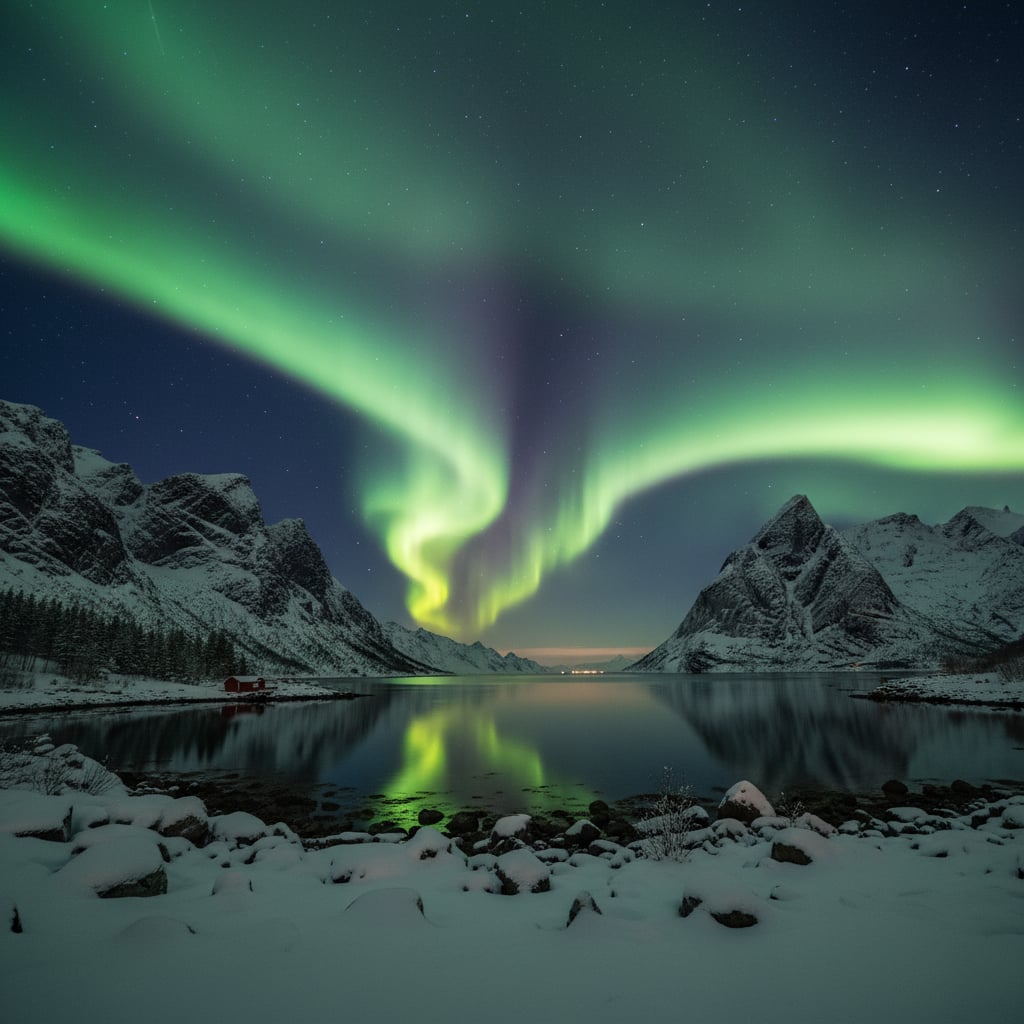
Tromsø in Arctic Norway provides the world's most accessible Northern Lights viewing for Asian travelers, combining high aurora viewing probability, relatively easy access via direct flights from Oslo, English-speaking tourism infrastructure, and diverse winter activities including dog sledding, snowmobiling, and Sami cultural experiences. Peak Northern Lights season runs November through March with December-January offering the darkest conditions but also the coldest temperatures and shortest daylight hours. February-March provides better balance of aurora viewing, increasing daylight, and slightly milder conditions.
Oslo combines Scandinavian urban culture, Viking Ship Museum, Vigeland Sculpture Park, modern architecture, and serves as the transportation hub connecting Bergen and Tromsø. Allow 1-2 days for Oslo highlights when combined with fjords and Northern Lights into comprehensive Norway packages. The city's manageable size, excellent public transportation, and compact attraction concentration make it easy to explore efficiently.
Pricing for Norway packages reflects the country's extremely high cost structure—among the world's most expensive destinations. A basic 7-day Norway package including Oslo, Bergen, fjords, and basic accommodations typically ranges USD 2,500-3,500 per person. Northern Lights additions in Tromsø add USD 1,000-1,500 per person for 2-3 days including flights, Arctic accommodation, and aurora activities. Premium packages with better hotels and private experiences command USD 5,000-8,000+ per person for comprehensive Norway programs.
Iceland: Fire, Ice, and Northern Lights
Iceland has exploded in popularity among Asian travelers over the past decade, driven by dramatic volcanic landscapes, accessibility (direct flights from major Asian hubs), compact geography allowing comprehensive touring in limited time, and unique experiences including glacier hiking, geothermal lagoons, and Northern Lights. The country particularly appeals to younger Chinese and Korean travelers influenced by social media imagery and celebrity travel shows featuring Iceland's otherworldly landscapes.
The Golden Circle represents Iceland's signature day trip from Reykjavik, visiting Þingvellir National Park (tectonic plate rift valley), Geysir geothermal area with active erupting geysers, and Gullfoss waterfall. This half-day excursion covers Iceland's most famous natural attractions efficiently, making it essential in all Iceland itineraries. Southern coast tours adding black sand beaches, Seljalandsfoss and Skógafoss waterfalls, and glacier views provide full-day extensions showing diverse Icelandic landscapes.
Blue Lagoon geothermal spa offers the most famous Icelandic tourism experience—bathing in milky-blue mineral-rich waters surrounded by volcanic landscape. While somewhat touristy and expensive (EUR 80-100 per person), the experience delivers unique Iceland ambiance that Asian travelers specifically request and expect. Book well in advance during peak seasons as daily visitor quotas sell out quickly.
Northern Lights viewing from September through March provides Iceland's winter travel motivation, with Reykjavik's proximity to dark areas allowing convenient aurora tours without traveling to remote regions. However, Iceland's weather volatility creates viewing unpredictability—cloudy conditions frequently obscure auroras even when geomagnetic activity is strong. Set realistic expectations and recommend minimum 3-night stays improving weather luck across multiple viewing opportunities.
Jökulsárlón Glacier Lagoon in southeast Iceland showcases icebergs calving from Vatnajökull glacier floating in a dramatic lagoon before washing onto black sand Diamond Beach. This spectacular location requires full-day round trips from Reykjavik (approximately 5-6 hours each direction) but delivers some of Iceland's most stunning photography opportunities. Consider multi-day ring road itineraries allowing overnight stays near Jökulsárlón to reduce driving fatigue and allow more location time.
Iceland package pricing reflects high domestic costs though competition among accommodations and tour operators has moderated somewhat. Basic 5-day Iceland packages with Reykjavik accommodation, Golden Circle, Blue Lagoon, and basic Northern Lights tour range USD 1,800-2,600 per person. Extended ring road tours covering 7-10 days with comprehensive landscape touring command USD 3,000-4,500+ per person depending on accommodation standards and activity inclusions.
Sweden: Design, Culture, and Archipelago Beauty
Sweden attracts Asian travelers interested in Scandinavian design culture, clean Nordic aesthetics, safety and livability, and beautiful archipelago landscapes, though visitor numbers trail Norway and Iceland. Stockholm serves as the primary destination, with potential extensions to Gothenburg, Swedish Lapland for Northern Lights and ice hotel experiences, and summer countryside touring.
Stockholm spans 14 islands connected by bridges, combining beautiful waterfront scenery, well-preserved Gamla Stan medieval old town, world-class museums including Vasa Museum (preserved 17th-century warship) and ABBA Museum, and Scandinavian design shopping. Allow 2-3 days for comprehensive Stockholm exploration including old town walking tours, museum visits, and archipelago boat excursions.
Icehotel in Swedish Lapland (Jukkasjärvi) provides unique overnight experiences in rooms carved entirely from ice and snow, appealing to adventurous Asian travelers seeking unusual bucket-list experiences. While expensive (approximately EUR 400-800 per room for ice room accommodation) and cold (sleeping in thermal sleeping bags at -5 to -8°C), the experience delivers unforgettable memories and exceptional social media content. Position as once-in-a-lifetime splurge experience for couples and adventurers.
Swedish archipelago summer cruises from Stockholm through thousands of islands provide peaceful natural beauty, traditional red cottage scenery, and relaxed Nordic atmosphere contrasting with urban Stockholm. These experiences appeal particularly to Japanese and Korean travelers appreciating Nordic aesthetics and seeking calm, restorative travel experiences.
Denmark: Compact Nordic Culture
Copenhagen dominates Danish tourism, offering compact walkable historic center, famous Little Mermaid statue, Tivoli Gardens amusement park, colorful Nyhavn harbor, and Danish design shopping. The city's small size allows comprehensive exploration in 1-2 days, making Copenhagen an excellent addition to broader Scandinavian itineraries or German/Northern European tours.
Danish design and hygge culture appeal to Asian markets interested in Nordic minimalism, home design, and lifestyle trends. Shopping for Danish furniture, home accessories, and design products attracts affluent Asian visitors, while hygge (cozy contentment) philosophy resonates particularly with Japanese and Korean travelers seeking calm, mindful experiences.
Finland: Arctic Experiences and Design
Finland attracts Asian winter travelers seeking Northern Lights, husky sledding, reindeer experiences, and unique Arctic activities in Finnish Lapland. Rovaniemi (Arctic Circle, Santa Claus Village) and Saariselkä (remote wilderness aurora viewing) provide accessible Arctic experiences with growing Chinese visitor numbers driven by direct flight connections and targeted marketing.
Helsinki offers compact Nordic capital exploration, beautiful harbor scenery, design district shopping, and ferry connections to Tallinn, Estonia for Baltic extensions. Summer visits provide endless daylight, outdoor festivals, and pleasant temperatures, while winter brings Christmas markets and winter sports access.
Seasonal Considerations and Timing Strategy
Summer (June-August) provides the most comfortable weather, longest daylight hours (including midnight sun in northern regions), optimal conditions for fjord cruising and outdoor activities, and peak wildflower displays. However, summer brings maximum crowds, highest accommodation rates (often 50-100% above shoulder seasons), and attraction booking challenges. Asian family travel driven by school holidays concentrates demand during July-August despite premium pricing.
Winter (November-March) offers Northern Lights viewing, snow-covered landscapes, Arctic activities, and magical Christmas season atmosphere. However, extremely short daylight hours (only 3-4 hours in northern regions during December-January), very cold temperatures challenging travelers from temperate Asian climates, and limited accessibility to some attractions require careful client preparation and realistic expectation setting.
Shoulder seasons (April-May, September-October) provide the best value and experience balance with moderate weather, smaller crowds, reasonable accommodation rates, and sufficient daylight for comfortable sightseeing. Autumn brings stunning foliage colors and early Northern Lights season beginning, while late spring offers lengthening days and nature awakening after winter without peak summer crowds.
Package Design and Itinerary Strategies
Single-country focus packages work well for Norway (Oslo-Bergen-Fjords or Oslo-Tromsø Northern Lights) and Iceland (ring road or Reykjavik-based tours) where each country offers sufficient attractions and experiences to justify 5-8 day dedicated programs. These focused itineraries allow deeper exploration and more relaxed pacing compared to multi-country racing.
Multi-country Nordic combinations efficiently showcase regional diversity within 10-14 day programs. Popular combinations include Norway-Sweden-Denmark (Oslo-Bergen-Stockholm-Copenhagen) using efficient Scandinavian rail and ferry connections, or Iceland-Norway pairing offering contrasting volcanic and fjord landscapes. However, distances and transportation times require careful planning to avoid exhausting travel days that undermine enjoyment.
Nordic-Baltic combinations extend Nordic tours into Estonia, Latvia, and Lithuania, providing cultural variety and cost balance where lower-cost Baltic countries offset expensive Nordic segments. Ferry connections between Stockholm-Tallinn and Helsinki-Tallinn facilitate these routings naturally. This approach appeals to budget-conscious travelers wanting Nordic experiences without exclusively high-cost Nordic accommodation and dining throughout their trips.
Northern Lights specialty tours focusing exclusively on optimal aurora viewing in Tromsø, Icelandic countryside, or Finnish Lapland appeal to travelers willing to accept limited destination breadth in exchange for maximizing Northern Lights probability and Arctic experience depth. These programs typically run 4-5 days with multiple viewing opportunities, Arctic activities, and indigenous cultural experiences.
Managing High Costs and Value Perception
Nordic destinations rank among the world's most expensive, with Norway, Iceland, and Denmark all featuring in global top-ten cost rankings. Accommodation, dining, transportation, and activities all command premium pricing that shocks budget-conscious Asian travelers accustomed to cost-efficient Asian or even mainstream European destinations. Successfully selling Nordic packages requires transparent cost communication, value demonstration, and strategic cost management without sacrificing experience quality.
Accommodation costs in Nordic countries often exceed EUR 100-150 per night even for basic 3-star properties, with 4-star hotels commanding EUR 200-300+ and luxury properties reaching EUR 400-600+ per night. Utilize Scandinavian hotel chains like Scandic, Clarion, and Radisson Blu offering consistent quality across countries and leveraging chain booking discounts. Consider apartment hotels for families where in-room kitchens allow cost-saving meal preparation offsetting higher nightly rates.
Dining expenses accumulate quickly with restaurant meals costing EUR 15-25+ for fast casual and EUR 40-80+ per person for mid-range dinner service. Include breakfast (typically included in Nordic hotel rates) and recommend grocery shopping for lunches or simple dinners to control costs without sacrificing experience quality. Frame this as authentic Nordic cultural practice rather than budget necessity—locals commonly prepare simple meals at home and reserve restaurant dining for special occasions.
Transportation costs particularly in Norway (expensive ferries and trains) and Iceland (car rental and fuel) require careful planning and transparent budgeting. Rail passes like Scandinavia Pass provide value for multi-country itineraries but require advance purchase and route planning. In Iceland, group coach tours often cost less than car rental once fuel, insurance, and parking are factored, plus they eliminate navigation stress and driving anxiety on challenging roads.
Unique Selling Points and Market Positioning
Position Nordic destinations as premium bucket-list experiences justifying higher costs through unique attractions unavailable elsewhere: Northern Lights in dramatic settings, UNESCO-protected Norwegian fjords, Icelandic volcanic landscapes, authentic Santa Claus village in Finnish Lapland, and Scandinavian design and lifestyle culture. Frame pricing as investment in once-in-a-lifetime experiences rather than expensive routine travel.
Emphasize safety, cleanliness, organization, and hassle-free travel in Nordic countries where things "just work"—public transportation runs precisely on schedule, people follow rules, crime rates are extremely low, and English proficiency is very high. These factors provide tremendous comfort to Asian travelers, particularly families with children and female travelers concerned about safety in less familiar destinations.
Highlight environmental consciousness and sustainability where Nordic countries lead globally, appealing to educated Asian travelers increasingly concerned about climate change and environmental impact. Green hotels, electric transportation, pristine nature protection, and sustainable tourism practices create positioning opportunities around responsible travel values.
Target affluent and sophisticated traveler segments who view Nordic destinations as markers of travel expertise and sophistication beyond mainstream European tourism. Honeymooners seeking romantic Northern Lights experiences, nature photographers pursuing dramatic landscapes, design enthusiasts wanting Nordic aesthetic immersion, and luxury travelers seeking exclusive Arctic experiences all represent profitable niches willing to pay premium pricing for tailored Nordic programs.
Marketing and Sales Strategies
Visual marketing featuring dramatic Northern Lights imagery, stunning fjord landscapes, colorful Nordic houses, and unique Arctic activities creates immediate wanderlust among Asian audiences. Leverage social media platforms popular in target markets—Instagram and Facebook for Southeast Asian demographics, WeChat and Weibo for Chinese travelers, and travel-specific platforms for Korean and Japanese audiences.
Educational content explaining Nordic experiences, seasons, costs, and value propositions helps overcome knowledge gaps and cost concerns that prevent bookings. Blog posts, webinars, video tours, and detailed itinerary showcases demonstrate expertise while providing value to potential customers researching Nordic travel options.
Partner with Nordic tourism boards and Scandinavian airlines (SAS, Finnair, Icelandair) which actively promote Asian market development and provide marketing support, familiarization trip opportunities, and sometimes cooperative advertising funding. These partnerships lend credibility while potentially reducing marketing costs through shared campaigns.
Testimonials from Asian travelers who have experienced Nordic destinations provide powerful social proof overcoming unfamiliarity concerns. Photos of Chinese families at Jökulsárlón, Indian couples under Northern Lights, and Malaysian tourists at Bryggen wharf help prospects visualize themselves in these destinations while demonstrating that others from their culture successfully and enjoyably visited.
Ready to expand your European portfolio into emerging Nordic markets? Visit DMC Quote to connect with specialized Nordic DMCs, access Scandinavian hotel inventories, and discover unique Nordic experiences that differentiate your offerings. Contact us today to explore premium Nordic programming opportunities for your sophisticated Asian clientele.