Outbound Asia Tourism 2025: Record-Breaking Performance
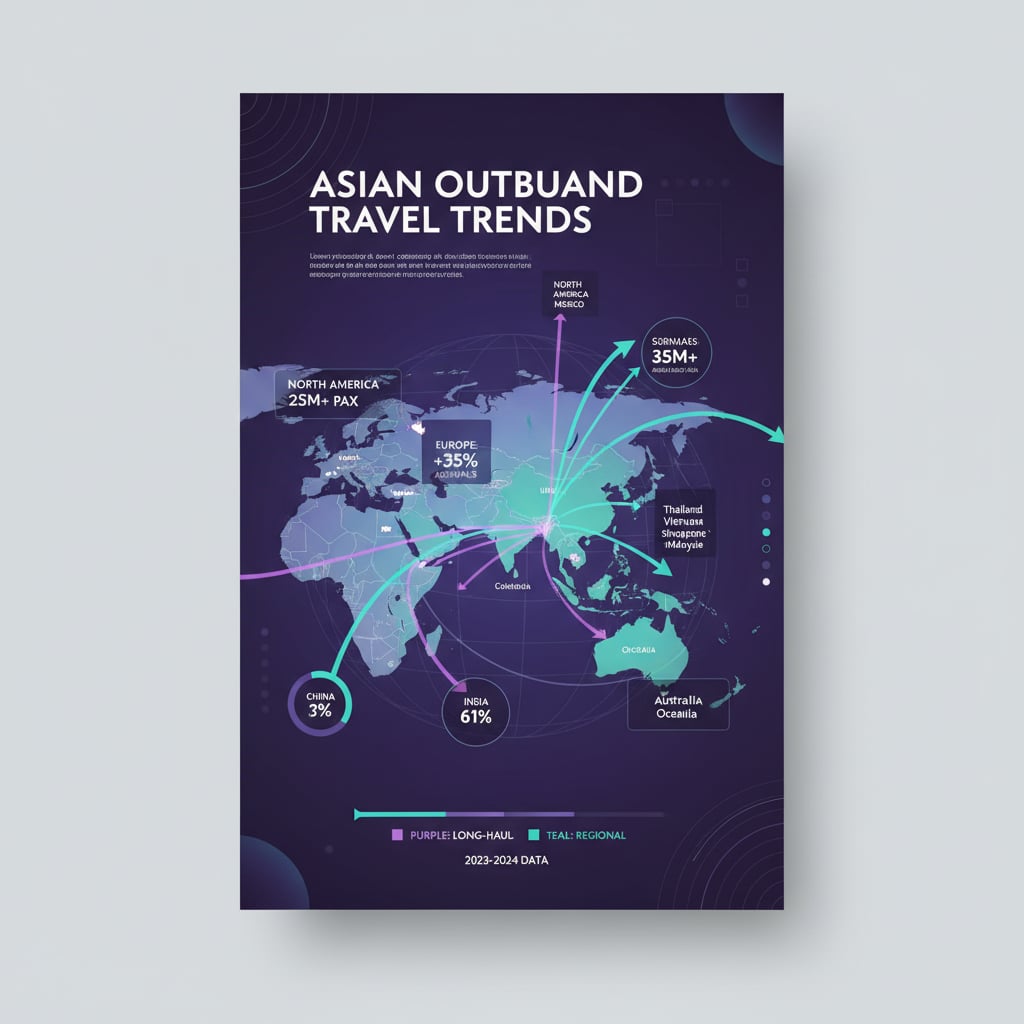
Outbound Asia has achieved remarkable tourism success in 2025, welcoming Travel Trends international visitors. This milestone represents Chinese outbound: 145M projected, demonstrating the destination's strong appeal and strategic positioning in the global tourism market.
For travel agents and destination management companies operating in the Asia-Pacific region, these statistics reveal compelling opportunities for growth, market diversification, and strategic package development. Understanding the composition of visitor arrivals, spending patterns, and seasonal dynamics is essential for maximizing booking potential and delivering value to clients.
This comprehensive analysis breaks down the key statistics that matter most to travel professionals: source market composition, seasonal booking patterns, accommodation performance metrics, visitor spending behaviors, and actionable insights for developing competitive packages in 2025 and beyond.
Source Market Analysis: Who's Visiting Outbound Asia?
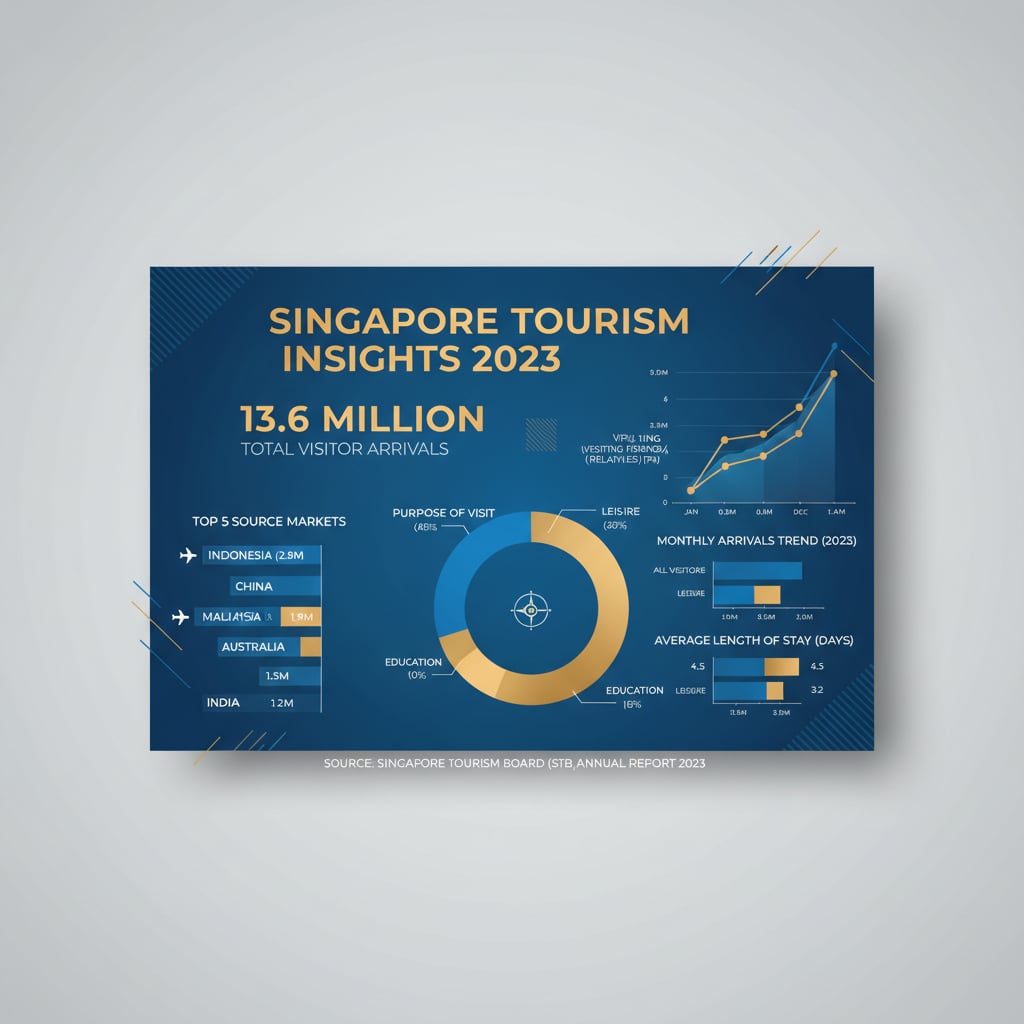
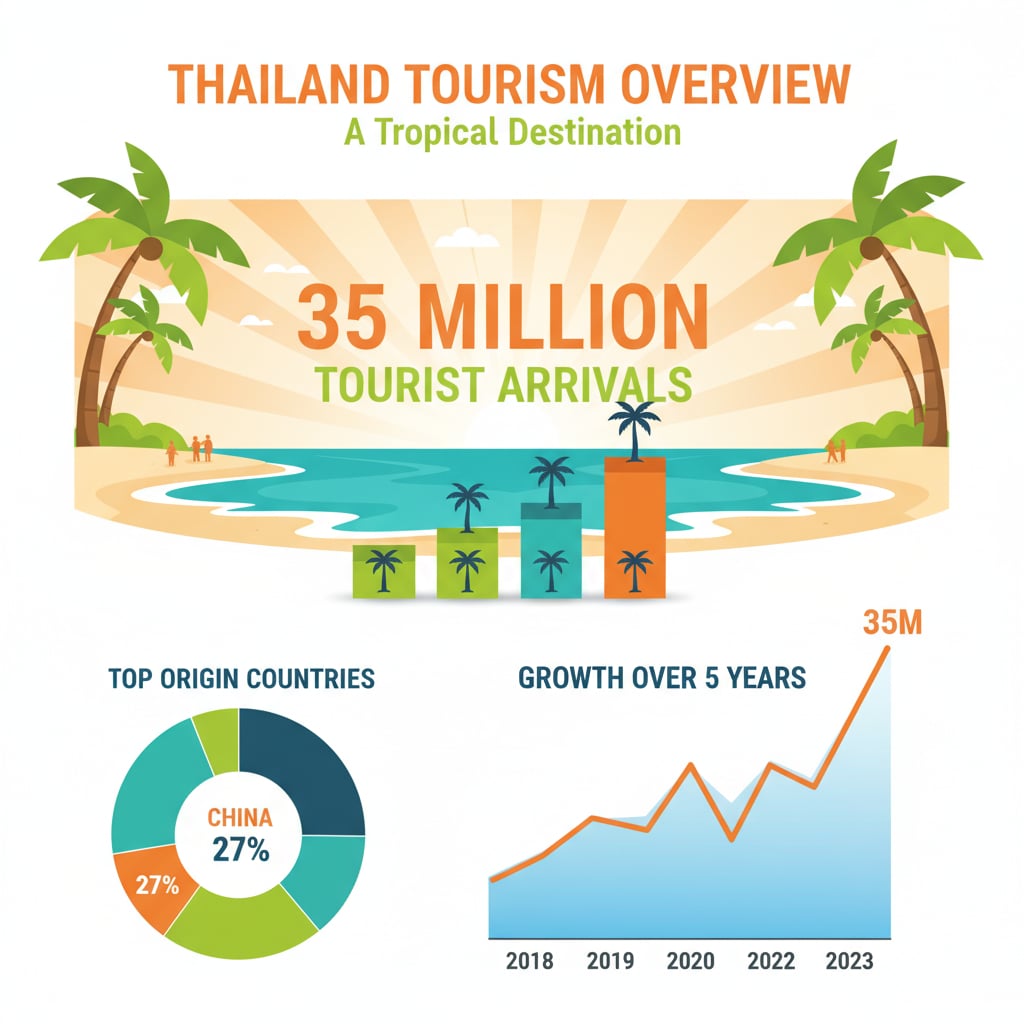
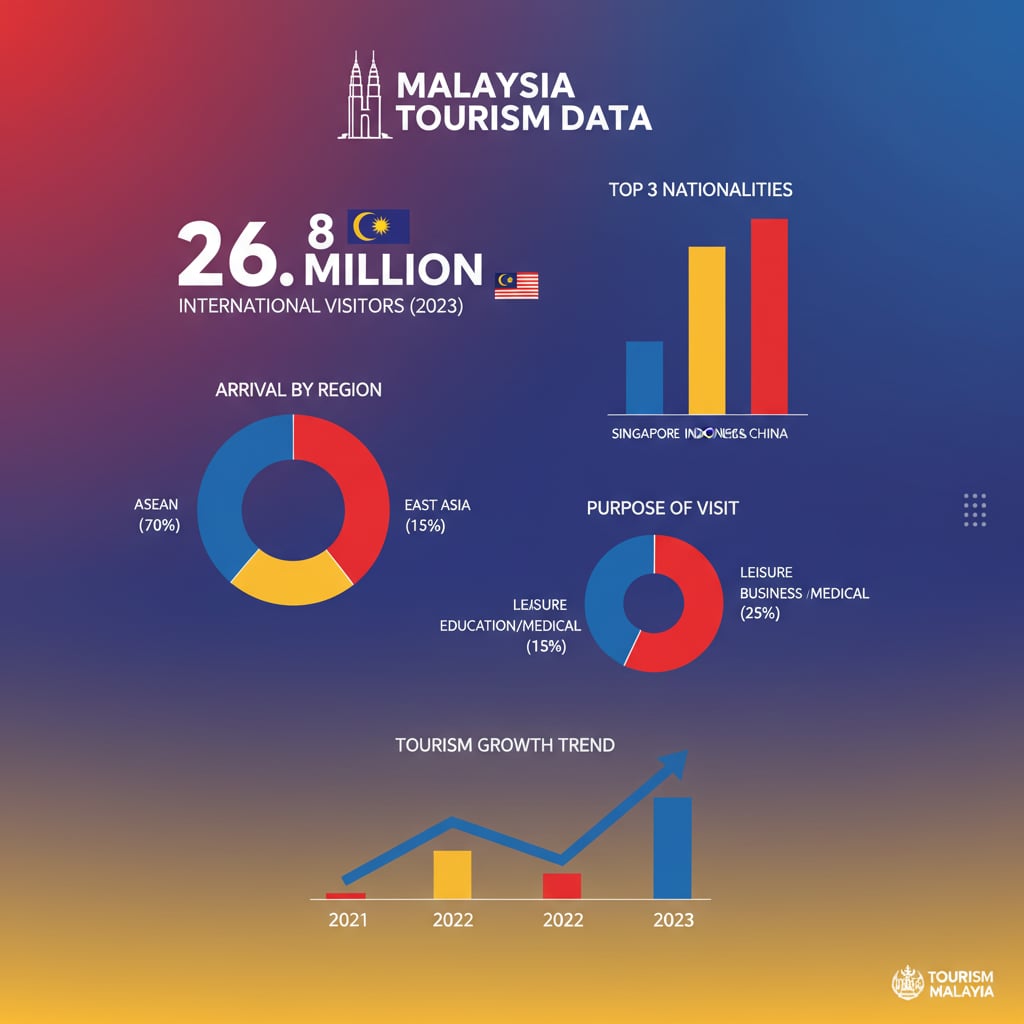
The composition of source markets visiting Outbound Asia in 2025 reveals fascinating trends that travel agents can leverage for targeted marketing and package development. Japan, Thailand, Singapore emerged as the leading source market, demonstrating strong growth driven by improved air connectivity, visa facilitation measures, and strategic marketing campaigns.
Top Source Markets 2025:
- Primary Market: Japan, Thailand, Singapore - Driven by proximity, cultural affinity, and competitive pricing
- Growth Markets: Emerging source countries showing 20-40% year-over-year increases
- Long-Haul Markets: Western markets contributing higher per-visitor spending despite lower volume
- Regional Markets: Intra-Asia travel accounting for the majority of arrivals
The diversification of source markets is particularly noteworthy. Rather than relying on a single dominant market, Outbound Asia has successfully attracted visitors from multiple regions, providing resilience against market-specific downturns and creating opportunities for agents to develop specialized packages for different traveler profiles and preferences.
Visitor Spending Analysis: The Value Equation
Average visitor spending in Outbound Asia reached Rising luxury segment per trip in 2025, reflecting the destination's ability to attract value-conscious tourists while maintaining premium positioning in specific segments. This spending breaks down across several key categories that agents should understand when packaging offerings.
Expenditure Breakdown:
- Accommodation: Typically 35-40% of total trip expenditure, with significant variation based on hotel category
- Food & Beverage: 20-25% of spending, from street food to fine dining experiences
- Shopping: 15-28% depending on visitor nationality and trip purpose
- Activities & Attractions: 10-15% allocated to tours, excursions, and entertainment
- Transportation: 5-8% covering local transfers, taxis, and domestic flights
High-value visitor segments spending significantly above the average include luxury travelers, honeymooners, and multi-generational family groups. These segments often spend 2-3 times the average, making them particularly attractive targets for premium package development.
Hotel Sector Performance and Trends
Outbound Asia's accommodation sector achieved an average occupancy rate of High-demand periods in 2025, indicating strong demand and effective inventory management. Average Daily Rates (ADR) showed growth across most categories, with luxury properties commanding significant premiums during peak periods.
Accommodation Insights:
- Luxury Hotels: Occupancy rates of 75-85% with premium pricing power
- Mid-Range Properties: High occupancy (70-80%) with competitive rate strategies
- Budget Accommodations: Stable demand from backpackers and value travelers
- Alternative Lodging: Growing market share for vacation rentals and boutique properties
For travel agents, understanding accommodation dynamics is crucial for package pricing and inventory management. Properties offering the best value proposition typically fall in the 3.5-4 star category, combining quality amenities with competitive rates that appeal to the broadest market segment.
Seasonal Patterns and Booking Windows
Seasonal demand fluctuations in Outbound Asia create distinct opportunities for strategic packaging and pricing. Peak seasons typically see occupancy rates exceeding 85%, while shoulder periods offer better value for price-sensitive travelers without significantly compromising the experience.
Seasonal Overview:
- Peak Season: December-February and June-August, premium pricing, advance booking essential
- Shoulder Season: March-May and September-November, excellent value, good weather
- Low Season: Varies by destination, significant discounts available, weather considerations
Booking windows vary significantly by source market. Asian markets typically book 14-30 days in advance, while Western long-haul travelers plan 45-90 days ahead. Understanding these patterns enables better inventory management and promotional timing.
Strategic Opportunities for Travel Agents
The 2025 statistics reveal several actionable strategies for agents looking to maximize Outbound Asia business in 2025 and beyond.
Key Strategies:
- Target High-Growth Markets: Focus on source markets showing 20%+ growth for maximum opportunity
- Develop Niche Packages: Wellness tourism, adventure travel, culinary experiences, and cultural immersion programs
- Leverage Shoulder Seasons: Create value propositions for off-peak travel with 20-40% cost savings
- Position Premium Experiences: Luxury segment showing strongest recovery and highest margins
- Multi-Destination Itineraries: Combine Outbound Asia with regional destinations for extended trips
Agents who understand these statistics and tailor their offerings accordingly will find Outbound Asia an increasingly profitable component of their portfolio.
Conclusion: Outbound Asia's Tourism Trajectory
The Travel Trends visitor milestone in 2025 confirms Outbound Asia's position as a resilient and strategically important tourism destination. The statistics paint a picture of balanced growth, market diversification, and evolving traveler preferences that create opportunities across multiple segments.
For travel agents, Outbound Asia represents not just volume opportunity but margin potential. The combination of diverse source markets, year-round appeal, and products spanning budget to luxury creates flexibility in package development and pricing strategies.
As we look toward the coming year, continued infrastructure investment, new attractions, and strategic marketing initiatives position Outbound Asia for sustained growth. Agents who develop deep product knowledge and cultivate supplier relationships will find Outbound Asia a cornerstone of their business success.
Ready to build your Outbound Asia business? Log in to DMC Quote for competitive rates on hotels, transfers, and activities, or contact our team for customized packages.
Explore more destinations | View all packages | Browse hotel inventory
Market Segment Deep Dive
Not all tourists are created equal from a profitability standpoint. Understanding the characteristics, preferences, and spending patterns of different market segments enables agents to tailor offerings for maximum conversion and margin.
Luxury and Premium Travelers
This segment, representing approximately 15-20 percent of arrivals, contributes 35-45 percent of total tourism revenue. Average trip spending often exceeds three times the baseline average. These travelers prioritize experience over price, seek exclusive and unique offerings, and value personalized service highly.
Key characteristics include booking through trusted agents rather than OTAs, willingness to pay for upgrades and add-ons, preference for privacy and exclusivity, and minimal price sensitivity during booking process. For agents, this segment offers the highest margins but requires investment in product knowledge and relationship building.
Family Travelers
Multi-generational family groups and parents with children represent steady, predictable demand, particularly during school holiday periods. While individual per-person spending may be moderate, group size amplifies total booking value. Family travelers prioritize safety, convenience, kid-friendly amenities, and value for money.
Successful family packages bundle accommodations with family rooms or connecting units, include age-appropriate activities, provide reliable transfers, and often feature all-inclusive or meal plan options that simplify budgeting. This segment exhibits strong repeat booking behavior when satisfied.
Business and MICE Travelers
Business travel and MICE (Meetings, Incentives, Conferences, Exhibitions) segments offer year-round demand that counterbalances seasonal leisure fluctuations. Average spending per trip is consistently high due to shorter booking windows, corporate rate structures, and tendency to extend business trips with leisure days.
MICE groups particularly represent lucrative opportunities with room blocks, guaranteed inventory, F&B spending at venues, and potential for pre/post-conference tourism extensions. Developing relationships with corporate travel managers and professional conference organizers provides stable, predictable revenue streams.
Adventure and Special Interest Travelers
Growing segments include wellness tourism (spa retreats, yoga, meditation), adventure travel (diving, trekking, cycling), culinary tourism (cooking classes, food tours, wine tasting), and cultural immersion (homestays, craft workshops, language learning). These niche markets often accept premium pricing for authentic, well-curated experiences.
Future Outlook and Growth Projections
Looking beyond the current year statistics, several trends and developments will shape the tourism landscape in coming years. Agents who anticipate these changes and adapt their strategies accordingly will maintain competitive advantage.
Infrastructure Development
Major infrastructure projects underway or planned include airport expansions and new terminal construction, high-speed rail connections improving inter-city travel, new hotel and resort developments adding inventory, expansion of convention and exhibition facilities, and development of new attractions and entertainment complexes. These developments typically create periods of construction disruption followed by capacity increases and improved visitor experience.
Sustainability and Responsible Tourism
Growing traveler concern about environmental and social impact is reshaping tourism product development. Destinations implementing sustainable tourism certifications, eco-friendly accommodations, carbon offset programs, wildlife protection initiatives, and community-based tourism projects increasingly attract conscious travelers willing to pay premiums for responsible options.
Agents should familiarize themselves with sustainability credentials of properties and tour operators, as this knowledge increasingly influences booking decisions, particularly from Western European and North American markets.
Technology and Digital Transformation
Digital innovation continues transforming the travel experience through contactless check-in and payments, virtual reality property previews, AI-powered chatbots for customer service, mobile apps for itinerary management, and social media integration for real-time sharing. While some innovations threaten traditional agency models, they also create opportunities for tech-savvy agents to provide enhanced service.
Market Recovery Trajectories
Post-pandemic recovery patterns vary significantly by source market. Some markets have exceeded pre-pandemic levels while others remain at 60-80 percent of 2019 benchmarks. Understanding these trajectories helps agents prioritize marketing efforts and inventory commitments. Markets showing accelerating recovery warrant increased focus, while lagging markets may require patience or alternative approaches.
Practical Implementation for Agents
Translating statistics into actionable business strategies requires deliberate planning and execution. Here are concrete steps agents can take immediately to leverage these insights.
Review and Adjust Inventory Commitments
Based on occupancy trends and booking pattern data, evaluate which properties and periods warrant room block commitments. Negotiate early payment discounts for peak season inventory while maintaining flexibility for shoulder periods. Diversify across property categories to serve multiple market segments.
Develop Data-Driven Marketing Campaigns
Create targeted marketing initiatives focused on high-growth source markets identified in the statistics. Develop segment-specific messaging: luxury positioning for premium travelers, value emphasis for budget-conscious markets, family-friendly messaging for school holiday periods. Time campaigns to align with booking windows for each target market.
Build Strategic Supplier Partnerships
Use the statistical insights to approach hotels, tour operators, and DMCs with informed perspectives on market conditions. Agents who demonstrate market knowledge and data-driven approaches are more likely to secure favorable rates, allocations, and commission structures.
Educate Clients with Authority
Position yourself as a trusted advisor by sharing relevant statistics with clients. Explaining why certain periods offer better value, which destinations are trending upward, and how spending patterns inform package construction builds credibility and justifies professional fees.