The Enduring Appeal of Switzerland for Asian Travelers
Switzerland occupies a unique position in Asian travelers' European destination hierarchy, consistently ranking among the top three must-visit countries alongside France and Italy. The dramatic Alpine scenery, pristine mountain villages, luxury Swiss watches, premium chocolates, and efficient transportation infrastructure combine to create an idealized version of Europe that strongly resonates with Chinese, Indian, Korean, and Southeast Asian markets.
The Swiss tourism industry has deliberately cultivated its appeal to Asian visitors over decades, with infrastructure, marketing, and services specifically tailored to these valuable demographics. From Mandarin-speaking hotel staff to halal-certified restaurants, Asian-friendly payment systems to Instagram-perfect viewpoints, Switzerland delivers experiences that feel both exotically European and comfortably accessible to Asian travelers.
As a travel agent or DMC designing Swiss packages for Asian markets, understanding the specific attractions, optimal routes, seasonal considerations, and pricing strategies that drive bookings allows you to create compelling programs that convert inquiries into confirmed reservations and generate enthusiastic client referrals.
Jungfraujoch: The Top of Europe Experience
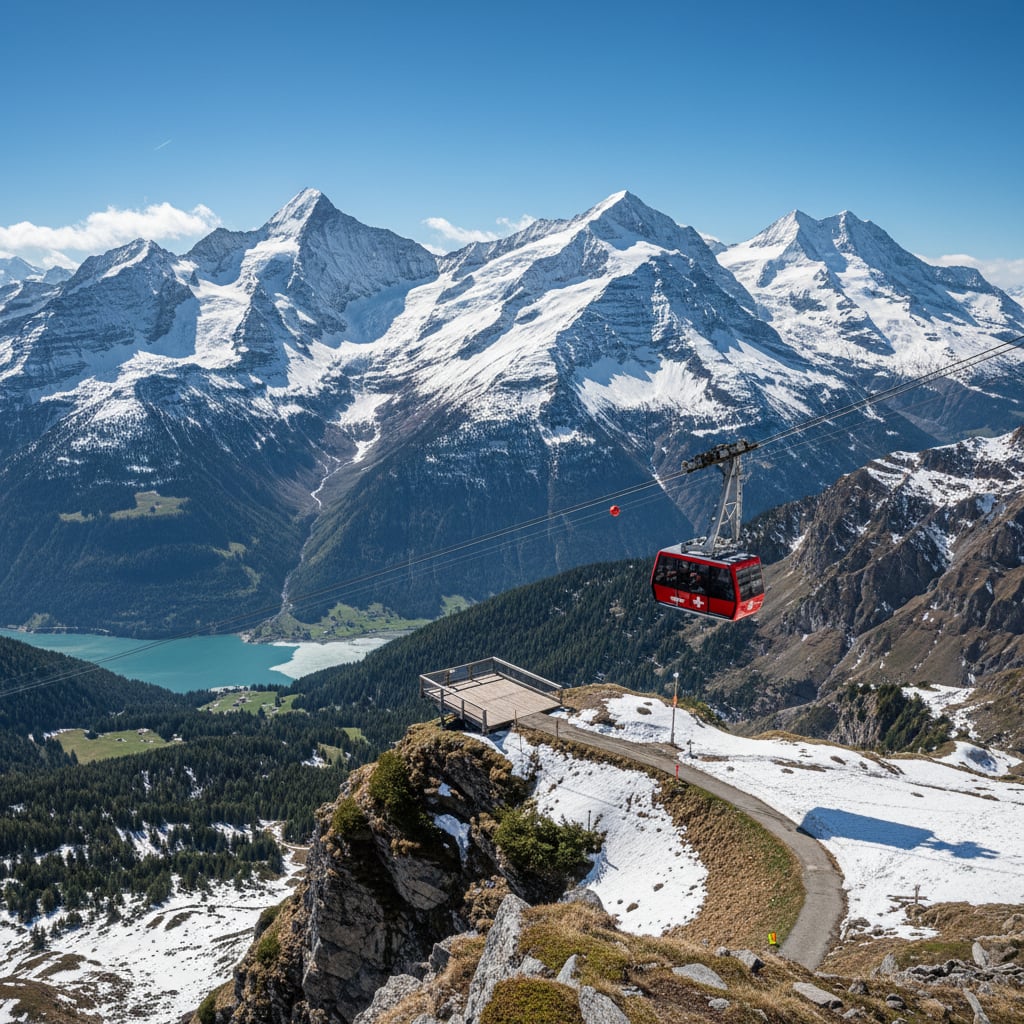
Jungfraujoch mountain excursion represents the single most important component of any Swiss package for Asian travelers. Marketed as the "Top of Europe" at 3,454 meters elevation, this spectacular mountain destination accessible by cogwheel railway delivers the dramatic Alpine scenery that Asian travelers associate with Switzerland and expect to experience during their visit.
The journey itself provides half the attraction, with the Jungfrau Railway climbing through Kleine Scheidegg with panoramic mountain views before entering the tunnel carved through the Eiger mountain. Asian travelers particularly enjoy the observation windows cut into the tunnel where they can photograph the glacier scenery during brief stops. The final station beneath the Jungfraujoch saddle houses restaurants, viewing platforms, an ice palace with carved sculptures, and year-round snow activities.
Weather conditions critically impact the Jungfraujoch experience, as clouds or fog can completely obscure the famous views. Summer months (June-September) offer the highest probability of clear weather, though morning visits typically provide better visibility than afternoons when clouds develop. Winter visits deliver guaranteed snow scenery but extremely cold temperatures that challenge travelers from warmer Asian climates.
Plan full-day excursions for Jungfraujoch from Interlaken base, departing early morning to maximize clear weather opportunities. The round-trip journey requires approximately 6-7 hours including summit time, with standard routing via Lauterbrunnen and Wengen ascending and Grindelwald descending (or reverse). Premium packages should include VIP tickets allowing flexible timing and avoiding peak crowd periods.
Pricing for Jungfraujoch excursions ranges significantly based on route and pass inclusions. Standard round-trip tickets cost CHF 200-240 per adult, though Swiss Travel Pass holders receive 25% discounts. Many Asian tour packages include Jungfraujoch in the base price as the signature attraction, building costs into overall package pricing rather than positioning as an expensive optional excursion.
Interlaken: The Perfect Swiss Base
Interlaken serves as the ideal base location for Swiss Alps exploration, positioned between Lake Thun and Lake Brienz with the dramatic Jungfrau massif providing a stunning backdrop. The town offers excellent hotel infrastructure, efficient transportation connections, diverse dining options including Asian restaurants, and shopping opportunities that Asian travelers appreciate while maintaining authentic Swiss mountain town character.
The Höheweg promenade running through central Interlaken provides classic Swiss postcard views with the three famous peaks—Eiger, Mönch, and Jungfrau—visible on clear days. This area features luxury watch boutiques, Swiss souvenir shops, chocolate stores, and restaurants, making it perfect for evening strolls and shopping. The Jungfrau Park complex offers Asian tourists opportunities to purchase Swiss watches, knives, chocolates, and other souvenirs in a convenient one-stop shopping environment.
Adventure activities available from Interlaken appeal to younger Asian travelers seeking active experiences. Paragliding flights offering tandem jumps with experienced pilots provide thrilling mountain scenery from dramatic aerial perspectives. The Harder Kulm viewpoint reached by funicular offers spectacular panoramic views without Jungfraujoch's expense or time commitment, making it an excellent alternative for budget-conscious packages.
Hotel selection in Interlaken should prioritize location between the two railway stations (Ost and West) for convenient access to excursion departures. Four-star properties like Victoria-Jungfrau Grand Hotel, Metropole Swiss Quality Hotel, and Hotel Interlaken provide excellent service, comfortable accommodations, and Asian-friendly amenities. Budget packages can utilize quality 3-star properties slightly outside the center, accepting minor convenience trade-offs for significant cost savings.
Lucerne: Culture and Scenery Combined
Lucerne balances Swiss mountain scenery with cultural attractions, medieval architecture, and luxury shopping, creating a destination that appeals across diverse Asian traveler demographics. The iconic Chapel Bridge and Water Tower photograph opportunity ranks among the most recognized Swiss images, while Lake Lucerne provides stunning Alpine backdrops that validate travelers' Swiss experience expectations.
Mount Pilatus and Mount Titlis excursions from Lucerne offer excellent alternatives or supplements to Jungfraujoch for multi-day Swiss itineraries. The Pilatus Golden Round Trip combining cogwheel railway, aerial cableway, and lake cruise creates a full-day experience showcasing diverse Swiss landscapes and transportation modes. Titlis offers the famous rotating Rotair cable car and the Cliff Walk suspension bridge that thrill-seeking Asian travelers find exciting.
Lucerne's Old Town shopping district features Swiss watch boutiques including official Rolex, Omega, and TAG Heuer retailers that attract Asian luxury shoppers seeking authentic Swiss timepieces at source. The Bucherer flagship store in particular has become a must-visit for Chinese tourists. Allow sufficient shopping time in your Lucerne itineraries, as watch purchases often rank among travelers' most significant Switzerland expenditures.
The Lion Monument and Glacier Garden provide cultural and natural history attractions requiring only 1-2 hours combined, making them excellent itinerary additions when weather prevents mountain excursions. The Swiss Transport Museum appeals to families with children and technology enthusiasts, though most Asian tour groups prioritize natural scenery and shopping over museum visits.
Accommodation in Lucerne should emphasize lakefront or Old Town locations providing convenient access to attractions and shopping. The Schweizerhof Luzern, Hotel des Balances, and Grand Hotel National offer luxury positioning, while mid-range options like Ameron Luzern Hotel Flora and Hotel Cascada provide excellent value with good locations.
Zermatt and the Matterhorn
Zermatt and the iconic Matterhorn mountain provide Switzerland's most recognizable mountain imagery and strongly appeal to photography-focused Asian travelers seeking that perfect Alpine shot. The car-free village maintains authentic Swiss mountain character while offering luxury hotels, fine dining, and excellent tourist infrastructure that Asian travelers expect and appreciate.
The Gornergrat cog railway journey to 3,089 meters elevation delivers spectacular Matterhorn views along with 29 other 4,000-meter peaks creating a dramatic Alpine panorama. Clear morning weather provides optimal photography conditions and visibility. Winter visits offer guaranteed snow and skiing backdrops, though summer brings wildflower meadows and hiking opportunities that some travelers prefer.
Matterhorn Glacier Paradise reached by cable car to 3,883 meters represents Europe's highest cable car station and offers year-round snow, glacier viewing, and an ice palace similar to Jungfraujoch. The journey includes a spectacular crossing high above glaciers that thrills adventure-seeking travelers while remaining accessible to average fitness levels.
Zermatt's Bahnhofstrasse shopping street features luxury boutiques, Swiss souvenir shops, and outdoor equipment retailers. The town offers numerous Asian dining options and hotels accustomed to Asian clientele, though overall costs run significantly higher than Interlaken or Lucerne due to the car-free environment requiring electric taxi transfers and the resort's luxury positioning.
Including Zermatt in Swiss itineraries requires careful consideration of time and budget impacts. The scenic train journey from Interlaken or Lucerne requires 2.5-3.5 hours each direction via Visp, making Zermatt most practical for 3+ night Swiss stays or overnight programs. Day trips prove rushed and expensive but remain popular with Asian tour groups prioritizing Matterhorn photography over extended Zermatt exploration.
Seasonal Timing and Weather Considerations
Summer months (June-September) offer optimal conditions for Swiss mountain touring with warm temperatures, long daylight hours, reliable cable car operations, and maximum wildflower displays. July and August bring peak crowds and premium pricing but guarantee snow at high elevations and the best weather probability. Asian school holidays during these months drive strong family travel demand despite higher costs.
Spring (April-May) provides excellent value with lower hotel rates and fewer crowds, though unpredictable weather and potential cable car closures for maintenance create some risk. Late spring brings beautiful mountain scenery as snow melts and meadows green, though high mountain excursions may still face winter conditions. Shoulder season pricing appeals to budget-conscious Asian markets willing to accept some weather uncertainty.
Autumn (September-October) combines beautiful fall colors, pleasant temperatures, and good weather reliability with reduced crowds after summer peaks. Late September through early October represents a sweet spot for quality experience at reasonable pricing. However, cable car operations begin reducing schedules after mid-October, and some mountain restaurants close for the season.
Winter (December-March) transforms Switzerland into a white wonderland perfect for Asian travelers who rarely see snow in their home countries. Guaranteed snow scenery, Christmas market atmosphere, and skiing backdrops create magical experiences. However, extremely cold temperatures challenge travelers from tropical and subtropical Asian climates, and short daylight hours limit sightseeing time. Position winter packages around holiday celebrations, winter sports, and unique seasonal experiences.
Practical Package Design for Asian Markets
Swiss package duration typically ranges 3-5 days as a standalone destination or 2-3 days as part of broader Europe tours combining France-Switzerland-Italy. The classic route flows Paris to Swiss Alps to Italian cities, with Switzerland serving as the scenic mountain segment between two cultural/shopping destinations.
Three-day Swiss programs should focus on either the Interlaken-Jungfraujoch region or Lucerne-Mount Titlis area, avoiding the rushed feeling that results from attempting both in limited time. Four to five-day programs can comfortably combine Interlaken, Lucerne, and potentially Zermatt while allowing weather backup days and shopping time that Asian travelers prioritize.
Transportation within Switzerland should leverage the excellent Swiss rail network via Swiss Travel Pass for multi-day programs. The pass provides unlimited train, bus, and boat travel plus free museum entry and discounts on mountain railways. While the pass appears expensive initially (3-day passes cost approximately CHF 270-320), the convenience and value typically exceed point-to-point tickets for Asian tour itineraries visiting multiple destinations.
Meal inclusions should balance Swiss culinary experiences with Asian dining options. Include at least one traditional Swiss fondue or raclette dinner as a cultural experience, but provide Asian meal alternatives for travelers uncomfortable with cheese-heavy European cuisine. Breakfast buffets at Swiss hotels are generally excellent and accommodate diverse dietary preferences well.
Pricing Benchmarks and Profit Margins
Swiss packages command premium pricing reflecting Switzerland's high cost structure but offer strong perceived value given the destination's prestige and unique Alpine scenery. A standard 3-day/2-night Swiss Alps package including Interlaken accommodation, Jungfraujoch excursion, and basic meals typically costs USD 600-900 per person based on 4-star hotels and group tour basis.
Mid-range 4-day/3-night programs combining Interlaken and Lucerne with multiple mountain excursions, Swiss Travel Pass, and enhanced hotels run USD 1,000-1,500 per person. Premium packages featuring luxury 5-star hotels, private guided tours, first-class train travel, and gourmet dining command USD 2,000-3,000+ per person and appeal to high-net-worth Chinese and Southeast Asian luxury travelers.
Commission structures on Swiss packages typically range 12-18% depending on supplier relationships and package components. Hotels offer standard commissions, while mountain railway tickets and Swiss Travel Passes provide smaller margins. However, the overall high-value package pricing makes absolute profit dollars attractive even at moderate percentage margins. Watch sales commissions from partner retailers can significantly boost overall program profitability.
Marketing Swiss Packages to Asian Audiences
Visual marketing featuring dramatic Alpine scenery, snow-capped peaks, mountain railways, and chocolate-box villages resonates powerfully with Asian audiences. The Jungfraujoch railway journey, Matterhorn reflections in mountain lakes, and colorful Interlaken flowers against mountain backdrops create instantly recognizable imagery that captures attention and generates wanderlust.
Emphasize Switzerland's safety, cleanliness, punctuality, and efficiency—qualities highly valued by Asian travelers. Position Switzerland as offering "perfect" European mountain experiences without the unpredictability or rough edges of some other destinations. The reliable transportation, English signage, and tourist-friendly infrastructure reduce travel anxiety for first-time European visitors.
Testimonials from previous Asian clients highlighting the breathtaking scenery, smooth logistics, shopping discoveries, and memorable experiences build credibility and excitement. Before-and-after photos showing travelers in traditional Asian dress against Swiss Alpine backdrops perform particularly well on social media, as do videos capturing train journeys and mountain cable car rides.
Position Switzerland packages for honeymooners seeking romantic mountain scenery, families wanting safe outdoor experiences, photography enthusiasts pursuing dramatic landscapes, and luxury travelers expecting impeccable service. Each demographic values different aspects of the Swiss experience, allowing targeted marketing messages for specific audience segments.
Ready to create extraordinary Swiss Alps packages for your Asian clients? Explore DMC Quote to connect with experienced Swiss DMCs, access premium mountain hotels, and design comprehensive Alpine tour programs. Register today for exclusive agent rates and expert Switzerland destination support.