Here's the thing about the travel industry – it's built on relationships. And at the heart of many successful travel partnerships sits the DMC, or Destination Management Company. I've worked with dozens of agencies over the years, and the ones who truly understand what a DMC brings to the table? They're the ones crushing their numbers.
What Exactly is a DMC?
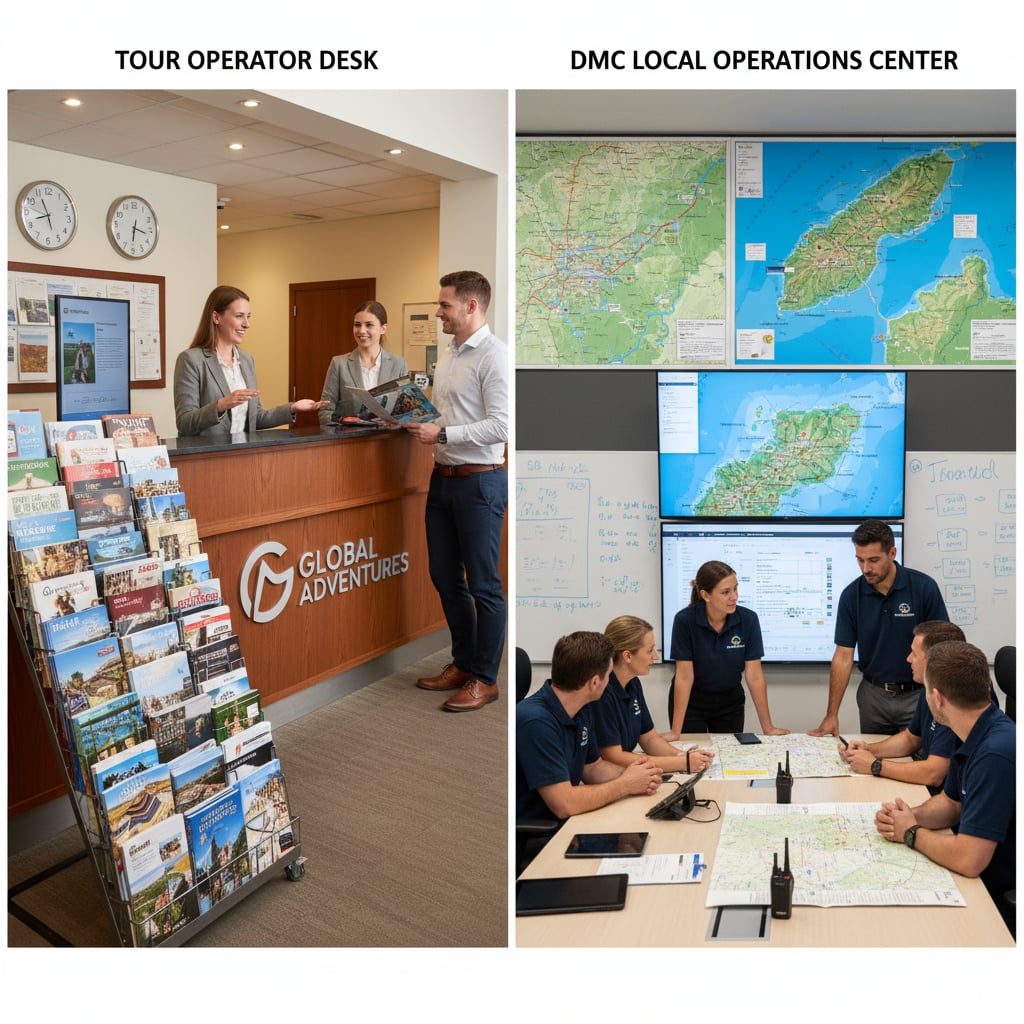
A Destination Management Company is your boots-on-the-ground partner in a specific destination. Think of them as your local expert, your fixer, your go-to person who knows every hotel manager, every reliable driver, and every hidden gem worth visiting.
Unlike tour operators who might package trips from their home country, DMCs are embedded in the destination. They live there. They breathe there. They know when the monsoon season actually starts (not when the guidebooks say), which restaurants have changed ownership, and which "must-see" attractions are currently under renovation.
What Services Do DMCs Actually Provide?
Let me be straight with you – a good DMC is basically your entire ground operations team rolled into one partner. Here's what they handle:
Core Ground Handling Services
- Hotel Contracting: They negotiate net rates directly with properties, often getting you prices you'd never access on your own
- Airport Transfers: Reliable pickups with professional drivers who actually show up on time (trust me, this matters)
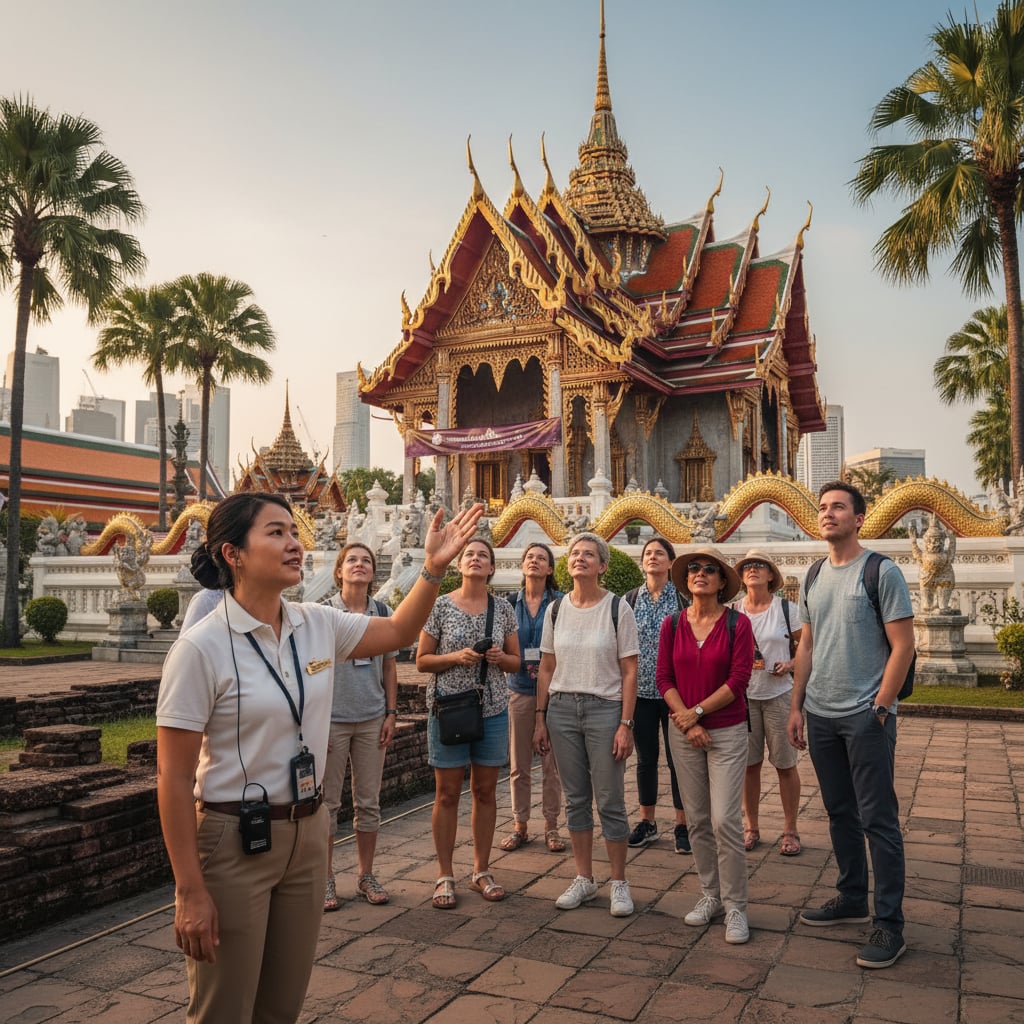
- Tours & Excursions: Everything from city tours to adventure activities, with vetted guides and operators
- Transportation: Coaches, vans, private cars – whatever your group size needs
- Meet & Greet: Professional representatives at airports holding that sign with your client's name
Value-Added Services
But here's where good DMCs separate themselves from average ones:
- 24/7 emergency support (because flights delay and stuff happens)
- Venue sourcing for events and conferences
- Custom itinerary design based on actual local knowledge
- Crisis management and backup planning
- Multi-lingual support staff
DMC vs Tour Operator: What's the Difference?
I get asked this constantly. Here's the simple breakdown:
| Aspect | DMC | Tour Operator |
|---|---|---|
| Location | Based IN the destination | Based in source market |
| Focus | Ground handling & local services | Package creation & distribution |
| Expertise | Deep local knowledge | Market trends & packaging |
| Client Type | B2B (agents, operators) | B2B & B2C |
| Services | À la carte ground services | Complete vacation packages |
Why Travel Agents Need DMCs
Look, you could try to book everything directly – call hotels one by one, find drivers on Google, hope for the best. I've seen agents attempt this. It usually ends with frantic 2am phone calls when something goes wrong.
Working with a DMC gives you:
1. Time Savings
Instead of emailing 20 hotels for availability, you send one request to your DMC. They handle all the legwork. For complex multi-city itineraries across Singapore, Malaysia, and Thailand? Your DMC coordinates everything.
2. Better Rates
DMCs have contracted rates with suppliers. They buy in volume. These net rates are typically 20-40% lower than what you'd pay booking direct. Plus, you add your markup on top and still stay competitive.
3. Risk Mitigation
When a hotel overbooks or a driver doesn't show, it's the DMC's problem to solve, not yours. They have backup suppliers, relationships, and leverage you simply don't have as an individual agent.
4. Local Credibility
Your clients get someone local handling their arrangements. If there's an issue during the trip, there's a physical office they can contact, not just an email address halfway around the world.
How DMCs Actually Make Money
Understanding the business model helps you work better with DMCs. Most operate on a markup structure:
They receive net rates from suppliers (hotels, transport companies, attractions), add their service margin (typically 10-25%), and pass that rate to you. You then add your agency markup before quoting your client.
Some DMCs offer commission structures instead, paying you a percentage of the total package value. The model varies, but transparency is key. At DMC Quote, we believe in clear pricing with no hidden surprises.
What to Look for in a DMC Partner
Not all DMCs are created equal. I've seen agencies burned by unreliable partners. Here's what actually matters:
Established Local Presence
Check if they have physical offices in the destination. Ask for addresses. A PO box and a website don't cut it.
Technology Infrastructure
Modern DMCs should offer online booking platforms, real-time availability, and instant confirmation. If they're still working purely on email? That's a red flag for efficiency.
Supplier Relationships
Ask about their hotel portfolio. Do they have direct contracts or are they just reselling? Direct relationships mean better rates and more flexibility when issues arise.
Emergency Support
This is non-negotiable. Your client's flight lands at 11pm on a Sunday – can they reach someone? Test this before committing to large bookings.
Financial Stability
Ask about payment terms, refund policies, and whether they're bonded or insured. You're sending them money – know they're legitimate.
The DMC Landscape in Asia
Since we specialize in Asian destinations, let me share what's happening in this market. Asia's DMC scene is incredibly diverse:
Singapore: Highly professional, tech-forward DMCs. English-speaking, reliable, but premium pricing reflects the destination's positioning.
Thailand: Massive DMC presence given tourism volume. Quality varies wildly – from excellent international-standard operators to questionable local fixers. Due diligence is crucial.
Malaysia: Growing sophistication, especially in Kuala Lumpur and Penang. Good value proposition with improving service standards.
Maldives: Specialized niche. Most Maldives DMCs focus heavily on resort relationships and transfer logistics given the unique geography.
Dubai: Professional, multilingual DMCs with strong MICE capabilities. High standards expected by both suppliers and clients.
Working with Multiple DMCs vs. One Partner
There's ongoing debate about this. Some agents prefer destination-specific specialists. Others want one partner for an entire region.
My take? It depends on your volume and complexity:
- Multi-DMC approach: Best if you have high volume in specific destinations and need the absolute best local expertise in each
- Regional DMC partner: Better for growing agencies handling diverse, lower-volume bookings across multiple countries
We designed DMC Quote's platform to be that regional partner – comprehensive coverage across key Asian destinations with centralized booking and support.
How to Start Working with a DMC
Ready to establish your first DMC partnership? Here's the practical process:
- Initial Outreach: Contact the DMC through their inquiry form or agent registration
- Credential Verification: They'll verify you're a legitimate agency (business license, IATA/ASTA membership, etc.)
- Contract Agreement: Review payment terms, cancellation policies, and commission structures
- Platform Access: Get credentials for their booking system
- Test Booking: Start with a small, simple booking to test the process
- Relationship Building: Regular communication builds trust and often unlocks better rates
The Future of DMCs
The DMC model is evolving fast. Technology is reshaping how we work:
- Instant Confirmation Systems: Real-time availability and booking confirmation
- Dynamic Pricing: Rates that adjust based on demand, season, and booking window
- Blockchain & Smart Contracts: Automated payments and transparent transaction records
- AI-Powered Recommendations: Systems that suggest itineraries based on client preferences
But here's what won't change: the fundamental value of local expertise and relationships. Technology enhances efficiency, but the human knowledge of a good DMC remains irreplaceable.
Common DMC Mistakes to Avoid
Let me save you from learning these the hard way:
- Assuming all DMCs offer the same service level: They don't. Vet thoroughly.
- Only focusing on price: Cheapest isn't always best when your reputation is on the line
- Poor communication: Provide complete details upfront – number of pax, exact dates, special requirements
- Last-minute bookings: Yes, DMCs can handle these, but expect premium pricing and limited options
- Ignoring payment terms: Understand deposit requirements and final payment deadlines
Final Thoughts
A DMC is more than a supplier – they're your strategic partner in delivering exceptional travel experiences. The right DMC relationship can transform your business, opening up destinations and capabilities you couldn't access independently.
Whether you're just starting in the B2B travel space or looking to expand your destination portfolio, understanding what DMCs offer and how to work with them effectively is crucial. Take the time to find partners who align with your service standards and business values.
Ready to explore working with a modern, technology-driven DMC? Register as an agent and see how streamlined destination management can be. Or check out our complete range of hotel, tour, and transfer services across Asia.