Quick Answer: When's the Best Time to Visit Japan?
March to May (Spring) and October to November (Autumn) are Japan's prime seasons. Spring brings world-famous cherry blossoms, while autumn delivers stunning red and gold foliage. But here's what most guides won't tell you - Japan genuinely shines year-round. Winter offers exceptional skiing and fewer crowds. Summer brings vibrant festivals and the only time you can climb Mount Fuji. The "best" time depends entirely on what your clients want to experience.
Understanding Japan's Four Distinct Seasons
Unlike tropical destinations where "rainy season" versus "dry season" dominates planning, Japan follows a temperate climate with four dramatically different seasons. This isn't just a weather consideration - it fundamentally shapes the entire travel experience. Cherry blossoms bloom for roughly two weeks. Autumn foliage peaks for maybe three weeks. Miss these windows by a few days and you'll catch bare branches instead of Instagram-worthy scenes.
Japan stretches over 3,000 kilometers from subtropical Okinawa to snowy Hokkaido, creating significant regional variation. When Tokyo enjoys mild spring weather, Hokkaido might still have snow. When Okinawa swelters in summer humidity, the Japanese Alps stay pleasantly cool. Understanding these regional differences lets you craft itineraries that work with - not against - seasonal patterns.
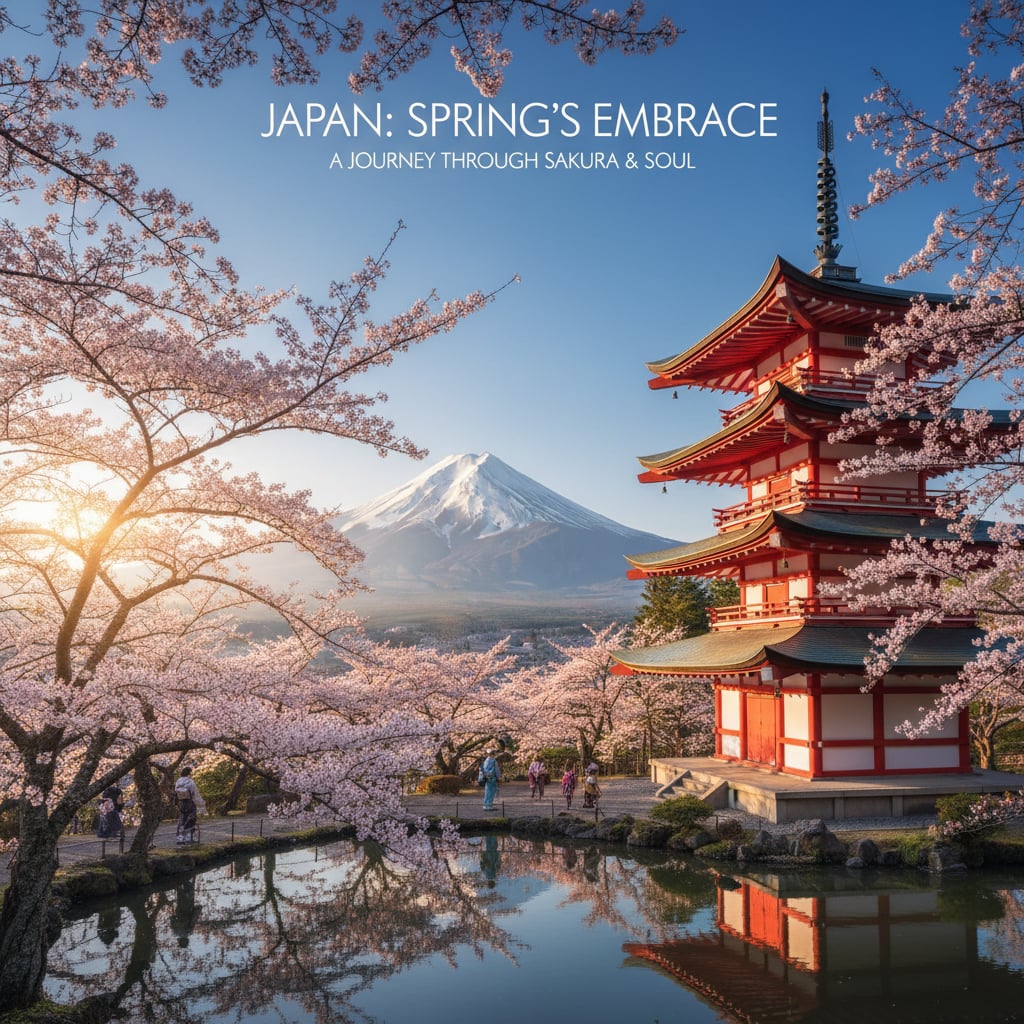
Spring (March - May)
Cherry Blossom Season
Sakura season draws millions worldwide. Mild temperatures, hanami picnics, and incredible photography opportunities.
Peak Season Pricing
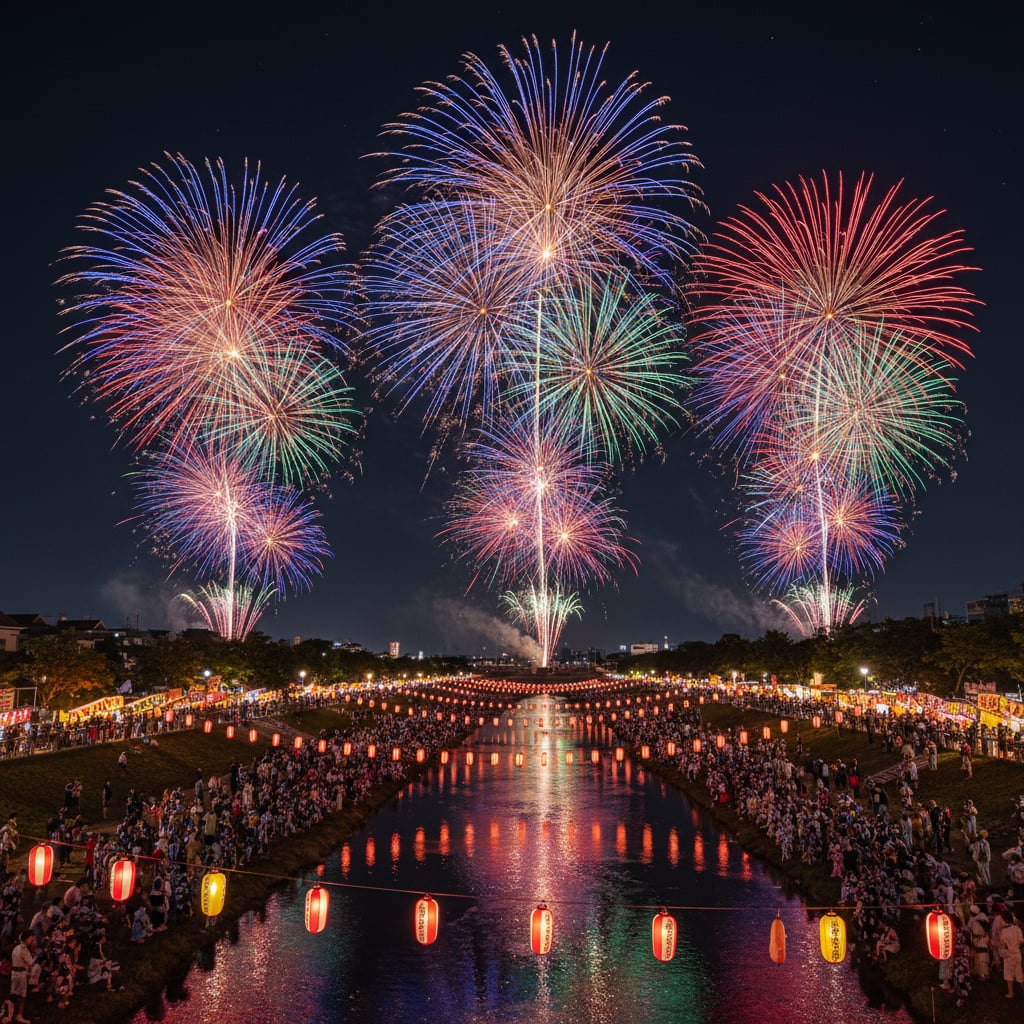
Summer (June - August)
Festival Season
Hot and humid but packed with festivals, fireworks, and the only season for climbing Mount Fuji. Escape to cooler highlands.
Shoulder Season
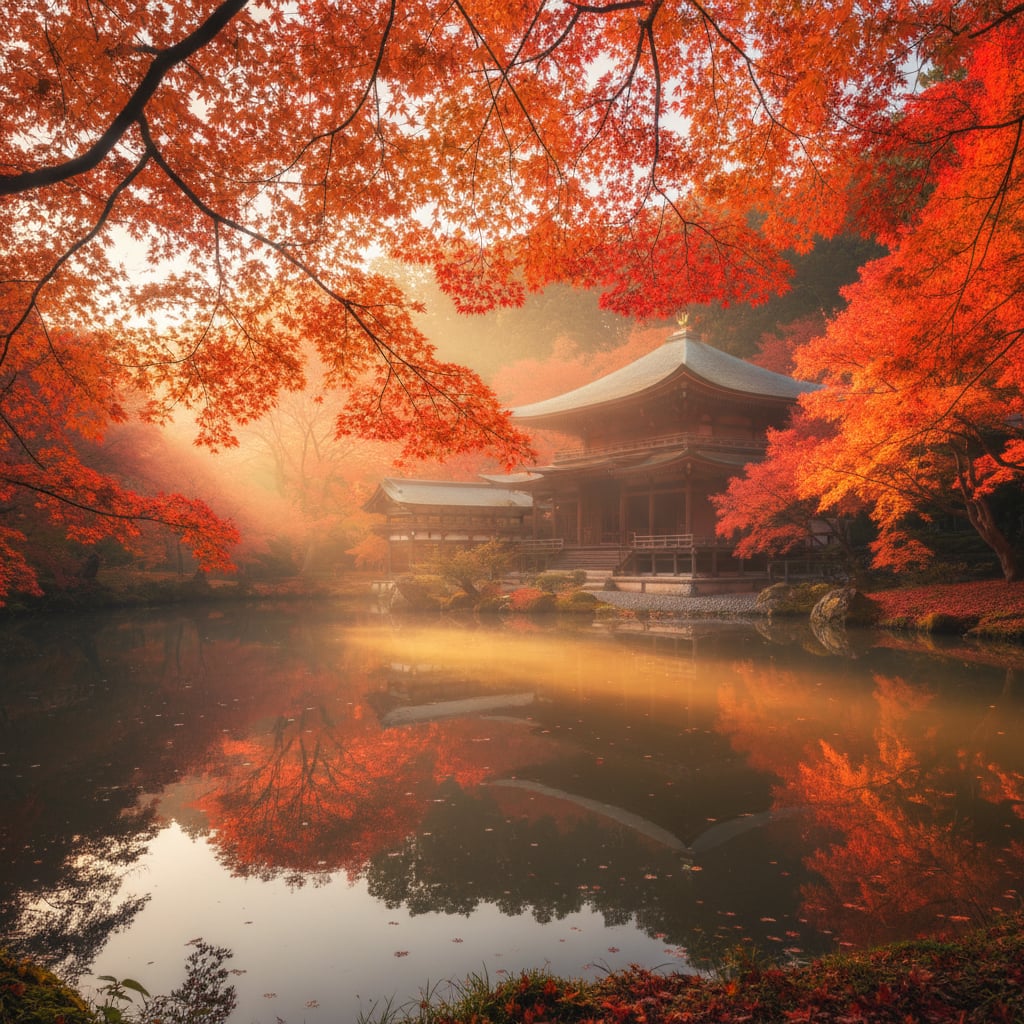
Autumn (September - November)
Fall Foliage Season
Stunning momiji (maple leaves) transform temples and gardens. Perfect temperatures for sightseeing and hiking.
Peak Season Pricing
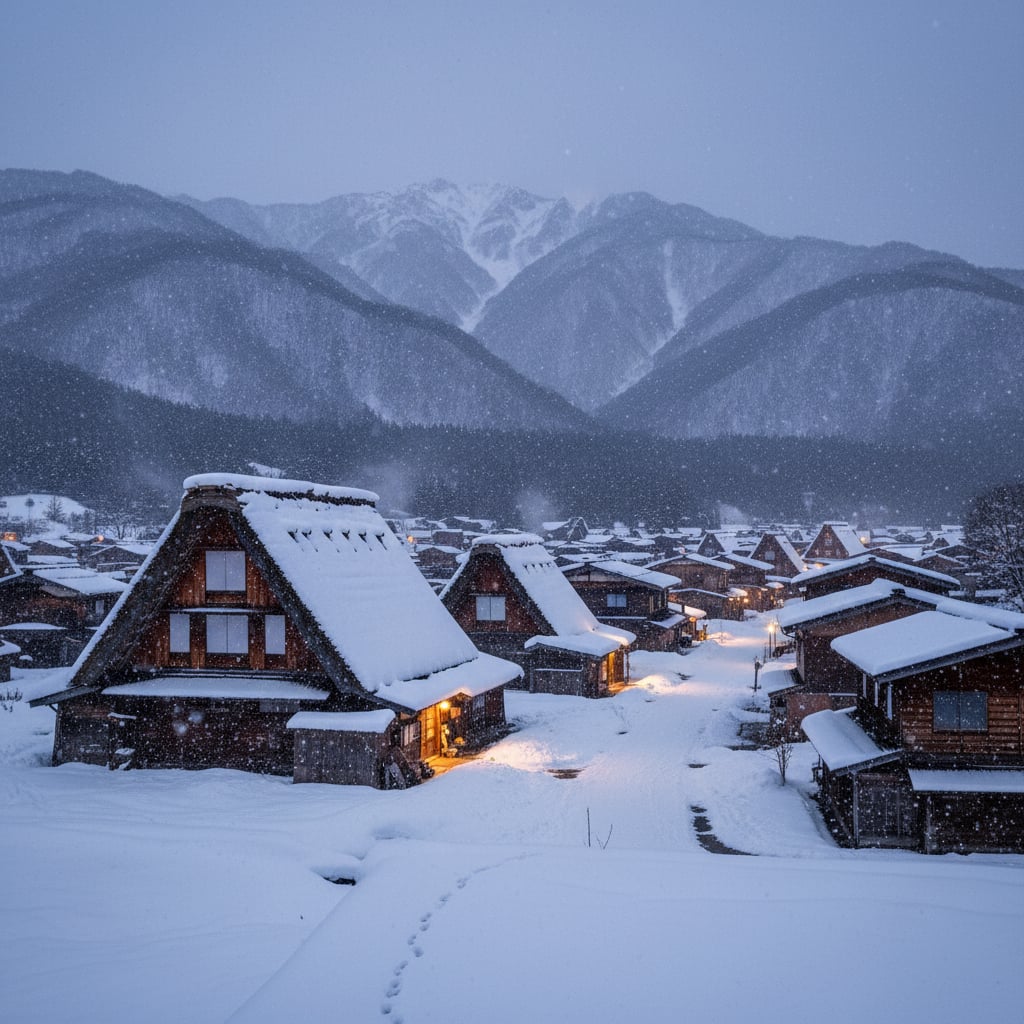
Winter (December - February)
Ski & Onsen Season
World-class powder snow, illumination events, hot springs, and significantly fewer tourists outside ski resorts.
Lower Prices (except ski areas)
Spring in Japan (March - May)
Cherry Blossom Season - Japan's Most Iconic Experience
Temperature
Tokyo: 10-20°C
Kyoto: 8-22°C
Hokkaido: 2-12°C
Weather
Mild, occasional rain
Very comfortable
Crowds
Extremely high
Book 4-6 months ahead
Pricing
Peak rates
30-50% premium
Spring is when Japan truly captures the world's imagination. The cherry blossom "sakura" season transforms the entire country into a pink and white wonderland. But timing is everything - and it's notoriously unpredictable. Blossoms typically last just 7-10 days at full bloom in any given location, and the exact dates shift year to year based on winter temperatures.
Cherry Blossom Timeline (Typical Years)
- Late March: Blossoms open in Kyushu (southern island) and begin spreading north
- Late March - Early April: Tokyo, Kyoto, Osaka reach full bloom - this is the main event
- Mid-April: Blossoms reach the Japanese Alps and central mountain regions
- Late April - Early May: Northern Honshu and the famous Hirosaki Castle
- Early to Mid-May: Hokkaido's cherry blossoms finally peak - Japan's last sakura
Agent Strategy: The 2-Week Buffer
Since exact bloom dates are unpredictable, book clients for at least 10-14 days spanning the forecasted peak. Check the Japan Meteorological Agency's sakura forecast (released early March) and adjust last-minute if possible. If clients have fixed dates, set realistic expectations - catching "peak bloom" requires luck. Even partial bloom or "sakura carpet" (fallen petals) creates beautiful scenes.
Beyond Cherry Blossoms
Spring isn't just about sakura. Late April through May brings wisteria season at places like Ashikaga Flower Park (the famous blue/purple hanging flowers that went viral). Shibazakura (pink moss) carpets hillsides at Fuji Five Lakes. The weather is genuinely pleasant for walking and sightseeing - neither too hot nor too cold.
Key Spring Events & Festivals
- Festival Hanami Parties (nationwide) - Japanese tradition of picnicking under cherry blossoms. Parks fill with locals enjoying food and drinks beneath the trees
- Festival Golden Week (April 29 - May 5) - Japan's biggest holiday week. Domestic tourism peaks, prices surge, everything's crowded. Either embrace it or avoid these exact dates
- Cultural Takayama Spring Festival (April 14-15) - Stunning float procession through historic mountain town
- Cultural Kanamara Matsuri (April, Kawasaki) - Japan's "fertility festival" with its... distinctive imagery. Unique cultural experience
Why Visit in Spring
- Cherry blossoms - bucket-list experience
- Perfect weather for sightseeing
- Beautiful gardens and parks
- Hanami cultural experience
- Wisteria and spring flowers follow sakura
Challenges
- Highest prices of the year
- Extreme crowds, especially Kyoto
- Hotels book out months ahead
- Bloom timing unpredictable
- Golden Week chaos (late April)
Agent Tip: Golden Week Pricing
Golden Week (April 29 - May 5) sees hotel prices jump 50-100% in popular areas. Some clients specifically want the festival atmosphere - sell it as "experiencing Japan at its most Japanese." Others should book before April 28 or after May 6 to avoid the madness and premium pricing.
Summer in Japan (June - August)
Festivals, Fireworks, and Mount Fuji Climbing Season
Temperature
Tokyo: 24-32°C
Osaka: 26-34°C
Hokkaido: 18-26°C
Weather
Hot, humid
Rainy season June-July
Crowds
Moderate overall
Peaks during Obon
Pricing
Shoulder season
Except Obon week
Summer gets a bad rap, and honestly? The heat and humidity are real. Tokyo and Osaka in August feel like walking through a warm, wet blanket. But summer also brings experiences impossible at other times: thundering fireworks festivals, the only chance to climb Mount Fuji, and vibrant matsuri (festivals) that showcase traditional Japan at its most energetic.
The Rainy Season Reality
Tsuyu (rainy season) typically runs from early June through mid-July across most of Japan. Don't panic - it's not constant downpours. Expect overcast skies with periodic rain showers. Hokkaido largely escapes tsuyu entirely, making it an excellent June destination. By late July, skies clear and true summer heat arrives.
Why Summer Actually Works
- Mount Fuji Climbing: Official season runs July 1 - September 10. This is literally the ONLY time hiking trails are open and mountain huts operate
- Fireworks Festivals: Japan's hanabi (fireworks) displays are legendary - bigger, more artistic, and more frequent than anywhere else. Major events draw 500,000+ spectators
- Beach Season: Okinawa's subtropical beaches, Shonan near Tokyo, and coastal areas come alive
- Alpine Escapes: The Japanese Alps stay 10-15°C cooler than lowland cities - perfect for Kamikochi, Tateyama, or Nagano highlands
- Hokkaido Prime Season: While Honshu swelters, Hokkaido enjoys pleasant 20-25°C weather with lavender fields at Furano
Key Summer Events & Festivals
- Major Festival Gion Matsuri, Kyoto (July) - Japan's most famous festival spanning all month, climaxing with massive float procession July 17
- Fireworks Sumida River Fireworks, Tokyo (late July) - 20,000+ fireworks over Tokyo. Iconic. Crowded beyond belief but unforgettable
- Festival Tenjin Matsuri, Osaka (July 24-25) - One of Japan's three great festivals with boat procession and fireworks
- Festival Nebuta Matsuri, Aomori (August 2-7) - Spectacular illuminated float festival in northern Honshu
- Holiday Obon Festival (August 13-16) - Buddhist holiday honoring ancestors. Many Japanese return to hometowns. Tourist crowds thin in cities but transportation's packed
- Festival Awa Odori, Tokushima (August 12-15) - Japan's largest dance festival with 1.3 million visitors
Obon Week Warning
Obon (mid-August) is Japan's second biggest holiday after New Year. Transportation fills up, accommodation prices spike in rural areas, and everything requires advance booking. The flip side? Tokyo and Osaka empty out as locals return to hometowns - making cities surprisingly manageable.
Why Visit in Summer
- Festival season - authentic cultural experiences
- Only time to climb Mount Fuji
- Spectacular fireworks displays
- Hokkaido at its absolute best
- Lower prices outside festival dates
- Beaches and outdoor activities
Challenges
- Oppressive heat and humidity (30°C+)
- June-July rainy season
- Occasional typhoons
- Obon week pricing and crowds
- Outdoor sightseeing exhausting
Agent Tip: Summer Itinerary Strategy
Build summer itineraries around cooler regions. Start/end in Tokyo for connections, but route clients through Hokkaido, the Japanese Alps (Kamikochi, Tateyama Alpine Route), or highland areas. Schedule outdoor sightseeing early morning or evening. Afternoons are for air-conditioned museums, department stores, or that onsen soak.
Autumn in Japan (September - November)
Fall Foliage Season - Momiji Magic
Temperature
Tokyo: 15-25°C
Kyoto: 12-24°C
Hokkaido: 5-18°C
Weather
Clear skies, crisp air
Occasional typhoons (Sept)
Crowds
High but less than spring
Peak late Oct-Nov
Pricing
Peak season rates
Similar to spring
If your clients missed cherry blossom season - or want something equally spectacular but less chaotic - autumn is the answer. Japan's koyo (fall foliage) season transforms temples, mountains, and gardens into blazing displays of red, orange, and gold. Many argue autumn is actually Japan's most beautiful season, and the weather certainly cooperates - clear blue skies, comfortable temperatures, and that magical crisp autumn air.
Fall Foliage Timeline (Typical Years)
Unlike spring's south-to-north progression, autumn colors move from north to south and from mountains to lowlands:
- Late September: Hokkaido's Daisetsuzan mountains see first colors - Japan's earliest autumn
- Mid-October: Colors spread across Hokkaido lowlands and northern Honshu mountains
- Late October - Early November: Japanese Alps, Nikko, and high-elevation areas peak
- Mid to Late November: Kyoto, Tokyo, and central Honshu reach peak - the main event
- Late November - Early December: Colors finally reach southern Honshu and Kyushu
Agent Strategy: Kyoto's Autumn Window
Kyoto's temples surrounded by blazing maples is THE iconic autumn image. Peak typically hits mid-November, but exact timing varies by year and even by temple (some are early, some late). Book 3-4 months ahead for November stays. Consider staying in Osaka (20 minutes away) where hotels are cheaper and availability better.
September: The Transition Month
September straddles summer and autumn. Early September can still feel summery with lingering heat. It's also typhoon season - Japan typically sees 2-3 typhoons in September, though they don't always affect tourist areas. By late September, temperatures become comfortable and early foliage appears in northern mountains.
Key Autumn Events & Festivals
- Cultural Jidai Matsuri, Kyoto (October 22) - Historical costume parade through Kyoto featuring 2,000 participants in period dress spanning 1,200 years of history
- Festival Takayama Autumn Festival (October 9-10) - Stunning float procession through historic mountain town with night illuminations
- Illumination Autumn Night Illuminations (November) - Temples like Kyoto's Kiyomizu-dera and Kodai-ji open for magical nighttime illumination of fall colors
- Cultural Shichi-Go-San (November 15) - Families bring children aged 3, 5, and 7 to shrines in traditional kimono - adorable photo opportunities
Why Visit in Autumn
- Stunning fall foliage
- Perfect sightseeing weather
- Slightly fewer crowds than spring
- Excellent food season (harvest time)
- Night illumination events
- No humidity, clear photography light
Challenges
- Peak season pricing
- Kyoto extremely crowded in November
- Typhoon risk in September
- Popular temples packed
- Hotels book months ahead
Agent Tip: The Early-Mid November Sweet Spot
For Kyoto/Tokyo autumn trips, aim for the first two weeks of November. You'll catch early-to-peak foliage while avoiding the absolute crush of the final two weeks when Japanese domestic tourists join international visitors for the height of koyo season.
Winter in Japan (December - February)
Powder Snow, Onsen, and Illuminations
Temperature
Tokyo: 3-12°C
Kyoto: 1-10°C
Hokkaido: -8 to 0°C
Weather
Cold but dry (Pacific side)
Heavy snow (Sea of Japan side)
Crowds
Low overall
Ski resorts busy
Pricing
Lower (cities)
Peak (ski resorts)
Winter is Japan's most underrated season for non-skiers. Yes, it's cold. But Tokyo and Kyoto see little snow and offer crystal-clear winter days perfect for sightseeing - without the crushing crowds of peak seasons. Add world-class skiing, atmospheric snow festivals, magical illumination events, and the quintessential Japanese experience of soaking in an outdoor onsen while snow falls around you, and winter starts looking pretty appealing.
Two Very Different Winters
Japan's geography creates dramatically different winter experiences:
- Pacific Side (Tokyo, Kyoto, Osaka): Cold but relatively dry with blue skies. Occasional cold snaps. Snow rare except in mountains
- Sea of Japan Side (Niigata, Kanazawa, Hokkaido): Heavy snowfall from Siberian weather systems. Some areas receive 10+ meters of snow annually. This is where skiing happens
Why Skiers Love Japan
Japan's "Japow" - light, dry powder snow - has become legendary in skiing circles. Niseko (Hokkaido) regularly tops lists of world's best ski resorts, receiving 15+ meters of snow annually. Other excellent options include Hakuba (Nagano), Nozawa Onsen, Myoko Kogen, and Rusutsu. What makes Japan special? Consistent powder, tree skiing through birch forests, and the unique combination of world-class slopes with onsen, Japanese cuisine, and cultural experiences nearby.
Key Winter Events & Festivals
- Holiday New Year (December 31 - January 3) - Japan's biggest holiday. Temples and shrines host hatsumode (first shrine visit). Transportation packed, many businesses closed
- Illumination Winter Illuminations (November - February) - Cities transform with spectacular light displays. Tokyo's Marunouchi, Nagoya's Nabana no Sato, and numerous others
- Festival Sapporo Snow Festival (February) - Massive snow and ice sculptures, attracting 2+ million visitors. Japan's biggest winter event
- Cultural Setsubun (February 3) - Bean-throwing ritual at temples to ward off evil spirits and welcome spring
- Wildlife Snow Monkeys (December - March) - Japanese macaques bathing in hot springs at Jigokudani - iconic winter image
Snow Monkey Timing
The famous Jigokudani snow monkeys are accessible year-round, but winter is when you see them actually bathing in the hot springs. The coldest days (when monkeys most want to warm up) offer the best photos. January-February is prime time. It's about a 2-hour journey from Tokyo via Nagano shinkansen.
Why Visit in Winter
- World-class powder skiing
- Significantly fewer tourists
- Lower prices (outside ski areas)
- Magical snow festivals
- Onsen season - outdoor hot springs in snow
- Clear winter skies, Mt Fuji views
- Illumination events
Challenges
- Cold temperatures (0-10°C in cities)
- Shorter daylight hours
- New Year week very busy/expensive
- Some rural attractions closed
- Sea of Japan coast has grey, snowy weather
Agent Tip: The January Sweet Spot
Mid-January through mid-February offers the best winter value. New Year crowds have dispersed, ski conditions are excellent, and prices stabilize. Combine Tokyo/Kyoto city exploration (cold but manageable) with a Hokkaido or Japanese Alps ski extension for clients who want variety.
Best Time to Visit Japan by Activity
| Activity |
Best Months |
Notes |
| Cherry Blossoms |
Late March - Early May |
Tokyo/Kyoto peak late March-early April. Hokkaido early May |
| Fall Foliage |
Mid-October - Late November |
Kyoto peaks mid-November. Mountains earlier |
| Skiing |
December - March |
Best powder January-February. Niseko, Hakuba top picks |
| Mount Fuji Climbing |
July 1 - September 10 |
Only official season. Trails closed other months |
| Festivals |
July - August |
Peak festival season. Also spring/autumn options |
| Beach/Okinawa |
April - October |
Rainy June. Typhoons August-September possible |
| Hiking (Alps) |
July - October |
Snow clears by July. October for fall colors |
| Onsen/Hot Springs |
November - March |
Best in cold weather. Open year-round |
| Temple Visits |
Year-round |
Spring/autumn most scenic. Winter least crowded |
| Food/Cuisine |
Year-round |
Seasonal specialties change. Autumn for matsutake, winter for crab |
Best Time to Visit by Destination
Tokyo
Best: March-May & October-November
Japan's capital works year-round thanks to countless indoor attractions, but spring cherry blossoms at Ueno and Meguro River, plus autumn at Meiji Shrine gardens, make these months magical. Winter is cold but clear - excellent for Mt Fuji views from the city. Summer is hot and humid.
Kyoto
Best: March-May & November
The ancient capital peaks during cherry blossom and fall foliage seasons. November is particularly spectacular but extremely crowded. Summer is hot and humid. Winter offers snow-dusted temples and far fewer tourists - underrated option for those who don't mind cold.
Osaka
Best: March-May & October-November
Similar to Tokyo but slightly warmer. Osaka Castle's cherry blossoms are iconic. The food scene operates year-round. Summer's humidity makes the outdoor street food stalls less comfortable. Consider as Kyoto base - cheaper hotels, easy access.
Hokkaido
Best: July-August (Summer) & December-March (Winter)
Dramatically different from mainland Japan. Summer offers perfect 20-25°C weather when everywhere else swelters - plus lavender fields and outdoor activities. Winter brings world-class skiing, Sapporo Snow Festival, and the freshest seafood.
Okinawa
Best: April-June & September-October
Subtropical islands with year-round warm weather. Beach season runs March-October. Avoid rainy season (May-June) and typhoon peak (August-September). Cherry blossoms bloom January-February - Japan's earliest! Winter is mild but not beach weather.
Japanese Alps (Kamikochi, Tateyama)
Best: May-October
Mountain areas close for winter. Tateyama Kurobe Alpine Route opens mid-April with famous snow walls. Summer offers perfect hiking weather while lowland Japan swelters. Autumn brings spectacular mountain foliage earlier than cities.
Peak vs Off-Peak Pricing Guide for Agents
Understanding Japan's pricing seasons helps you set client expectations and identify value opportunities:
Peak Season (Highest Prices)
- Cherry Blossom Season (late March - mid April): Hotels in Tokyo and Kyoto charge 30-50% premiums. Popular ryokans book out 4-6 months ahead
- Golden Week (April 29 - May 5): Domestic tourism spikes. Prices surge, availability vanishes. Book months ahead or avoid entirely
- Fall Foliage Peak (mid-November): Especially brutal in Kyoto. Expect spring-level pricing and crowds
- New Year (December 28 - January 3): Many accommodations require minimum stays. Prices peak, transportation packed
- Ski Season Peaks: Christmas/New Year, Chinese New Year, and Japanese school holidays (late December, February)
Shoulder Season (Good Value)
- May (post-Golden Week): Excellent weather, cherry blossom crowds gone, reasonable prices
- Early June: Before rainy season hits hard. Hydrangea season. Good deals
- September: Typhoon risk but otherwise pleasant. Summer crowds departed
- Late October - Early November: Beautiful weather, foliage beginning, before November madness
Low Season (Best Value)
- January (post-New Year) through mid-March: Cold but clear. Lowest prices outside ski resorts. Excellent time for budget-conscious clients who don't mind winter
- Rainy Season (June - mid-July): Tourists avoid it, creating bargains. Rain isn't constant - mornings often clear
- July - August (non-ski areas): Heat deters many. Good city hotel deals. Festival experiences compensate for weather
JR Pass Pricing Note
JR Rail Pass prices increased significantly in October 2023. The pass remains valuable for extensive travel but requires careful calculation. For Tokyo-Kyoto round trips only, individual shinkansen tickets may now be cheaper. Always calculate actual routes before recommending the pass.
Booking Lead Times by Season
| Season |
Recommended Lead Time |
Critical Bookings |
| Cherry Blossom (Mar-Apr) |
4-6 months ahead |
Kyoto hotels, popular ryokans, restaurant reservations |
| Golden Week (late Apr-early May) |
4-6 months ahead |
All accommodation, shinkansen seats, domestic flights |
| Summer (Jun-Aug) |
6-8 weeks ahead |
Mount Fuji mountain huts, Hokkaido popular spots during Obon |
| Fall Foliage (Oct-Nov) |
3-4 months ahead |
Kyoto November hotels, popular ryokans |
| Ski Season (Dec-Mar) |
3-4 months ahead |
Niseko accommodation, Christmas/New Year period |
| New Year (late Dec-early Jan) |
4-6 months ahead |
Everything - treat like peak season |
| Low Season (Jan-Mar non-ski) |
4-6 weeks ahead |
Quality ryokans still book up |
Agent Tip: Ryokan Booking Strategy
Traditional Japanese inns (ryokans) with private onsen, kaiseki dinners, and tatami rooms book out fastest in any season. For peak periods, secure ryokan reservations first - sometimes 6+ months ahead. City hotels have more inventory and can often be booked closer to travel dates.
Frequently Asked Questions
What is the cheapest time to visit Japan?
January through mid-March (excluding New Year week) and June-July (rainy season) offer the lowest prices for flights and accommodation. Winter is cold but dry in major cities with clear skies. Rainy season isn't constant downpours - expect afternoon showers with often-clear mornings. Both periods see dramatically fewer tourists and hotel rates 20-40% below peak seasons.
When is cherry blossom season in Japan exactly?
Cherry blossoms typically peak late March to early April in Tokyo and Kyoto, but dates vary yearly based on winter temperatures. The Japan Meteorological Agency releases forecasts in early March. Blossoms open first in southern Kyushu (late March), reach Tokyo/Kyoto (late March-early April), and finish in Hokkaido (early May). Peak bloom lasts only 7-10 days in each location.
Is Japan worth visiting in winter?
Absolutely. Winter offers world-class skiing (Niseko, Hakuba), the famous Sapporo Snow Festival, magical illumination events, snow monkey experiences, and the quintessential pleasure of outdoor onsen in falling snow. Cities like Tokyo and Kyoto are cold (0-10°C) but dry with clear skies. Tourist numbers drop significantly, creating a more authentic experience with shorter queues and easier reservations.
Should I avoid Japan's rainy season?
Not necessarily. Tsuyu (rainy season) runs early June through mid-July across most of Japan. It's not constant rain - expect overcast skies with periodic showers, often in afternoons. Hydrangeas bloom beautifully during this time. Prices drop, crowds thin significantly, and indoor attractions (museums, temples, shopping) work fine. Hokkaido largely escapes tsuyu entirely.
When can you climb Mount Fuji?
Mount Fuji's official climbing season runs July 1 through September 10. Outside these dates, trails are closed, mountain huts don't operate, and climbing becomes dangerous due to weather and snow. Most climbers do overnight ascents to catch sunrise from the summit. Note that a reservation system and fees were introduced - check official requirements before booking clients.
What is Japan's typhoon season?
Typhoons can affect Japan from June through October, with September seeing the highest frequency. Most typhoons impact southern Japan (Okinawa, Kyushu) more than northern regions. Modern forecasting gives several days' warning. While typhoons can disrupt travel plans with transportation cancellations, they typically pass within 1-2 days. Travel insurance covering weather delays is advisable for this period.
When is fall foliage peak in Kyoto?
Kyoto's autumn colors typically peak in mid-November, though exact timing varies by year and even by temple (some trees turn earlier or later). The famous temples like Tofuku-ji, Eikando, and Kiyomizu-dera offer stunning displays. Many temples host evening illuminations during peak foliage. Expect significant crowds - this rivals cherry blossom season for popularity.
How far in advance should I book Japan trips?
For cherry blossom season (late March-April), fall foliage (November), Golden Week, and New Year, book 4-6 months ahead. Ski season requires 3-4 months for popular resorts like Niseko. Summer and winter low seasons allow 4-8 weeks lead time. High-end ryokans with private onsen book out fastest - secure these first regardless of season.
B2B Travel Platform
For Travel Agents
Japan Destination Experts
24/7 Support
Related Japan Travel Resources