Japan Travel Guide 2026
Your complete guide to Japan's destinations, culture, bullet trains, and cherry blossoms for creating unforgettable client experiences
Why Japan Is Surging as a Destination
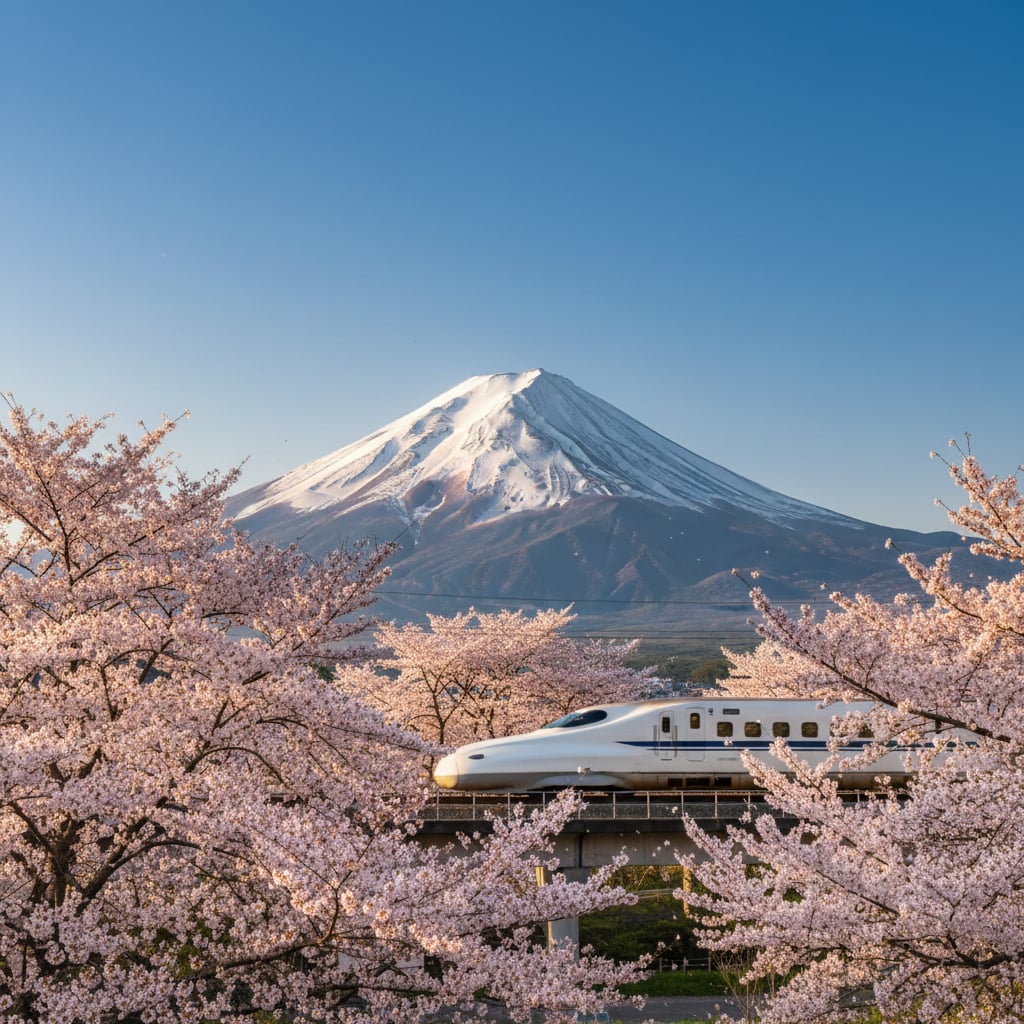
Japan's experiencing its biggest tourism boom in history. And for good reason. The weak yen means everything from sushi to Shinkansen tickets costs 30-40% less than pre-pandemic. Your clients can finally afford that ryokan stay they've been dreaming about.
Here's what's driving the surge: the yen dropped from around 105 to the dollar in 2020 to hovering around 150 in 2024-2026. That's not a small fluctuation - it's transformative. A SGD 300 dinner at a Michelin-starred restaurant in Tokyo? Now it's SGD 200. The JR Pass that seemed pricey? Suddenly reasonable. Japan went from "bucket list someday" to "let's book it now" for many Southeast Asian travelers.
But it's not just the currency. Japan relaxed visa requirements significantly post-COVID. Singapore, Malaysia, Thailand, Philippines - most ASEAN passport holders enjoy visa-free entry for up to 90 days. No more embassy visits or stressful paperwork. Just book flights and go.
Quick Facts
- Capital: Tokyo
- Population: 125 million
- Language: Japanese
- Currency: Japanese Yen (JPY)
- Time Zone: GMT+9 (1 hour ahead of SG)
- Flight from Singapore: 7 hours
Why Clients Love Japan
- Safe, clean, efficient - everything works
- Unique blend of ancient and ultra-modern
- World-class food at every price point
- Cherry blossoms and autumn foliage
- Anime, gaming, pop culture hotspot
- Exceptional hospitality (omotenashi)
Getting to Japan: Airports & Flight Routes
Japan has three major international airports serving different regions. Understanding which one to fly into can make or break your client's itinerary.
Tokyo Area Airports
Narita International Airport (NRT): The main international gateway, located 60km east of central Tokyo. Most international flights land here. The downside? It's far from the city - expect 60-90 minutes by Narita Express train. Good for clients starting in Tokyo with time to spare.
Haneda Airport (HND): Tokyo's city airport, only 20-30 minutes from central Tokyo. Singapore Airlines, ANA, and JAL operate direct flights from Singapore. Strongly recommend Haneda for red-eye flights or tight connections. The convenience is worth the sometimes-higher fares.
Kansai Region
Kansai International Airport (KIX): Serves Osaka, Kyoto, Kobe, and Nara. If your clients are focused on western Japan or want to skip Tokyo entirely, fly directly into KIX. The Haruka Express connects directly to Kyoto (75 minutes) and Osaka (50 minutes). Several Southeast Asian carriers fly direct.
From Singapore
Multiple daily flights from Changi to both Tokyo airports. Singapore Airlines, Scoot, JAL, and ANA all compete on this route. Flight time is approximately 7 hours. Scoot offers budget options with decent service. For premium clients, Singapore Airlines' premium economy or business class on their A350s provides excellent value.
Pro Tip for Agents: Consider open-jaw itineraries - fly into Tokyo, out of Osaka (or vice versa). Avoids backtracking and makes the most of JR Pass for one-way Shinkansen journey. Airlines usually don't charge extra for open-jaw routing.
Tokyo - The Electric Capital
Tokyo Overview
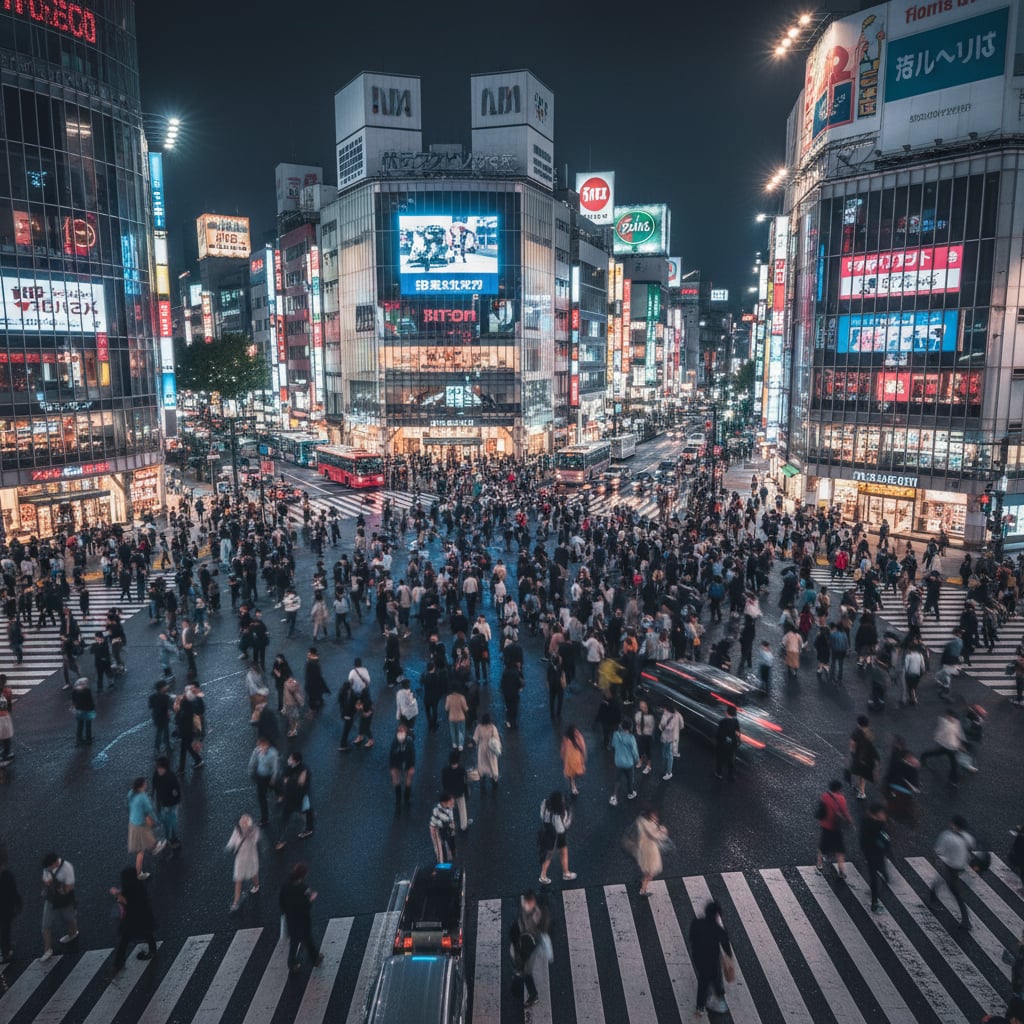
Tokyo is overwhelming in the best possible way. 37 million people in the greater metropolitan area, yet somehow everything runs on time. The trains are punctual to the second. Streets are spotlessly clean. Vending machines dispense everything from hot coffee to umbrellas.
First-time visitors need minimum 3 nights, ideally 4-5. Tokyo's neighborhoods are so distinct they feel like different cities entirely.
Must-Visit Tokyo Neighborhoods
Shibuya & Shinjuku
The iconic crossing where 3,000 people cross at once. Shibuya 109 for fashion, endless izakayas in the backstreets. Shinjuku is the busiest station in the world - 3.5 million passengers daily. Golden Gai's tiny bars (some fit only 6 people) offer intimate drinking experiences. Robot Restaurant (now closed but alternatives exist) was peak Japanese weirdness.
Akihabara (Electric Town)
Anime and electronics paradise. Multi-floor arcades, maid cafes, figure shops, retro gaming stores. Even non-gamers find it fascinating. The sensory overload is part of the experience. Best visited after dark when neon signs blaze.
Asakusa & Senso-ji Temple
Tokyo's oldest and most famous temple. Nakamise-dori shopping street leads to the temple with traditional snacks and souvenirs. Thunder Gate (Kaminarimon) is Instagram essential. Much more traditional atmosphere than modern Tokyo districts. Go early morning to avoid crowds.
Tsukiji Outer Market
The inner wholesale market moved to Toyosu, but the outer market remains the best place for fresh sushi breakfast and Japanese knives. Arrive by 7-8am for the authentic experience. Tamagoyaki (sweet omelet) vendors, fresh oysters, and tuna specialists line the narrow alleys.
Tokyo Agent Tips:
- Hotels in Shinjuku offer best value - central location, major station hub
- Shibuya appeals to younger travelers, Ginza for luxury shoppers
- Book teamLab Borderless/Planets tickets weeks in advance - they sell out
- Recommend staying 1-2 nights in a capsule hotel for the experience (budget clients)
- Disney Tokyo/DisneySea requires full day - factor into itinerary if clients want it
Kyoto - The Cultural Heart of Japan
Kyoto Overview
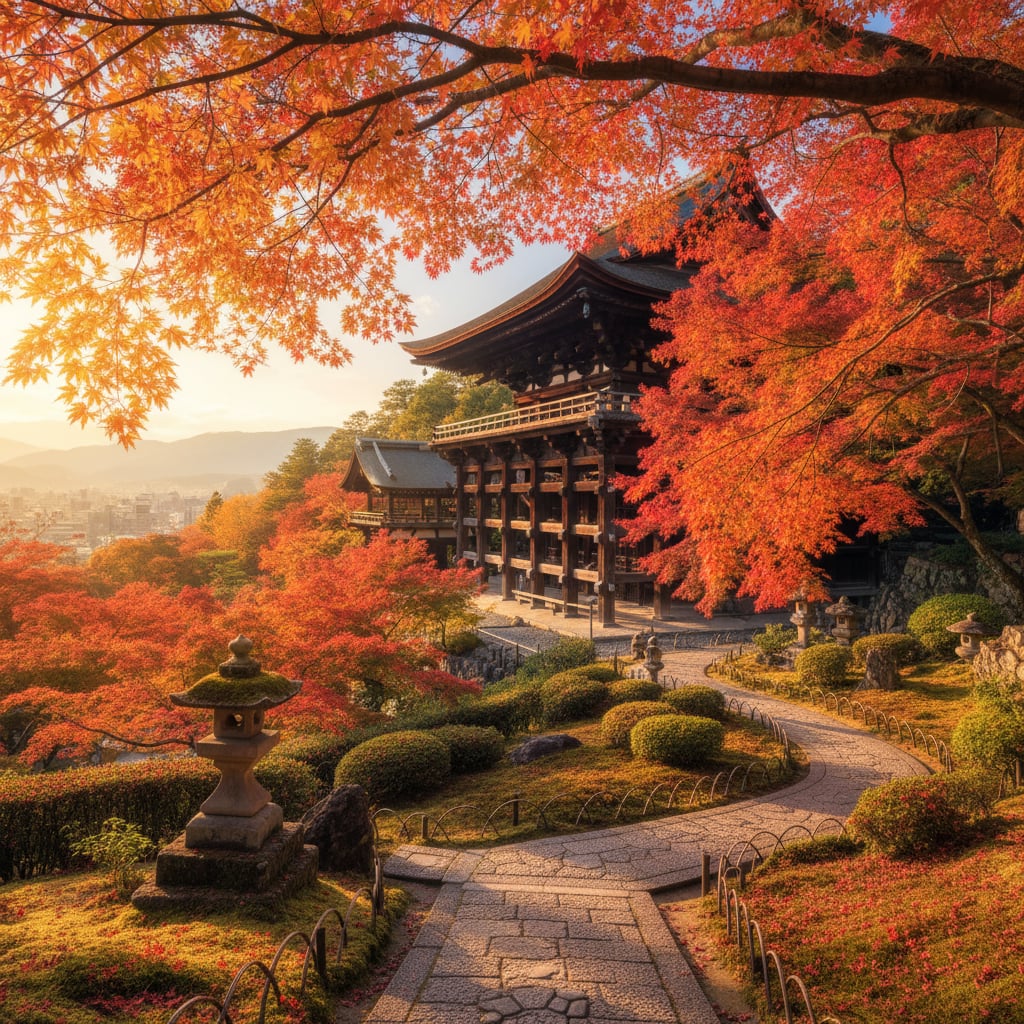
Kyoto served as Japan's capital for over 1,000 years. It survived WWII bombing (thankfully spared from the atomic target list), preserving its 2,000+ temples and shrines. This is where your clients come to experience "old Japan" - geisha districts, tea ceremonies, Zen gardens, and ancient wooden architecture.
Budget 2-3 nights minimum. The city deserves exploration beyond the tourist highlights.
Essential Kyoto Experiences
Fushimi Inari Shrine
10,000 vermillion torii gates climbing up Mount Inari. Free to enter, open 24 hours. The iconic photos are at the lower gates - but the real magic happens when you climb higher and crowds thin out. Full hike takes 2-3 hours. Sunrise visits offer empty gates and magical light.
Arashiyama Bamboo Grove
The famous bamboo forest that's on every Japan guidebook cover. Peak hours are impossibly crowded - arrive before 8am or visit on weekday. The nearby Tenryu-ji Temple (UNESCO site) and monkey park add value to the trip. Rent bicycles to explore the full Arashiyama area.
Gion Geisha District
Hanamachi (flower town) where geiko (Kyoto's term for geisha) and maiko (apprentices) train and entertain. Evening walks along Hanami-koji Street might reward visitors with geisha sightings. Please remind clients: no chasing or grabbing geisha for photos - it's become such a problem that some streets are now restricted.
Kinkaku-ji (Golden Pavilion)
The iconic gold-leaf covered temple reflected in a mirror pond. Genuinely stunning regardless of how many photos you've seen. Worth the admission fee and usually crowded - there's no way around it. The original burned down in 1950 (a monk set it on fire), but the reconstruction is faithful.
Traditional Tea Ceremony
Kyoto is THE place for authentic tea ceremony experiences. Options range from tourist-friendly 45-minute sessions (JPY 2,000-4,000) to proper multi-hour experiences in traditional tea houses (JPY 10,000+). Book through DMCs for quality experiences - random booking sites often deliver disappointing, assembly-line ceremonies.
Kyoto Agent Tips:
- Shinkansen from Tokyo takes 2 hours 15 minutes - easy day trip but better to stay overnight
- Rent kimono for the day (JPY 4,000-8,000) - clients love photos at temples
- Book ryokan in Kyoto for traditional experience - better value than Tokyo
- Autumn (November) and cherry blossom season are incredibly crowded - book months ahead
- Nara (deer park, great Buddha) is 45 minutes away - excellent day trip
Osaka - Japan's Kitchen
Osaka Overview
Osaka is Japan's second city and proud of its distinct identity. Osakans are louder, funnier, and more direct than their Tokyo counterparts. The city's motto is "kuidaore" - eat until you drop. And clients will try. Street food here is legendary.
Osaka works as 1-2 night stopover or base for exploring Kansai region. Many budget travelers prefer Osaka hotels (cheaper than Kyoto) and day-trip to Kyoto.
Osaka Highlights
Dotonbori
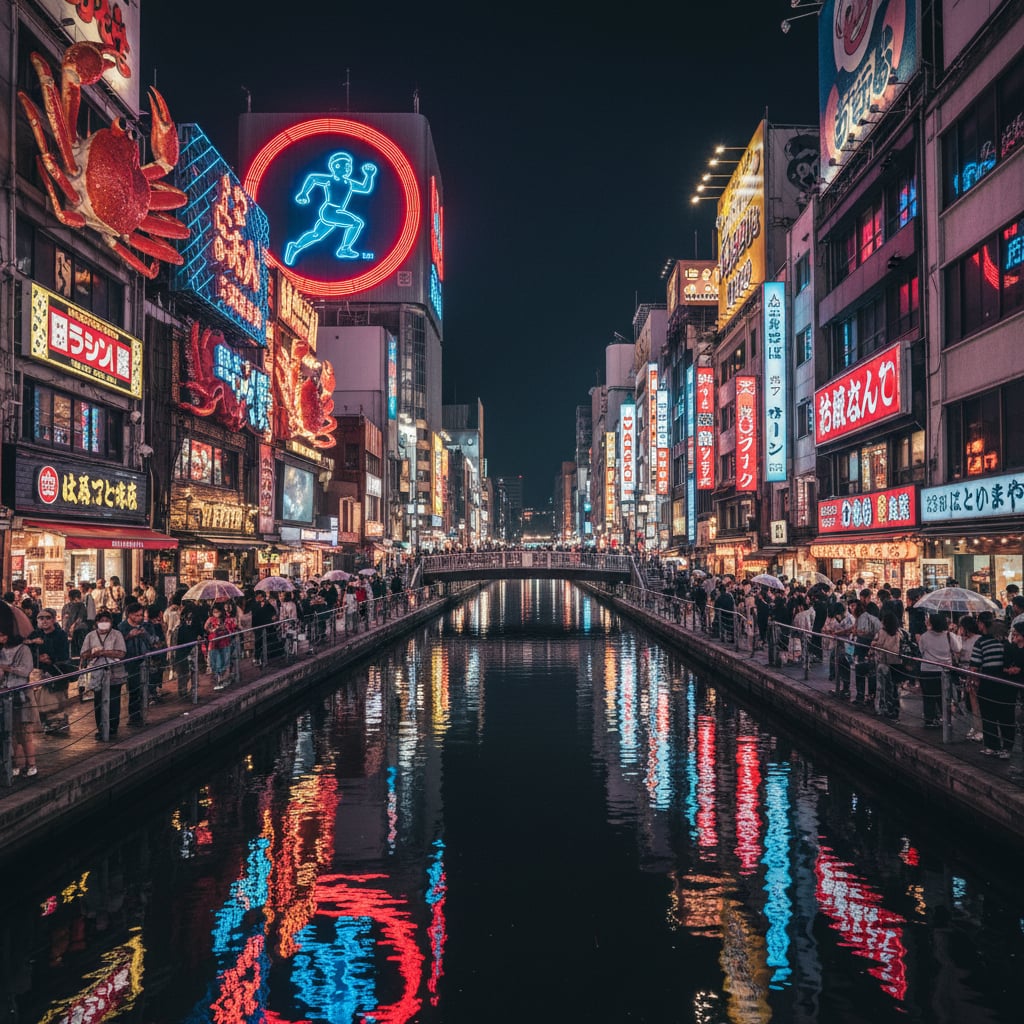
The famous canal lined with giant neon signs - the running Glico man, the moving crab, the cartoon-faced takoyaki shop. At night, it's sensory overload in the best way. Every block offers different street food. Budget-conscious clients can eat extremely well here for under SGD 20.
Osaka Castle
The symbol of Osaka, surrounded by parkland. The current structure is a 1931 concrete reconstruction (the original was destroyed repeatedly), but it's still impressive. The museum inside tells the story of Toyotomi Hideyoshi, who unified Japan. Cherry blossom season makes the surrounding park magical.
Shinsekai District
Retro entertainment district with the distinctive Tsutenkaku Tower. Kushikatsu (deep-fried skewers) restaurants line the streets - this is where the dish originated. Grittier and more authentic than polished Dotonbori. Locals recommend eating kushikatsu at Daruma or Yaekatsu chains.
Must-Eat in Osaka:
- Takoyaki: Octopus balls - Osaka's signature street food
- Okonomiyaki: Savory pancake loaded with cabbage and toppings
- Kushikatsu: Deep-fried skewers with various ingredients (no double-dipping sauce!)
- Gyoza: Pan-fried dumplings - Osaka-style has crispy wings connecting them
Hiroshima & Miyajima Island
Hiroshima carries the weight of history, but the city itself is vibrant and forward-looking. Most visitors come for the Peace Memorial, but Miyajima Island alone justifies the trip.
Hiroshima Peace Memorial Park
The A-Bomb Dome stands as UNESCO World Heritage site - the skeletal remains of a building near the bomb's hypocenter. The Peace Memorial Museum provides sobering, essential education about nuclear weapons. Emotional but not overwhelming - the Japanese approach is contemplative rather than graphic. Allow 2-3 hours.
Miyajima Island
The floating torii gate of Itsukushima Shrine is one of Japan's most photographed landmarks. The vermillion gate appears to float during high tide. Free-roaming deer populate the island (less aggressive than Nara's). Excellent for momiji manju (maple leaf cakes) and oysters. Day trip from Hiroshima or stay overnight for sunset/sunrise views without crowds.
Access: Shinkansen from Kyoto/Osaka takes 1.5-2 hours. JR Pass covers both the train and ferry to Miyajima. Can be done as long day trip from Osaka, but overnight in Hiroshima is more comfortable.
Hakone - Mt Fuji Views & Hot Springs
Hakone Overview
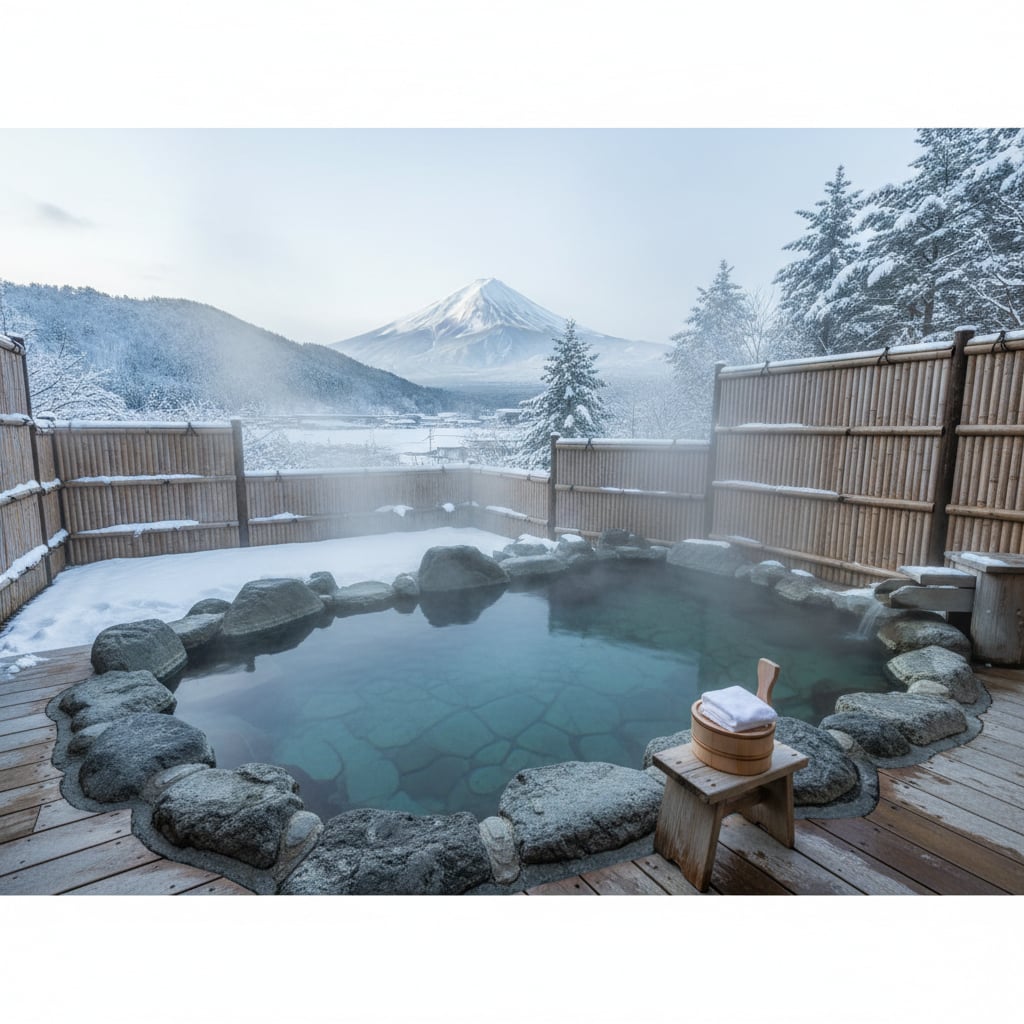
Hakone is Tokyo's escape - a mountainous area 90 minutes from the city offering hot springs, traditional ryokans, and (weather permitting) spectacular Mt Fuji views. The Hakone Free Pass includes trains, buses, cable cars, ropeways, and boats - an excellent value that turns transportation into the attraction.
Hakone Experiences
Hakone Loop
The classic circuit: train to Hakone-Yumoto, switchback railway up the mountain, cable car through volcanic Owakudani (black eggs!), ropeway to Lake Ashi, pirate ship across the lake, bus back. Takes a full day. The Hakone Free Pass covers everything for JPY 6,100 (2-day validity).
Mt Fuji Viewing
Fuji is visible on approximately 80 clear days per year - usually autumn/winter mornings offer best chances. Summer humidity often obscures the mountain. Don't guarantee clients a clear view, but position it as "if we're lucky." Early morning at Lake Ashi or Owakudani offers best odds.
Ryokan & Onsen Experience
Hakone is THE place for overnight ryokan (traditional inn) experience. Kaiseki multi-course dinner, futon sleeping, yukata robes, and private onsen baths. Prices range from JPY 25,000 to 100,000+ per person per night. Not cheap, but unforgettable. Book through DMC for quality properties - online booking sites can mislead on ryokan quality.
Agent Tips: Don't book Hakone during rainy season (June) or typhoon season (September). Visibility matters here. For clients short on time, day trip works but overnight is transformative.
Best Japan Experiences
Bullet Train (Shinkansen)
Riding the Shinkansen is a Japan essential. Tokyo to Kyoto in 2 hours 15 minutes at 285 km/h. The experience itself - punctuality, cleanliness, Mt Fuji views, ekiben (station bento boxes) - is memorable. Book window seats on the right side (Kyoto direction) for best Fuji views.
Cherry Blossom Viewing (Hanami)
Peak sakura season lasts about 2 weeks, usually late March to early April in Tokyo/Kyoto. Japanese treat this seriously - picnics under the blossoms, company parties, late-night viewing. Book 6+ months ahead for this period. The pink tunnels of Meguro River (Tokyo) and Philosopher's Path (Kyoto) are iconic.
Autumn Foliage (Koyo)
Mid-November brings spectacular red and orange maple leaves. Kyoto temples are the gold standard - Tofuku-ji, Eikando, Kiyomizu-dera. Less crowded than cherry blossom season but accommodations still book fast. The colors against ancient temple architecture create unforgettable photos.
Skiing (Niseko/Hakuba)
Japan's powder snow is legendary - light, fluffy, consistent. Niseko (Hokkaido) attracts international skiers December-March. Hakuba (Nagano, near Tokyo) offers more authentic Japanese atmosphere. Excellent for clients combining winter sports with cultural sightseeing.
Practical Information
JR Pass
The Japan Rail Pass is essential for multi-city trips. A 7-day ordinary pass costs around JPY 50,000 (approximately SGD 450). This covers:
- All JR trains including most Shinkansen
- JR buses and ferries
- Tokyo Monorail to/from Haneda
- Narita Express to/from Narita
Note: Must be purchased BEFORE entering Japan. Activate on first travel day. DMC Quote offers wholesale JR Pass pricing.
Currency & Payment
Currency: Japanese Yen (JPY). Current rate approximately JPY 110-115 = SGD 1.
Cash still king: Many small restaurants, temples, and shops are cash-only. Carry JPY 10,000-20,000 minimum.
ATMs: 7-Eleven and post office ATMs accept foreign cards. Other ATMs often reject them.
Credit cards: Accepted at hotels, department stores, major restaurants. Always have cash backup.
Connectivity
WiFi: Available at hotels and many cafes but coverage is patchy. Don't rely on it.
Pocket WiFi: Rent at airport (JPY 500-1,000/day). Connects multiple devices. Popular choice.
SIM cards: Available at airports and electronics stores. Data-only SIMs from JPY 3,000 for 2 weeks.
Recommendation: Pocket WiFi for groups/families, SIM for solo travelers.
Etiquette Essentials
- No tipping: Don't tip anywhere - it can cause confusion
- Shoes off: Remove shoes at temples, ryokans, some restaurants
- Quiet trains: No phone calls, minimal conversation on trains
- Queuing: Japanese queue perfectly - join the line
- No eating while walking: Considered rude (except at festivals)
- Trash: Public bins are rare - carry trash to hotel
Accommodation Types in Japan
Traditional Ryokan SGD 200-800+/night
Japanese inn experience with tatami rooms, futon beds, communal baths (onsen), and kaiseki multi-course dinner. This is THE quintessential Japan experience. Best in Hakone, Kyoto, and hot spring towns. Prices include dinner and breakfast - excellent value when you factor in the meal quality.
Business Hotels SGD 80-150/night
Compact, functional, spotlessly clean. Chains like Dormy Inn, Toyoko Inn, APA Hotel offer consistent quality. Rooms are small but efficiently designed. Many include onsen baths and breakfast. Perfect for clients who just need a clean bed and don't need space.
Capsule Hotels SGD 30-60/night
The uniquely Japanese experience - sleeping in a pod. Originally for salarymen who missed last train, now tourist attraction in itself. Modern capsule hotels (Nine Hours, The Millennials) offer design-forward pods with privacy. Fun for 1-2 nights, recommend as experience rather than entire stay.
Luxury International Hotels SGD 400-1,000+/night
Ritz-Carlton, Aman, Park Hyatt, Mandarin Oriental - all have stunning Japan properties. Park Hyatt Tokyo (Lost in Translation fame) remains iconic. These hotels offer Western comfort with Japanese aesthetics. Good for clients who want luxury without cultural adjustment.
Japan Food Guide
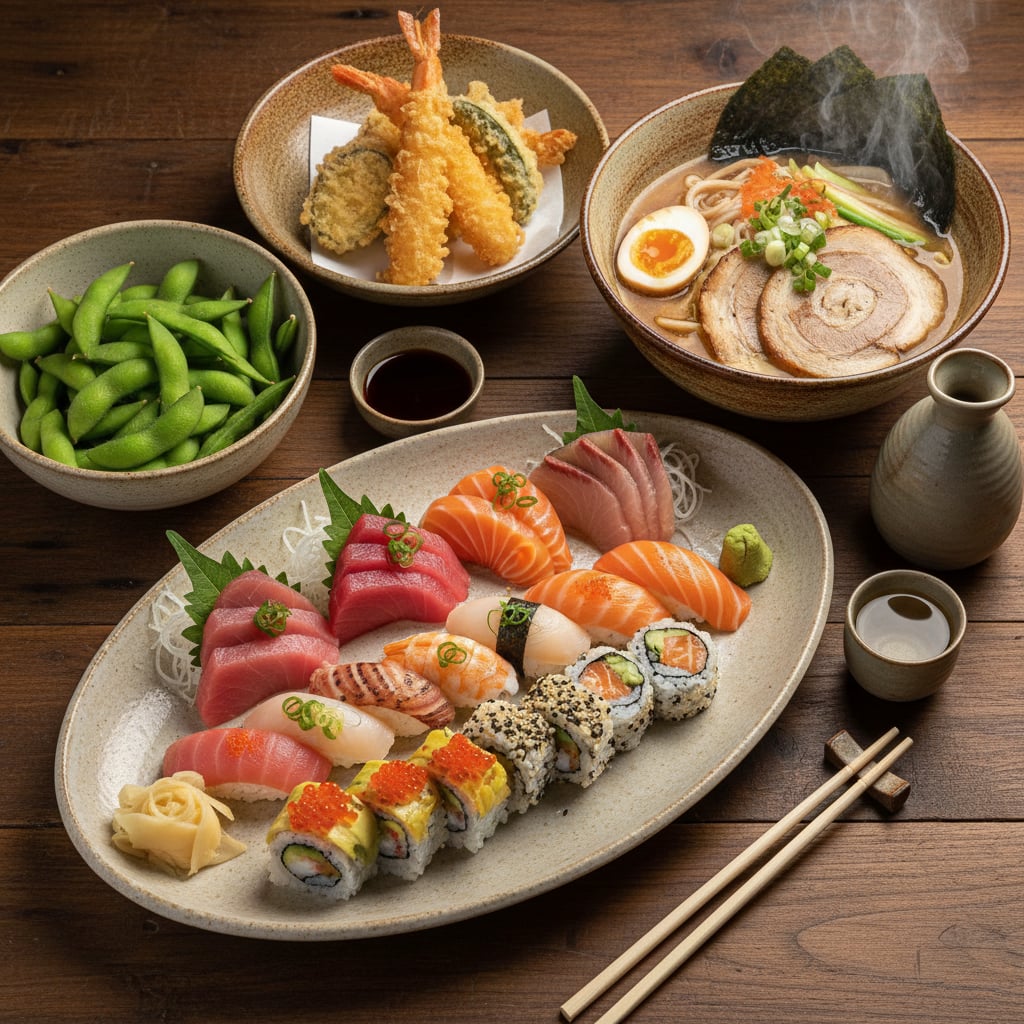
Japanese cuisine isn't just sushi. Each region has specialties, each dish has rules, and quality spans from SGD 5 convenience store onigiri to SGD 500 kaiseki dinners. Here's what your clients need to know.
Must-Try Japanese Foods
Conveyor belt (kaiten-zushi) starts from JPY 100/plate. Mid-range sushi restaurants run JPY 3,000-8,000. Omakase (chef's choice) at high-end places goes JPY 20,000+. Tsukiji outer market for breakfast sushi is a quintessential Tokyo experience.
Regional styles vary dramatically. Tokyo: soy-based, clear broth. Kyoto: mild, chicken-based. Kyushu (Hakata): thick, creamy tonkotsu pork broth. A bowl costs JPY 800-1,200 at most shops. Ichiran offers solo-dining booths for introverted slurping.
Japanese beef with intense marbling. Kobe beef is the famous variety but A5 wagyu from other regions (Matsusaka, Hida) is equally good. Expect JPY 5,000-15,000 for a proper steak. Teppanyaki restaurants offer theatrical cooking.
Light, crispy battered vegetables and seafood. Specialty tempura restaurants serve course menus. Street-side tempura bowls (tendon) are budget-friendly at JPY 800-1,500.
Multi-course haute cuisine using seasonal ingredients. This is Japanese fine dining at its peak - 10-15 small dishes presented as edible art. JPY 15,000-50,000 per person. Often included in ryokan stays.
7-Eleven, Lawson, and Family Mart are destinations, not just quick stops. Fresh onigiri, sandwiches, fried chicken, and surprisingly good prepared meals at low prices. Budget travelers can eat well for under JPY 1,000/day using konbini.
Why Book Japan Through DMC Quote
Japan's complexity makes it the perfect destination for agent-booked travel. DIY travelers struggle with language barriers, confusing train systems, and accommodation that doesn't match expectations. Your expertise adds genuine value here.
Local DMC Partners
Direct relationships with Japan-based DMCs who know the destination intimately. They handle hotel confirmations, transport arrangements, and last-minute changes with Japanese efficiency. When things go wrong (they rarely do), you have on-ground support.
JR Pass at Wholesale
Access JR Pass at B2B rates. The pass is already great value, but wholesale pricing adds margin for your agency while keeping client costs competitive. We handle voucher processing and activation instructions.
Curated Ryokan Selection
Online booking sites can't tell a traditional ryokan from a concrete tower with tatami floors. We've vetted properties for authenticity, service quality, and value. No more disappointing "ryokan experiences" that turn out to be business hotels.
Multi-City Package Expertise
Tokyo-Kyoto-Osaka is the Golden Route, but Japan offers much more. We help build itineraries that include Hiroshima, Hakone, Nara, or ski resorts. Logistics are complex - we handle the complexity so you don't have to.
Frequently Asked Questions
Cherry blossom season (late March to early April) and autumn foliage (mid-November) are peak periods with highest demand and prices. Spring (March-May) and autumn (September-November) offer the best weather overall. Summer (June-August) is hot and humid with rainy season (tsuyu) in June - not ideal but manageable. Winter (December-February) is excellent for skiing, hot springs, and fewer crowds in cities.
For most multi-city itineraries, absolutely. A 7-day JR Pass costs around JPY 50,000 (approximately SGD 450), which pays for itself with just one Tokyo-Kyoto-Tokyo round trip on the Shinkansen. The pass covers unlimited travel on most JR trains, including bullet trains, making multi-city trips extremely convenient. If clients are only staying in one city, the pass isn't worth it - do the math based on their specific itinerary.
Citizens of Singapore, Malaysia, Thailand, Philippines, and most ASEAN countries enjoy visa-free entry for stays up to 90 days (15 days for some nationalities). All visitors must register on Visit Japan Web before arrival for customs, immigration, and quarantine processing. Always verify current requirements as policies can change - Japan Immigration Bureau website has the latest information.
Japan offers excellent value since the yen weakened significantly (2022-2024). Budget hotels start from SGD 80-100/night, mid-range from SGD 150-250, and luxury from SGD 400+. Meals range from SGD 10-15 at convenience stores and ramen shops to SGD 50+ for kaiseki dining. Transportation is the big expense - JR Pass helps control costs. Overall, Japan is no longer the expensive destination it once was.
Japanese is the official language. English proficiency is limited outside major tourist areas, though signage at train stations and tourist attractions is usually bilingual. Translation apps like Google Translate with camera function are essential - point at menus, signs, and get instant translation. Hotel and airport staff typically speak basic English. Learning a few Japanese phrases (arigatou, sumimasen, kudasai) is appreciated.
Tokyo Narita Airport is 60-90 minutes from central Tokyo via Narita Express (NEX) or Skyliner train - both cost around JPY 3,000-3,500. Haneda Airport is closer, about 30-45 minutes by monorail or Keikyu line for JPY 500-700. Kansai International Airport connects to Osaka (50 min) and Kyoto (75 min) via Haruka Express. All airport trains are covered by JR Pass except Skyliner. Taxis are very expensive - avoid unless necessary.
Comfortable walking shoes are absolutely essential - Japan involves lots of walking on trains, temples, and city streets. Pack layers for variable weather, even in summer (air conditioning is aggressive indoors). Bring slip-on shoes for easy removal at temples and traditional accommodations. A portable WiFi device or SIM card is crucial. Small towel (tenugui) is useful as many restrooms lack paper towels. Compact umbrella for unexpected rain.
Japan is still largely cash-based, though this is changing. Major hotels, department stores, and chain restaurants accept cards (Visa and Mastercard widely, Amex less so). Many small restaurants, shrines, local shops, and vending machines are cash-only. 7-Eleven and post office ATMs reliably accept foreign cards - other bank ATMs often reject them. Carry JPY 10,000-20,000 in cash at all times. IC cards (Suica/Pasmo) for trains can be loaded with cash at stations.
Ready to Book Japan for Your Clients?
Access wholesale rates for Japan hotels, JR Pass, tours, and transfers. DMC Quote connects you directly with verified local partners.
Related Japan Resources
Japan Visa Requirements
Complete visa guide for all nationalities including Visit Japan Web registration process.
Japan Destination Overview
Hotels, tours, and transfer options across Japan's major cities.
Japan Hotels - B2B Rates
Access wholesale hotel inventory across Tokyo, Kyoto, Osaka, and beyond.
How to Access DMC Rates
Step-by-step guide to registering and accessing wholesale travel rates.