The airline commission landscape has undergone dramatic transformation over the past two decades, fundamentally changing how travel agents earn revenue from flight bookings. Understanding these structures is critical for any agency looking to maximize profitability in the competitive air travel market.
The Evolution of Airline Commissions
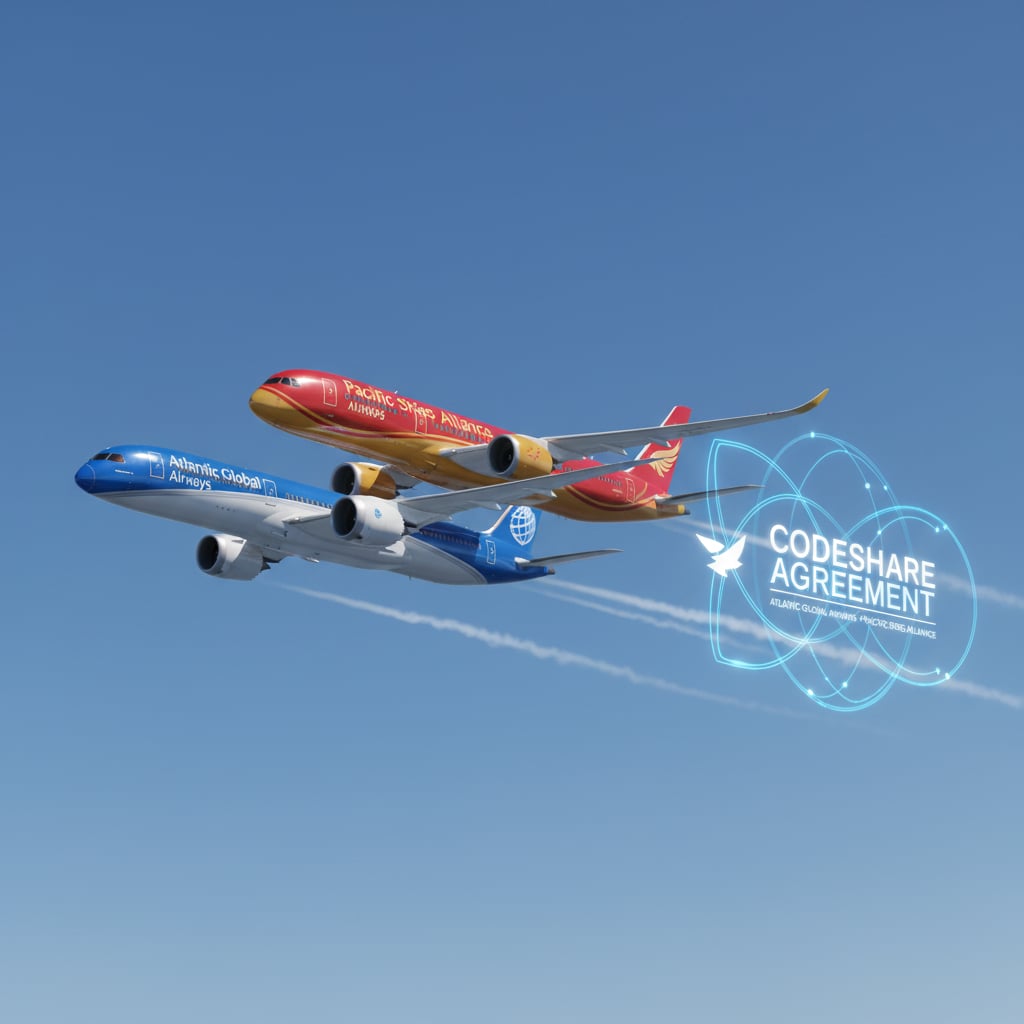
Gone are the days when airlines paid standard 10% commissions on all ticket sales. Since the early 2000s, most major carriers have eliminated base commissions entirely, forcing travel agents to adapt their business models. Today, successful agencies combine multiple revenue streams including service fees, preferred supplier agreements, and consortium override commissions.
The shift began when airlines realized they could sell directly to consumers via their websites, eliminating the middleman cost. This disintermediation forced travel agents to prove their value proposition beyond simple ticket issuing. Modern agents now focus on complex itineraries, corporate accounts, and premium cabin sales where expertise still commands value.
Current Commission Models Explained
Override Commissions: The most common revenue source for established agencies involves negotiated override agreements with specific carriers. These typically range from 1-5% and are paid when agencies meet volume targets. For example, an agency might earn 2% on the first $500,000 in ticket sales with a particular airline, increasing to 3% beyond that threshold.
Consortium Benefits: Joining a travel consortium or host agency provides access to group override commissions. Organizations like Virtuoso, Signature Travel Network, or Travel Leaders negotiate on behalf of member agencies, providing commission rates individual agencies could never achieve independently. These arrangements often include bonuses for premium cabin bookings and preferred routing.
GDS Incentives: Global Distribution Systems like Sabre, Amadeus, and Travelport offer segment fees and incentive payments to agencies. While these don't come directly from airlines, they represent important revenue for agencies processing high volumes of bookings.
Corporate vs Leisure Markets
Commission structures differ significantly between market segments. Corporate travel accounts typically involve negotiated service fees rather than commissions, with agencies charging per-transaction fees ranging from $25-75 depending on complexity. Some agencies structure corporate agreements as monthly management fees based on anticipated volume.
Leisure bookings often rely more heavily on override commissions combined with transaction fees. Smart agencies implement tiered fee structures where complex international itineraries command higher fees than simple domestic roundtrips. At DMC Quote, we help agents structure competitive yet profitable fee schedules.
Low-Cost Carrier Challenges
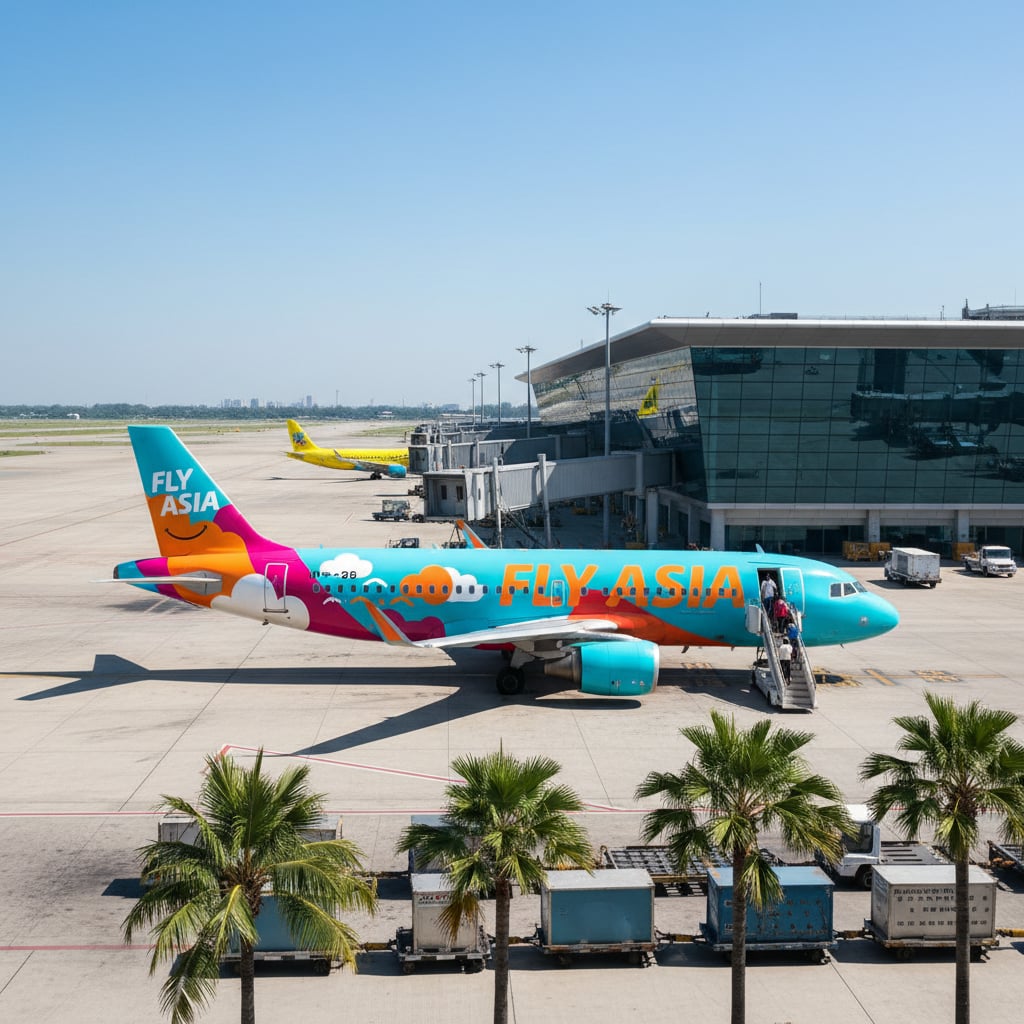
Budget airlines like AirAsia, Scoot, and Jetstar typically offer zero commissions to travel agents, creating additional challenges. Successful agencies either avoid these carriers entirely or implement substantial service fees that make LCC bookings profitable. Some agencies charge flat fees of $50-100 per LCC booking to compensate for the lack of airline compensation.
The key is transparency with clients about why booking through an agency might cost more than direct booking with a budget carrier, emphasizing value-added services like 24/7 support, complex itinerary management, and assistance during disruptions.
Maximizing Commission Revenue
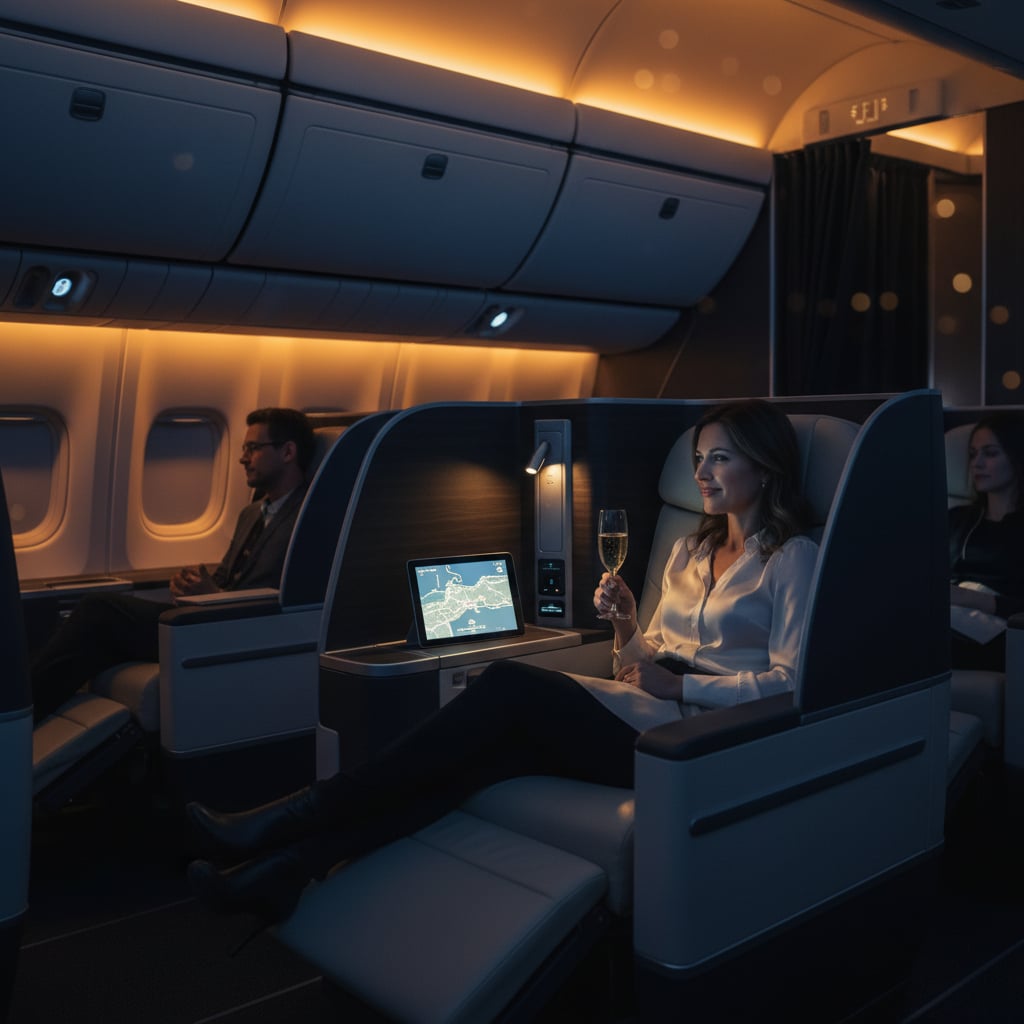
Focus on Premium Cabins: Business and first-class tickets not only generate higher override percentages but also allow for higher service fees. A $5,000 business class ticket might yield $150 in commissions plus a $100 service fee, whereas an economy ticket might only produce $30 total revenue.
Develop Preferred Partnerships: Rather than booking across dozens of carriers, focus on 5-8 airlines where you can build volume for better override tiers. This concentrated approach also improves your relationships with airline representatives.
Leverage Technology: Automated fare tracking and price alert systems help identify the best commission opportunities. Some agencies use specialized software to compare not just customer-facing prices but also expected commission revenue across different routing options.
International Considerations
Commission structures vary dramatically by region. Middle Eastern and Asian carriers often maintain higher commission rates than North American airlines. For example, some Asian carriers still pay 5-7% commissions to maintain distribution, particularly in markets where online booking is less prevalent.
Understanding these regional differences allows agencies to optimize their supplier recommendations. When multiple routing options exist, choosing the carrier with better commission terms can significantly impact profitability without affecting customer price.
Future Trends
The airline distribution landscape continues evolving with NDC (New Distribution Capability) technology. While airlines promote NDC as enabling richer content and personalization, it also gives them more control over commission structures. Forward-thinking agencies are investing in NDC connectivity to ensure they maintain access to the full range of fares and ancillaries.
Some airlines are experimenting with new commission models tied to customer value rather than transaction volume. These might reward agencies for customer retention, ancillary attachment, or premium cabin conversion rather than just total bookings.
Building Sustainable Revenue
The most successful agencies today don't rely solely on airline commissions. Instead, they build diversified revenue streams including professional service fees, travel insurance commissions, hotel and ground service markups, and value-added services like visa assistance and travel management.
At DMC Quote, we provide comprehensive ground services that complement flight bookings, helping agents create complete packages with healthy margins across all components.
Understanding commission structures is just the beginning. Successful agents combine this knowledge with exceptional service, niche expertise, and efficient operations to build sustainable, profitable businesses in the modern travel landscape. Contact us to learn how we can support your agency's growth.