Airline loyalty programs represent powerful tools for travel agents who understand how to leverage them effectively. While frequent flyer programs ostensibly exist to reward passengers directly, savvy agents use loyalty program knowledge to enhance service value, differentiate from online competitors, and create stronger client relationships. Mastering the intricacies of major programs transforms agents from simple booking facilitators into strategic travel advisors.
Understanding Program Structures
Modern airline loyalty programs operate on two parallel tracks: redeemable miles (or points) for award tickets, and tier-qualifying metrics for elite status. These separate but related systems create complexity that overwhelms most travelers but provides opportunities for knowledgeable agents to add value.
Redeemable miles accumulate based on distance flown or money spent (depending on program structure), and can be exchanged for award tickets, upgrades, or other benefits. Tier status depends on separate qualification metrics—typically miles flown, segments completed, or dollars spent—and unlocks benefits like priority boarding, lounge access, bonus miles earning, and complimentary upgrades.
The shift from distance-based to revenue-based earning has transformed program dynamics. Legacy carriers like United, Delta, and American now award miles primarily based on ticket price rather than distance flown, fundamentally changing optimization strategies. Understanding which programs still reward distance versus revenue helps position flights appropriately for different clients.
Alliance Considerations
The three major airline alliances—Star Alliance, Oneworld, and SkyTeam—allow members to earn and redeem miles across partner carriers. A passenger flying Singapore Airlines (Star Alliance) can credit miles to United MileagePlus, Lufthansa Miles & More, or any other Star Alliance program, creating strategic choices.
For travel agents, understanding alliance structures enables optimal program recommendations. A client based in Singapore flying frequently to Europe might credit Star Alliance flights to United MileagePlus rather than Singapore KrisFlyer if United's elite status benefits better align with their travel patterns, or if United awards provide better value for their preferred redemption routes.
Cross-alliance earning opportunities also exist through specific partnerships. Certain airlines maintain relationships outside their alliances, like Alaska Airlines partnering with both Oneworld (as a member) and non-aligned carriers like Emirates. These relationships create arbitrage opportunities for strategic mileage earning.
Status Matching and Challenges
Many airlines offer status matching or fast-track challenges to attract high-value customers from competitors. These promotions allow travelers with elite status on one carrier to receive comparable status on another, either immediately (status match) or after completing a reduced qualification threshold (status challenge).
Travel agents who monitor these opportunities and proactively inform clients add tremendous value. A corporate client relocating from the US to Asia might benefit from matching their United status to Singapore Airlines KrisFlyer, ensuring continued elite benefits despite changing their primary carrier.
At DMC Quote, we help agents stay informed about current status match opportunities and advise on optimal timing for initiating challenges to maximize client benefits.
Strategic Program Selection
Not all frequent flyer programs offer equal value. Program selection should align with client travel patterns, home airport hub structure, and redemption goals. A client living in Dubai who travels primarily to Asia should probably accumulate Emirates Skywards miles rather than a US-based program, regardless of occasional US travel.
Award chart structure significantly impacts redemption value. Some programs offer exceptional value for specific routes or cabin classes. For example, Alaska Mileage Plan historically offered outstanding value for premium cabin redemptions on partner airlines like Cathay Pacific and JAL, often requiring fewer miles than those carriers' own programs for identical flights.
Transfer partners from credit card programs add another strategic layer. Programs like American Express Membership Rewards, Chase Ultimate Rewards, and Citi ThankYou transfer to multiple airline programs, allowing flexibility to move points to whichever program offers optimal value for specific redemptions.
Maximizing Earning Opportunities
Beyond flying, loyalty program members earn miles through credit cards, hotel stays, car rentals, dining programs, and shopping portals. Comprehensive advice on these earning avenues positions agents as holistic loyalty advisors rather than just flight bookers.
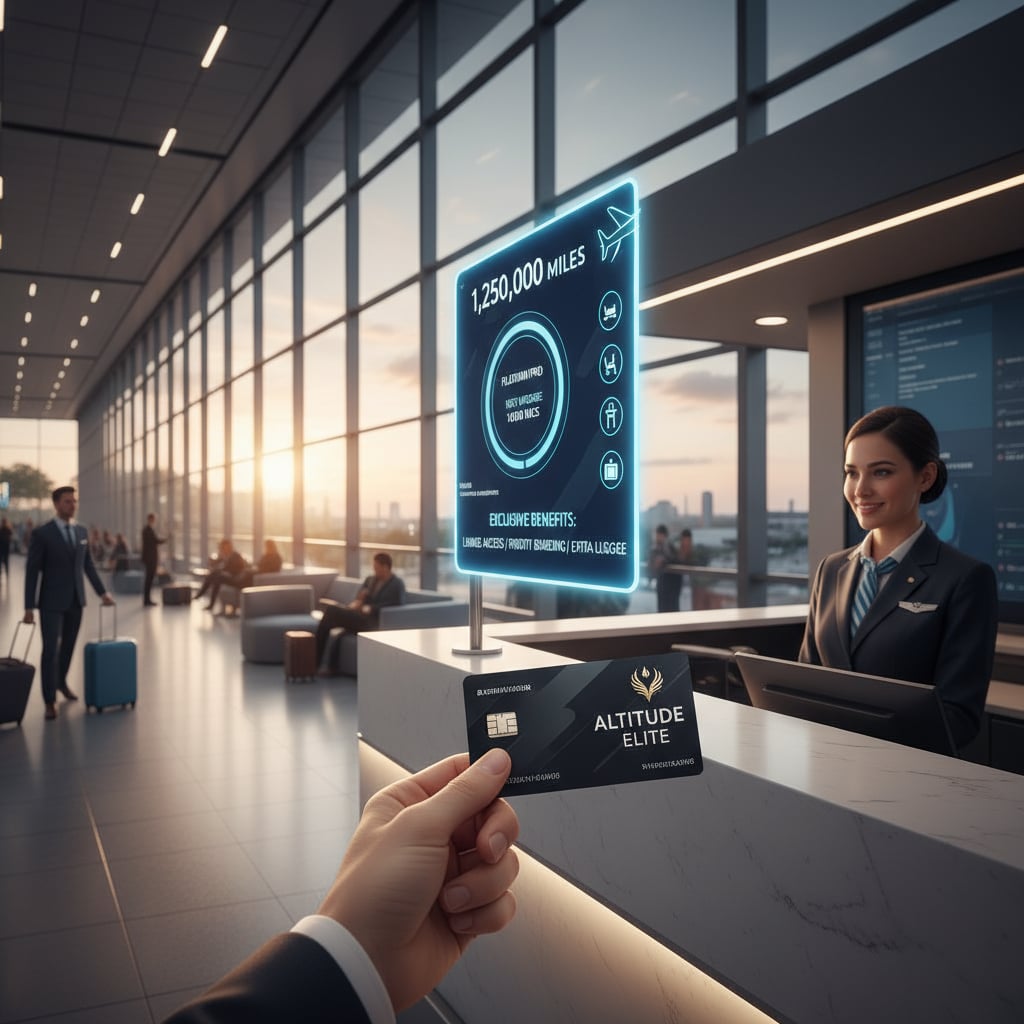
Co-branded airline credit cards often provide the fastest path to elite status and award accumulation. Many cards offer substantial signup bonuses (50,000-100,000 miles) and category bonuses on airfare purchases or everyday spending. Some even provide tier-qualifying credits toward elite status, dramatically reducing flying requirements.
Educating clients about these opportunities—while being transparent that you don't directly benefit from credit card referrals—builds trust and demonstrates comprehensive expertise. Some agents develop reference guides for their most frequent travelers detailing optimal credit card strategies for their specific programs.
Award Booking Expertise
Award ticket availability and pricing confound most travelers, creating significant value-add opportunities for knowledgeable agents. Understanding how to search award space across programs, which routes offer good availability, and how to construct complex award itineraries distinguishes professional agents.
Many programs release award space at different times or in different quantities to their own members versus alliance partners. An agent who understands these nuances can advise clients to search through specific programs for better availability or lower mileage requirements.
Stopover and open-jaw rules create opportunities to build sophisticated itineraries that deliver more value than simple roundtrips. For example, ANA allows one stopover on roundtrip award tickets, enabling a Tokyo-Singapore award to include a multi-day Bangkok stopover at no additional mileage cost.
Service Fees for Loyalty Consultation
Complex award bookings justify service fees beyond standard ticket commissions. Researching availability across multiple programs, constructing intricate multi-city itineraries, or navigating award ticket changes during disruptions requires substantial expertise and time.
Many agents charge $100-300 for complex award booking services, positioning this as specialized consultation rather than simple reservation processing. Create clear service agreements outlining what's included—initial consultation, availability research, booking, and limited post-booking support—to manage expectations.
Some agencies offer annual retainer arrangements for very frequent travelers, providing ongoing loyalty program strategy advice, award monitoring, and booking services for a flat annual fee. This model generates predictable recurring revenue while ensuring clients receive consistent expert guidance.
Corporate Account Applications
Corporate travel management increasingly involves loyalty program optimization. While companies technically own miles earned on corporate-paid tickets under many travel policies, in practice most organizations allow employees to retain them, creating incentives for travelers to prefer specific carriers.
Help corporate clients develop travel policies that align business objectives with employee satisfaction. Policies permitting loyalty program retention but encouraging booking carriers where the company has negotiated rates creates win-win scenarios.
Some corporations use loyalty programs strategically for executive travel, concentrating spend with specific carriers to achieve corporate elite status tiers that provide benefits across all company travelers. As a travel manager for these accounts, understanding how to optimize corporate program membership adds measurable value.
Devaluation Awareness and Mitigation
Loyalty programs regularly devalue by increasing award chart requirements, reducing earning rates, or eliminating benefits. Staying informed about these changes and proactively alerting clients demonstrates attentiveness and creates opportunities for strategic actions.
When a program announces upcoming devaluation, advise clients to accelerate redemptions or execute strategic bookings before changes take effect. Many devaluations are announced weeks or months in advance, providing windows for action that most casual travelers miss.
Diversification across multiple programs mitigates devaluation risk. Rather than concentrating all accumulation in a single program, sophisticated travelers maintain balances in 3-4 programs aligned with their travel patterns, providing flexibility when any individual program devalues.
Technology Tools and Resources
Several technology tools help agents and travelers maximize loyalty program value. Award search engines like AwardHacker compare mileage requirements across programs for specific routes. ExpertFlyer searches award availability across multiple airlines simultaneously. Programs like AwardWallet consolidate loyalty balances across dozens of programs for at-a-glance monitoring.
Staying current requires ongoing education. Follow blogs like One Mile at a Time, The Points Guy, and Frequent Miler for news about program changes, sweet spots, and optimization strategies. Join professional groups where agents share loyalty program discoveries and strategies.
Communicating Program Value to Clients
Many travelers undervalue loyalty programs or don't understand how to optimize them. Educating clients about potential benefits creates opportunities to influence booking patterns while genuinely helping them extract more value from travel spending.
Quantify benefits whenever possible. Rather than saying "you'll earn miles," specify "this $3,000 business class ticket to Tokyo earns 18,000 miles, which covers a free roundtrip to Bangkok valued at $500." Concrete value propositions resonate more than abstract benefits.
Create personalized loyalty program recommendations during initial client consultations. Ask about current memberships, travel patterns, and aspirational redemptions, then provide written recommendations about optimal program focus and earning strategies. This consultation becomes a valuable document that clients reference repeatedly.
Integrating with Comprehensive Service Offerings
Loyalty program expertise complements other service offerings to create comprehensive value propositions. A client booking premium cabin tickets for loyalty earning might also appreciate luxury ground transportation recommendations that align with their premium travel preferences.
At DMC Quote, we support agents in creating these holistic travel solutions, providing ground services and destination expertise that complement strategic flight bookings optimized for loyalty earning.
Understanding airline loyalty programs transforms you from transaction processor to strategic advisor. This expertise justifies premium service fees, strengthens client relationships, and differentiates your agency in an increasingly commoditized marketplace. Join our platform to access the tools and support you need, or contact us to discuss partnership opportunities.