Bhutan's Sustainable Development Fee ($100/night per person) filters mass tourism, creating the world's most exclusive developing-nation destination. For agents, this policy shift (reduced from $200 post-pandemic) opens Bhutan to broader markets while maintaining its luxury positioning. Understanding the model is key to selling this Himalayan kingdom effectively.
The Tourism Fee Structure
All tourists (except Indian/Bangladeshi/Maldivian citizens) pay the daily fee covering sustainable tourism development. This is separate from tour costs. A typical 7-day Bhutan package breaks down:
Sustainable Development Fee: $700 (7 nights × $100)
Land package (hotels, meals, guide, transport): $1,400-2,100
Flights (Bangkok/Delhi to Paro): $600-900
Total: $2,700-3,700 per person
Yes, expensive. But all-inclusive nature (no hidden costs), guaranteed quality, and exclusivity justify pricing to high-net-worth clients. Children under 12 travel free of SDF; ages 6-12 pay 50% if traveling with parents. Access licensed Bhutan tour operators.
Paro & Thimphu: Cultural Core
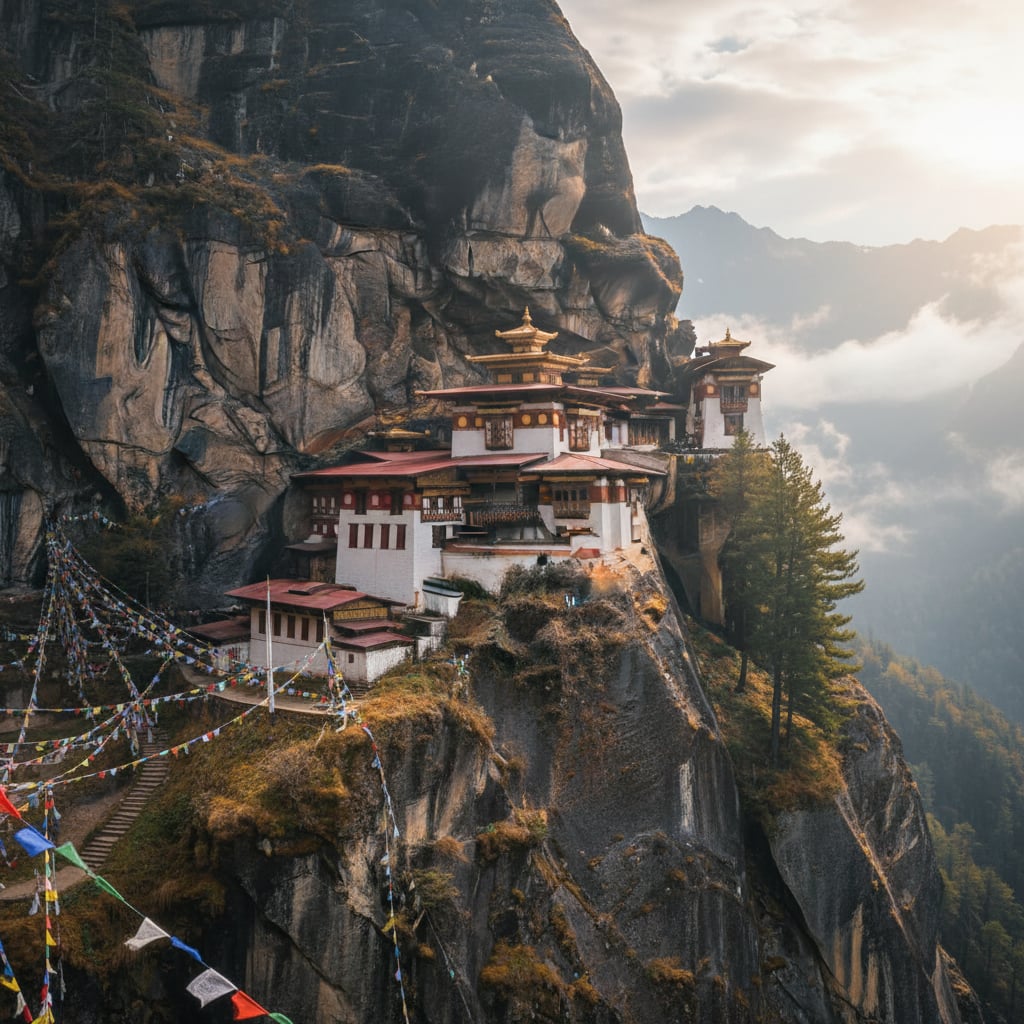
Paro's Tiger's Nest Monastery (Taktsang), clinging to a cliff 3,000 feet above valley floor, is Bhutan's iconic image and non-negotiable inclusion. The 5-6 hour round-trip hike (horses available halfway) demands moderate fitness. Paro Dzong (fortress-monastery) and National Museum provide architectural and historical context.
Thimphu, the world's only capital without traffic lights, balances tradition and modernity. Buddha Dordenma statue overlooks the valley; Tashichho Dzong houses government offices and monastic body. Weekend markets, archery demonstrations (national sport), and textile museums fill 2-3 days. Hotels range from $150 mid-range to $600+ Como Uma Paro luxury. Explore Bhutan hotels across categories.
Punakha & Eastern Valleys
Punakha Dzong, at the confluence of two rivers, ranks among Asia's most beautiful fortresses. The Dochula Pass (108 stupas with Himalayan panorama) between Thimphu and Punakha creates dramatic journey. Spring rhododendron blooms (March-April) paint hillsides; winter (December-February) offers clear mountain views but cold temperatures.
Eastern Bhutan (Bumthang, Trashigang) appeals to clients seeking deeper immersion. Jakar Valley temples, traditional weaving villages, and fewer tourists create authentic experiences. Eastern itineraries require 10-14 days and domestic flights or long drives.
Trekking & Special Interests
Bhutan trekking ranges from moderate Druk Path Trek (6 days, $3,000+) to extreme Snowman Trek (25 days, one of the world's hardest). Treks include camping equipment, cooks, guides, and pack animals—all factored into luxury pricing. Autumn (September-November) offers best conditions.
Special interest tours include birding (670+ species), photography (fortress festivals), and spiritual journeys (meditation retreats). Festival tours timed to Paro or Thimphu Tshechu (masked dances, colorful pageantry) command premium rates. March-May and September-November are festival-heavy.
Selling Bhutan Successfully
Position as "Gross National Happiness Journey" or "Last Himalayan Kingdom" for affluent travelers. Key selling points: carbon-negative country (only in the world), 70%+ forest cover, preserved Buddhist culture, limited tourist numbers creating VIP feel. Best combined with India (Delhi, Agra) or Nepal for 14-21 day luxury Asia trips.
Target demographics: Empty-nesters with trekking experience, cultural enthusiasts, luxury adventure travelers, and spiritual seekers. Agent commissions run 10-15% (lower than typical due to SDF structure), but high per-booking values ($6,000-12,000 for couples) generate strong absolute revenues.
Visa processing through licensed operators only (no independent travel allowed). Druk Air and Bhutan Airlines serve Paro from Bangkok, Delhi, Kathmandu, Singapore. The flight into Paro valley, navigating between Himalayan peaks, is an experience itself.
Register to access Bhutan licensed operators and enter the niche market of selling the world's most intentionally exclusive destination, where quality trumps quantity by national policy.