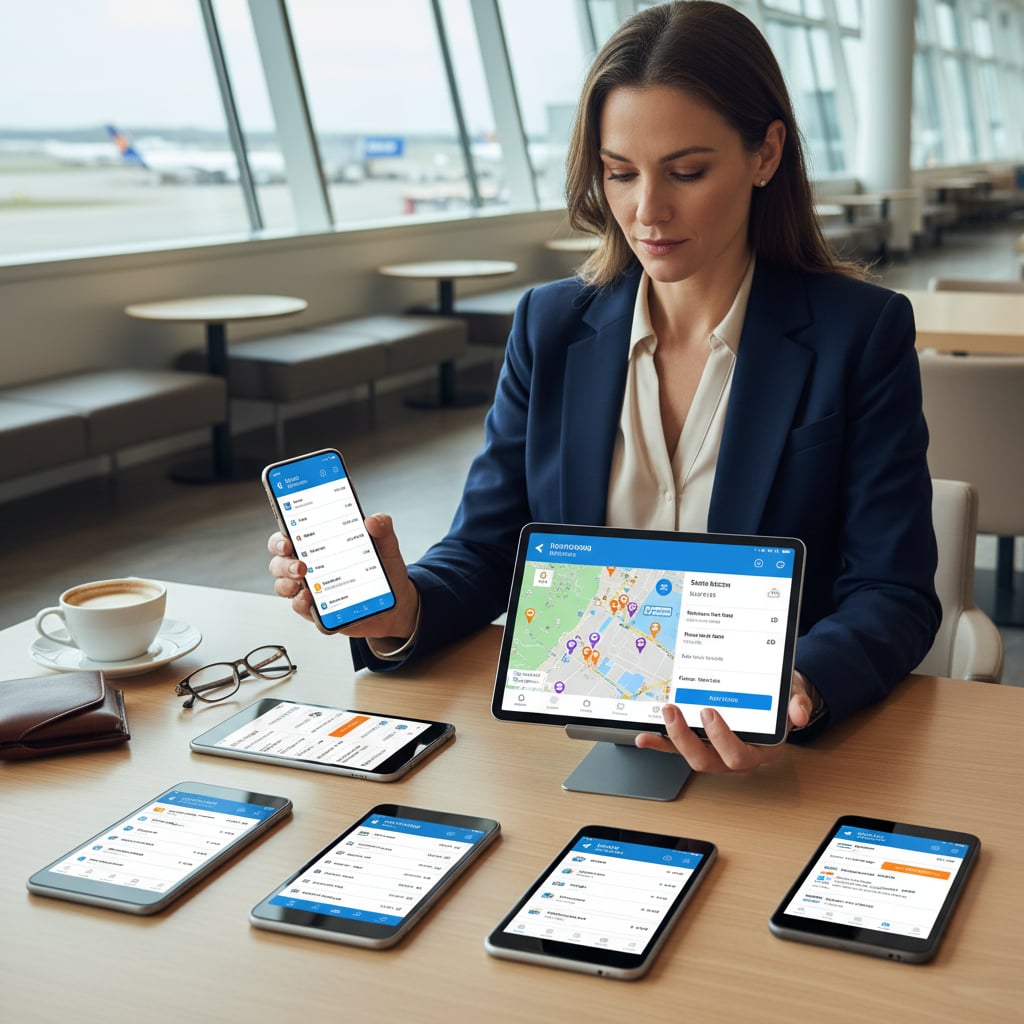
First impressions matter tremendously in travel sales, and your itinerary documents often provide clients' initial tangible impression of your service quality. Digital itinerary tools have evolved beyond basic document creation, offering interactive experiences with real-time updates, embedded maps, and mobile accessibility that transform how clients engage with travel plans.
The Evolution of Travel Itineraries
Traditional travel itineraries consisted of text documents listing flights, hotels, and activities in chronological order. While functional, these static PDFs offered limited engagement and quickly became outdated when booking details changed.
Modern digital itineraries are dynamic, interactive documents accessible across devices with features like embedded maps, weather forecasts, restaurant recommendations, and real-time flight tracking. These enhanced itineraries serve as comprehensive travel companions rather than simple booking summaries.
Professional digital itineraries differentiate your agency in competitive markets while providing genuine utility that clients appreciate throughout their journeys. Investment in quality itinerary tools pays dividends through improved client satisfaction and referral generation.
Essential Digital Itinerary Features
Interactive Maps
Embedded maps showing hotel locations, attraction proximity, and daily routes help clients visualize itineraries geographically. This spatial context often reveals insights not apparent from text descriptions.
Interactive maps enable clients to explore surrounding areas, identify nearby restaurants or shopping, and understand transfer times between locations. This self-service exploration reduces repetitive questions while enhancing pre-trip excitement.
Mobile Accessibility
Clients increasingly rely on smartphones as primary travel companions, making mobile-optimized itineraries essential. Responsive design ensures itineraries display beautifully on any screen size, while dedicated mobile apps provide offline access.
Mobile itineraries eliminate the need for printed documents, reducing environmental impact while ensuring information remains accessible even without internet connectivity.
Real-Time Updates
Flight delays, gate changes, and last-minute modifications happen frequently. Digital itineraries with real-time update capabilities automatically reflect changes, ensuring clients always have current information.
Automated notifications alert clients to important changes like flight delays or meeting point modifications, reducing stress and improving travel experience.
Multimedia Content
Photos, videos, and virtual tours embedded directly in itineraries bring destinations to life. Visual content helps clients identify hotels, visualize activities, and build pre-trip excitement.
Rich media transforms itineraries from dry booking summaries into engaging destination guides that clients enjoy reviewing and sharing with travel companions.
Booking Confirmations and Vouchers
Consolidated access to all booking confirmations, e-tickets, and vouchers within itinerary apps eliminates the need to manage multiple emails and documents. This organization reduces check-in friction and prevents lost confirmations.
QR codes for mobile vouchers enable quick check-in at hotels and attractions without printing physical documents.
Leading Digital Itinerary Tools
Travefy
Travefy specializes in creating visually stunning, client-facing itineraries with drag-and-drop building interfaces. The platform offers customizable templates, integrated booking tools, and client collaboration features.
Standout features include proposal mode for presenting multiple itinerary options, integrated payment collection, and comprehensive client communication tools. Pricing starts at $20/month for individual agents with team plans available.
Travefy's client-facing experience particularly impresses with beautiful design and intuitive mobile apps enhancing the client experience throughout the booking and travel journey.
TripIt Pro
While primarily a consumer app, TripIt Pro offers features travel agents can leverage for client itinerary management. The platform automatically imports booking confirmations from email, creating organized itineraries with minimal manual input.
TripIt Pro includes real-time flight alerts, alternative flight suggestions when delays occur, and points tracking for loyalty programs. Consider recommending TripIt Pro to clients as a complementary tool to your agency-created itineraries.
Axus Travel App
Axus provides white-label mobile apps enabling agencies to offer branded itinerary experiences. Clients download your agency's custom app, accessing itineraries, booking documents, and support resources.
White-label solutions strengthen brand identity while providing professional mobile experiences rivaling major online travel agencies. However, custom apps require larger investment justified primarily for established agencies with substantial client bases.
Google Docs and Sheets
For budget-conscious agencies, Google Docs offers surprisingly capable itinerary creation through templates with embedded maps, images, and tables. While lacking specialized travel features, Google Docs provides collaborative editing, mobile accessibility, and free availability.
Create professional templates incorporating your branding, standard formatting, and common itinerary components. Reuse and customize templates for each client, maintaining consistency while reducing creation time.
Integrated Booking Platform Tools
Many booking platforms include built-in itinerary generation. Platforms like DMCQuote automatically generate professional itineraries from package bookings, including all hotels, transfers, tours, and activities in organized documents.
Integrated tools eliminate manual data entry and ensure itinerary accuracy by pulling directly from booking records. Updates to bookings automatically reflect in generated itineraries, maintaining synchronization.
Creating Professional Itineraries
Structure and Organization
Organize itineraries chronologically by day, with clear date headers and logical activity sequencing. Start each day with accommodation information, followed by scheduled activities, meals, and transfers.
Include arrival and departure days explicitly, even if only containing transfer information. Comprehensive coverage prevents client confusion about trip logistics.
Essential Information Elements
Every itinerary should include:
- Client names and contact information
- Travel dates and destination overview
- Day-by-day schedule with times
- Hotel details (address, phone, confirmation numbers)
- Flight information (times, flight numbers, confirmation codes)
- Transfer details (pickup times, driver contact)
- Activity descriptions with meeting points
- Meal inclusions clearly marked
- Emergency contact information
- Agency contact details
Comprehensive information reduces client anxiety and prevents repetitive questions about booking details.
Visual Design Principles
Clean, professional design enhances readability and reflects positively on your agency. Use consistent fonts, colors aligned with your brand, and adequate white space preventing visual clutter.
Incorporate your logo, brand colors, and professional photography creating polished documents clients proudly share with friends and family. Visual appeal matters more than many agents realize in shaping client perceptions.
However, prioritize functionality over flashy design. Overly complex layouts can reduce readability, particularly on mobile devices.
Personalization
Include personalized notes highlighting special arrangements, celebrating occasions, or providing insider tips. Personal touches demonstrate attention to detail and create emotional connection.
For repeat clients, reference previous trips or preferences demonstrating relationship continuity and deep client knowledge.
Enhancing Itineraries with Additional Content
Destination Information
Include brief destination overviews covering climate, culture, currency, and customs. This contextual information helps clients prepare appropriately and sets realistic expectations.
Highlight unique aspects of destinations or lesser-known attractions near planned activities, positioning yourself as knowledgeable destination expert.
Practical Tips
Provide practical advice about packing, local transportation, tipping customs, and cultural etiquette. These tips add value while reducing pre-trip client questions.
Include emergency procedures, embassy contact information, and guidance for common travel scenarios like lost passports or medical needs.
Restaurant and Activity Recommendations
Suggest restaurants, bars, and optional activities for free time. Curated recommendations demonstrate destination expertise while ensuring clients make the most of their journey.
Include variety across price points and cuisine types accommodating different client preferences and budgets.
Itinerary Delivery and Updates
Delivery Timing
Provide preliminary itineraries shortly after booking confirmation, allowing clients to review details and request modifications. Final itineraries should be delivered 7-14 days before departure with all confirmations and final details.
Staged delivery prevents overwhelming clients with information too early while ensuring adequate review time before travel.
Update Communication
When itinerary changes occur, clearly communicate modifications through multiple channels: email notification, updated itinerary documents, and mobile app alerts if applicable.
Highlight changes prominently in updated documents, preventing clients from missing important modifications buried in lengthy itineraries.
Accessibility Options
Provide itineraries in multiple formats: interactive web version, mobile app, PDF download, and optional printed copy. Format variety accommodates different client preferences and ensures accessibility regardless of technology comfort.
Some clients, particularly older travelers, appreciate printed itineraries despite digital availability. Small accommodation in format preferences builds goodwill and client confidence.
Leveraging Itineraries for Marketing
Social Sharing Features
Enable easy sharing of itineraries on social media. Clients excited about upcoming trips often share itineraries with friends, providing organic marketing for your agency.
Include your agency branding and contact information on shareable itineraries, ensuring visibility when clients share with their networks.
Post-Trip Engagement
After trips conclude, repurpose itineraries as inspiration for prospective clients. With permission, share sanitized versions showcasing your itinerary planning capabilities.
Beautiful itinerary documents serve as portfolio pieces demonstrating planning expertise and attention to detail to prospective clients.
Measuring Itinerary Effectiveness
Track metrics including client satisfaction ratings specifically for itinerary quality, pre-trip inquiry volume (high-quality itineraries reduce questions), and referral sources (impressive itineraries generate referrals).
Solicit specific feedback about itinerary usefulness, clarity, and design. Client insights guide continuous improvement in format and content.
Conclusion
Professional digital itineraries represent more than booking summaries; they are powerful marketing tools, client service enhancers, and operational efficiency drivers. Investment in quality itinerary tools and thoughtful creation processes pays dividends throughout the client relationship.
Whether using specialized travel software or maximizing free tools like Google Docs, prioritize clarity, comprehensive information, beautiful design, and mobile accessibility. These elements combine to create itineraries that impress clients and differentiate your agency in competitive markets.
Start elevating your itinerary game today and experience the impact professional documents have on client satisfaction, referrals, and overall agency reputation.
Explore how DMCQuote can streamline your itinerary creation process with integrated booking and document generation. Learn more about our comprehensive travel technology solutions on our about page, and access powerful booking tools through our agent portal.