Educational travel represents one of the most rewarding segments of family tourism—transforming vacations from simple recreation into powerful learning experiences that broaden perspectives, build skills, and create lasting impact. For today's families, particularly those prioritizing educational outcomes and experiential learning, travel offers lessons no classroom can match.
As travel professionals, positioning yourself as an expert in educational family travel creates a valuable niche. These clients often have higher budgets (viewing trips as investments in children's education), plan further in advance, and value expert guidance. More importantly, educational trips create profound family bonding through shared learning experiences.
Understanding Educational Travel
What Makes Travel "Educational"?
Educational travel goes beyond passive sightseeing to engage families in active learning through:
- Cultural Immersion: Authentic interactions with local communities, traditions, and daily life
- Historical Understanding: Visiting sites where history happened, bringing textbook learning to life
- Environmental Education: Hands-on conservation, wildlife encounters, ecosystem exploration
- Skill Development: Workshops teaching new abilities (cooking, language, crafts, sports)
- Scientific Discovery: Interactive museums, natural phenomena, technology centers
- Social Awareness: Exposure to different lifestyles, economic realities, social structures
Benefits of Educational Family Travel
- Academic Enhancement: Real-world context for school subjects (history, geography, science, languages)
- Critical Thinking: Comparing cultures develops analytical and evaluative thinking
- Empathy and Understanding: Exposure to diversity builds compassion and global awareness
- Confidence Building: Navigating new situations develops adaptability and resilience
- Family Bonding: Shared discovery and learning strengthens relationships
- Lasting Memories: Educational experiences create more memorable, meaningful trips
Age-Appropriate Educational Travel
Young Children (Ages 5-8)
Learning Focus:
- Sensory experiences (touching, tasting, smelling different cultures)
- Animal encounters and nature observation
- Simple cultural concepts (foods, clothing, celebrations)
- Basic geography (maps, flags, landmarks)
Effective Activities:
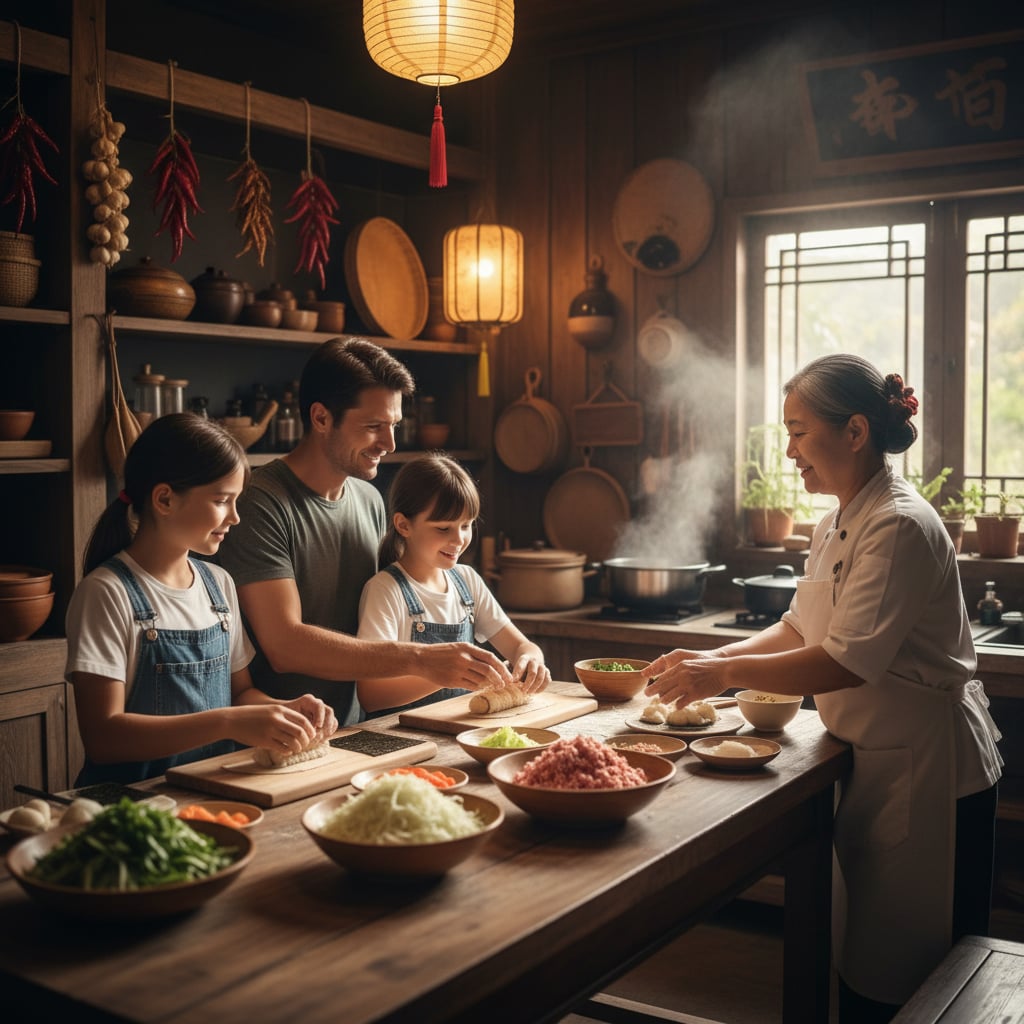
- Hands-on cooking classes with simple recipes
- Wildlife sanctuaries with touch experiences
- Traditional craft workshops (simple activities like painting, molding)
- Interactive museums with play-based learning
- Cultural performances with visual spectacle
Teaching Approach:
- Keep sessions short (30-45 minutes maximum)
- Make it fun and playful, not lecture-based
- Use songs, stories, and games to convey concepts
- Provide tangible takeaways (crafts they made, recipes, photos)
Elementary Age (Ages 9-12)
Learning Focus:
- Historical events and figures
- Environmental conservation and ecosystems
- Cultural traditions and religions
- Language basics and communication
- Scientific concepts through observation
Effective Activities:
- Historical site tours with age-appropriate context
- Conservation projects (beach cleanups, tree planting, wildlife monitoring)
- Cultural homestays or village visits
- Language lessons and practical application
- Science museums with interactive exhibits
- Documented projects (travel journals, photography projects)
Teaching Approach:
- Connect experiences to school curriculum
- Encourage questions and discussion
- Assign age-appropriate responsibilities (navigation, budgeting, research)
- Provide reflection opportunities (journaling, family discussions)
Teenagers (Ages 13-17)
Learning Focus:
- Global issues (poverty, sustainability, human rights)
- Economic and political systems
- Advanced cultural analysis and comparison
- Service learning and community impact
- Career exploration through experiences
Effective Activities:
- Volunteer programs and service projects
- Deep cultural immersion (homestays, extended village experiences)
- Historical analysis tours (examining multiple perspectives)
- Environmental research projects
- Advanced skill workshops (professional-level cooking, art, crafts)
- Social enterprise visits and entrepreneurship exploration
Teaching Approach:
- Facilitate rather than lecture
- Encourage independent research and discovery
- Create space for teens to form and express opinions
- Assign meaningful responsibilities and leadership roles
- Connect learning to future goals and interests
Top Educational Destinations in Asia
Japan: Technology, Tradition, and Transformation
Japan offers unparalleled opportunities for educational family travel, combining cutting-edge technology with deeply preserved traditions. The juxtaposition creates powerful lessons about cultural preservation, modernization, and finding balance between past and future.
Key Educational Themes:
- Technology and Innovation: How Japan leads in robotics, transportation, and urban planning
- Historical Preservation: Maintaining traditions amid rapid modernization
- Cultural Values: Respect, harmony, discipline, craftsmanship
- Environmental Adaptation: Living with natural disasters, limited space, resource scarcity
- War and Peace: WWII history, Hiroshima/Nagasaki, post-war transformation
Educational Experiences:
- Tokyo:
- Miraikan (National Museum of Emerging Science and Innovation) - robotics, space, environment
- TeamLab Borderless - digital art and technology integration
- Tsukiji Outer Market - food culture and traditions
- Traditional tea ceremony experience
- Calligraphy or origami workshops
- Kyoto:
- Temple and shrine visits with cultural context
- Traditional craft workshops (pottery, kimono dyeing, sword-making demonstrations)
- Geisha culture exploration in Gion
- Japanese garden design and philosophy
- Buddhist philosophy and practices
- Hiroshima:
- Peace Memorial Museum and Park
- Atomic bomb survivor testimonies (arranged through museums)
- Discussions about war, peace, and nuclear weapons
- Recovery and rebuilding lessons
Sample 8D/7N Educational Itinerary:
- Days 1-3 Tokyo: Technology focus - Miraikan museum, TeamLab, traditional vs. modern contrast, sushi-making class
- Days 4-5 Kyoto: Cultural immersion - temples, tea ceremony, craft workshop, traditional machiya house stay
- Day 6 Hiroshima: Peace education - museum visit, memorial park, survivor testimony, reflection discussions
- Day 7 Miyajima: Nature and spirituality - Itsukushima Shrine, forest hiking, Shinto traditions
- Day 8: Return Tokyo, reflection journaling, departure
Vietnam: History, Resilience, and Transformation
Vietnam provides powerful educational opportunities around modern history, war and conflict, economic development, and cultural resilience. The country's transformation from war-torn nation to emerging economy offers profound lessons.
Educational Themes:
- Modern Warfare: Vietnam War from Vietnamese perspective
- Colonialism: French influence and independence movements
- Economic Development: Transition from socialism to market economy
- Agricultural Traditions: Rice cultivation, farming communities
- Cultural Heritage: Ancient traditions, ethnic diversity
Educational Experiences:
- Hanoi:
- Vietnam Museum of Ethnology - 54 ethnic groups' cultures
- Old Quarter walking tour - colonial architecture, street life, commerce
- Water puppet show with cultural context
- Cooking class featuring regional Vietnamese cuisine
- Halong Bay:
- Geology lessons - limestone karst formations
- Floating village visits - alternative lifestyles
- Marine ecosystem exploration
- Hoi An:
- Ancient town UNESCO site - preservation efforts
- Lantern-making workshop - traditional crafts
- Bicycle tour to rice paddies and farms
- Interaction with local artisans (tailors, shoemakers, craftspeople)
- Ho Chi Minh City/Cu Chi:
- War Remnants Museum (age-appropriate for teens)
- Cu Chi Tunnels - guerrilla warfare education
- Economic development observations - modern city growth
Important Note on War Education:
For families including younger children, Vietnam War education requires careful age-appropriate framing. For children under 12, focus on resilience, rebuilding, and peace rather than graphic war details. Reserve War Remnants Museum and Cu Chi Tunnels for ages 13+, providing historical context and facilitating processing discussions.
Singapore: Multicultural City-State and Urban Innovation
Singapore excels as an educational destination for families with younger children or those new to Asia. The city-state's safety, cleanliness, and compact size create an ideal learning laboratory for urban planning, multiculturalism, and sustainable development.
Educational Themes:
- Multiculturalism: Chinese, Malay, Indian, and Western influences coexisting
- Urban Planning: Maximizing limited space, green city concepts
- Sustainability: Water management, vertical gardens, renewable energy
- Economic Success: Transformation from third-world port to first-world nation
- Government and Society: Unique governance model, rule of law
Educational Experiences:
- Gardens by the Bay:
- Sustainable architecture (Supertrees, solar energy)
- Biodiversity in Cloud Forest and Flower Dome
- Climate change education
- Urban greening innovations
- Cultural Districts:
- Chinatown - Chinese heritage and traditions
- Little India - Indian culture, religions, cuisine
- Kampong Glam - Malay/Muslim heritage
- Compare and contrast different cultural approaches
- Singapore Science Centre:
- Interactive physics, chemistry, biology exhibits
- Omni-Theatre for science films
- Hands-on experiments and demonstrations
- Marina Barrage:
- Water sustainability education
- Reservoir system and water security
- Green roof and sustainable building design
- Hawker Centers:
- Food as cultural expression
- Economic accessibility and community spaces
- Culinary fusion and adaptation
Cambodia: Ancient Civilizations and Modern Challenges
Cambodia offers profound educational experiences around ancient civilizations, cultural heritage, recent tragic history, and ongoing development challenges. Best suited for families with children 10+.
Educational Themes:
- Ancient Civilizations: Khmer Empire, Angkor Wat and temple complexes
- Archaeology and Preservation: Temple restoration, historical research
- Recent History: Khmer Rouge era, genocide, recovery (age 13+)
- Development Challenges: Poverty, land mines, education access
- Resilience and Hope: Cultural recovery, economic growth, optimism
Educational Experiences:
- Siem Reap/Angkor:
- Angkor Wat temple complex - architecture, religion, empire history
- Ta Prohm - nature reclamation, conservation challenges
- Angkor National Museum - pre-visit context
- Traditional Apsara dance performance
- Artisans Angkor - craft preservation and social enterprise
- Phnom Penh (ages 13+):
- Tuol Sleng Genocide Museum and Killing Fields (with careful preparation and debriefing)
- Royal Palace and Silver Pagoda - current culture
- Central Market - daily life and economics
- Service Learning:
- Volunteering at schools or community centers
- Supporting social enterprises
- Understanding ethical tourism and impact
Structuring Educational Travel Packages
Pre-Trip Learning Component
Educational impact increases significantly with pre-trip preparation:
- Reading Lists: Age-appropriate books about destinations (fiction and non-fiction)
- Documentary Viewing: Films providing historical/cultural context
- Geography Lessons: Map work, flag learning, basic language phrases
- Cultural Research: Assign children research projects on specific topics they'll encounter
- Scavenger Hunts: Create finding lists (specific architectural features, cultural elements, foods to try)
Provide Clients With:
- Curated reading/viewing lists customized by children's ages
- Pre-trip activity ideas for family preparation
- Educational scavenger hunts or observation guides
- Journal prompts for trip documentation
During-Trip Educational Integration
Expert Guides:
- Private guides trained in educational tourism
- Age-appropriate explanations and engagement
- Interactive questioning rather than lecturing
- Storytelling approaches for younger children
Hands-On Workshops:
- Cooking classes with market visits and cultural context
- Traditional craft workshops (pottery, weaving, calligraphy)
- Language lessons with practical application
- Music or dance classes
- Photography workshops teaching composition and storytelling
Documentation Projects:
- Travel journals with daily prompts
- Photography projects with themes (people, architecture, food, nature)
- Video diaries or vlogs
- Collection projects (stamps, coins, recipes, sketches)
Reflection Time:
- Daily family discussions about experiences
- Question-based conversations ("What surprised you?" "What was different from home?" "What would you change?")
- Quiet journaling time before bed
- Comparison activities (creating Venn diagrams, charts comparing home and destination)
Post-Trip Educational Extension
Learning continues after returning home:
- Presentation Projects: Children create presentations for school or family about trip learnings
- Cultural Cooking: Recreate dishes learned during travel
- Photo Books: Curate and annotate trip photos
- Continued Study: Deeper dives into topics that sparked interest
- Penpal Connections: Maintain contact with people met during travel
- Giving Back: Support causes discovered during trip (sponsoring students, donating to conservation projects)
Provide Clients With:
- Post-trip project ideas
- Resources for continued learning
- Connection opportunities (vetted penpals, organizations to support)
- Recipe cards from cooking classes
- Certified documentation of educational activities (useful for homeschoolers)
Pricing Educational Travel Packages
Understanding Educational Travel Value
Families investing in educational travel view trips as educational expenditures, not just vacations. This mindset justifies premium pricing for:
- Expert Guides: Specialized educational guides command 30-50% premium over standard guides
- Workshops and Classes: Hands-on learning experiences justify higher activity costs
- Small Group Sizes: Private or small-group experiences enable better learning
- Educational Materials: Pre-trip prep materials, during-trip learning tools, post-trip resources
- Specialized Access: Behind-the-scenes experiences, expert lectures, conservation projects
Package Tiers
Educational Essentials Package:
- Accommodation with study/work space
- Daily breakfast
- Private guide for key educational sites
- 2-3 hands-on workshops
- Educational site admissions
- Pre-trip reading/viewing list
- Price Point: Standard package + 25% markup
- Example: $3,500-5,000 per family (4 people, 7 days)
Immersive Learning Package:
- All Essentials features
- Daily expert guide with educational training
- 4-5 hands-on workshops and classes
- Service learning or conservation project
- Educational materials packet (journals, guides, books)
- Pre-trip video call with guide for orientation
- Post-trip resource packet
- Price Point: Standard package + 45% markup
- Example: $4,800-7,000 per family (4 people, 7 days)
Academic Excellence Package:
- All Immersive features
- Specialized expert guides (archaeologists, historians, scientists)
- Behind-the-scenes access and special experiences
- Extensive workshop program (6-8 sessions)
- Service project with meaningful impact
- Comprehensive pre-trip preparation materials
- During-trip educational coordinator
- Post-trip video debrief and resource package
- Certified educational documentation (for homeschoolers/school credit)
- Price Point: Standard package + 65-80% markup
- Example: $6,000-9,500 per family (4 people, 7 days)
Marketing Educational Travel
Target Audience
- Homeschooling Families: Actively seek educational travel experiences
- Private School Families: Value educational enrichment and global perspectives
- Academically-Oriented Families: Prioritize learning and development
- Educators: Teachers seeking meaningful travel with own families
- Multi-Generational Groups: Grandparents wanting to gift educational experiences
Key Messaging
- "Transform vacation into education investment"
- "Bring textbook learning to life"
- "Develop global citizens through firsthand experience"
- "Learning that creates lasting impact"
- "Travel is the best teacher"
Value Propositions
- Academic Enhancement: Real-world application of school subjects
- Skill Development: Language, cultural competency, critical thinking
- Character Building: Empathy, adaptability, resilience, confidence
- College Applications: Meaningful experiences for essays and interviews
- Family Bonding: Shared learning strengthens relationships
- Lasting Impact: Educational travel creates permanent perspective shifts
Conclusion
Educational family travel represents the convergence of two powerful forces: families' desire for meaningful experiences and parents' commitment to children's education and development. By thoughtfully structuring trips around learning themes, incorporating hands-on experiences, engaging expert guides, and providing pre- and post-trip educational support, you create transformative journeys that impact families for years to come.
The key is moving beyond surface-level tourism to facilitate genuine learning, cultural understanding, and personal growth. When you successfully create educational travel experiences, you don't just book vacations—you shape young minds, broaden perspectives, and contribute to developing informed, empathetic global citizens.
These families become your most loyal clients and enthusiastic advocates, recognizing the unique value you bring beyond simple booking services. In educational travel, you're not just a travel agent—you're an educational partner in families' most important work: raising curious, compassionate, capable children.
Ready to create transformative educational family experiences? Access our B2B platform for educational tour options and expert guide connections, or contact our educational travel specialists for customized learning itinerary development.
Explore our cultural immersion experiences and destination resources to build meaningful educational journeys across Asia.