Families with special needs members face unique travel challenges, from wheelchair accessibility concerns to sensory sensitivities, dietary restrictions, and medical support requirements. While Asia has historically lagged behind Western countries in accessibility infrastructure, significant progress in recent years—particularly in major cities and tourist destinations—has opened the region to families previously unable to consider Asian travel.
As travel professionals specializing in accessible family travel, you provide invaluable service to an underserved market. These families often struggle to find agents with genuine accessibility knowledge, leading them to avoid travel altogether or undertake stressful self-planning. Your expertise transforms their travel from anxiety-inducing to confidently enjoyable, creating deeply loyal clients who become passionate advocates within special needs communities.
Understanding Special Needs Travel
Categories of Special Needs
Mobility Impairments:
- Wheelchair users (manual and powered)
- Limited mobility requiring walkers, canes, crutches
- Conditions causing fatigue (muscular dystrophy, MS, chronic fatigue syndrome)
- Temporary mobility limitations (recovering from injury/surgery)
Sensory Sensitivities:
- Autism spectrum disorders
- Sensory processing disorders
- Anxiety disorders triggered by sensory overload
- Visual or hearing impairments
Cognitive and Developmental Differences:
- Autism spectrum disorders
- Down syndrome
- Intellectual disabilities
- ADHD and attention-related challenges
Medical Needs:
- Diabetes requiring refrigerated medication
- Severe allergies (food, environmental)
- Respiratory conditions requiring medical equipment
- Seizure disorders
- Feeding tubes or specialized nutrition requirements
Key Planning Considerations
- Advance Research: Accessibility details require verification beyond typical travel planning
- Direct Communication: Contact hotels, attractions, airlines directly to confirm accessibility claims
- Backup Plans: Always have alternatives if advertised accessibility doesn't meet needs
- Medical Preparation: Medication supplies, medical documentation, emergency protocols
- Pacing: Build in significantly more downtime than typical itineraries
- Flexibility: Accept that some days may not go as planned; build in contingency time
Asia's Most Accessible Destinations
Singapore: Regional Accessibility Leader
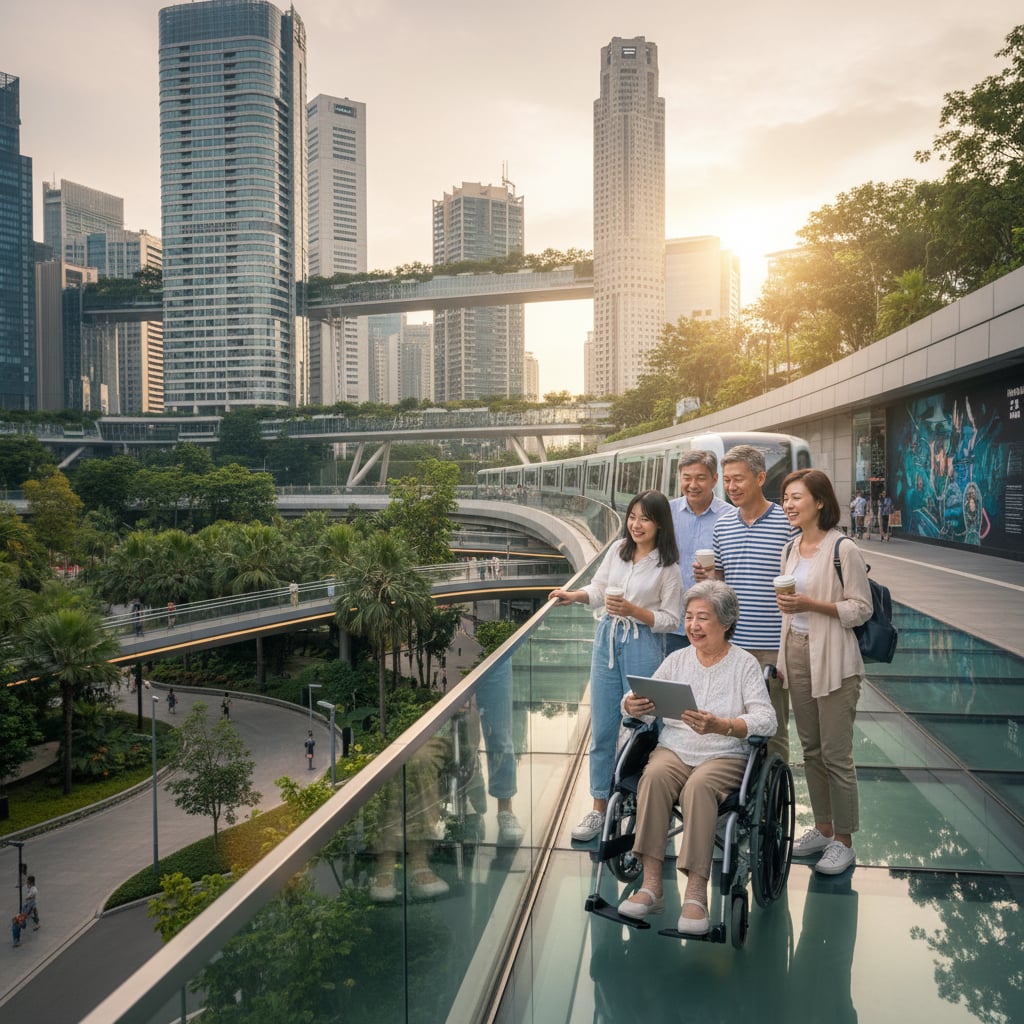
Singapore sets the gold standard for accessibility in Asia, with comprehensive infrastructure, regulations requiring accessibility compliance, and genuine cultural commitment to inclusion.
Accessibility Highlights:
- Public Transportation:
- All MRT stations have elevators and wheelchair-accessible platforms
- Buses equipped with ramps and wheelchair spaces
- Accessible taxis readily available (book via apps or call)
- Curb cuts throughout city center
- Attractions:
- Gardens by the Bay: Fully wheelchair accessible with smooth paths, elevators to all levels
- Singapore Zoo: Paved pathways, wheelchair rentals, accessible restrooms throughout
- Universal Studios Singapore: Wheelchairs available, most attractions accessible, special assistance program
- Marina Bay Sands: Full accessibility including SkyPark observation deck
- Sentosa Island: Beach wheelchairs available, accessible boardwalks
- Hotels:
- International chains (Marriott, Hilton, Shangri-La) have accessible rooms meeting Western standards
- Roll-in showers, grab bars, lowered fixtures common in accessible rooms
- Many hotels have staff trained in disability awareness
- Dining:
- Most restaurants and hawker centers have ramp access
- Menus often available in English
- Dietary accommodations readily available
- Medical Support:
- World-class hospitals (Singapore General, Raffles Hospital)
- English-speaking medical staff
- Pharmacies widely available
- Medical equipment rentals available (wheelchair, mobility aids)
Sensory Considerations:
- Gardens by the Bay can be crowded; visit early morning or late afternoon
- Hawker centers may overwhelm sensory-sensitive individuals (noise, crowds, smells)
- Marina Bay light show provides sensory experience—preview videos available online
- Many attractions offer quiet rooms or sensory-friendly hours (call ahead)
Sample 5D/4N Accessible Singapore Itinerary:
- Day 1: Arrival, hotel familiarization, gentle exploration of nearby area, early dinner
- Day 2: Morning Gardens by the Bay (arrive at opening for smaller crowds), afternoon rest, evening river cruise (accessible boats available)
- Day 3: Singapore Zoo (morning visit, return for afternoon rest), evening Night Safari (accessible tram)
- Day 4: Sentosa Island—S.E.A. Aquarium (calm, climate-controlled environment), beach time with beach wheelchair, cable car ride (accessible cars available)
- Day 5: Leisurely breakfast, Changi Airport Jewel exploration before departure
Tokyo, Japan: Urban Accessibility with Cultural Nuances
Tokyo offers excellent accessibility infrastructure in a uniquely Japanese context—sometimes different from Western expectations but functional and improving rapidly.
Accessibility Features:
- Transportation:
- Most major train/subway stations have elevators (though sometimes requiring circuitous routes)
- Station staff very helpful with boarding assistance
- Accessible taxis available (book through hotels or JapanTaxi app)
- Wide sidewalks in major areas with curb cuts
- Attractions:
- Tokyo Disneyland/DisneySea: Excellent accessibility, wheelchairs available, special assistance passes for attractions
- TeamLab Borderless: Mostly accessible though some exhibits involve stairs
- Meiji Shrine: Gravel paths can be challenging; wheelchair accessible route available
- Tokyo Skytree: Fully accessible observation decks
- Odaiba area: Modern, designed with accessibility in mind
- Hotels:
- International chains reliable for accessibility
- Japanese hotels may have smaller bathrooms even in "accessible" rooms
- Confirm specific needs (shower seat height, toilet grab bar configuration) directly with hotel
- Cultural Accessibility:
- Japanese culture highly respectful and helpful to people with disabilities
- Staff may not speak English but will work hard to assist
- Less loud/aggressive than some Asian cities (can be sensory-friendly)
Challenges:
- Language barrier can complicate medical or specific accessibility needs
- Some older temples and traditional areas have steps and narrow paths
- Crowding during peak times (avoid Golden Week, major holidays)
- Small bathroom sizes even in accessible rooms
Sensory Considerations:
- Tokyo can be very crowded; plan visits to major areas early morning
- Shinjuku, Shibuya crossing can be overwhelming (provide preview videos)
- Many areas are actually quieter than expected due to cultural norms
- Sensory-friendly experiences: gardens, teamLab (adjustable), quieter neighborhoods like Yanaka
Hong Kong: Compact Accessibility
Hong Kong's compact geography and modern infrastructure create good accessibility, though older areas and hilly terrain present challenges.
Accessible Features:
- Transportation:
- MTR (subway) stations have elevators (though sometimes require seeking out)
- Accessible taxis available (green-topped taxis accommodate wheelchairs)
- Trams not wheelchair accessible but iconic experience for ambulatory visitors
- Star Ferry has wheelchair access on lower deck
- Attractions:
- Hong Kong Disneyland: Full accessibility program
- Victoria Peak: Accessible via Peak Tram (wheelchairs accommodated), viewing platform accessible
- Avenue of Stars: Fully accessible waterfront promenade
- Shopping malls (Harbour City, IFC Mall): Excellent accessibility
- Challenges:
- Hilly terrain makes some areas difficult for wheelchairs
- Older districts (parts of Kowloon, Central escalator area) have steps
- Crowds can be intense, especially weekends
Dubai, UAE: Luxury Meets Accessibility
While technically Middle East rather than Asia, Dubai serves as major hub for Asian travel and offers exceptional accessibility worth noting.
Accessibility Highlights:
- Modern infrastructure designed with accessibility from inception
- Malls, hotels, attractions universally accessible
- Metro system fully wheelchair accessible
- Beach wheelchairs available at major beaches
- Desert safaris offer accessible options
- Extreme heat consideration—air-conditioned environments everywhere
Destinations with Developing Accessibility
Bangkok, Thailand: Mixed Accessibility
Challenges:
- Sidewalks often blocked by vendors, uneven, lacking curb cuts
- Many attractions (temples) have stairs without ramps
- Flooding during rainy season complicates wheelchair navigation
- Traffic and exhaust can be overwhelming
Accessible Options:
- Modern shopping malls (Siam Paragon, Central World) fully accessible
- BTS Skytrain has elevators at most stations
- Some hotels excellent for accessibility (international chains)
- Private car hire with driver recommended over public transport
- Grand Palace has wheelchair access to some areas (not all buildings)
Recommendation: Bangkok feasible for experienced travelers with disabilities comfortable navigating challenges, less suitable for first-time accessible travel in Asia
Bali, Indonesia: Beach Accessibility Challenges
Limitations:
- Sidewalks rare or nonexistent
- Uneven surfaces, steps, no curb cuts
- Beach access very difficult for wheelchairs
- Many villas have stairs, limited accessible options
Possibilities:
- Some resorts (Nusa Dua area) have accessible facilities
- Private villas can be modified with temporary ramps (arrange in advance)
- Hiring personal assistant/caregiver very affordable ($20-30/day)
- Beautiful experiences possible with significant advance planning and support
Recommendation: Possible for determined families, requires extensive advance planning, accepting limitations, and possibly hiring assistants
Practical Accessibility Planning
Pre-Trip Preparation
Documentation:
- Medical Letters: Doctor's letter detailing condition, medications, equipment needs (in English, potentially translated)
- Medication Lists: Generic drug names (brand names vary by country), dosages, prescriptions
- Accessibility Cards: Translated cards explaining needs/condition in local language
- Emergency Contacts: Local hospitals, consulates, emergency services
- Insurance Documentation: Travel insurance covering pre-existing conditions, medical evacuation
Equipment Planning:
- Mobility Aids:
- Confirm airline policies for wheelchairs (manual vs. powered, battery types)
- Consider renting equipment at destination (Singapore, Tokyo have good rental options)
- Bring repair kits and backup supplies
- Photograph equipment before checking for damage claims
- Medical Equipment:
- Portable oxygen concentrators (check airline and country regulations)
- CPAP machines (bring converters/adapters)
- Refrigeration for medications (confirm hotel minibar or request medical fridge)
- Feeding pump equipment and supplies
Hotel Verification:
- Never rely on website descriptions alone
- Email hotels requesting photos of accessible rooms, bathrooms
- Ask specific questions:
- Doorway widths (standard wheelchair needs 32" minimum)
- Bathroom layout (roll-in shower or tub with seat?)
- Grab bar locations and weight capacity
- Bed height (transfer considerations)
- Path from entrance to room (steps? elevators?)
- Distance from parking/drop-off to room
Transportation Planning
Flights:
- Advance Notification: Contact airline 48-72 hours before flight
- Special Assistance: Request wheelchair assistance, pre-boarding, aisle chairs
- Seating: Bulkhead or extra legroom seats (may require medical documentation)
- Medical Equipment: Confirm carry-on allowances for medical devices
- Oxygen: Most airlines don't allow personal oxygen; must use airline-provided (advance notice required)
Ground Transportation:
- Airport Transfers: Pre-book accessible vehicles (wheelchair vans where available)
- Daily Transport:
- Private accessible vans/cars (more reliable than taxis in most Asian cities)
- Public transport possible in Singapore, Tokyo, Hong Kong (with planning)
- Ride-sharing apps sometimes have wheelchair-accessible options
Activity Planning
Attraction Research:
- Contact attractions directly about accessibility
- Ask about:
- Wheelchair rentals and deposit requirements
- Accessible restroom locations
- Quiet rooms or sensory break spaces
- Disability passes for queue accommodation
- Service animal policies
- Read reviews from other wheelchair users/families (accessibility-focused travel blogs and forums)
Pacing Itineraries:
- Plan 50% of what typical itinerary would include
- Build in rest time between activities
- Have hotel as base, not change locations frequently
- Plan indoor/climate-controlled options for hot weather breaks
- Schedule key activities for best energy times
Sensory-Friendly Travel Planning
For Families with Autism/Sensory Processing Differences
Preparation Strategies:
- Visual Schedules: Create photo-based itineraries showing what each day involves
- Social Stories: Develop stories about airplane travel, new hotels, cultural differences
- Familiarization: Show videos of destinations, hotels, attractions before trip
- Sensory Kits: Pack noise-canceling headphones, fidgets, weighted items, preferred snacks
- Quiet Time: Schedule downtime for sensory regulation
Destination Selection:
- Lower Sensory Load: Singapore, parts of Japan (quieter than Bangkok or Mumbai)
- Predictable Environments: International hotel chains offering familiar settings
- Crowd Avoidance: Visit attractions early morning or late afternoon
- Outdoor Spaces: Gardens, parks, beaches offer sensory regulation opportunities
During Trip:
- Maintain routines as much as possible (sleep, meal times)
- Have exit strategies (know how to quickly leave overwhelming situations)
- Build in sensory breaks (return to hotel, quiet spaces)
- Respect communication about overstimulation
- Celebrate small successes and flexibility
Medical Needs Planning
Medication Management
- Quantity: Bring 1.5-2x the amount needed (account for delays, loss)
- Carry-On: Never pack medications in checked luggage
- Original Containers: Keep in prescription bottles with labels
- Generic Names: Know medications' generic names (brands vary internationally)
- Refrigeration: Confirm hotel can provide medical refrigeration or bring insulin cooling cases
- Time Zones: Plan for medication timing across time zones (consult doctor)
Medical Care Access
- Pre-Identify Hospitals: Know locations of international hospitals at destination
- Insurance: Confirm international coverage or purchase travel insurance covering pre-existing conditions
- Medical Records: Carry summary of medical history, current conditions, treatments
- Emergency Plan: Know how to access emergency services (different numbers in each country)
- Embassy Contact: Register with embassy for significant medical conditions
Dietary Restrictions
- Allergy Cards: Translated cards explaining allergies in local language
- Safe Foods: Research local cuisine for naturally safe options
- Packaged Foods: Bring familiar safe foods for backup
- Restaurant Research: Pre-identify allergy-friendly restaurants
- Hotel Rooms with Kitchen: Ability to prepare meals provides safety and cost savings
Structuring Accessible Travel Packages
Pricing Considerations
Accessible travel typically costs 20-40% more than standard travel due to:
- Specialized accessible accommodations (limited supply, higher demand)
- Private transportation (accessible taxis/vans more expensive)
- Equipment rentals (wheelchairs, medical devices)
- Personal care assistants if needed
- Specialized travel insurance
- Extended planning time and expertise required
Package Structure
Accessible Essentials Package:
Inclusions:
- Verified accessible accommodation (with photos, detailed specifications)
- Private accessible airport transfers
- Daily private accessible transportation
- Verified accessible attraction admissions
- 24/7 emergency support contact
- Pre-trip accessibility briefing document
- Medical facility locations and emergency protocols
Pricing:
- Singapore 5D/4N: $3,500-5,500 (family of 4, one wheelchair user)
- Tokyo 7D/6N: $5,000-7,500 (family of 4, one wheelchair user)
- Margin: 25-30% (accounting for extensive planning time)
Premium Accessible Package:
Add to Essentials:
- Personal care assistant (if needed)
- Medical equipment rentals
- Specialized accessible tours
- All meals at verified accessible restaurants
- On-ground accessible travel coordinator
- Comprehensive travel insurance including medical evacuation
Pricing:
- Singapore 5D/4N: $5,500-8,000
- Tokyo 7D/6N: $7,500-11,000
Resources and Certifications
Professional Development
- Certified Autism Travel Professional (CATP): IBCCES certification specializing in autism travel
- Accessible Travel Advocacy: Join organizations like Society for Accessible Travel & Hospitality
- Disability Awareness Training: Understanding various disabilities and appropriate assistance
- Destination Accessibility Research: Continuously update knowledge of accessible facilities and services
Useful Resources
- Wheelmap.org: Crowd-sourced wheelchair accessibility ratings worldwide
- Accessible Japan: Detailed accessibility guides for Japan travel
- Enable Holidays: Accessible holiday specialists with Asia expertise
- Autism Travel: Resources specifically for autism-friendly travel
- Local Accessibility Organizations: Contact disability organizations at destinations for current information
Conclusion
Accessible family travel in Asia requires dedication, detailed research, and genuine commitment to understanding diverse needs. While challenges exist—varying infrastructure standards, language barriers, cultural differences in disability understanding—the rewards are profound. Families with special needs members deserve travel experiences as rich and memorable as any family, and your expertise makes these experiences possible.
Successfully serving this market requires more than booking skills—it demands empathy, patience, thoroughness, and advocacy. When you help a family with a wheelchair user explore Gardens by the Bay, or support a family with an autistic child navigate Tokyo, you don't just arrange travel—you create possibilities many families believed impossible.
These families become not just clients but grateful partners who understand the value of your specialized knowledge. Their loyalty, referrals within special needs communities, and heartfelt appreciation make this niche both personally fulfilling and professionally rewarding.
By mastering accessible travel planning, continually educating yourself about evolving accessibility standards, and approaching each family's unique needs with genuine care, you position yourself as an essential resource for families who deserve the transformative power of travel as much as anyone.
Ready to create accessible family travel experiences? Access our B2B platform for verified accessible accommodations and specialized services, or contact our accessible travel specialists for personalized consultation on accessible itinerary development.
Explore our accessible hotel options and comprehensive destination resources to build inclusive travel experiences across Asia.