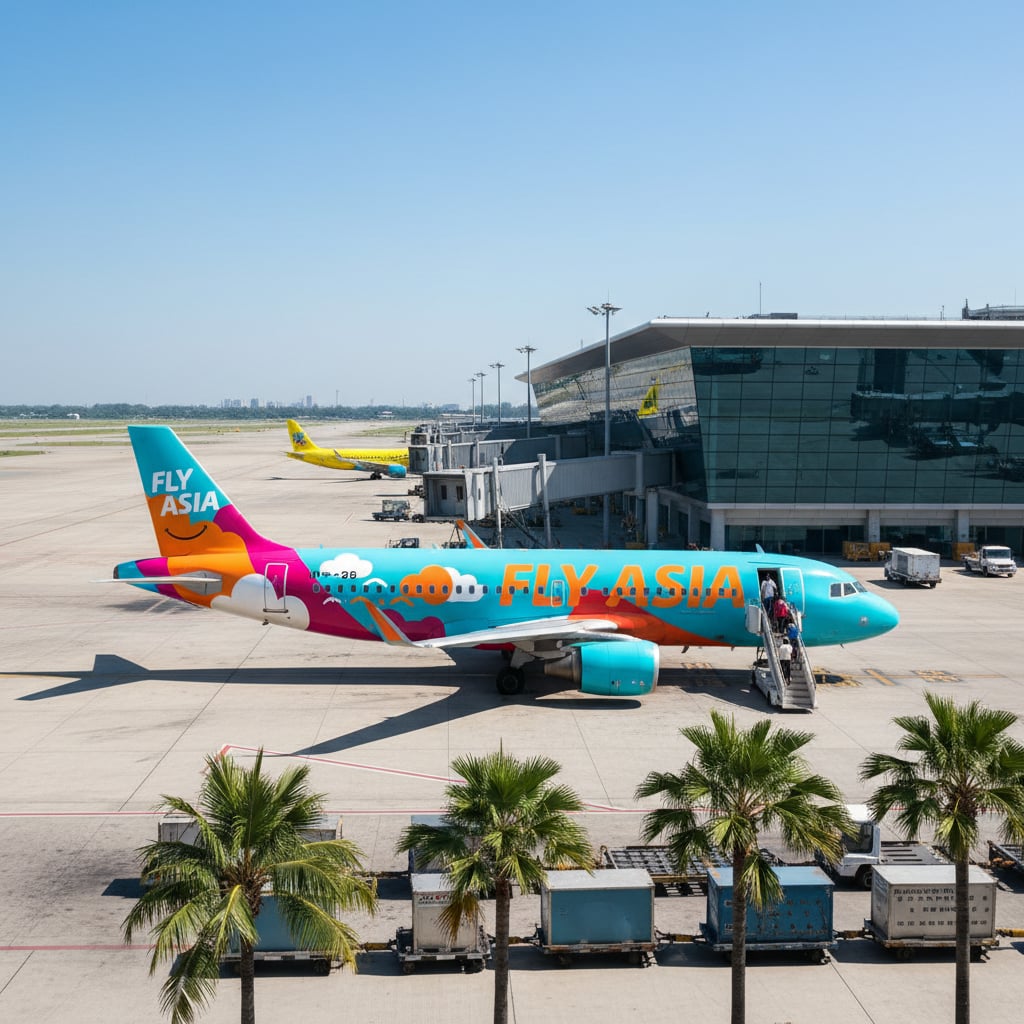
Group flight bookings represent a specialized niche within travel agency operations, requiring different strategies, negotiation approaches, and operational procedures than individual bookings. Whether managing corporate incentive trips, destination weddings, student tours, or religious pilgrimages, understanding group booking dynamics helps agents secure better rates, provide superior service, and generate healthy profit margins on these complex transactions.
Understanding Group Booking Categories
Airlines don't use a universal definition of "group booking," with thresholds ranging from 10 to 20+ passengers depending on carrier, route, and market conditions. Most major carriers define groups as 10+ passengers traveling together on the same flights, though some Asian and Middle Eastern carriers set the threshold at 15 or 20.
Group types vary significantly in characteristics and booking dynamics. Corporate groups often book closer to departure but pay premium fares due to urgency. Student groups book far in advance but require the lowest possible pricing. Religious pilgrimages follow seasonal patterns with consistent annual demand. Understanding these differences helps tailor your approach to specific group categories.
When to Use Group Desks vs Regular Inventory
A common misconception is that group bookings always offer better pricing than individual bookings. In reality, group desks sometimes quote higher rates than published fares, particularly for small groups on routes with aggressive pricing competition. Before committing to group space, compare against the best available individual fares.
Group bookings provide value through flexibility and protection rather than always-lower pricing. Key group advantages include: name changes without fees (within the group), later ticketing deadlines, ability to add/remove passengers, protected block space on popular dates, and negotiated payment terms.
For groups under 15 passengers on routes with good individual availability, individual bookings often cost less and provide more flexibility in seat selection and frequent flyer credit. Groups over 20 passengers, or any size on peak-season routes approaching capacity, almost always benefit from formal group bookings.
At DMC Quote, we help agents evaluate this decision point for each group situation, sometimes recommending hybrid approaches where core attendees are booked individually while space for potential additional participants is held through group blocks.
The Group Request Process
Initiating group bookings requires direct contact with airline group desks, typically via phone or specialized email addresses. Most carriers don't process group requests through GDS systems, requiring separate communication channels. This creates operational friction but also barriers to entry that reduce competition.
Effective group requests include: exact travel dates and routing, confirmed passenger count with age breakdown (adults/children/infants), preferred fare classes, service class (economy/business), flexibility on dates if applicable, special requirements (dietary, seating, baggage), and passenger nationality for visa/documentation purposes.
Provide as much information as possible upfront to avoid back-and-forth delays. Incomplete requests languish while group desks seek clarification, potentially missing rate opportunities or losing blocked space.
Negotiation Strategies and Leverage Points
Group rates aren't fixed; they're starting points for negotiation. Several factors provide leverage when discussing pricing with airline group coordinators. Off-peak travel dates strengthen your position, as airlines want to fill seats during slow periods. Flexibility on specific flights creates options for airlines to slot your group into lower-demand departures.
Historical volume matters significantly. Agents who consistently book groups with specific carriers receive better rates and terms than first-time requesters. Building relationships with group desk personnel creates goodwill that translates to better treatment. Annual reviews showing consistent volume often result in improved commission structures or override agreements.
Multiple routing options provide negotiating leverage. Rather than requesting a single route, ask for quotes on 2-3 alternatives. This demonstrates flexibility and gives airlines opportunities to direct your group toward routes needing demand stimulation.
Don't immediately accept initial quotes. Politely push back, especially if individual fares are comparable: "I appreciate the quote, but I'm seeing published fares of $650 for these dates while your group rate is $720. Can we revisit the pricing to be competitive with individual bookings while maintaining the group benefits?"
Timing Considerations
Group booking timelines differ dramatically from individual bookings. Most carriers prefer group requests 6-12 months in advance for optimal pricing, though some accept requests up to 330 days before departure. Early booking secures better rates and ensures space availability on preferred flights.
However, many group organizers don't finalize plans that far ahead, creating tension between optimal booking windows and client decision timelines. Smart agents secure provisional space early while negotiating extended ticketing deadlines that align with client payment collection schedules.
Some carriers offer "free sale" group inventory where you can book and hold space without immediate deposit. Others require deposits (typically $50-100 per person) at the time of booking. Understanding these requirements helps manage cash flow and client expectations.
Deposits, Ticketing Deadlines, and Penalties
Group booking terms typically include structured deposit and payment schedules. Common patterns include initial deposits of $50-100 per person at booking, mid-term deposits of 50% of total cost at 90-120 days before departure, and final payment 30-60 days before departure.
Negotiate ticketing deadlines that align with your client's payment collection process. A corporate group with confirmed attendees might ticket immediately, while a tour group selling individual spots needs extended deadlines as customers commit.
Understand cancellation penalties clearly and communicate them explicitly to clients. Many group contracts allow free cancellations of a percentage of passengers (often 10-20%) up to specific deadlines, with escalating penalties as departure approaches. Document these terms in client contracts to avoid disputes.
Managing Name Changes and Modifications
One of group bookings' primary advantages is flexibility for name changes. Most carriers permit unlimited name changes within the group at no charge up to final ticketing deadlines. This flexibility helps with tour groups or corporate incentives where final attendees aren't immediately confirmed.
However, this flexibility ends at ticketing. Once tickets are issued, standard individual change and cancellation policies apply. This creates a strategic decision point: ticket early to secure space but lose flexibility, or ticket late to maintain flexibility but risk schedule changes or rate increases.
Some agents use a hybrid approach, ticketing confirmed passengers while maintaining a small buffer of unticled space for late additions. This balances certainty for committed travelers with flexibility for group organizers.
Charter vs Scheduled Service Considerations
Very large groups (100+ passengers) sometimes justify charter aircraft consideration rather than scheduled service group bookings. Charters provide complete control over schedules, eliminate connection hassles, and can serve destinations without regular scheduled service.
However, charters involve substantial financial commitment and risk. Charter quotes typically require full payment or substantial deposits regardless of final passenger count. If your group fails to materialize or comes up short, you absorb the loss.
The charter threshold varies by route and aircraft availability, but generally requires 100+ passengers on single-aisle aircraft or 200+ on widebody equipment to achieve per-passenger costs competitive with scheduled service group rates. Geographic markets with strong charter infrastructure (Mediterranean, Caribbean) offer more competitive charter pricing than others.
Technology and Operational Efficiency
Managing group bookings efficiently requires specialized tools and workflows distinct from individual booking processes. Dedicated CRM systems help track group inquiries, quote versions, deposit payments, and passenger manifests. Spreadsheet templates for collecting passenger information ensure data consistency and simplify airline submission.
Some agencies use specialized group booking platforms that integrate with airline APIs, automating quote requests and booking processes. While these tools involve subscription costs, they dramatically improve efficiency for agencies processing numerous group bookings.
Document management becomes critical with groups. Maintain organized files for each group including: initial request, quote history, deposit payments, passenger manifests, special requirements, correspondence with airlines, and final invoices. This organization proves essential when questions arise months after initial booking.
Value-Added Services and Package Development
Group flight bookings rarely exist in isolation. Most group travelers need accommodations, ground transportation, activities, and other services. Smart agents position group flight bookings as foundations for comprehensive packages that generate revenue across multiple components.
A group flight booking might generate $3,000 in profit through service fees and commissions, but adding hotels, airport transfers, sightseeing tours, and travel insurance can increase total profit to $10,000+ on the same group. This holistic approach transforms group bookings from pure airline transactions into complete travel programs.
At DMC Quote, we specialize in providing competitive ground services that complement group flight bookings, enabling agents to create complete packages with healthy margins across all components.
Marketing to Group Organizers
Successful group booking businesses require proactive marketing to group organizers rather than waiting for inbound requests. Target markets include: corporate meeting planners, university study abroad offices, athletic team coordinators, religious organization leaders, and social clubs.
Position yourself as a group specialist who understands the unique challenges of moving 20, 50, or 100+ people efficiently. Develop case studies showcasing past successful groups, highlighting challenges overcome and results delivered.
Networking proves particularly valuable in group business. Meeting planner associations, university conferences, and industry events connect you with decision-makers responsible for regular group travel. Unlike leisure travelers who might book once every year or two, institutional group buyers represent recurring annual business.
Building Airline Relationships
Long-term success in group bookings depends heavily on strong airline relationships. Cultivate personal connections with group desk coordinators at carriers you frequently use. These relationships translate to better rates, preferential treatment during peak seasons, and advance notice of promotional opportunities.
Regular communication matters even when you don't have active quotes. Quarterly calls updating coordinators on your business pipeline helps them anticipate your needs and positions you favorably when capacity gets tight.
Consider hosting or participating in airline-sponsored events. Many carriers organize agent appreciation events, training sessions, or FAM trips specifically for group specialists. These opportunities build relationships while expanding product knowledge.
Risk Management and Client Protection
Group bookings involve substantial financial commitments and potential liabilities requiring careful risk management. Clear written contracts with clients should specify deposit schedules, cancellation penalties, minimum participant requirements, and your fee structure.
Collect deposits from group participants before remitting to airlines whenever possible. This maintains positive cash flow and protects your agency if participants cancel. Never fund group deposits from your operating capital; require client payment first.
Travel insurance becomes particularly important for groups. A single medical emergency requiring evacuation or trip cancellation can financially devastate a group. Require all participants to purchase coverage, positioning it as a mandatory component rather than optional add-on.
Professional liability insurance covering errors and omissions protects your agency if mistakes occur. With group bookings involving complex itineraries and substantial sums, adequate coverage proves essential.
Whether you're managing your first 10-person group or coordinating complex multi-destination programs for hundreds, DMC Quote provides the ground service support you need. Register today for access to our platform or contact our team to discuss partnership opportunities for your group business.