Virtual reality is revolutionizing how travel agencies showcase destinations, hotels, and experiences to prospective clients. By enabling immersive exploration of destinations from anywhere in the world, VR technology bridges the imagination gap between browsing travel options and making confident booking decisions. Forward-thinking agencies are leveraging virtual tours as powerful sales tools that differentiate their services and close more bookings.
The Virtual Reality Advantage in Travel Sales
Traditional destination marketing relies on photos, videos, and written descriptions. While these materials provide information, they leave significant gaps in helping clients truly visualize experiences. A photo of a hotel room shows furnishings but fails to convey space, ambiance, or views.
Virtual reality fills this gap by providing experiential previews. Clients can virtually stand on hotel balconies overlooking ocean vistas, walk through ancient temples, or experience adventure activities like zip-lining through rainforests. This immersive preview builds emotional connection and purchase confidence impossible through conventional marketing.
Research demonstrates VR's effectiveness: travel brands using virtual reality in marketing report conversion rate increases of 30-50% compared to traditional materials. The technology particularly benefits high-value bookings where clients seek maximum confidence before committing significant budgets.
Types of Virtual Tour Technology
360-Degree Photos and Videos
The most accessible virtual tour format uses 360-degree photography or video viewable on standard devices. Clients drag or tilt their screens to explore environments, creating interactive experiences without specialized equipment.
360-degree content works well for showcasing hotel properties, attractions, and destinations. Many hotels now provide 360-degree room tours enabling clients to inspect accommodations thoroughly before booking.
Platforms like Google Street View have normalized 360-degree exploration, making the format immediately familiar to most consumers. Integration into websites requires minimal technical expertise using embed codes from hosting platforms.
Virtual Reality Headset Experiences
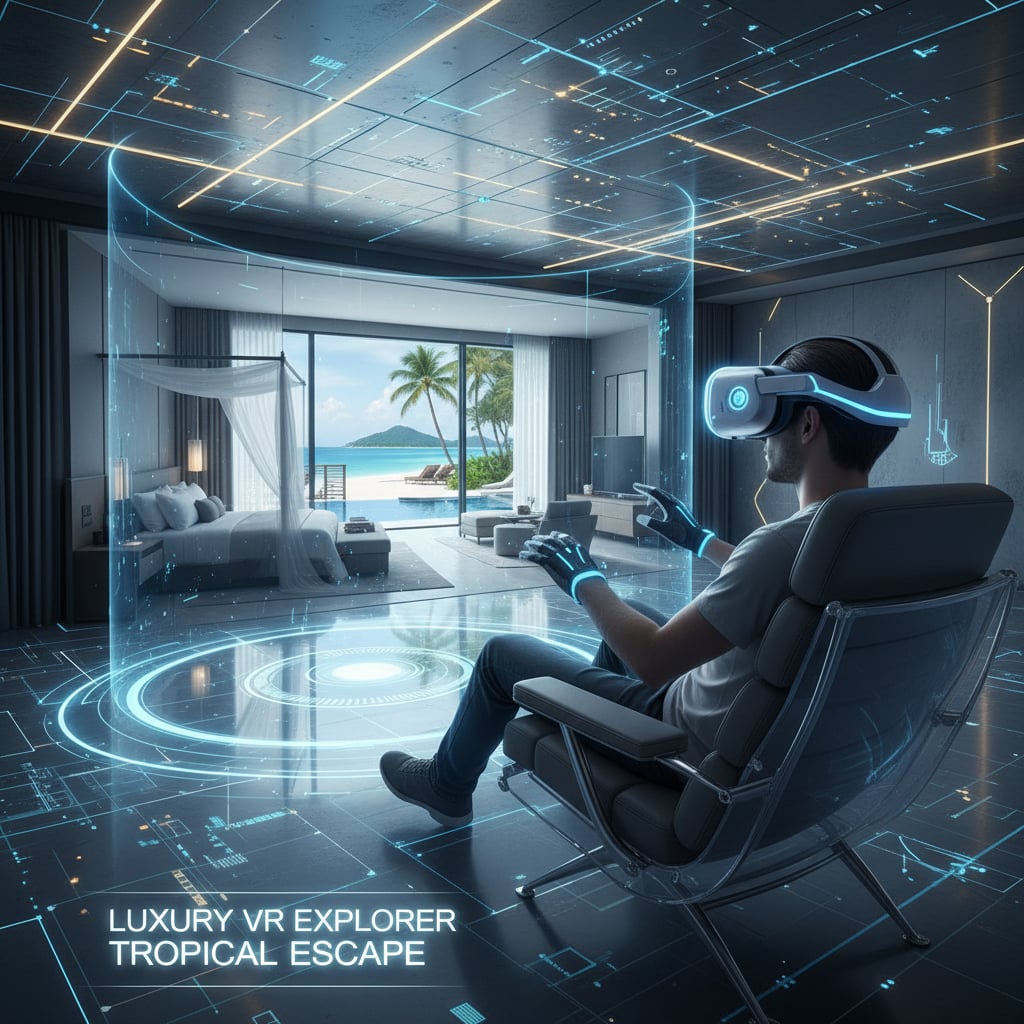
Dedicated VR headsets like Meta Quest or HTC Vive provide fully immersive experiences with head tracking and spatial audio. These experiences create the strongest sense of presence, maximizing emotional impact.
Progressive agencies maintain VR headsets in offices for client consultations, offering immersive destination previews during planning meetings. This high-touch approach particularly suits luxury travel and complex multi-destination itineraries.
The decreasing cost of VR headsets makes this technology increasingly accessible. Entry-level headsets now cost under $300, representing manageable investment for agencies prioritizing experiential selling.
Augmented Reality Applications
Augmented reality overlays digital information onto real-world views through smartphone cameras. While distinct from VR, AR offers interesting travel applications like visualizing hotel locations within actual neighborhoods or previewing room layouts in physical spaces.
AR proves particularly valuable for destination exploration, enabling clients to point phones at maps and see highlighted attractions, restaurants, or transportation options.
Creating Virtual Tour Content
DIY Content Creation
Basic 360-degree content creation requires only a 360-degree camera and free editing software. Consumer cameras like Ricoh Theta or Insta360 produce quality results at $300-$500 price points.
During familiarization trips, capture 360-degree photos and videos of key destinations, hotels, and attractions. This authentic content resonates more strongly than supplier-provided materials, showcasing your expertise and destination knowledge.
Ensure stable shooting using tripods or monopods to prevent shaky footage. Shoot during optimal lighting conditions and plan shots showcasing the most compelling angles and features.
Professional Production
For premium content, consider engaging professional VR production companies specializing in travel content. Professional productions incorporate features like hotspots linking multiple scenes, narration, and sophisticated editing.
Professional VR content particularly benefits destination management companies and agencies with signature products justifying production investment. High-quality VR experiences become marketing assets usable across years.
Leveraging Supplier Content
Many hotels, attractions, and destinations now produce VR content available for travel agency use. Platforms aggregate this content, enabling agencies to access extensive virtual tour libraries without creating original content.
When using supplier content, ensure proper permissions and maintain quality standards. Low-quality VR experiences create negative impressions, undermining rather than supporting sales efforts.
Implementing Virtual Tours in Sales Process
Website Integration
Embed 360-degree tours directly into destination and package pages on your website. This integration enables prospective clients to explore offerings during initial research, building interest before direct contact.
Clearly label virtual tour availability using prominent buttons or badges. Many website visitors specifically seek virtual tour options, making discoverability important.
Optimize virtual tour loading times to prevent frustrating delays. Consider progressive loading or lower-resolution preview options for slower connections.
Client Consultation Enhancement
During consultation meetings, use virtual tours to illustrate recommendations and address client concerns. If clients express uncertainty about hotel locations, virtual tours showing surrounding neighborhoods and proximity to attractions provide reassuring context.
Agencies using DMCQuote for package creation can enhance presentations by supplementing itineraries with virtual destination tours, creating comprehensive multimedia proposals.
Prepare curated virtual tour playlists for common destinations and trip types. This preparation enables smoothly incorporating tours into consultations without fumbling through content searches.
Email and Social Media Marketing
Include virtual tour links in email campaigns promoting specific destinations or packages. The interactive format achieves higher engagement than static content, improving email marketing performance.
Social media platforms increasingly support 360-degree photo and video formats. Share virtual tours on Facebook and Instagram to differentiate content and encourage sharing.
Consider creating teaser versions of virtual tours designed for social media, with full experiences available on your website. This approach drives traffic while respecting platform video length limitations.
Virtual Reality for Different Travel Segments
Luxury Travel
High-net-worth travelers expect premium service throughout the booking journey. VR experiences align with luxury expectations by providing exclusive previews and personalized consultation experiences.
Showcase luxury resorts, private villas, and exclusive experiences through VR, emphasizing unique features and exceptional quality. The technology enables justifying premium pricing by demonstrating tangible value.
Adventure Travel
Virtual reality excellently conveys adventure activities like safari experiences, mountain trekking, or scuba diving. Clients uncertain about physical demands or safety can virtually experience activities, building confidence and excitement.
Use VR to manage expectations around adventure travel's physical requirements, ensuring clients understand fitness levels needed for specific activities.
Group and MICE Travel
Meeting and event planners benefit significantly from virtual venue tours, assessing conference facilities, breakout rooms, and accommodation without expensive site visits.
Create virtual tours showcasing full event setups including room configurations, AV capabilities, and catering spaces. This comprehensive preview streamlines decision-making and reduces site visit requirements.
Family Travel
Families booking multi-generational trips appreciate virtual tours helping everyone visualize destinations and accommodations. Kids engage enthusiastically with VR technology, building excitement for upcoming trips.
Showcase family-friendly features like kids' clubs, water parks, and activity areas through virtual tours, addressing parent concerns about age-appropriate entertainment.
Overcoming Implementation Challenges
Technology Accessibility
Not all clients have VR headsets or high-speed internet supporting streaming virtual content. Provide multiple access options including 360-degree web viewers, mobile apps, and in-office VR headset experiences.
Clearly communicate system requirements for optimal virtual tour experiences. Offer alternative options for clients unable to access VR content.
Content Quality Control
Poor-quality virtual tours create worse impressions than no tours at all. Establish quality standards for content included in your virtual tour library.
Regularly audit virtual tour links ensuring they remain functional and content stays current. Broken links or outdated content undermines professionalism.
Sales Team Training
Effective virtual tour integration requires sales team comfort with the technology. Provide comprehensive training on accessing content, operating VR equipment, and incorporating tours into consultation workflows.
Develop best practice guidelines for virtual tour usage, including appropriate tour selection for different client types and effective transition from virtual experience to booking conversion.
Measuring Virtual Tour Impact
Track engagement metrics including virtual tour views, average viewing time, and conversion rates for clients exposed to virtual tours versus those who aren't.
Survey clients about virtual tour usefulness in their decision-making process. Qualitative feedback often reveals insights beyond quantitative metrics.
Calculate return on investment by comparing virtual tour implementation costs against incremental bookings attributable to the technology. Most agencies find positive ROI within 6-12 months for quality implementations.
The Future of VR in Travel
Emerging technologies like photorealistic 3D environments and haptic feedback will make virtual experiences increasingly realistic. Integration with artificial intelligence will enable personalized virtual tours adapted to individual client preferences.
Virtual travel experiences may evolve beyond marketing into products themselves, with some agencies offering virtual destination experiences as standalone services.
Conclusion
Virtual reality technology transforms how travel agencies showcase destinations and build client confidence in booking decisions. Whether through simple 360-degree photos or sophisticated VR headset experiences, immersive content differentiates your agency in competitive markets.
Start with accessible 360-degree content creation during familiarization trips, gradually expanding to more sophisticated implementations as you measure impact and refine approaches. The agencies embracing VR technology today position themselves as innovation leaders while delivering superior client experiences.
Explore how innovative technology enhances the travel booking experience at DMCQuote. Learn more about our modern approach to travel technology on our about page, and access comprehensive booking tools through our agent portal.