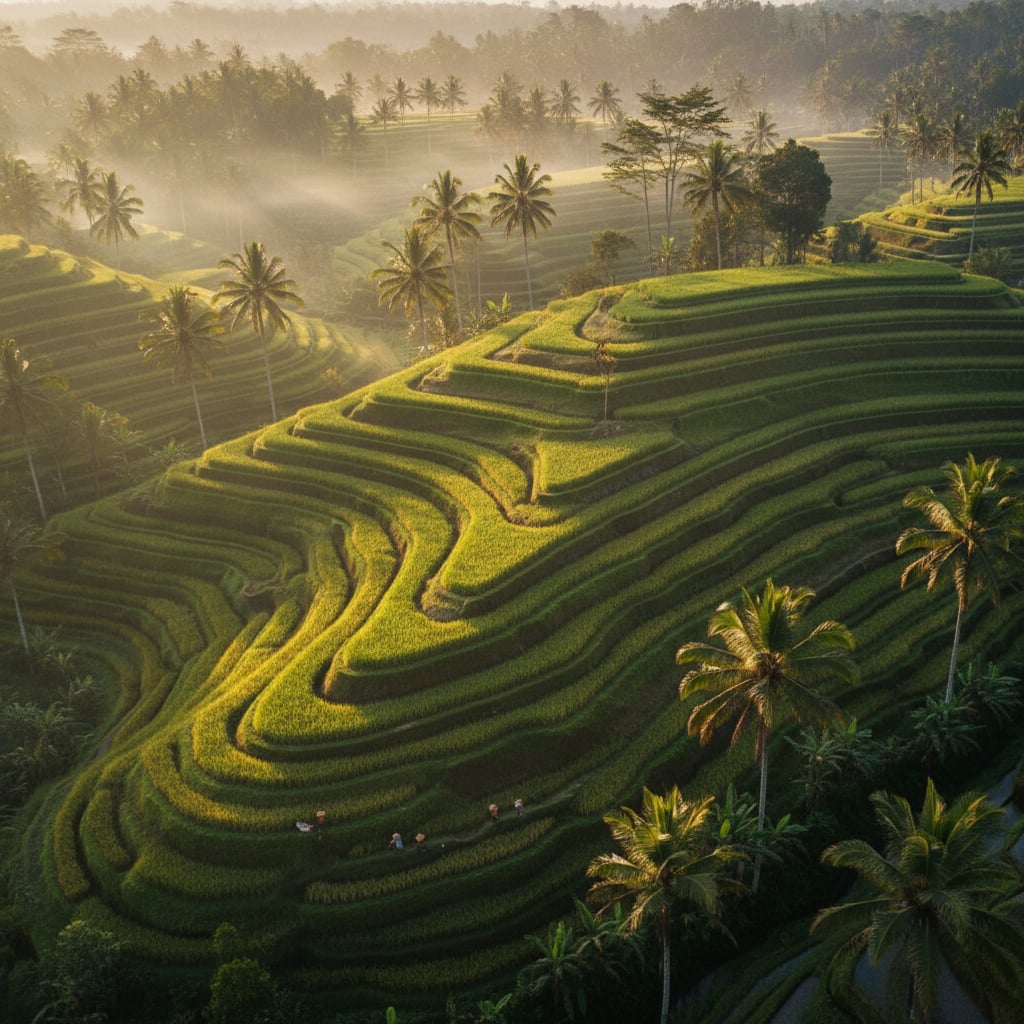
Indonesia isn't just a destination - it's 17,000 islands of possibilities. But let's be honest: most travelers start with Bali, and for good reason. This tiny island (you can drive across it in 3 hours) packs in more beauty, culture, and adventure than countries ten times its size. Ancient temples clinging to cliffsides, emerald rice terraces cascading down hillsides, volcanoes you can actually climb, and beaches that range from surfing meccas to secluded coves.
I've spent years exploring Indonesia - from the chaos of Jakarta to the dragons of Komodo - and Bali remains the perfect introduction. It's accessible enough for first-timers but deep enough to reward repeat visits. The Balinese Hindu culture creates an atmosphere unlike anywhere else in Muslim-majority Indonesia. Every village has multiple temples. Every day brings offerings. Every sunset seems to demand attention.
Top Cultural Experiences
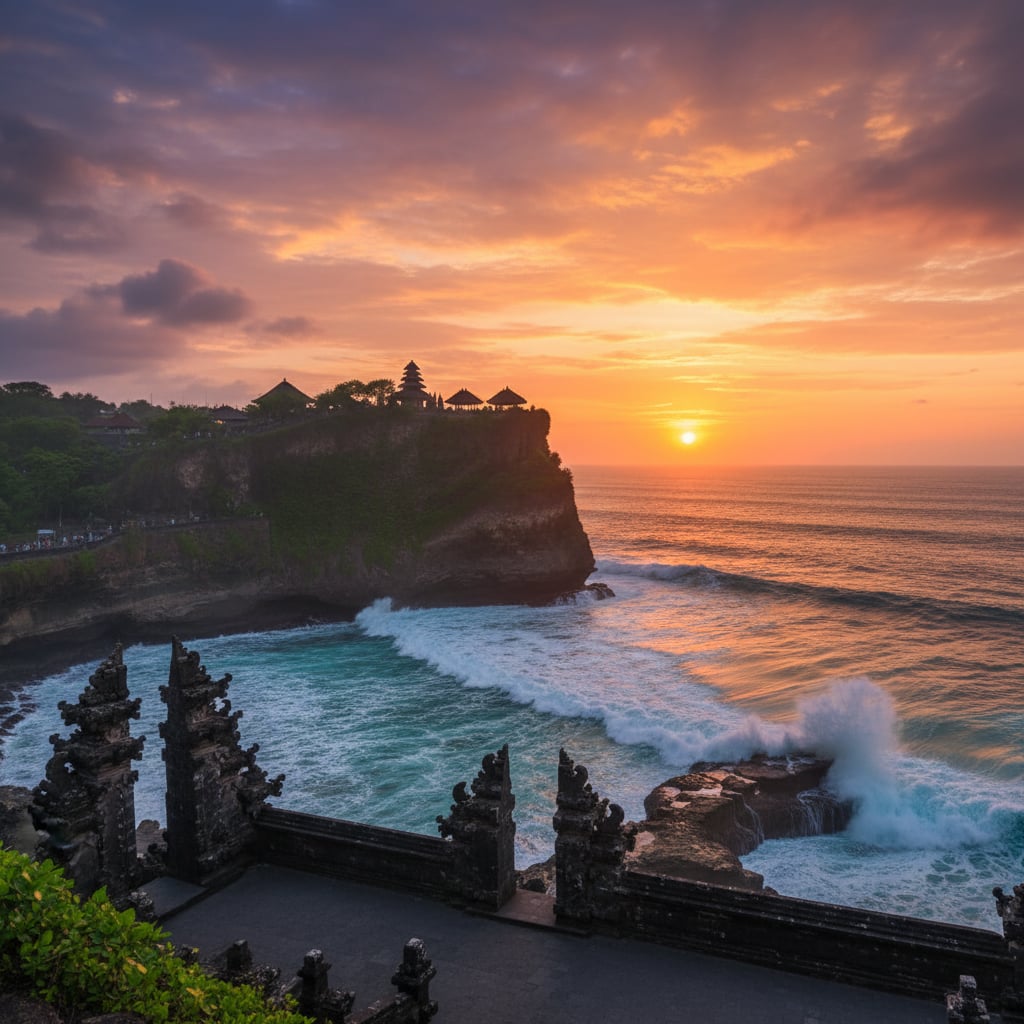
Bali's Hindu culture isn't a museum piece - it's living, breathing, and happening all around you. The island has over 10,000 temples, from grand complexes to tiny shrines tucked into rice fields. Every full moon, new moon, and Balinese holiday (there are hundreds) brings ceremonies with incense, offerings, and gamelan music. You don't need to seek out culture here; it finds you.
Uluwatu Temple & Kecak Fire Dance IDR 50,000-150,000
Pura Luhur Uluwatu sits dramatically on a 70-meter cliff on Bali's southern tip. But the real magic happens at sunset when the Kecak fire dance begins - 50+ men chanting in unison while dancers enact the Ramayana epic against the backdrop of the setting sun and infinite ocean. It's genuinely unforgettable.
Price Breakdown:
- Temple entrance: IDR 50,000 (adult), IDR 30,000 (child)
- Kecak dance: IDR 150,000 (includes temple entrance)
- Sarong rental: IDR 10,000 (or bring your own)
Insider Tips: Arrive by 5 PM to explore the temple before the dance. The monkeys here are notorious thieves - secure glasses, hats, and anything dangling. Front-row dance seats offer the best photos but the sunset is behind you; middle rows balance both. The amphitheater has no roof - bring a light jacket for evening breeze.
Tanah Lot Temple IDR 60,000
Bali's most photographed temple sits on a rocky outcrop surrounded by crashing waves. At high tide it's an island; at low tide you can walk to its base (but not enter - it's a functioning temple). Sunset here draws crowds, but the silhouette against orange skies explains why. It's one of Bali's holiest sea temples, believed to be guarded by sea snakes.
Best Times: Sunset is iconic but crowded. Early morning (7-8 AM) offers peaceful exploration and good photography. Low tide (check tide tables) allows access to the temple base for blessings from priests.
Insider Tips: The path to the temple passes through a tourist market - it's overpriced but the sarong selection is decent if you forgot yours. The Taman Ayun temple nearby makes a good combo trip (included in many tours).
Tegallalang Rice Terraces IDR 15,000
These terraces 20 minutes north of Ubud showcase the subak irrigation system UNESCO honored as a Cultural Landscape. The carved hillsides create Instagram's favorite Bali backdrop, but there's substance behind the style - this traditional water management system dates back to the 9th century and still feeds communities today.
Price: IDR 15,000 entrance. The famous swing photos cost IDR 100,000-350,000 depending on height and complexity. Cafes along the ridge serve decent coffee with terrace views.
Insider Tips: Go early (before 9 AM) to avoid tour bus crowds. The terraces are most photogenic when flooded with water (planting season, typically January-March) or lush green (a few weeks after planting). Wear sturdy shoes - the paths between terraces are uneven and slippery. The Jatiluwih Rice Terraces (1 hour away) are larger and less crowded but Tegallalang's dramatic valley setting photographs better.
Traditional Dance Performances IDR 80,000-150,000
Balinese dance isn't just entertainment - it's storytelling, devotion, and athletic feat combined. The intricate eye movements, finger positions, and costume details carry specific meanings. Ubud hosts performances almost every evening, with different dance forms rotating through various temples and venues.
Main Dance Forms:
- Kecak: Chanting male chorus, Ramayana story, hypnotic and powerful
- Legong: Young female dancers, elaborate costumes, classical beauty
- Barong: Good vs. evil battle with lion-like creature, theatrical
- Kebyar: Male solo dance, dynamic and virtuosic
Where to Watch: Ubud Palace (nightly, various forms), Pura Dalem Taman Kaja (Legong), Batubulan village (morning Barong), Uluwatu Temple (Kecak at sunset).
Ubud Art & Craft Villages FREE (shopping optional)
The villages surrounding Ubud specialize in traditional crafts, each with its own focus. Watching artisans work is free; buying their creations supports multi-generational skills.
Mas Village
Woodcarving capital. Intricate masks, mythological figures, furniture. Watch carvers transform teak into art.
Batuan Village
Traditional painting. Dark, intricate scenes of daily life and mythology. Visit artist homes/studios.
Celuk Village
Gold and silver smithing. Jewelry workshops, custom pieces. See traditional filigree techniques.
Batubulan Village
Stone carving. Temple guardians, mythological statues. Morning Barong dance performances.
Tirta Empul Water Temple IDR 50,000
This 1,000-year-old temple is built around natural springs believed to have healing properties. Balinese Hindus come here for ritual purification, moving through a series of fountains while praying. Respectful visitors can participate - it's a genuinely spiritual experience, not a tourist show.
To Participate: Rent a sarong (included in entrance) and enter the purification pools. Move through each fountain left to right, letting water flow over your head. The 13th fountain is only for temple priests. Bring dry clothes - you'll be soaked.
Adventure & Nature
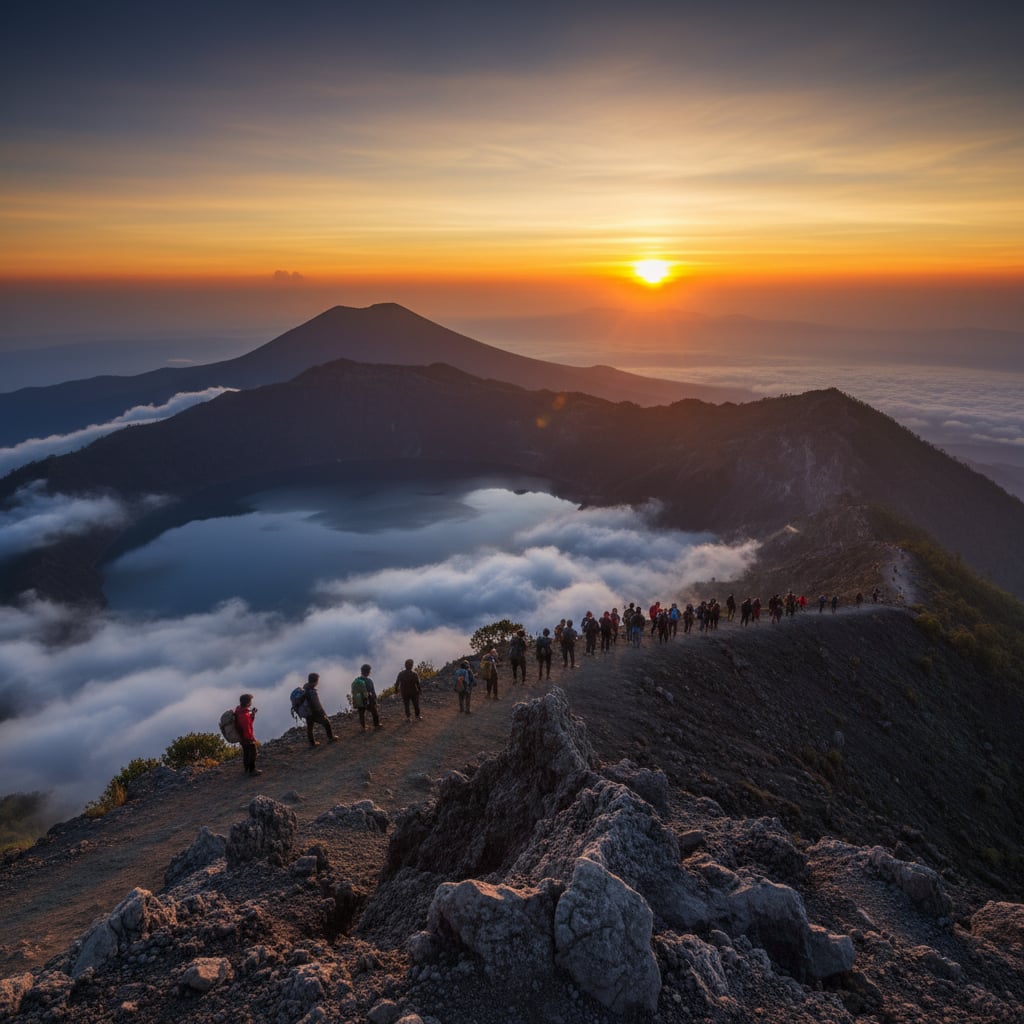
Bali's volcanic spine creates a landscape made for adventure. Active volcanoes you can actually climb, jungle rivers perfect for rafting, underwater worlds teeming with manta rays - the island offers genuine thrills beyond beach lounging. And because it's Bali, even adventure activities tend to have excellent infrastructure and English-speaking guides.
Mount Batur Sunrise Trek USD 35-65
The most popular trek in Bali for good reason: a 2-hour climb in darkness, rewarded with sunrise over an active volcanic crater, breakfast cooked in volcanic steam vents, and views stretching to Lombok. It's challenging enough to feel like an achievement but accessible enough for reasonably fit travelers.
What's Included (standard tour): Hotel pickup, guide, flashlight, breakfast, entry fees. Premium tours add hot springs visit post-trek (recommended for tired muscles).
Difficulty: Moderate. The path is well-worn but steep in sections with loose volcanic gravel. A basic fitness level is needed. Not recommended for young children or those with mobility issues.
Insider Tips: Bring warm layers - it's cold before sunrise at 1,700 meters. Hiking boots or sturdy sneakers essential (sandals won't cut it). The guided tour monopoly means you can't legally climb independently - embrace it, the guides know the mountain. Book dry season (April-October) for clearest skies. The post-trek hot springs at Toya Bungkah are worth including.
Ayung River White Water Rafting USD 30-60
The Ayung River near Ubud offers Class II-III rapids through a jungle gorge - thrilling enough to be exciting but safe enough for beginners. The 2-hour journey passes waterfalls, rice paddies, and stone carvings on the riverbanks. It's the most popular rafting in Bali, with multiple operators running daily trips.
Operators: Sobek (original, premium), Mason Adventures, Bali Adventure Tours. Prices vary by operator and inclusions (lunch, photos, hotel transfers).
Insider Tips: The walk down to the river (and especially back up - 300+ steps) is the hardest part for some. Go in morning for cooler temperatures. Rainy season (November-March) brings higher water levels and more exciting rapids. Secure camera in dry bag or use GoPro with chest mount. The buffet lunch included is surprisingly good.
Snorkeling & Diving Nusa Penida USD 80-150
The waters around Nusa Penida host some of Indonesia's most spectacular marine life. Manta rays glide through Manta Point year-round (80%+ sighting rate). The Mola Mola (oceanic sunfish) visits from July-October. Crystal clear visibility often exceeds 30 meters. Even snorkelers can spot mantas from the surface.
Sites: Manta Point (mantas, obviously), Crystal Bay (coral, reef fish, Mola Mola season), Gamat Bay (turtles), Wall Point (drift dive, advanced). Non-divers can snorkel most sites.
Insider Tips: Currents can be strong - this isn't for beginner open-water divers. The boat ride is bumpy; take seasickness meds if prone. Manta viewing respects ethical distances; don't chase them. Combine diving/snorkeling with a land tour of Kelingking Beach for a full Nusa Penida experience.
Waterfall Chasing IDR 20,000-50,000 per waterfall
Bali's volcanic terrain creates dozens of waterfalls, from easily accessible tourist favorites to jungle treks rewarding the adventurous. The north and center of the island hide the best cascades. Visit in or just after rainy season (December-March) for maximum flow.
Sekumpul Waterfall
Often called Bali's most beautiful. 80m drop through jungle. Steep trek down (and back up). Worth the effort.
Gitgit Waterfall
Easy access near Lovina. 35m tall. Swimming possible. Can be combined with dolphin watching.
Tegenungan Waterfall
Closest to Ubud. Well-developed facilities. Crowded but photogenic. Good for families.
Tibumana Waterfall
Hidden gem near Ubud. Short walk. Jungle pool for swimming. Less crowded.
Bali Swing USD 35-50
Yes, it's touristy. Yes, the photos are on every Instagram. But swinging over a jungle valley or rice terraces IS genuinely exhilarating. Multiple swing parks now operate around Ubud, ranging from single swings to full adventure courses with zip lines and nests.
Popular Options: Bali Swing (the original, most heights), Zen Hideaway, Uma Pakel, Alas Harum. Prices usually include multiple swings at different heights, photo sessions, sometimes coffee or lunch.
Insider Tips: Go early (before 10 AM) to avoid queues. The highest swings are scariest but photograph best. Dress for photos (flowing dresses popular). These aren't thrill rides - they're photo opportunities with nice views. Budget version: Tegallalang rice terrace swings cost IDR 100,000-150,000.
Beach & Water Activities
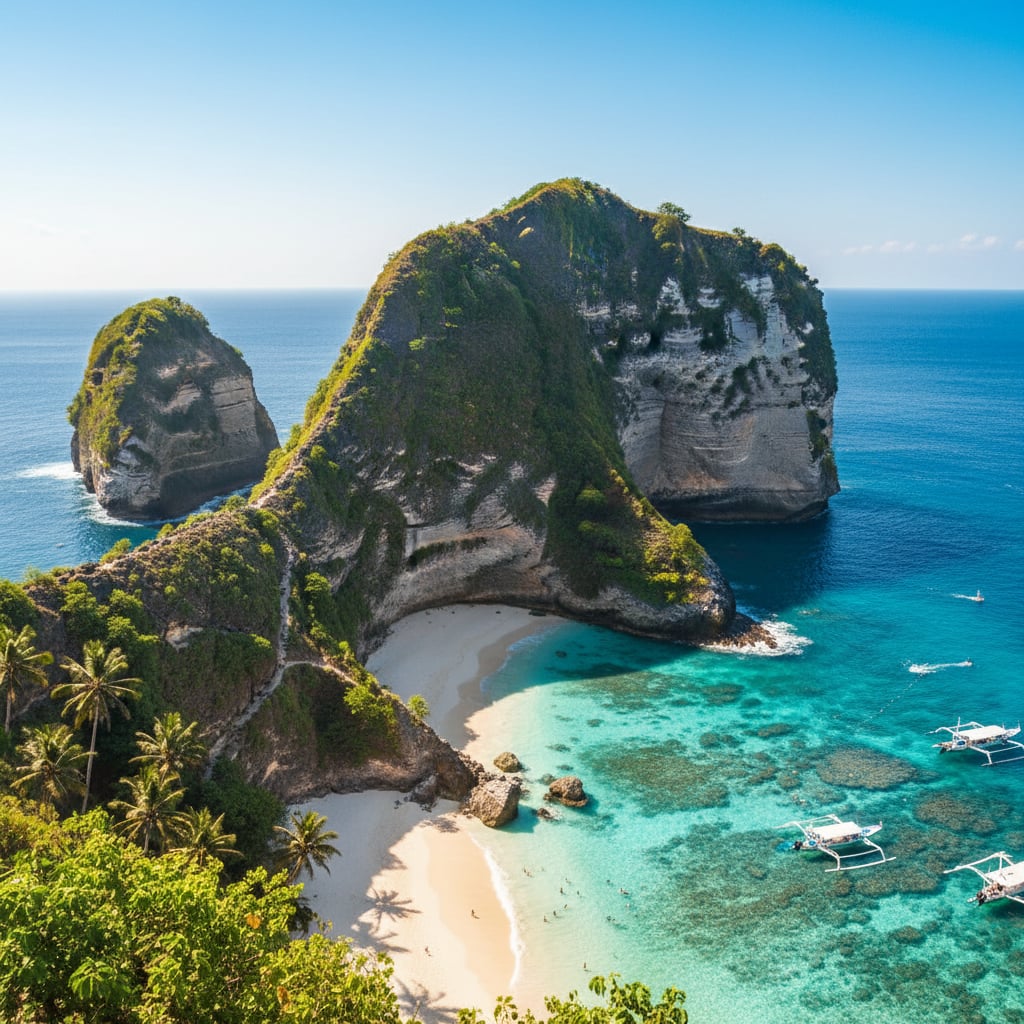
Bali's beaches aren't uniform - they range from black volcanic sand to white powder, from pumping surf breaks to calm swimming bays. The south has the party beaches and surf; the east has quiet snorkeling spots; the offshore islands offer the clearest water. And if you want something beyond beaches, island hopping opens up entirely new worlds.
Surfing USD 25-60
Bali put Indonesian surfing on the map. From beginner-friendly beach breaks to world-class reef barrels, the island delivers year-round waves. The west coast catches the dry season swells (April-October); the east coast works in the wet season.
By Level:
- Beginners: Kuta Beach, Seminyak Beach, Canggu (Batu Bolong) - sandy bottoms, gentle waves
- Intermediate: Canggu (Echo Beach, Old Man's), Padang Padang - more power, starts getting crowded
- Advanced: Uluwatu, Padang Padang (the barrel), Keramas - reef breaks, serious waves, localism
Prices: Surf lessons: USD 25-40 (2 hours with board). Board rental: USD 5-15/day. Surf camps (multi-day with accommodation): USD 50-150/day.
Insider Tips: Uluwatu's multiple breaks offer everything from learner to expert, but access requires navigating cliff stairs and reef - it's not for everyone. Canggu has become the digital nomad surf capital; the vibe is young and international. Board bags flying in: check airline policies and consider renting locally.
Island Hopping: Gili Islands USD 40-80 fast boat
Three tiny islands off Lombok's coast offer car-free paradise just 2 hours from Bali by fast boat. Gili Trawangan has the party scene. Gili Air balances chill and activity. Gili Meno is the quietest. All have white sand, turquoise water, excellent snorkeling (turtles almost guaranteed), and no motorized vehicles.
Activities: Snorkeling (rent gear IDR 50,000/day), diving (USD 40-80/dive, underwater statues), stand-up paddleboarding, cycling around the island (bikes rent USD 5/day), beach bars, freediving courses.
Insider Tips: Fast boats can be rough - sit in the back and take seasickness meds. Island hopping between all three Gilis is easy via public boats (IDR 25,000). Peak season (July-August) books out - reserve accommodation ahead. The underwater sculpture garden at Gili Meno is excellent for snorkelers.
Nusa Penida Day Trip USD 40-80
This rugged island 30 minutes from Sanur offers Bali's most dramatic landscapes: Kelingking Beach (the T-Rex cliff), Angel's Billabong (natural infinity pool), Broken Beach (collapsed cave), and Crystal Bay. Infrastructure is improving but roads remain rough; a guided tour handles the logistics.
Tour Options: West side tour (Kelingking, Angel's Billabong, Broken Beach - most popular). East side tour (Atuh Beach, Diamond Beach, Treehouse). Snorkeling combo (Manta Point + 2-3 land spots). Overnight stays allow covering both sides without rushing.
Insider Tips: The climb down to Kelingking Beach is steep, exposed, and sketchy - many visitors view from above only. Wear good shoes (not sandals). The boat crossing can be rough; sit in the center. Tour drivers are essential - the roads require local knowledge. Visit Angel's Billabong at low tide only.
Lovina Dolphin Watching IDR 100,000-150,000
North Bali's black sand coast hosts wild spinner dolphins that gather offshore at dawn. Traditional outrigger boats head out in darkness to catch dolphins feeding and playing as the sun rises. Sightings aren't guaranteed but success rates are high (80%+).
Combine With: Gitgit Waterfall, Banjar Hot Springs, Brahma Vihara Buddhist temple - all nearby. The drive from South Bali takes 3 hours; consider an overnight in Lovina or Munduk.
Insider Tips: The boats rush toward dolphin pods which can feel chaotic - manage client expectations. Early morning light is beautiful. North Bali moves slower than the south; it's a welcome change of pace. Some operators offer swimming with dolphins (controversial ethically - wild dolphins shouldn't be pursued).
Beach Clubs IDR 250,000-500,000 minimum spend
Bali invented the tropical beach club concept, and the scene keeps evolving. From Seminyak's legendary spots to Uluwatu's clifftop venues, you'll find infinity pools, international DJs, Instagrammable daybeds, and drinks in coconuts. Most operate on minimum spend rather than entry fees.
Top Picks:
- Potato Head Beach Club (Seminyak): The original icon. Sunset views, design focus, excellent food.
- Savaya (Uluwatu): Clifftop infinity pool, big-name DJs, dress to impress.
- Finns Beach Club (Canggu): Family-friendly during day, party at night.
- Sunday's Beach Club (Uluwatu): Cable car access, boutique feel, stunning location.
- La Brisa (Canggu): Recycled boat design, sunset facing, bohemian vibes.
Food & Markets
Balinese food goes beyond the tourist Nasi Goreng. The island has its own distinct cuisine - spicier than Javanese, with unique dishes like Babi Guling (suckling pig) and Bebek Betutu (slow-cooked duck). And then there's the café scene: Bali has arguably the best brunch culture in Southeast Asia, driven by expats and digital nomads demanding avocado toast with their volcano views.
Balinese Cooking Classes USD 25-50
Learning to cook Balinese food typically starts with a market tour, where you'll learn to identify local ingredients - galangal vs ginger, different curry pastes, fresh vs dried spices. Then comes hands-on cooking of 5-8 dishes, followed by eating everything you made. Classes range from budget home-style to premium villa experiences.
What You'll Cook: Typically includes Nasi Goreng, Satay with peanut sauce, Gado-gado, Lawar (Balinese salad), Sambal, and dessert. Vegetarian/vegan options widely available.
Insider Tips: Casa Luna (Ubud) pioneered cooking classes here and remains excellent. Paon Bali offers budget-friendly village experiences. For something special, try a private class in a family compound. Recipe booklets are usually included - you'll actually make these dishes at home.
Ubud Market FREE entry
The Pasar Seni (art market) opposite Ubud Palace transforms throughout the day. Early morning (before 8 AM), locals shop for fresh produce - this is the authentic part. By 9 AM, tourist stalls dominate, selling sarongs, bags, carvings, and souvenirs. Haggling is expected; start at 40-50% of asking price.
Buy: Sarongs (IDR 50,000-150,000), rattan bags (IDR 100,000-300,000), handwoven textiles, silver jewelry, spices, coffee. Quality varies wildly - inspect items carefully.
Local Food Tours USD 45-75
Guided food tours take you beyond tourist restaurants to local warungs (family eateries) serving dishes you'd never find on your own. Denpasar night markets, Gianyar street food, Ubud hidden warungs - a good guide opens doors closed to independent travelers.
Must-Try Balinese Dishes:
- Babi Guling: Spit-roasted suckling pig with crackling. Ibu Oka in Ubud is famous.
- Bebek Betutu: Duck stuffed with spices, wrapped in banana leaves, slow-cooked 24 hours.
- Lawar: Minced meat/vegetables with coconut and spices. Sometimes includes blood (ask first).
- Sate Lilit: Minced fish satay wrapped around lemongrass sticks. Uniquely Balinese.
- Nasi Campur Bali: Mixed rice plate with small portions of many dishes.
Family-Friendly Activities
Bali works brilliantly for families. Kids are welcomed everywhere (the Balinese adore children), activities cater to all ages, and the prices allow for daily adventures without breaking budgets. Resorts offer kids' clubs, and many tours accept children. Just watch the sun and stay hydrated - heat exhaustion catches families off guard.
Bali Safari & Marine Park
African-style safari, water park, animal shows. Full day for kids. Gianyar. USD 35-65 per person.
Waterbom Bali
Award-winning waterpark in Kuta. Slides for all ages, lazy river, spa. Great for hot days. USD 35-55.
Bali Zoo
Intimate zoo with breakfast with orangutans, elephant mud fun. Good for young kids. USD 25-50.
Cycling Tours
Downhill rides through rice terraces, villages. Multiple companies. Suitable for ages 8+. USD 35-55.
Bali Safari & Marine Park USD 35-65
Indonesia's largest animal theme park houses 100+ species across African and Asian zones. The bus safari drive-through, elephant shows, waterpark, and night safari options make it an easy full-day family outing. It's commercial but well-maintained, and kids love it.
Package Options: Jungle Hopper (basic), Safari Explorer (includes shows), Rhino Package (adds night safari), Dragon Package (includes lunch).
Waterbom Bali USD 35-55
This award-winning waterpark consistently ranks among Asia's best. The Climax slide drops you almost vertically. The lazy river winds through gardens. The kids' zone keeps little ones busy. And when parents need a break, the Spa area offers massages while kids play.
Insider Tips: Weekday mornings are quietest. The gardens and grounds are genuinely beautiful - it doesn't feel like a typical waterpark. Food is overpriced but quality is good. Lockers and towels available. Book online for 10-15% discount.
Chocolate Factory Tours IDR 50,000-150,000
Bali grows excellent cacao, and several chocolate makers offer tours and tastings. Charlie's Chocolate Factory and Pod Chocolate (Ubud area) let you see bean-to-bar production, taste different origins, and make your own chocolates. Sweet learning experience for kids and adults.
Options: Pod Chocolate offers farm-to-bar tours including cacao plantation visits. Charlie's Chocolate Factory has kid-friendly workshops. Both have cafes serving excellent chocolate drinks and desserts.
Downhill Cycling Tours USD 35-55
These tours start high in the mountains (often after Mount Batur sunrise viewing) and coast downhill through rice terraces, villages, and forests. It's mostly downhill, so even non-cyclists manage easily. Stops include temples, coffee plantations, and family compounds.
Suitable For: Ages 8+ with basic bike skills. Electric bike options available for easier pedaling. Tours provide bikes, helmets, guides, and lunch.
Operators: Sobek, Bali Eco Cycling, Mason Adventures. Routes vary but typically cover 25-30 km over 3-4 hours of actual riding.
Booking Tips for Travel Agents
Packaging Activities
Recommended Day Combinations:
- Culture Day: Ubud market morning + rice terraces + cooking class afternoon + dance performance evening
- Adventure Day: Mount Batur sunrise trek + hot springs + coffee plantation + evening spa
- Temple Day: Tirta Empul + Tegallalang + Goa Gajah + Uluwatu sunset with Kecak
- Island Day: Nusa Penida (Kelingking + snorkeling) or Gili Islands (overnight recommended)
- Beach Day: Beach club + surfing lesson or spa + sunset dinner
Multi-Day Itinerary Structure:
- Days 1-2: Seminyak/Canggu (beach, arrival recovery, beach clubs)
- Days 3-5: Ubud (culture, rice terraces, adventure activities)
- Day 6: Nusa Penida or Gili Islands day trip (or overnight)
- Day 7: Uluwatu (temples, sunset, departure)
Commission & Pricing Notes
Standard Commission Rates:
- Day tours: 15-20%
- Activity tickets (waterpark, safari): 12-15%
- Transfers: 10-15%
- Hotels: 15-22% (varies by rate agreement)
- Fast boats (Gili, Nusa Penida): 10-12%
Peak Season Considerations:
- July-August: European/Australian school holidays. Book 2-3 months ahead.
- Christmas-New Year: Premium pricing (50-100% uplift), limited availability. Book 3-4 months ahead.
- Chinese New Year: Asian visitor surge. Temples extremely crowded.
- Nyepi (March, varies): Island shuts down for 24 hours. Plan around it - airport closes too.
Common Client Concerns
Traffic: South Bali traffic can be brutal. Seminyak to Ubud: 1-2 hours depending on time. Factor this into itineraries. Consider staying in multiple areas rather than commuting daily.
Safety: Bali is very safe. Main concerns: traffic (scooters), petty theft, and sun exposure. Hospitals adequate in Denpasar; serious cases evacuate to Singapore.
Visa: Most nationalities get 30-day visa-on-arrival (USD 35). Can extend to 60 days at immigration office. Some nationalities visa-free for 30 days (check current list).
Money: Indonesian Rupiah (IDR). USD and AUD widely accepted for tourist services. ATMs everywhere. Inform banks before travel to prevent blocks.
Partner with DMC Quote for Indonesia
Access B2B wholesale rates on Bali activities, hotels, and transfers. Free agent registration with instant access to live inventory and competitive pricing.
Register Free Agent AccountFrequently Asked Questions
The top 5 must-do activities in Bali are: 1) Watch sunset at Uluwatu Temple with Kecak fire dance (IDR 150,000), 2) Sunrise trek at Mount Batur with breakfast at the summit (USD 35-65), 3) Explore Tegallalang Rice Terraces in Ubud (IDR 15,000 entrance), 4) Island hop to Nusa Penida for Kelingking Beach (day trip USD 40-80), and 5) Visit Tirta Empul water temple for a spiritual purification ritual (IDR 50,000). These cover Bali's spiritual, natural, and adventure highlights.
For a comprehensive Bali experience, 7-10 days is ideal. Day 1-2: Seminyak beaches and beach clubs. Day 3-4: Ubud cultural exploration (temples, rice terraces, art villages). Day 5: Mount Batur sunrise trek. Day 6-7: Nusa Penida or Gili Islands. Day 8-10: North Bali (Lovina dolphins, waterfalls) or relaxation. However, even 5 days can cover the highlights if you focus on one region. Add 2-3 days if including Komodo or Java side trips.
Bali offers excellent value compared to other tropical destinations. Budget travelers can enjoy Bali on USD 30-50/day (local warungs, guesthouses, scooter rental). Mid-range comfort costs USD 80-150/day (boutique hotels, private tours, nice restaurants). Luxury seekers spend USD 300+/day (5-star resorts, private villas, fine dining). Key costs: Temple entries IDR 15,000-100,000, cooking classes USD 25-50, day tours USD 40-100, Grab rides USD 3-10, local meals USD 2-5, tourist restaurant meals USD 10-25.
Bali is famous for its unique Hindu culture (10,000+ temples), stunning rice terrace landscapes, world-class surfing (Uluwatu, Canggu, Kuta), yoga and wellness retreats (Ubud is the global wellness capital), ancient temples perched on cliffs and lakes, vibrant arts scene (traditional dance, woodcarving, painting), beach clubs and nightlife (Seminyak, Canggu), and exceptionally warm hospitality. It's also known for affordable luxury - 5-star experiences at 3-star prices compared to other destinations.
The best time to visit Bali is during the dry season from April to October, with May, June, and September being ideal (fewer crowds than July-August peak). Wet season (November-March) brings afternoon showers but also lush green landscapes, lower prices, and fewer tourists. For specific activities: Surfing is best May-October (dry season swells), Diving peak is April-November, Rice terraces are greenest in January-March after planting. Avoid major holidays (Christmas, Nyepi, Lebaran) unless you book months ahead.
Bali is generally very safe for tourists. The main concerns are petty theft (secure valuables), traffic (wear helmet on scooters, drive defensively), and occasional scams (agree on taxi prices beforehand, use Grab app). The Balinese are genuinely welcoming - tourism is their livelihood and they take visitor safety seriously. Health-wise: drink bottled water, use sunscreen and mosquito repellent. Natural hazards include strong ocean currents (swim at flagged beaches) and occasional volcanic activity (check Mount Agung status). Solo female travelers report feeling safe in tourist areas.
Cultural don'ts in Bali: Don't point with your feet (considered rude), don't touch people's heads (sacred in Hindu culture), don't enter temples during menstruation (local belief), dress modestly at temples (sarong and sash required, often provided). Practical don'ts: Don't drink tap water, don't exchange money on the street (scams common), don't drive without international license (police checkpoints), don't underestimate the sun (equatorial UV is intense), don't book tours from airport touts (overpriced). During Nyepi (Silent Day), don't go outside - the entire island shuts down for 24 hours.
Getting around Bali: Scooter rental (IDR 50,000-80,000/day) is most popular - flexible but requires confidence in traffic. Grab app works well in tourist areas (cheaper than taxis). Private driver hire (IDR 500,000-700,000/day, 8-10 hours) is excellent value for groups and includes local knowledge. Organized tours handle logistics for popular routes. For island hopping: fast boats to Nusa Penida (30 mins, IDR 150,000), Gili Islands (2 hours, IDR 350,000). Bali has no public transport system - avoid walking long distances in the heat. Airport to Ubud: 1.5 hours, USD 25-35 by car.
Secure Booking
SSL EncryptedIATA Certified
Partner Agency24/7 Support
Always Here for YouInstant Confirmation
Real-Time BookingBest Price Guarantee
Wholesale Rates10+ Years Experience
Trusted Since 2014Related Indonesia Guides
Indonesia Travel Guide
Complete Indonesia travel information including destinations, culture, and practical tips.
Best Time to Visit
Weather patterns, peak seasons, and the best months for different activities.
Visa Requirements
Visa on arrival details, extensions, and entry requirements by nationality.