South Korea Travel Guide 2026
Your complete guide to Korea's destinations, K-culture, bullet trains, and vibrant street food for creating unforgettable client experiences
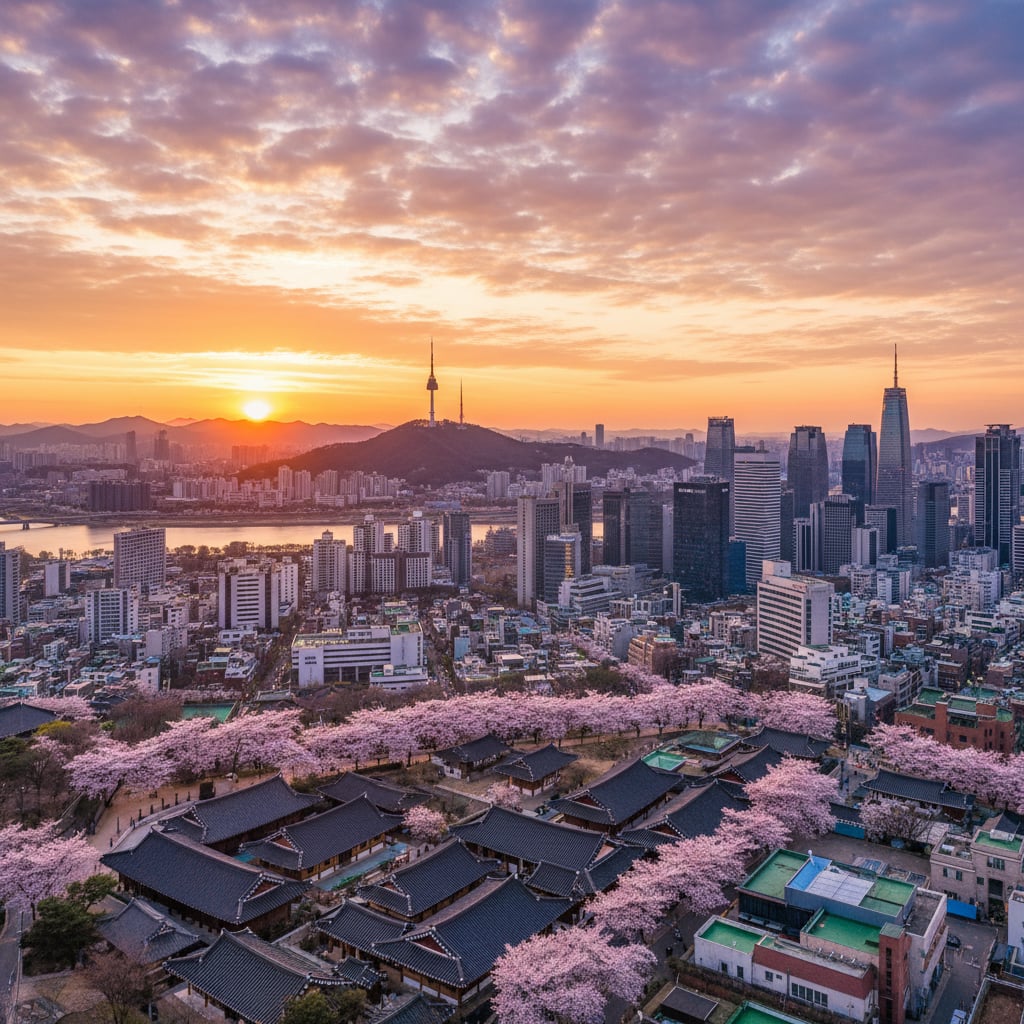
Why South Korea Is the Hottest Destination Right Now
Korea's gone mainstream. And I mean really mainstream. Your clients aren't just watching K-dramas anymore - they're booking flights to walk the same streets as their favorite characters. The Hallyu wave that started with PSY's Gangnam Style has evolved into a full-blown cultural tsunami that's reshaping Asian tourism.
Here's what's fueling the surge: the Korean won has weakened against the Singapore dollar, making everything from soju to K-beauty products more affordable. A meal that would cost SGD 30 in Singapore runs about SGD 15 in Seoul. Add visa-free entry for most ASEAN passport holders and budget airlines flying direct, and suddenly Korea isn't just aspirational - it's genuinely accessible.
But let's be honest. Most of your clients want to come here because of BTS, Blackpink, Squid Game, or whatever K-drama is trending this month. And that's fine! Korea delivers on the K-culture promise while surprising visitors with ancient palaces, stunning nature, and some of the best street food in Asia. The blend of ultra-modern and deeply traditional creates experiences you simply can't replicate elsewhere.
Quick Facts
- Capital: Seoul
- Population: 51.7 million
- Language: Korean
- Currency: Korean Won (KRW)
- Time Zone: GMT+9 (1 hour ahead of SG)
- Flight from Singapore: 6.5 hours
Why Clients Love Korea
- K-pop, K-drama, K-beauty - full cultural immersion
- World-class street food at incredible prices
- Stunning four-season landscapes
- Ultra-efficient KTX bullet trains
- Safe, clean, highly connected
- Unique blend of ancient and hyper-modern
Getting to South Korea: Flights & Airports
South Korea has two main international airports, though 95% of your clients will fly into Incheon. Understanding the airport situation helps you build better itineraries.
Incheon International Airport (ICN)
The main gateway, consistently ranked among the world's best airports. Located about 60km west of Seoul on an artificial island. Multiple terminals connected by automated people movers. Excellent facilities include sleeping capsules, Korean spa (jjimjilbang), and 24-hour food options. The duty-free shopping here is legendary - remind clients to leave time for it on departure.
Gimpo Airport (GMP)
Seoul's city airport, much closer to downtown (20-30 minutes to Gangnam). Primarily handles domestic flights and some Japan/China routes. If clients are connecting to Busan or Jeju, Gimpo might be more convenient than Incheon. The subway connects directly to central Seoul.
From Singapore
Multiple daily flights from Changi. Singapore Airlines, Korean Air, Asiana, and Scoot all compete on this route. Flight time is approximately 6.5 hours. Scoot offers budget options from around SGD 250 return during sales. For premium clients, Korean Air's A380 business class (when operating) provides excellent value compared to SQ. Red-eye flights work well - arrive early morning, drop bags at hotel, and start exploring.
Agent Tip: Consider open-jaw routing for multi-city trips. Fly into Seoul (Incheon), KTX to Busan, then fly Busan to Singapore (Scoot operates this route). Saves backtracking and maximizes time. Airlines typically don't charge extra for open-jaw.
Seoul - The Dynamic Capital
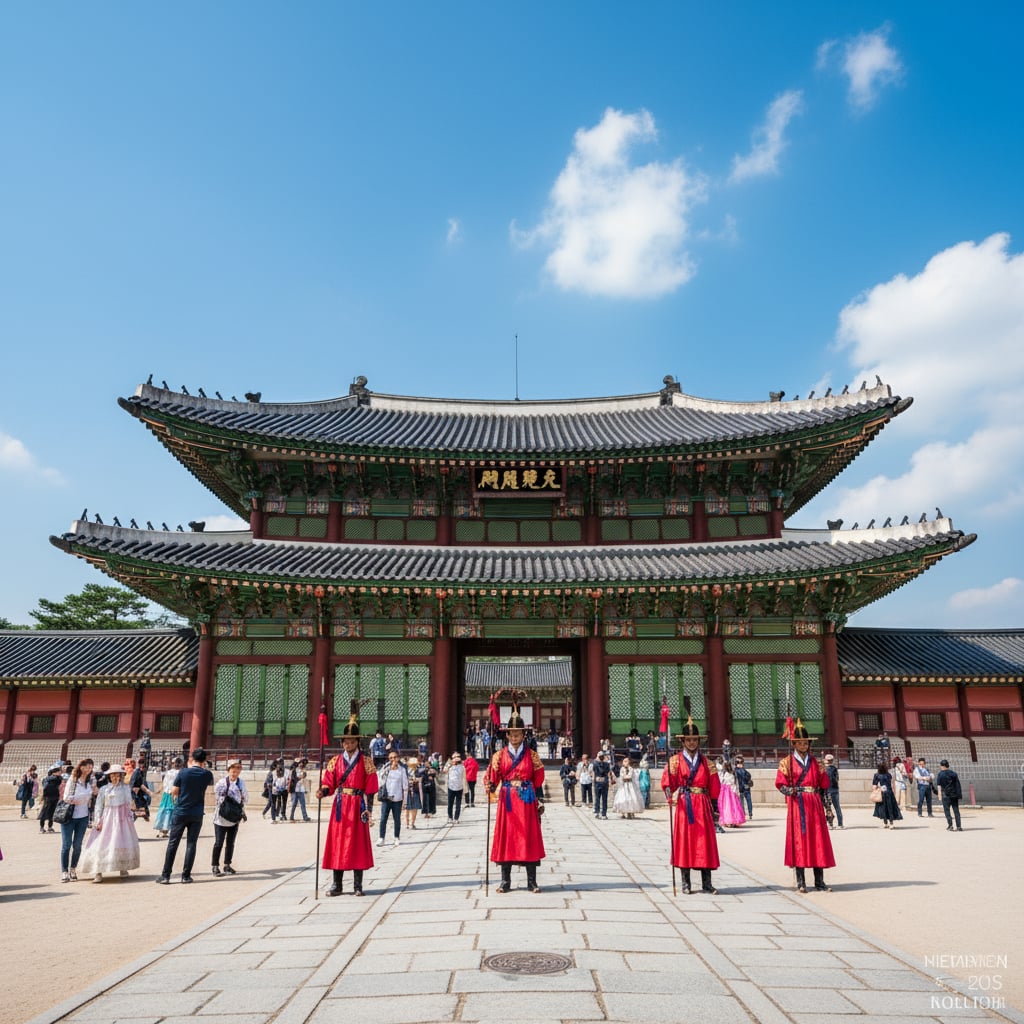
Seoul Overview
Seoul is a city of contradictions that somehow work perfectly. Ancient palaces sit beneath gleaming skyscrapers. Buddhist temples hide between K-pop entertainment company headquarters. 10 million people in the city proper, 25 million in the metro area - yet everything runs smoothly. The subway alone would blow your clients' minds if they've only experienced Singapore's MRT.
First-timers need minimum 3 nights, ideally 4-5. Seoul's neighborhoods are so distinct they deserve individual exploration.
Must-Visit Seoul Neighborhoods
Myeongdong - Shopping & K-Beauty Central
This is where your clients will spend money. Streets lined with K-beauty brands (Innisfree, Etude House, The Face Shop, Olive Young), Korean cosmetics are 30-50% cheaper than Singapore retail. The street food here is excellent too - try cheese dakgalbi hotdog and tteokbokki. Best visited late afternoon into evening when the energy peaks. Expect crowds on weekends.
Gangnam & COEX
Yes, THAT Gangnam. The wealthy district south of the Han River features upscale shopping, K-pop entertainment company buildings (SM, JYP, HYBE are all here), and COEX Mall with the famous Starfield Library. The "Gangnam Style" statue near Gangnam Station is obligatory for certain clients. More polished and modern than northern Seoul - this is where the money is.
Bukchon Hanok Village
600-year-old traditional neighborhood preserved between two palaces. Narrow alleyways lined with traditional hanok houses, many converted into guesthouses, tea rooms, and craft workshops. Best visited early morning before tour buses arrive. Hanbok (traditional dress) rental shops nearby offer Instagram-ready experiences - clients who rent hanbok get free palace admission. The photo opportunities here are exceptional.
Hongdae - Youth & Indie Culture
University district known for indie music, street performances, and youthful energy. Best nightlife area for younger clients. Clubs, live music venues, and quirky cafes everywhere. The weekend free market features local artists and designers. More alternative and edgy than polished Gangnam. K-indie fans specifically seek out clubs here.
Insadong - Traditional Arts & Crafts
The cultural heart of Seoul with traditional teahouses, antique shops, art galleries, and craft stores. Ssamziegil shopping complex offers unique local designer goods. This is where clients buy quality souvenirs - hanji paper goods, celadon pottery, calligraphy supplies. More relaxed pace than Myeongdong, better for older clients.
Seoul Agent Tips:
- Hotels in Myeongdong or Hongdae offer best value and location for first-timers
- Gyeongbokgung Palace changing of the guard ceremony (10am, 2pm) is spectacular - free
- N Seoul Tower offers best city views, especially at sunset - skip the love locks
- Book hanbok rental in advance during peak seasons - they sell out
- Lotte World (indoor theme park) is great for rainy days or families with kids
Busan - Korea's Coastal Jewel
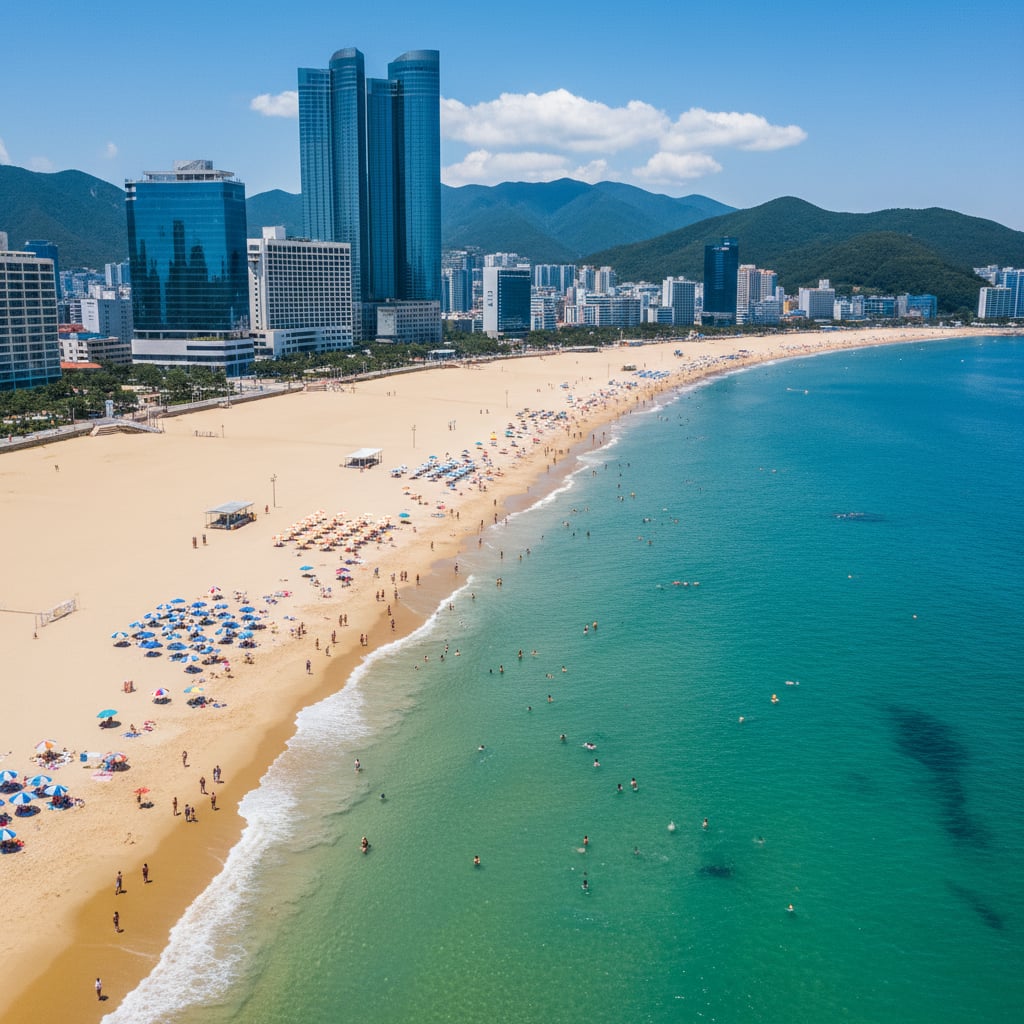
Busan Overview
Korea's second city has a completely different vibe from Seoul. Coastal, laid-back, seafood-obsessed. The dialect is rougher, the people are famously direct (even by Korean standards), and the beaches are legitimately beautiful. Busan International Film Festival (BIFF) in October brings celebrity sightings and sold-out hotels. The city starred in "Train to Busan" - yes, clients ask about that.
Budget 2-3 nights. KTX from Seoul takes just 2.5 hours, making day trips possible but not recommended - Busan deserves proper time.
Busan Highlights
Haeundae Beach
Korea's most famous beach stretches 1.5km along the coast. Summer weekends get absolutely packed - we're talking umbrella-to-umbrella crowds. But the beachside strip has excellent restaurants, cafes, and the new Haeundae Blueline Park skyway offering elevated coastal views. The aquarium (SEA LIFE Busan) entertains kids. Off-season visits offer the beach experience without the crush.
Gamcheon Culture Village
Hillside village with colorful houses, street art, and quirky sculptures. Often called "Korea's Santorini" or "Machu Picchu of Busan" - both are stretches, but it's genuinely photogenic. Narrow alleys wind between painted buildings with harbor views. Cafe culture here is strong. Best visited in the morning for photos before crowds and heat build. The walking involves serious stairs - warn clients accordingly.
Jagalchi Fish Market
Korea's largest fish market delivers sensory overload. Live seafood in tanks, ajummas (market ladies) grilling fish right there, raw fish restaurants on upper floors where you pick your catch and have it prepared. This is authentic, not touristy - though tourists are welcome. Best for adventurous eaters. Morning visits see the most action. Budget SGD 20-40 per person for a feast.
Haedong Yonggungsa Temple
Stunning seaside Buddhist temple built right on the cliffs above the ocean. Most Korean temples are in mountains - this oceanfront setting is unique. The 108-step descent to the temple is part of the experience. Early morning visits for sunrise are magical. Gets crowded by midday. About 40 minutes by bus from Haeundae - factor in travel time.
Busan Agent Tips:
- KTX Seoul-Busan is 2.5 hours - faster and more comfortable than flying
- Stay in Haeundae or Seomyeon areas for best restaurant/transport access
- Spa Land at Shinsegae Centum City is world-class jjimjilbang experience
- Busan International Film Festival (October) = packed hotels, book months ahead
- Gwangalli Beach offers night view of famous Diamond Bridge - romantic spot
Jeju Island - Korea's Natural Paradise
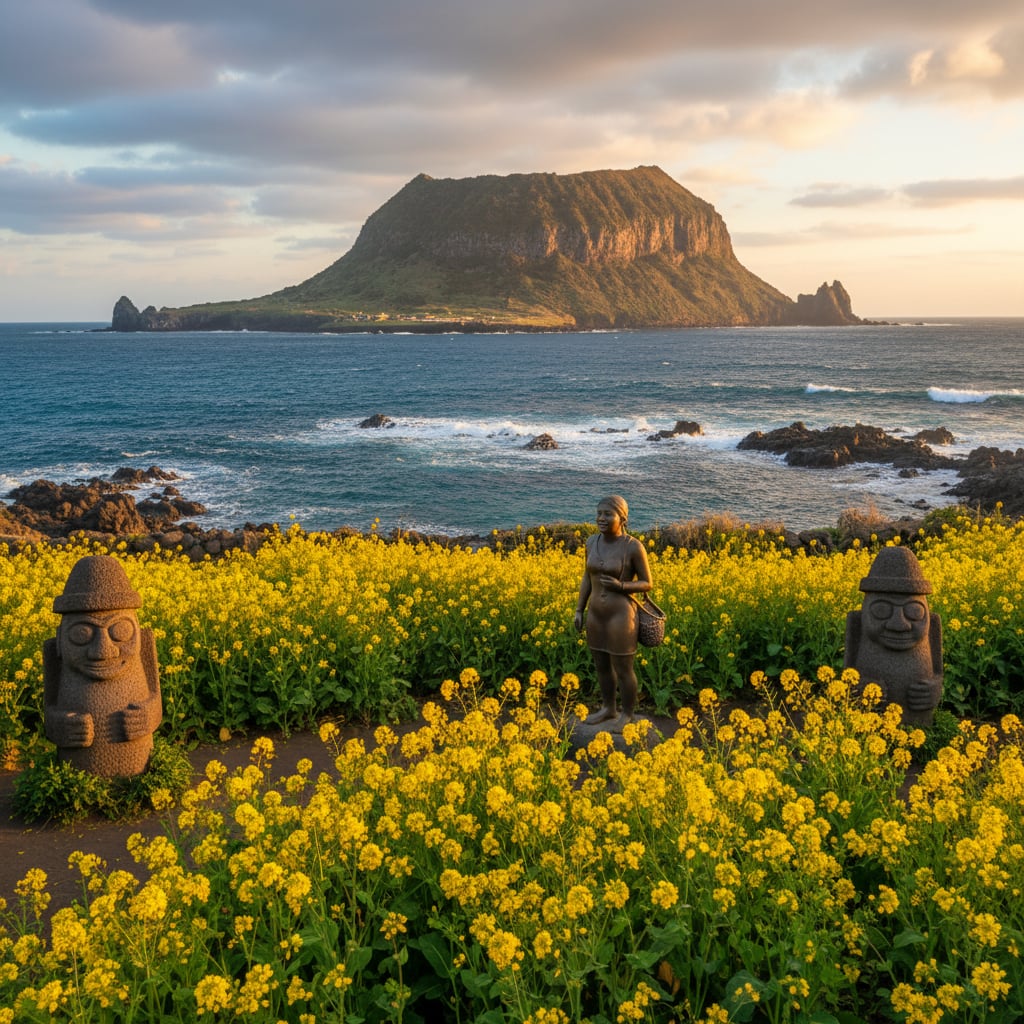
Jeju Overview
Volcanic island 80km off the southern coast, Jeju is Korea's Hawaii - honeymoon destination, natural wonder, and escape from mainland city life. UNESCO World Heritage sites, unique volcanic landscapes, tangerine orchards, and some quirky attractions (including multiple museums dedicated to... everything). The island has its own distinct culture, dialect, and pace.
Domestic flights from Seoul take 1 hour and run constantly - Jeju is the world's busiest air route. Budget 2-3 nights minimum; 4-5 days allows proper exploration.
Jeju Must-See Experiences
Seongsan Ilchulbong (Sunrise Peak)
UNESCO World Heritage volcanic crater rising from the ocean. The 25-minute hike to the rim rewards with views into the 90,000-year-old crater. True to its name, sunrise visits are spectacular - though you'll have company. Equally beautiful in afternoon light with fewer crowds. The haenyeo (women divers) demonstration area nearby shows traditional diving culture.
Hallasan Mountain
Korea's highest peak (1,950m) sits at Jeju's center. Multiple trails to the summit - serious hiking taking 4-5 hours each way. But shorter trails into the lower slopes offer manageable nature walks. The crater lake at the summit (Baengnokdam) is stunning when weather cooperates. Winter snow turns it magical. Check weather before recommending - clouds often obscure views.
Manjanggul Lava Tube
Walk inside a 7.4km lava tube - one of the world's longest. The 1km section open to tourists maintains 11-21C year-round (great summer escape or winter warmth). Stone formations, lava columns, and the 7.6m lava pillar at the end are genuinely impressive. Good activity for hot days or light rain. Takes about 1 hour to explore.
Jeju's Quirky Museums
The island has an... interesting collection of museums. Loveland (adults-only sculpture park - handle recommendations carefully), Teddy Bear Museum, Chocolate Museum, African Museum, Mysterious Road (optical illusion). Korean families visit these seriously. For clients with humor, they're entertaining. For serious travelers, stick to the nature.
Jeju Agent Tips:
- Renting a car is almost essential - public transport covers basics but limits exploration
- Korean honeymoon couples flood Jeju - book hotels well in advance
- Jeju tangerines (hallabong) are famous - clients will want to bring some back
- Black pork BBQ is Jeju's signature dish - must-eat experience
- Weather changes quickly - pack layers even in summer
- Udo Island day trip offers beautiful beaches and cycling - ferry from Seongsan
Beyond the Big Three: Gyeongju, DMZ & Jeonju
Most first-time visitors stick to Seoul-Busan-Jeju, but Korea rewards deeper exploration. These destinations suit clients with specific interests or those returning for a second visit.
Gyeongju - Open-Air Museum
The ancient capital of the Silla Kingdom (57 BC - 935 AD) preserves more than 1,000 years of history. Royal burial mounds dot the landscape, UNESCO-listed temples hide in the forests, and the entire city feels like a living museum. Bulguksa Temple and Seokguram Grotto are absolute highlights - stone Buddhist art that rivals anything in Asia. Day trip from Busan (30 minutes by KTX) or overnight for deeper exploration.
DMZ (Demilitarized Zone)
The heavily fortified border with North Korea offers one of the world's most surreal tourist experiences. JSA (Joint Security Area) tours allow entry into the blue UN buildings straddling the border - technically stepping into North Korea. The tunnels dug by North Korea for invasion, the Dora Observatory overlooking the North, and the propaganda village visible across the line all create unforgettable impressions. MUST book tours in advance - no independent visits allowed. Passport required.
Jeonju - Hanok Village & Bibimbap Origin
This smaller city (population 650,000) claims to be the birthplace of bibimbap - and takes that seriously. The Jeonju Hanok Village preserves 800 traditional houses, many converted to guesthouses offering authentic hanok stays. Less touristy than Seoul's Bukchon, more authentic experience. 1.5 hours from Seoul by KTX. Perfect day trip or overnight for clients interested in traditional culture and food.
K-Culture Experiences
Let's be real - a huge portion of your Korea bookings will be driven by K-pop, K-drama, K-beauty, or K-food obsessions. Here's how to deliver on those client expectations.
K-Pop Pilgrimage
HYBE Insight (BTS company) in Seoul offers immersive experiences for Army members. SM Town@COEX has artist exhibits and merchandise. JYP Entertainment building in Gangnam attracts fans hoping for idol sightings. Music show recordings (M Countdown, Inkigayo) offer tickets through fan lottery systems - book through specialized agencies. Walking tours cover famous MV filming locations. The entire Gangnam area is essentially K-pop central.
K-Drama Locations
Petite France ("My Love from the Star"), Nami Island ("Winter Sonata"), Jumunjin Beach ("Goblin"), Namsan Tower (countless dramas). New filming locations trend with each hit show. Tours specifically targeting drama locations exist - but self-guided works too with proper research. Clients often have specific shows they want to "visit" - ask before building itineraries.
K-Beauty Shopping
Myeongdong is ground zero for K-beauty but Olive Young stores (Korean Sephora) are everywhere. Flagship stores offer exclusive products not available abroad. Sheet mask prices run 50-70% less than Singapore retail. Skincare routine consultations available at brand stores - staff speak English in tourist areas. Remind clients of liquid limits for carry-on luggage.
K-Food Experiences
Beyond restaurant meals, cooking classes teach clients to make kimchi, bibimbap, or Korean BBQ properly. Temple food programs offer vegetarian Buddhist cuisine. Traditional tea ceremonies in hanok settings. Makgeolli (rice wine) brewery tours and tastings. Street food night tours in Gwangjang Market - the vendors here don't speak English but the food speaks for itself.
Practical Information
Transportation
KTX Bullet Train: Seoul to Busan in 2.5 hours. Efficient, comfortable, reliable. Book at Korail website or stations. KR Pass offers unlimited travel for tourists - calculate if it's worth it based on itinerary.
T-money Card: Essential. Works on all subways, buses, taxis, and convenience stores. Add credit at any convenience store or subway station. Saves small amount on each fare vs. single tickets.
Subway Systems: Seoul's metro is extensive, clean, and English-friendly. Color-coded lines, platform screen doors, free WiFi. Runs 5:30am to midnight.
Currency & Payment
Currency: Korean Won (KRW). Approximately KRW 1,000 = SGD 1.
Highly cashless: Korea is one of the most card-friendly countries in Asia. Even street food vendors often accept cards. Apple Pay and Samsung Pay work widely.
ATMs: 7-Eleven and GS25 convenience store ATMs accept foreign cards. Banks have limited hours but ATMs are 24/7.
Tip: No tipping culture in Korea. Service charges included.
Connectivity
WiFi: Excellent coverage. Free WiFi in subways, cafes, most public spaces. Korea is one of the most connected countries globally.
SIM/eSIM: Tourist SIMs available at airports from KT, SK, LGU+. eSIM increasingly popular. Data-only SIMs from KRW 30,000 for 5-7 days.
Pocket WiFi: Available for rental but SIM/eSIM often more convenient for solo travelers.
Etiquette Essentials
- Age matters: Younger people defer to elders, use two hands when receiving/giving
- Shoes off: Remove shoes in traditional spaces, some restaurants
- BBQ etiquette: Don't flip meat yourself - wait for tongs. Don't waste banchan (side dishes)
- Drinking culture: Pour for others, not yourself. Youngest pours for elders
- Public transport: Priority seating is taken seriously - don't sit in pink seats unless you qualify
Accommodation Types in Korea
Hanok Stay SGD 80-300+/night
Traditional Korean houses with ondol (heated floors), yo (floor mattress), and minimalist aesthetics. Jeonju and Seoul's Bukchon offer the best options. Some include traditional breakfast. The experience is authentically Korean but involves sleeping on the floor - not for everyone. Book quality properties through verified platforms to avoid disappointing conversions.
Boutique Hotels SGD 100-250/night
Korea's boutique hotel scene has exploded. Design-forward properties in Gangnam, Hongdae, and Myeongdong offer style without chain hotel sterility. L7 (Lotte's design brand), Glad Hotels, and Ryse Hotel deliver excellent experiences. Good for clients who want comfort with personality.
International Luxury Chains SGD 250-600+/night
Four Seasons, Park Hyatt, Signiel (Lotte's luxury brand in the Lotte World Tower), JW Marriott, Conrad - all have Seoul properties meeting global standards. Signiel Seoul occupies floors 76-101 of Korea's tallest building with views to match the price. For clients requiring Western luxury, these deliver.
Love Motels & Guesthouses SGD 40-80/night
Korea's "love motels" aren't what they sound like - many are perfectly respectable budget options with large rooms, Netflix, gaming consoles, and jacuzzi tubs. Modern ones (look for "motel" vs "hotel" naming) are legitimately good value. Guesthouses (shared facilities) suit budget backpackers. Both work for clients prioritizing budget over fancy lobbies.
Jjimjilbang (Korean Spa) SGD 10-20/night
24-hour Korean bathhouses with sleeping areas. Not luxury but genuinely Korean experience. Dragon Hill Spa in Seoul is tourist-friendly. Spa Land in Busan is world-class. Includes access to saunas, baths, lounges, and restaurants. Sleep in communal areas wearing provided pajamas. Budget travelers use these to save a night's accommodation. Cultural experience even if not sleeping over.
Korean Food Guide
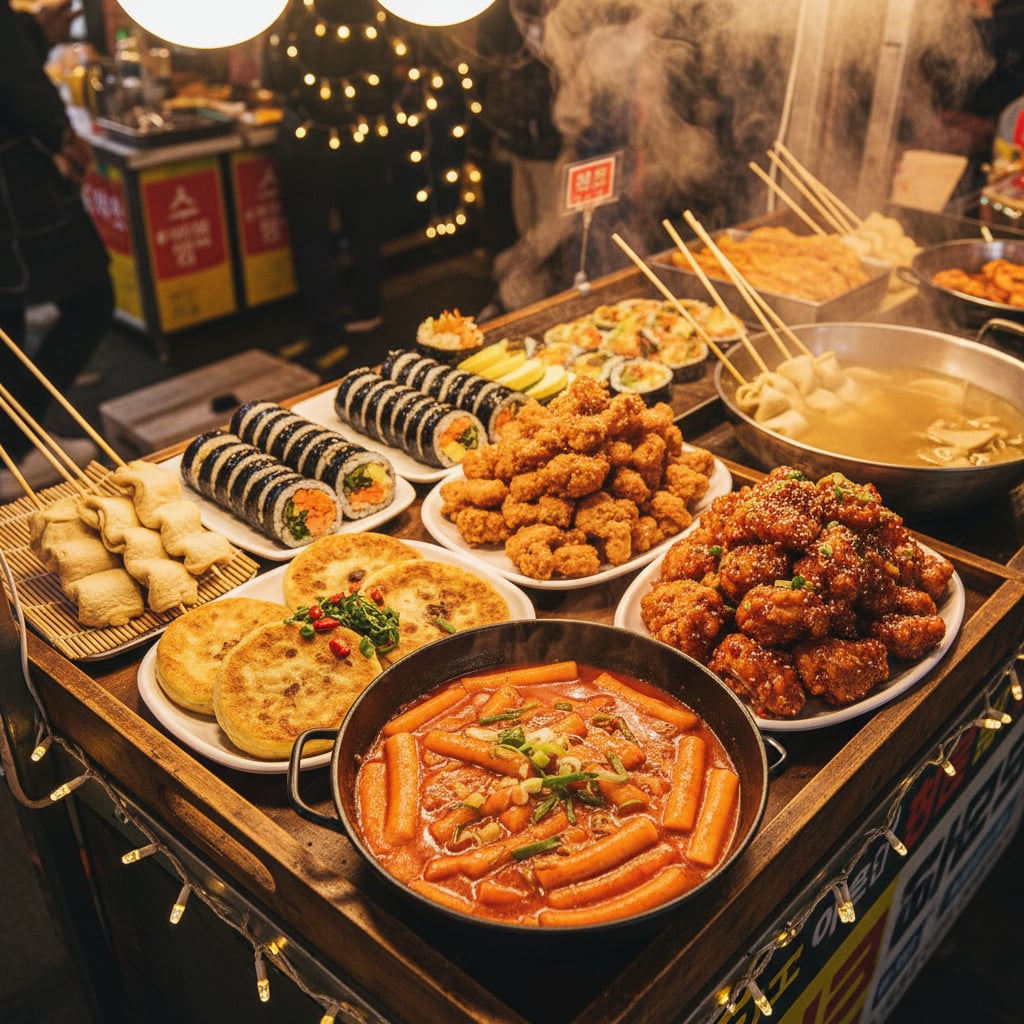
Korean food is having its global moment - and rightfully so. The depth of flavors, the communal eating culture, the endless banchan (side dishes), the theater of Korean BBQ. Your clients probably already know bibimbap and kimchi, but Korea offers so much more.
Must-Try Korean Foods
The quintessential Korean dining experience. Wagyu-level beef (hanwoo) for special occasions, samgyeopsal (pork belly) for everyday. The grill at your table, the ritual of wrapping meat in lettuce with ssamjang paste. Expect KRW 20,000-50,000 per person for quality BBQ. Chains like Maple Tree House offer consistent quality; local spots deliver better value.
"Chimaek" (chicken + maekju/beer) is practically a religion. Delivery culture means fried chicken everywhere, anytime. Brands like Kyochon, BBQ, BHC, Pelicana all have legions of followers with strong opinions. Double-fried, coated in yangnyeom (sweet-spicy) sauce or served plain. Best enjoyed with Korean beer (Cass, Hite) or soju. Late-night chimaek is essential Seoul experience.
Rice topped with vegetables, meat, egg, and gochujang (chili paste) - mixed at the table. Jeonju-style (served in metal bowl) vs. dolsot (stone pot that crisps the rice). Healthy, customizable, visually striking. Available everywhere from convenience stores to fine dining. Temple food versions omit meat and pungent ingredients.
Chewy rice cakes in fiery-red gochujang sauce. Korea's favorite street food, available from carts and chains (Mukshidonna) alike. Spice level ranges from mild to tear-inducing. Often combined with fish cakes, boiled eggs, ramyeon noodles. Budget SGD 5-8 for a filling portion. Vegetarian-friendly when fish cakes are omitted.
Korean stews served bubbling hot in stone pots. Kimchi jjigae (kimchi stew), sundubu jjigae (soft tofu), budae jjigae ("army base stew" with spam, hot dogs, cheese - don't knock it till you try it). Comes with rice and banchan. Perfect winter warmers but enjoyed year-round. Restaurants typically specialize in one type.
Gwangjang Market (Seoul) for mung bean pancakes and yukhoe (Korean beef tartare). Namdaemun and Myeongdong for tourist-friendly snacks. Busan's Gukje Market for raw fish. Street food culture is integral to Korean dining - some of the best food comes from plastic stool spots, not fancy restaurants. Budget SGD 2-5 per item.
Why Book Korea Through DMC Quote
Korea's efficiency makes DIY travel tempting - but agents add genuine value here. Language barriers remain significant outside tourist zones, K-pop/K-drama experiences require insider booking access, and the best hanok stays aren't on mainstream platforms.
Local DMC Partners
Direct relationships with Korea-based DMCs who understand both the destination and what Southeast Asian travelers actually want. They handle hotel confirmations, transport arrangements, and last-minute changes in Korean - crucial when things need adjusting. Real local support beats app-based customer service every time.
K-Pop Experience Access
Music show recordings, fan meets, entertainment company visits - these require connections most tourists can't access. Our partners have relationships with major entertainment companies and ticketing agencies. When BTS comeback or BLACKPINK concert happens, we can often source tickets that show "sold out" online.
Curated Hanok Selection
Online platforms mix traditional hanok with modern buildings that just have Korean names. We've vetted properties for authenticity, comfort level, and proper facilities. Know which ones have ondol heating that actually works in winter, which offer genuine breakfast experiences, which suit families vs. couples.
Multi-City Korea Packages
Seoul-Busan-Jeju is the classic triangle but itineraries can include Gyeongju, Jeonju, ski resorts, or DMZ tours. KTX timing, domestic flight connections, ferry schedules to Jeju - logistics are complex. We handle that complexity so you can focus on selling the destination.
Frequently Asked Questions
Spring (April-May) for cherry blossoms and autumn (September-November) for stunning foliage are peak seasons with ideal weather. Summer (June-August) is hot and humid with monsoon rains in July - not ideal but manageable with indoor activities. Winter (December-February) is cold but perfect for skiing in Gangwon Province and experiencing snowy temples. Seoul averages -5C in winter and 25C in summer.
Citizens of Singapore, Malaysia, Thailand, Philippines, and many countries enjoy visa-free entry for 30-90 days depending on nationality. However, ALL visitors must complete K-ETA (Korea Electronic Travel Authorization) online before arrival, costing KRW 10,000 (approximately SGD 10). K-ETA approval typically takes 1-3 days and is valid for 2 years with multiple entries. Apply at www.k-eta.go.kr.
The Airport Railroad Express (AREX) is the fastest option - 43 minutes direct to Seoul Station for KRW 9,500. The regular airport train takes 53 minutes for KRW 4,150 but stops at multiple stations (useful if your hotel is near a stop). Airport limousine buses serve major hotels for KRW 10,000-16,000 depending on destination. Taxis cost approximately KRW 65,000-80,000 and take 60-90 minutes depending on Seoul traffic.
Korea offers excellent value compared to Japan and similar to Thailand/Malaysia. Budget hotels start from SGD 50-70/night, mid-range from SGD 100-200. Street food meals cost SGD 5-10, restaurant meals SGD 10-25, Korean BBQ SGD 20-40 per person. KTX bullet trains are affordable at SGD 50-80 for Seoul-Busan. The strong Singapore dollar makes Korea very accessible for Southeast Asian travelers - expect about 70-80% of Singapore dining prices.
Korean is the official language. English proficiency is moderate in Seoul tourist areas - younger Koreans often speak some English, older generations rarely do. Subway systems have excellent English announcements and signage. Translation apps like Papago (Korean-made, better accuracy than Google Translate for Korean) are essential. Many restaurants have picture menus. Hotel staff in tourist areas typically speak English well.
KTX bullet trains connect major cities efficiently - Seoul to Busan takes just 2.5 hours, Seoul to Gwangju 2 hours. Within cities, the subway systems are excellent with English announcements and tourist-friendly navigation apps (Kakao Metro, Naver Maps). For Jeju Island, domestic flights from Gimpo Airport take 1 hour and run every 15-20 minutes. T-money transportation card works on all public transport nationwide and even at convenience stores - essential purchase on arrival.
South Korea is one of the world's most cashless societies - credit cards are accepted almost everywhere including convenience stores, street food vendors (many have card readers), and public transport. Visa and Mastercard work widely, American Express less so. Some traditional markets may be cash-only. T-money card is essential for transport and can be used at convenience stores. Apple Pay and Samsung Pay work in many locations.
Comfortable walking shoes are essential - Korean cities involve lots of walking and subway stairs. Pack layers as temperatures vary significantly between air-conditioned interiors and outside, even in summer. Portable WiFi or SIM card is crucial for navigation. Bring adapters for Type C/F plugs (220V, different from Singapore's Type G). In winter, pack heavy coats, thermal layers, and proper winter accessories as temperatures regularly drop below -10C.
Ready to Book Korea for Your Clients?
Access wholesale rates for Korea hotels, tours, K-pop experiences, and transfers. DMC Quote connects you directly with verified local partners.
Related Korea Resources
South Korea Hotels - B2B Rates
Access wholesale hotel inventory across Seoul, Busan, Jeju, and beyond.
Japan Travel Guide
Complete Japan guide for agents - perfect for Korea+Japan combination trips.
How to Access DMC Rates
Step-by-step guide to registering and accessing wholesale travel rates.
DMC vs OTA Comparison
Why booking through DMCs offers better value than online travel agencies.