North Vietnam
Best: Oct-Dec & Mar-Apr
Four distinct seasons. Cool winters, hot humid summers. Ha Long Bay and Sapa require careful timing for clear skies.
Shoulder Season ValueComplete regional guide covering North, Central, and South Vietnam weather patterns with strategic booking advice for travel agents planning Vietnam itineraries

February to April and August to October offer the most reliable weather across Vietnam's three distinct climate zones. But here's what complicates things - Vietnam stretches 1,650 kilometers north to south, so when the north freezes, the south basks in sunshine. There's genuinely no single "best time" for the whole country. The real answer depends entirely on which regions your clients want to explore. Hanoi and Ha Long Bay? Different timing than Ho Chi Minh City. Beach holidays in Da Nang? That's another calculation entirely.
Vietnam's elongated shape creates dramatically different weather patterns from north to south. This isn't just academic - it fundamentally changes how you should plan itineraries. Clients often want to see "all of Vietnam" without realizing that Ha Long Bay might be foggy and cold while Phu Quoc enjoys perfect beach weather. Or that Da Nang's beaches get hammered by monsoon rains while Hanoi stays relatively dry.
The country divides into three main climate zones: the North (Hanoi, Ha Long Bay, Sapa), Central Vietnam (Da Nang, Hoi An, Hue), and the South (Ho Chi Minh City, Mekong Delta, Phu Quoc). Each zone follows its own seasonal rhythm. Understanding these patterns lets you craft itineraries that work with Vietnam's weather rather than against it.
Best: Oct-Dec & Mar-Apr
Four distinct seasons. Cool winters, hot humid summers. Ha Long Bay and Sapa require careful timing for clear skies.
Shoulder Season Value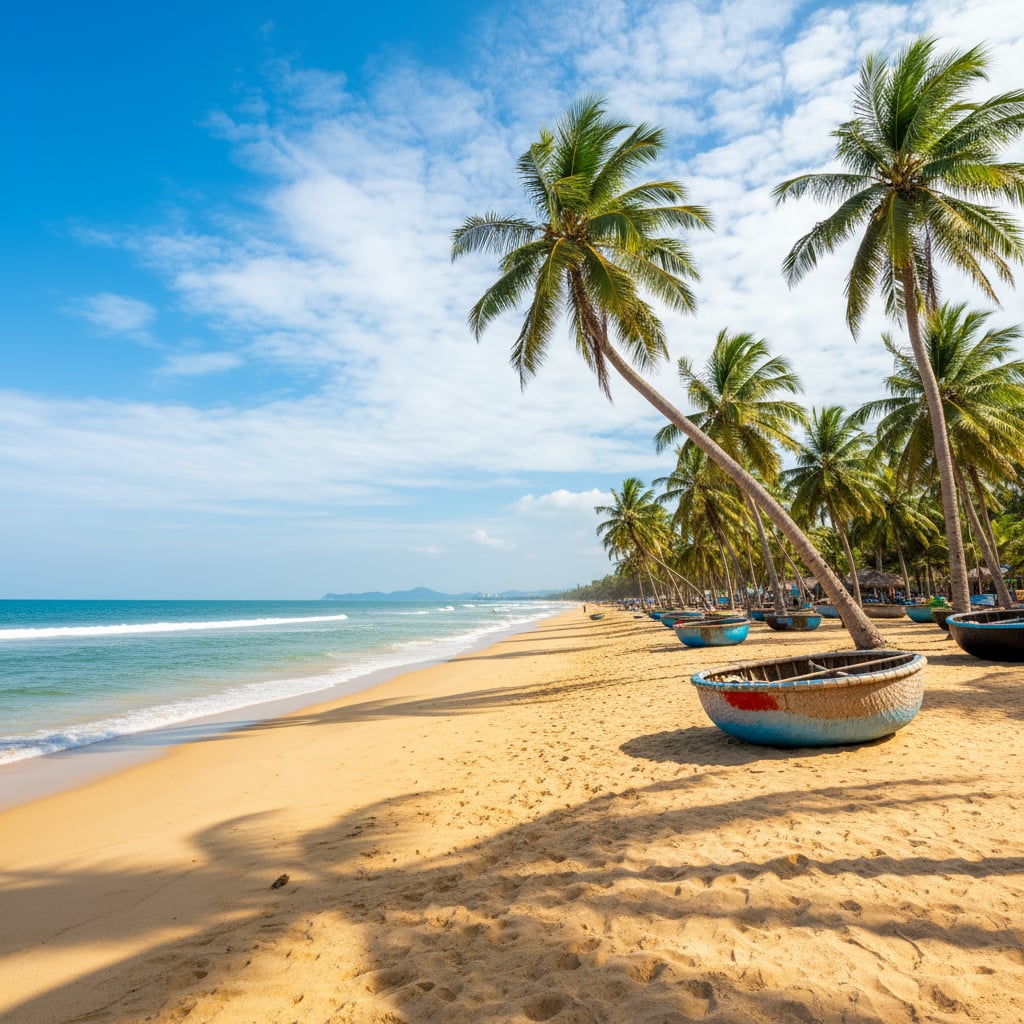
Best: Feb-May
Beach season peaks before monsoon. Da Nang, Hoi An, and Hue see heaviest rains September-December.
Peak Beach Season
Best: Dec-Apr
Classic tropical pattern - dry season December to April, wet May to November. Year-round warmth.
High Season Dec-Feb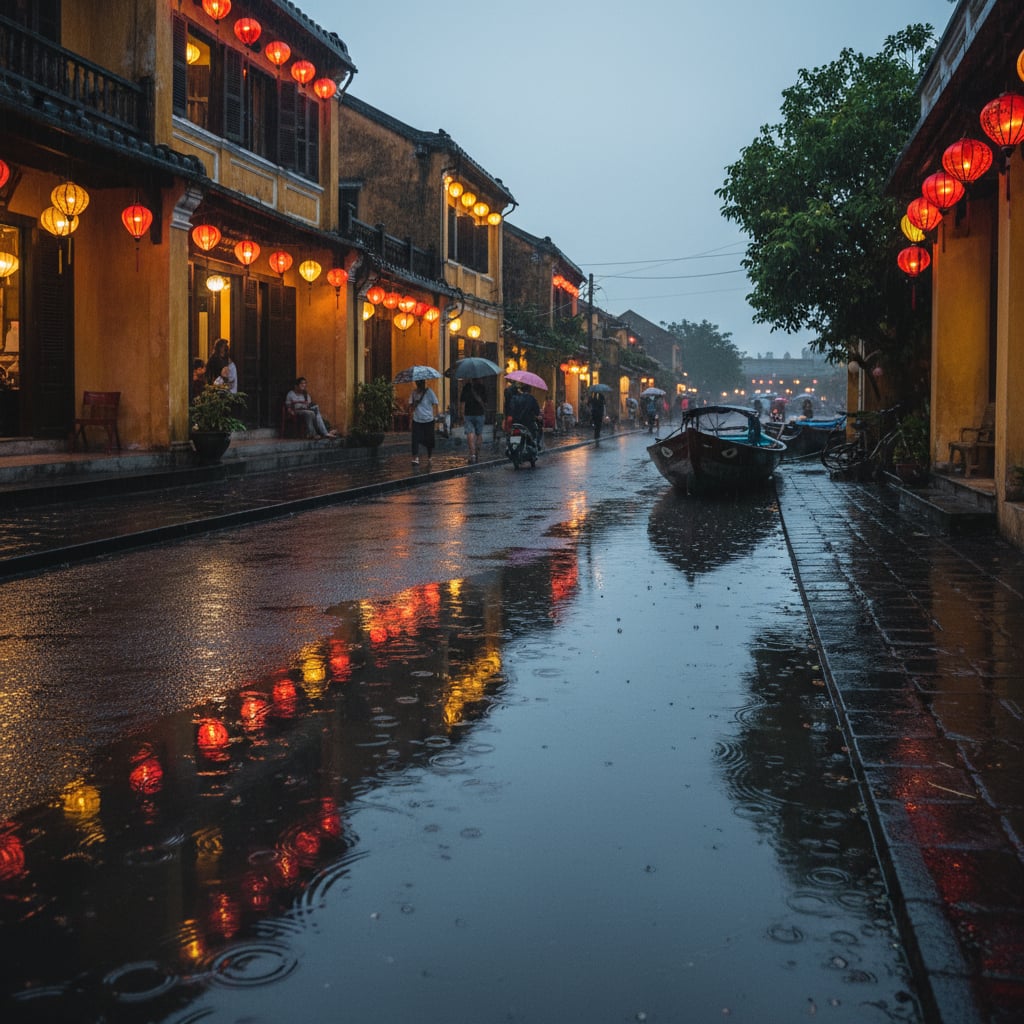
Varies by Region
Not all doom and gloom - afternoons clear, prices drop 30-40%, and you'll have major sites to yourself.
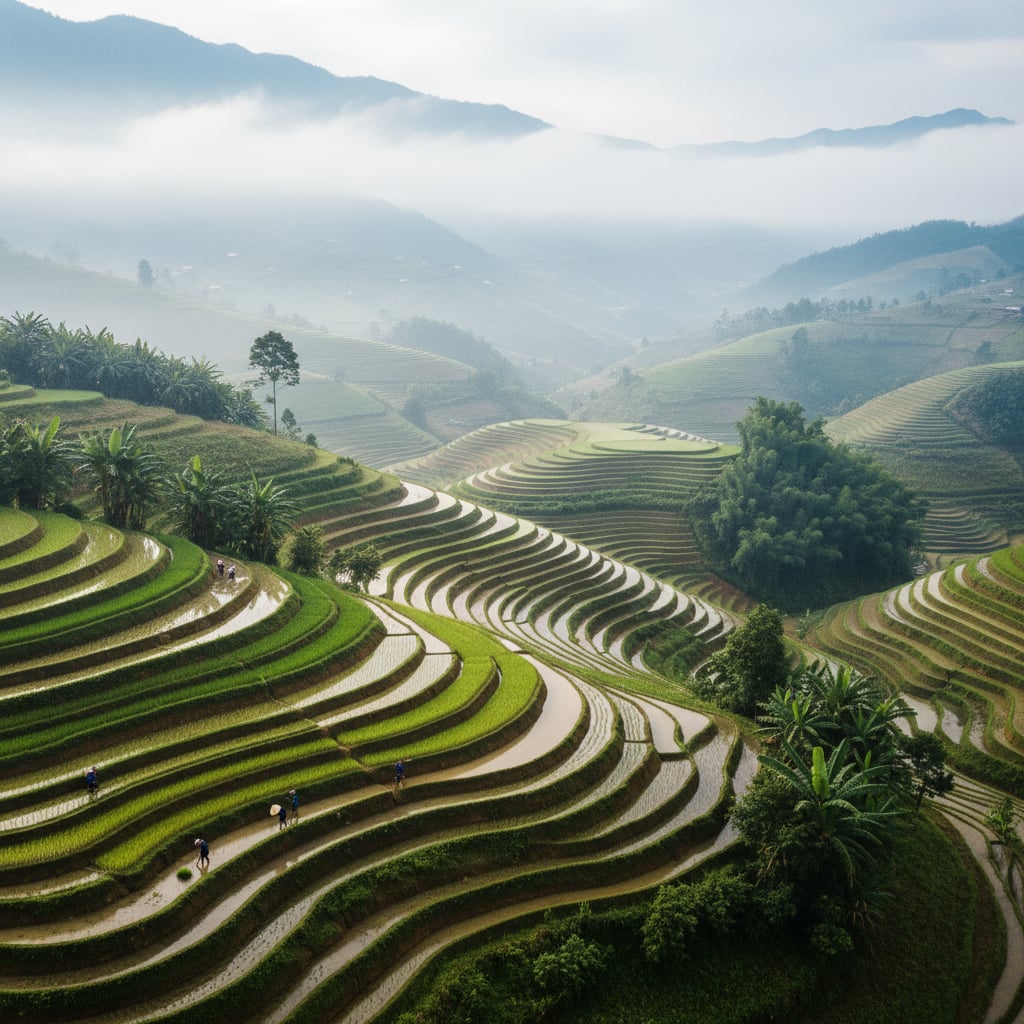
Best ValueNorthern Vietnam is the only region that feels genuinely seasonal. Hanoi experiences chilly winters (yes, it can drop to 10°C and feel colder with humidity), blazing hot summers with heavy monsoon rains, and glorious autumn and spring shoulder seasons. Ha Long Bay follows similar patterns but adds fog concerns - winter months often see the famous limestone karsts shrouded in mist. Atmospheric? Sure. But not ideal for photography.
Sapa's rice terraces follow their own rhythm tied to the agricultural calendar:
Central Vietnam operates on its own unique schedule that catches many first-time planners off guard. The dry season here runs February through August - almost exactly opposite to typical assumptions. September through January brings heavy monsoon rains, with October and November seeing potential typhoon threats. Da Nang beaches become genuinely unsuitable for swimming during the worst months.
Hoi An Ancient Town floods during severe monsoon periods - the UNESCO site's charm transforms into genuine hazard when water reaches chest height in low-lying streets. This isn't annual, but happens often enough that September-November bookings need contingency planning.
Every 14th day of the lunar month (roughly monthly), Hoi An's Ancient Town transforms. Electric lights dim, lanterns glow, traditional performances take over streets. It's genuinely magical. The schedule doesn't align with Western calendar months - check lunar dates when planning. During dry season (Feb-May), these evenings offer perfect photo opportunities. Rainy season full moons can still happen but require weather luck.
Southern Vietnam follows the classic tropical pattern - and it's refreshingly predictable compared to the complicated north and central regions. November through April delivers consistent dry season sunshine. May through October brings daily afternoon downpours that typically last 1-2 hours before clearing. The temperature? Basically the same year-round: hot and humid.
Ho Chi Minh City functions regardless of season - it's a major metropolis with covered markets, air-conditioned malls, and indoor attractions. The Mekong Delta actually benefits from wet season's higher water levels, making boat trips easier. Phu Quoc beaches, however, genuinely shine during dry season and can become challenging when monsoon storms roll through.
The Mekong Delta operates year-round, but seasonal differences matter:
| Activity | Best Months | Notes |
|---|---|---|
| Ha Long Bay Cruises | October - November, March - April | Clear skies, calm waters, comfortable temps. Avoid winter fog. |
| Sapa Trekking | September - October (golden terraces) | Harvest season. March-May for green rice. Winter for clear views but cold. |
| Da Nang/Hoi An Beaches | February - May | Dry season only. September-November genuinely unsuitable. |
| Phu Quoc Beach Holiday | November - April | Dry season essential. May-Oct rough seas, reduced visibility for diving. |
| Mekong Delta Tours | December - April (dry), August - Oct (lush) | Works year-round. Wet season offers greener landscapes and fewer tourists. |
| Ho Chi Minh City | Year-round | Urban exploration works regardless of weather. Dec-Feb most comfortable. |
| Hanoi Street Food | October - December | Autumn brings harvest foods, comfortable outdoor eating weather. |
| Hue Imperial City | February - April | Before heat peaks. September-November flooding risk. |
| Mui Ne Kitesurfing | November - April | Consistent winds during dry season. Southeast Asia's kitesurfing capital. |
| Phong Nha Caves | February - August | Avoid September-January flooding. Adventure caving requires dry conditions. |
Vietnam's festival calendar centers around Tet (Lunar New Year) - the most important holiday that effectively shuts down the country for a week. Understanding festival timing helps you either plan around closures or build experiences around cultural celebrations.
Vietnam's pricing seasons vary by region, creating opportunities for smart itinerary planning:
Vietnam's capital shines in autumn when temperatures cool, skies clear, and street food season peaks. Spring offers similar conditions minus autumn crowds. Summer is hot and wet but the Old Quarter functions year-round. Winter (Dec-Feb) is cold and grey - not terrible, just not ideal.
Weather-dependent destination that rewards good timing. October-November offers the clearest skies and calmest seas. March-April is the second window. Winter brings fog that obscures the famous karst scenery. Summer sees afternoon storms but mornings often clear.
Depends on priorities. September-October for golden harvest terraces - brief but stunning. March-May for comfortable trekking weather with green rice. Winter offers clearest mountain views but genuine cold. Summer is warm but very wet.
Central Vietnam's dry season is essential for beach holidays. February-May offers reliable sunshine. June-August hot but dry. September-November brings monsoon flooding risk in Hoi An and dangerous beach conditions. December improving but still unpredictable.
Vietnam's largest city functions regardless of weather - most attractions are indoor or covered. Dry season (Dec-Apr) is more comfortable. Wet season (May-Oct) brings daily afternoon storms that rarely disrupt full-day plans. Tet (Jan/Feb) sees many businesses close.
Vietnam's premier beach destination demands dry season timing. November-April delivers clear waters, calm seas, and reliable diving conditions. May-October sees rough seas, reduced visibility, and monsoon storms - but 40-50% discounts for those willing to gamble on weather.
| Season | Recommended Lead Time | Critical Bookings |
|---|---|---|
| Tet Holiday (Jan/Feb) | 4-6 months ahead | All transportation, accommodation nationwide |
| Christmas/New Year | 3-4 months ahead | Beach resorts (Phu Quoc, Nha Trang), Ha Long cruises |
| Oct-Nov (North Peak) | 2-3 months ahead | Ha Long Bay luxury cruises, Sapa homestays |
| Feb-Apr (Central Peak) | 2-3 months ahead | Hoi An boutique hotels, beach resorts |
| Shoulder Seasons | 4-6 weeks ahead | Quality accommodation still books up |
| Low Season | 2-4 weeks ahead | Flexibility available but book popular tours early |
If forced to choose one month, November offers the best balance. The north enjoys clear autumn weather, Ha Long Bay conditions are ideal, and the south's dry season has just begun. Central Vietnam is transitioning out of monsoon but improving rapidly. October is a close second, though central Vietnam remains wet. The caveat: there's genuinely no perfect month for the entire country - Vietnam's regional climate differences make compromises inevitable.
Vietnam has three different monsoon patterns. The north sees heaviest rain May-September. Central Vietnam gets hammered September-December (with typhoon risk October-November). The south follows classic tropical patterns with wet season May-October. These overlapping patterns mean somewhere in Vietnam is always experiencing monsoon conditions. Smart itinerary planning routes around the wettest regions at any given time.
Generally yes, with caveats. Rainy season typically means afternoon thunderstorms lasting 1-2 hours, not all-day rain. Mornings often stay clear. Central Vietnam during September-November is the exception - flooding risk in Hoi An and genuinely dangerous beach conditions warrant caution. Southern Vietnam's wet season is quite manageable. The north gets hot and sticky but remains functional. Pack a good rain jacket and plan outdoor activities for mornings.
Depends on client expectations. Tet (Lunar New Year, late January to mid-February) sees businesses close, prices spike, and transportation fill up as millions travel home. For cultural immersion - temple visits, flower markets, family celebrations - it's magical. For efficient sightseeing and restaurant dining, it's frustrating. Either embrace Tet fully with advance planning and adjusted expectations, or route clients to other Southeast Asian destinations during this 7-10 day period.
October-November and March-April offer the best odds of clear weather. Ha Long Bay's famous limestone karsts and emerald waters need sunshine to look their best. Winter (December-February) often brings fog and grey skies that obscure the scenery. Summer sees afternoon storms but mornings are usually clear. Overnight cruises give multiple chances to catch good weather windows. Budget cruises operate year-round; quality cruises book out 2-3 months ahead during peak seasons.
May through September offers the best value, with prices dropping 20-40% below peak season. Southern Vietnam's wet season (May-October) sees significant resort discounts. The north's summer monsoon reduces Ha Long Bay prices. Central Vietnam's shoulder months (June-August) before monsoon are affordable and still dry. Avoid Tet (late January-February) and Christmas/New Year when prices spike regardless of weather conditions.
Sapa's terraced landscape changes dramatically through the year. September-October brings golden harvest colors - stunning photography but brief windows before fields are cleared. March-May shows bright green young rice against flooded paddies that reflect the sky. June-August is lush but very wet with leech-infested trails. Winter (November-February) offers clearest views but brown terraces and genuine cold - pack warm layers for night temperatures that can approach freezing.
Yes, primarily affecting central Vietnam between October and November. Typhoons rarely hit with the intensity seen in the Philippines, but they bring heavy rain, flooding, and dangerous beach conditions. Da Nang and Hoi An see the most impact. Modern weather forecasting provides several days' warning. Travel insurance covering weather disruptions is advisable for September-November travel. The north and south rarely experience direct typhoon hits though they may see peripheral rain bands.
Access B2B rates on Vietnam hotels, tours, and transfers through DMC Quote's platform.
Register as Travel AgentQuestions? Contact us at +65 8948 0242