Table of Contents
Quick Stats
- 95% of DMCs offer prepaid terms
- Net 15-30 for established agents
- 2-3% card processing fees typical
- SGD is standard for Asia DMCs

Let's be honest: payment terms in B2B travel can feel like learning a new language. Between prepaid requirements, credit applications, deposit percentages, and refund timelines, there's a lot to navigate. And getting it wrong can cost you money, supplier relationships, or both.
I've seen agents lose thousands in late fees simply because they didn't understand their supplier's payment windows. I've also seen savvy agents negotiate Net 30 terms that completely transformed their cash flow. The difference? Understanding how B2B travel payments actually work.
This guide breaks down everything you need to know about payment terms in the wholesale travel industry. Whether you're booking your first hotel through a DMC or looking to upgrade from prepaid to credit terms, we'll cover the practical details that actually matter.
What You'll Learn
- The three main B2B payment models and when each applies
- Standard industry terms (Net 7, Net 15, Net 30) and what they mean for your cash flow
- How to qualify for credit terms and lines of credit
- Payment methods accepted by DMCs and their associated costs
- Cancellation and refund policies that affect your payment timing
- Best practices for managing supplier payments without cash flow stress
Payment Models in B2B Travel
Before we get into specific terms and numbers, you need to understand the three fundamental payment models in wholesale travel. Every DMC, hotel wholesaler, and travel supplier operates on one (or a combination) of these:
1. Prepaid / Advance Payment
This is the most common model for new agents and online bookings. You pay 100% of the booking cost upfront, either at the time of booking or within 24-48 hours. The supplier holds your payment, confirms the booking, and you receive a voucher.
Advantages:
- Instant booking confirmation (no waiting for credit approval)
- Often the lowest rates since suppliers have zero payment risk
- No credit checks or financial documentation required
- Clear and simple - you know exactly what you're paying upfront
Disadvantages:
- Ties up your capital before you've collected from your client
- Cash flow pressure, especially for high-value bookings
- You carry the cancellation risk if your client backs out
2. Deposit + Balance Payment
With this model, you pay a percentage upfront (typically 30-50%) to confirm the booking, then settle the balance before the service date. This is common for group bookings, FIT packages, and tour operations.
Typical structure:
- 30-50% deposit at booking confirmation
- 50-70% balance due 14-30 days before travel
- Some suppliers require full payment 7 days before check-in
This model gives you breathing room to collect from your client before the full payment is due. It's particularly useful for bookings made months in advance.
3. Credit Terms (Post-Payment)
The holy grail for travel agents. With credit terms, you book now and pay later - typically 7 to 30 days after the service date. This means your client has already traveled (and ideally paid you) before you need to settle with the supplier.
Common credit terms:
- Net 7: Payment due 7 days after service/invoice
- Net 15: Payment due 15 days after service/invoice
- Net 30: Payment due 30 days after service/invoice
Why Credit Terms Matter: With Net 30 terms, you can book a hotel for April 15th travel, receive payment from your client by April 20th, and not pay the DMC until May 15th. That's effectively using the supplier's money to fund your operations. Smart agents build their entire business model around credit terms.
Standard Payment Terms in the Industry
Now that you understand the models, let's look at the specific terms you'll encounter. These vary by supplier type, your agent category, and booking volume.
Hotel Bookings
Hotels typically have the most structured payment terms:
| Booking Type | Typical Payment Terms | Notes |
|---|---|---|
| Standard Prepaid | 100% at booking | Default for new agents |
| Non-Refundable Rates | 100% at booking | Best prices, no flexibility |
| Flexible Rates | 100% by cutoff date | Usually 48-72 hours before check-in |
| Group Bookings (10+ rooms) | 30% deposit + 70% by 14 days | Negotiable based on volume |
| Credit Account | Net 7 to Net 30 | Requires credit application |
Tours & Activities
Tour operators generally have stricter payment terms because they need to pay guides, secure transport, and manage capacity:
- Private tours: Usually 100% prepaid at booking
- Seat-in-coach tours: 100% prepaid, often non-refundable
- Custom itineraries: 50% deposit, 50% by 7 days before travel
Transfers
Airport transfers and ground transport follow simple payment models:
- Private transfers: 100% prepaid
- Shared transfers: 100% prepaid
- Credit accounts may apply for high-volume agents
Deposit Percentages by Booking Value
For deposit-based terms, the percentage often scales with booking value:
| Booking Value | Typical Deposit | Balance Due |
|---|---|---|
| Under SGD 5,000 | 50% | 14 days before travel |
| SGD 5,000 - 20,000 | 30-40% | 21 days before travel |
| SGD 20,000+ | 25-30% | 30 days before travel |
| Group series (multiple departures) | 20% | Per departure, 30 days prior |
Payment Methods Accepted by DMCs
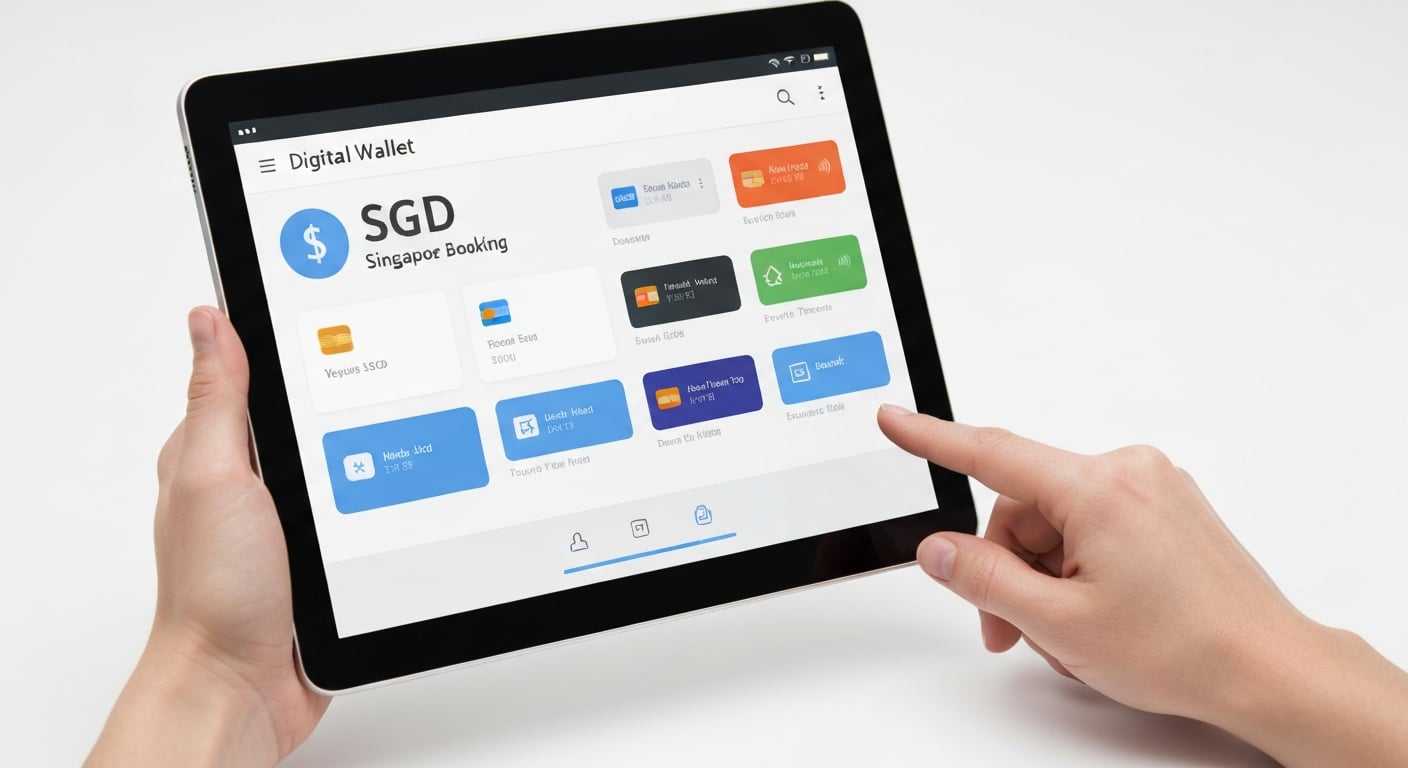
How you pay matters almost as much as when you pay. Different payment methods have different costs, processing times, and implications for your cash flow.
Bank Wire Transfer (TT/SWIFT)
The traditional method for B2B payments:
- Processing time: 1-3 business days
- Fees: SGD 15-35 per transfer (varies by bank)
- Best for: Large payments, credit settlements, international suppliers
- Considerations: Requires accurate beneficiary details; errors can delay bookings
Credit/Debit Cards
Convenient but comes with costs:
- Processing time: Instant authorization
- Fees: 2-3% surcharge typically passed to agent
- Best for: Urgent bookings, smaller amounts, building credit card rewards
- Considerations: Card limits may restrict large bookings; some DMCs don't accept cards
Card Processing Fees Add Up
On a SGD 10,000 booking, a 2.5% card fee is SGD 250. If your margin is 15%, that fee just ate 16% of your profit. For high-volume agents, bank transfers are almost always more cost-effective.
Digital Wallets / Platform Balance
Modern DMC platforms like DMC Quote offer wallet systems:
- Processing time: Instant (deducted from balance)
- Fees: Usually none for wallet payments; fees apply when topping up
- Best for: Frequent bookings, instant confirmations, cash flow management
- Considerations: Requires maintaining adequate balance; funds tied up until used
Line of Credit (LOC)
Pre-approved credit facility with a set limit:
- Processing time: Instant booking, payment due per agreed terms
- Fees: May include annual facility fee; interest on overdue amounts
- Best for: High-volume agents with predictable cash flow
- Considerations: Requires credit application, financial documentation, and track record
Payment Method Comparison
| Method | Speed | Cost | Cash Flow Impact |
|---|---|---|---|
| Bank Transfer | 1-3 days | Low (fixed fee) | Neutral |
| Credit Card | Instant | High (2-3%) | Positive (30-day float) |
| Digital Wallet | Instant | Low/None | Negative (pre-funded) |
| Line of Credit | Instant | Low/Variable | Very Positive |
Credit Terms and How to Qualify

Credit terms are a game-changer for travel agents. They let you book now, collect from clients, and pay later. But not everyone qualifies. Here's how the credit qualification process typically works:
Eligibility Criteria
Most DMCs require the following before extending credit:
- Operating History: 6-12 months of bookings with the platform (prepaid)
- Minimum Volume: SGD 10,000-20,000 monthly booking value
- Clean Payment Record: No late payments, disputes, or chargebacks
- Business Documentation: Updated registration, financials, bank statements
- Trade References: 2-3 references from other travel suppliers
The Credit Application Process
Here's what to expect:
Submit Application
Complete the credit application form with company details, requested credit limit, and preferred payment terms.
Provide Documentation
Submit business registration, 12 months of bank statements, audited accounts (if available), and trade references.
Credit Review
The DMC's credit team reviews your booking history, payment patterns, and financial health. Takes 5-14 business days.
Approval & Terms
If approved, you'll receive your credit limit and payment terms. May include security deposit requirement.
Typical Credit Limits by Agent Category
| Agent Category | Starting Credit Limit | Payment Terms | Security Deposit |
|---|---|---|---|
| New Credit Account | SGD 5,000 - 10,000 | Net 7 | Often required (20-30%) |
| Established (1-2 years) | SGD 15,000 - 30,000 | Net 15 | May be waived |
| High Volume (2+ years) | SGD 50,000 - 100,000 | Net 30 | Usually none |
| Strategic Partner | SGD 100,000+ | Net 30-45 | None |
Pro Tip: Start building your credit history early. Even if you don't need credit now, maintaining a consistent booking pattern with on-time payments for 6-12 months puts you in a strong position to negotiate favorable terms when you do need them.
Cancellation and Refund Payment Policies
Cancellation policies directly affect your payment timing and risk. Understanding these policies helps you advise clients accurately and protect your own cash flow.
Hotel Cancellation Payment Policies
Hotels typically follow a tiered structure:
| Cancellation Window | Charge | Refund Timeline |
|---|---|---|
| 14+ days before check-in | Free cancellation | 5-7 business days |
| 7-13 days before check-in | 1 night charge | Partial refund, 7-10 days |
| 3-6 days before check-in | 50% of total | Partial refund, 10-14 days |
| Within 48 hours / No-show | 100% charge | No refund |
Tour and Activity Cancellations
Tours often have stricter policies:
- Seat-in-coach tours: Usually non-refundable or heavy penalties
- Private tours: 50-100% charge within 48-72 hours
- Attraction tickets: Often non-refundable once issued
Refund Processing
How and when you get your money back depends on the payment method:
- Wallet balance: Usually credited within 24-48 hours
- Credit card: 7-14 business days (can take up to 30 days)
- Bank transfer: 7-14 business days
- Credit account: Applied as credit memo to offset future invoices
Why Wallet Refunds Are Faster
DMC Quote processes cancellation refunds to your wallet balance within 24-48 hours for most bookings. This is significantly faster than card refunds because there's no bank processing involved. The funds are immediately available for your next booking.
Amendment vs Cancellation
Sometimes changing a booking is better than canceling:
- Date changes: Often possible with no/low fees if rate is still available
- Name changes: Usually free for hotels, may incur fees for flights
- Room upgrades: Pay the difference, no cancellation penalty
Currency Considerations for B2B Travel
Currency matters more than most agents realize. Exchange rate fluctuations can eat into margins, and payment in the wrong currency can trigger unnecessary conversion fees.
SGD: The Standard for Southeast Asia
Singapore Dollar (SGD) is the dominant currency for B2B travel in Southeast Asia. There's a reason for this:
- Stable currency with low volatility
- Singapore is the regional hub for travel finance
- Major DMCs and wholesalers are headquartered in Singapore
- Easy to convert from/to most Asian currencies
DMC Quote Currency: Our platform operates exclusively in Singapore Dollars (SGD). All pricing, invoicing, and payments are in SGD. This simplifies accounting and eliminates exchange rate surprises between booking and payment.
Managing Exchange Rate Risk
If you're paying in a different currency than you collect from clients, here are strategies to manage the risk:
- Quote in the same currency you pay: If your supplier charges SGD, quote your client in SGD (converted to their currency at booking)
- Build exchange buffer into margins: Add 2-3% to cover potential rate movements
- Use forex services for large transfers: Banks often charge 2-4% hidden in the exchange rate; forex specialists like Wise or OFX offer better rates
- Lock rates for large bookings: Some forex services allow you to lock exchange rates for future transfers
Multi-Currency Account Options
If you work with suppliers in multiple currencies, consider:
- Wise Business: Hold and send multiple currencies at low cost
- Payoneer: Receive payments in local currency accounts globally
- Multi-currency bank accounts: Major banks like DBS, HSBC offer these for businesses
How DMC Quote Handles Payments
Let me walk you through exactly how payments work on our platform. We've designed the system to be straightforward and agent-friendly.
Wallet System
Every DMC Quote account has a digital wallet:
- Currency: SGD (agents in India and the Philippines have native INR and PHP wallets)
- Top-up methods: Razorpay (credit/debit cards, UPI, netbanking; 4% processing fee) or bank transfer
- Minimum top-up: SGD 100
- Booking deduction: Instant deduction from wallet balance at confirmation
- Refunds: Credited back to wallet within 24-48 hours (most cases)
Razorpay Integration
We use Razorpay for online payments. Here's what you need to know:
- Accepted cards: Visa, Mastercard, American Express
- UPI: Available for India-based agents
- Netbanking: Major banks supported
- Processing fees: 4% for card, UPI and netbanking payments (added to the top-up amount)
- Security: PCI DSS compliant, 3D Secure authentication
Bank Transfer Details
For bank transfers, we provide SGD account details upon registration:
- Beneficiary name and bank details shared in your dashboard
- Reference your agent ID in the transfer for automatic crediting
- Processing time: 1-2 business days for local transfers; 2-3 days for international
Invoice and Statement
For your records and client billing:
- Automatic invoice generated for every booking
- Monthly statements available for download
- All invoices in SGD with GST breakdown where applicable
- Booking vouchers include net rates (for your records) and sell rates (for clients)
Best Practices for Managing Cash Flow
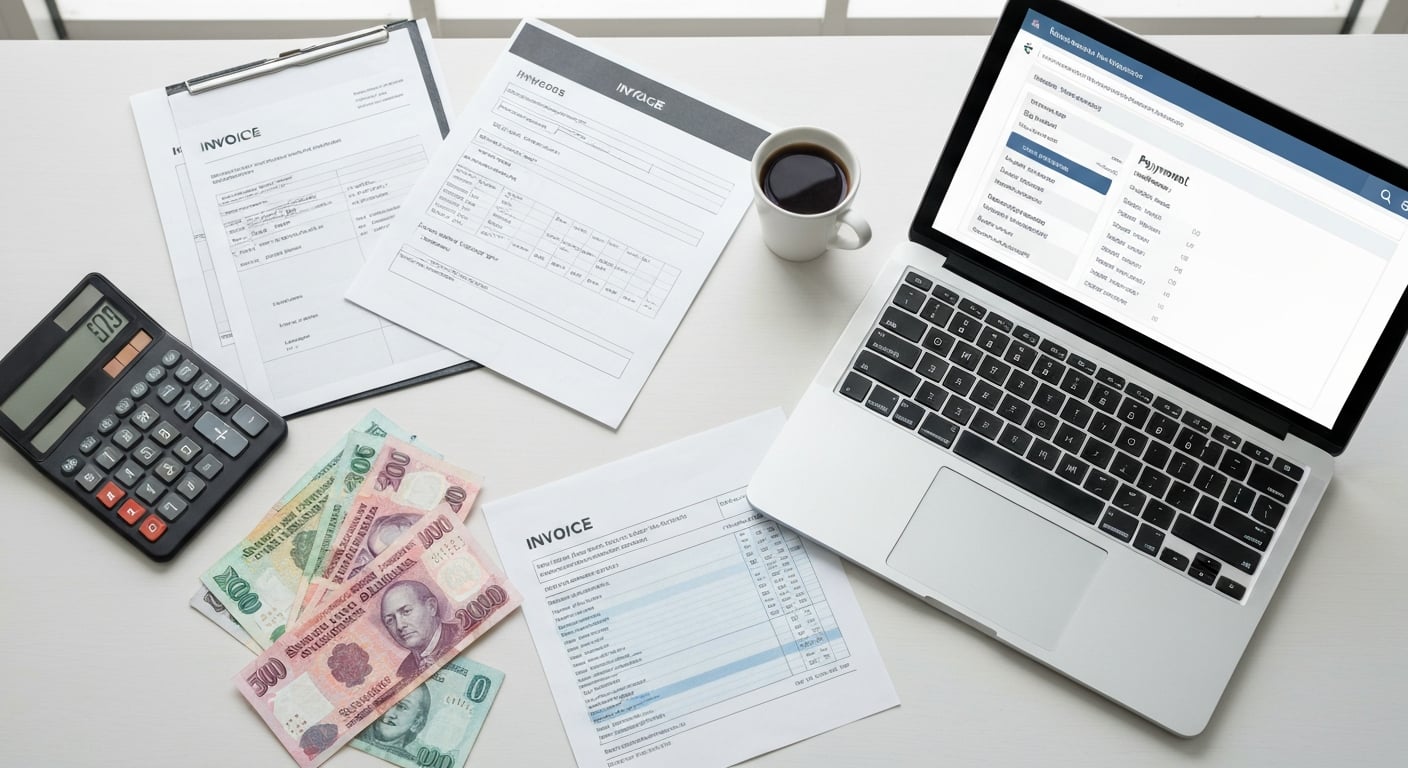
Good payment management is as much about timing as it is about amounts. Here are practical strategies for keeping your cash flow healthy:
1. Collect Before You Pay (When Possible)
The golden rule of travel agency finance:
- Require 50-100% deposit from clients at booking
- Set client payment deadlines 3-7 days before your supplier payment is due
- For prepaid bookings, collect full payment before confirming
2. Maintain a Booking Buffer
Keep enough working capital to cover unexpected situations:
- Aim for 2-3 weeks of average booking value as buffer
- This covers: client payment delays, cancellation float, emergency bookings
- Top up your wallet before peak seasons when you'll book more
3. Batch Your Payments
Instead of paying per booking, consolidate where possible:
- Weekly wallet top-ups instead of per-booking payments
- Reduces transaction fees (especially for card payments)
- Easier to track and reconcile
4. Use Payment Terms Strategically
Match your payment timing to your collection cycle:
- If clients pay on credit cards, you get funds in 1-2 days - use prepaid terms
- If corporate clients pay Net 30, negotiate Net 30 with suppliers
- For group bookings, align deposit collection with supplier deposit deadlines
5. Track Everything
Visibility prevents surprises:
- Maintain a payment calendar with all due dates
- Reconcile wallet/account balances weekly
- Monitor outstanding client invoices and follow up promptly
Real Talk: The agents who struggle with cash flow are usually the ones who book first and figure out payment later. The successful ones have a clear process: quote the client, collect payment (or deposit), confirm the booking, then worry about delivery. It sounds obvious, but you'd be surprised how many agents do it backwards.
Frequently Asked Questions
Standard B2B travel payment terms include prepaid (100% before service), deposit plus balance (30-50% upfront, remainder before travel), and credit terms (Net 7 to Net 30 post-service). Most DMCs offer prepaid terms to new agents, with credit options becoming available after building a track record of reliable payments.
To qualify for credit terms, agents typically need: 6-12 months of consistent booking history, a minimum monthly booking volume (often SGD 10,000+), a completed credit application with business financials, trade references from other suppliers, and a clean payment record with no disputes. Some DMCs also require a security deposit or personal guarantee.
DMCs commonly accept bank wire transfers (SWIFT/TT), credit cards (with 2-3% surcharge), digital wallets, online payment gateways like Razorpay, and for established agents, lines of credit. DMC Quote operates on SGD currency and accepts wallet top-ups via Razorpay (credit/debit cards, UPI, netbanking) plus direct bank transfers.
Cancellation policies vary by supplier and booking type. Hotels typically follow a tiered structure: free cancellation until 7-14 days before check-in, 50% charge within 7 days, and 100% for no-shows. Tours often have stricter policies. Refunds are usually processed to your wallet balance within 7-14 business days, though credit card refunds may take 30-45 days.
DMC Quote operates exclusively in Singapore Dollars (SGD). All bookings, invoices, and payments are processed in SGD. If you're paying via bank transfer from another country, your bank will handle the currency conversion. We recommend comparing exchange rates between your bank and forex services to minimize conversion costs.
Prepaid rates require full payment at booking and typically offer 10-20% lower prices but have stricter cancellation policies. Pay-at-hotel rates are collected directly by the property but cost more. In B2B travel, most DMC rates are prepaid since agents need to invoice clients before travel. DMC Quote offers prepaid net rates to maximize your margin potential.
A wallet system lets you pre-load funds into your account and book instantly without individual payment transactions. Benefits include: faster bookings (no card authorization delays), consolidated payments (top up weekly/monthly instead of per-booking), better cash flow tracking, and often lower transaction fees. DMC Quote's wallet can be topped up via Razorpay or bank transfer.
Late payment penalties typically include: interest charges of 1.5-2% per month on overdue amounts, suspension of credit facilities, downgrading of rate category, and in severe cases, legal collection proceedings. Most DMCs send payment reminders at 7 days, 14 days, and 21 days overdue before taking action. Maintaining clean payment records protects your business relationship.
Start Booking with Transparent Payment Terms
Join 10,000+ travel agents using DMC Quote for B2B bookings. Simple wallet system, clear pricing, fast refunds. No hidden fees, no surprises.
Related Guides
How to Get DMC Rates
Learn how to access wholesale pricing and navigate DMC registration requirements.
How to Calculate Travel Margins
Master markup vs margin calculations and pricing strategies for profitable bookings.
How to Book Hotels Wholesale
Complete guide to B2B hotel booking from rate shopping to voucher issuance.
FIT vs GIT Packages Explained
Understand the differences between independent and group travel packages.
