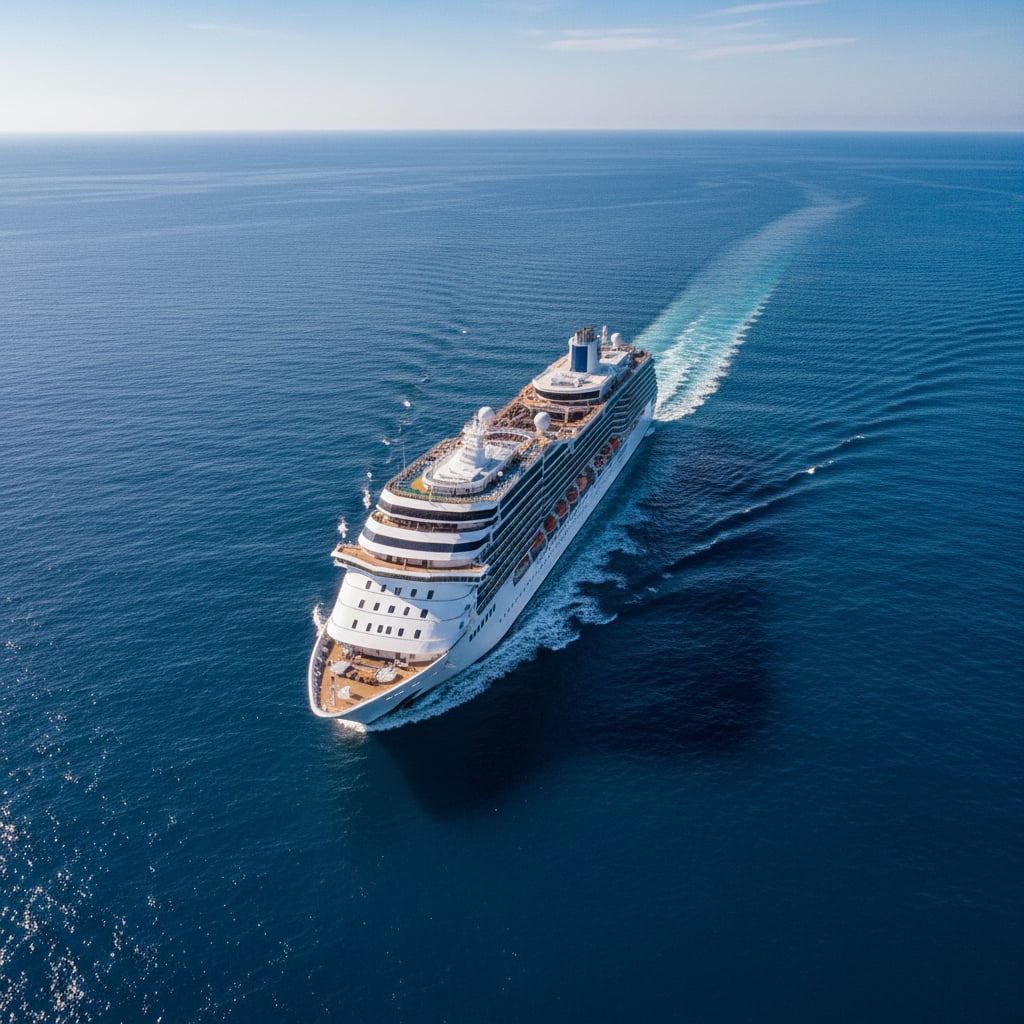
The Asia cruise market has experienced remarkable growth over the past decade, and 2025 presents unprecedented opportunities for travel agents looking to tap into this lucrative segment. With an estimated market value exceeding $8 billion and projected annual growth rates of 7-9%, understanding the dynamics of Asia cruise operations is essential for B2B travel professionals.
The Asia Cruise Landscape: Market Overview
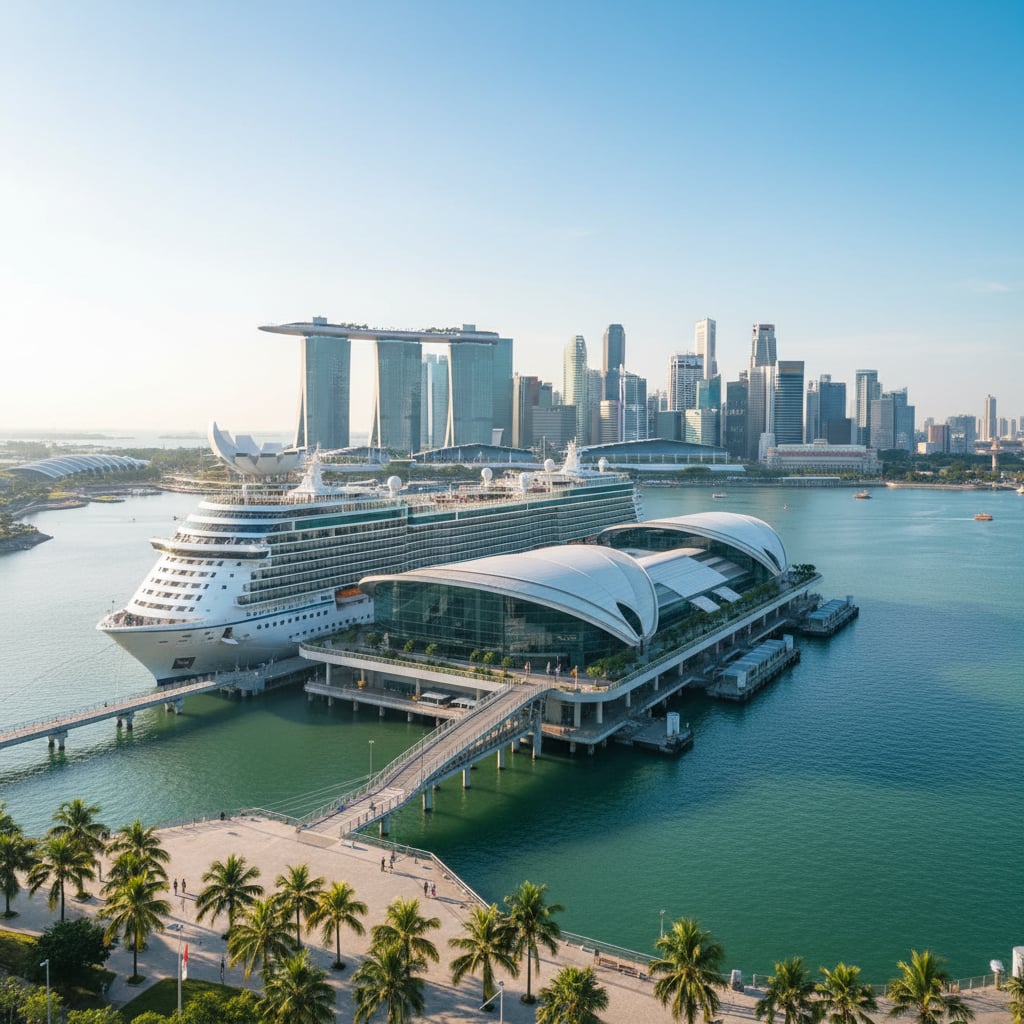
Asia has evolved from a secondary cruise destination to a primary market hub, driven by rising affluence in China, Japan, South Korea, and Southeast Asian nations. The region now accounts for approximately 15% of global cruise capacity, with homeport operations expanding beyond traditional Singapore and Hong Kong to include Shanghai, Yokohama, Mumbai, and Bangkok.
For travel agents, this expansion means diversified inventory, competitive pricing structures, and improved commission opportunities. Major cruise lines have repositioned vessels specifically for the Asian market, with modifications including multilingual staff, regional cuisine options, and culturally relevant entertainment programming.
Major Cruise Lines Operating in Asia
Royal Caribbean International maintains the strongest presence with year-round deployments of Spectrum of the Seas and Quantum of the Seas, purpose-built for Asian passengers. Their Singapore and Hong Kong homeport operations offer agents reliable inventory with 3-14 night itineraries. Commission structures typically range from 10-16% depending on booking volume and agency tier status.
Dream Cruises (Genting Hong Kong) operates Explorer Dream and World Dream, specifically designed for the Asian market with Asian-fusion dining, Mandarin-speaking crew, and family-friendly amenities. Their competitive pricing makes them attractive for first-time cruisers, with agent commissions averaging 12-15%.
Princess Cruises deploys Diamond Princess and Sapphire Princess seasonally, offering premium experiences with stronger appeal to Japanese and Australian markets. Their longer itineraries (10-21 nights) command higher ticket prices and commission potential, particularly for Japan circumnavigation routes.
Celebrity Cruises positions Celebrity Solstice and Celebrity Millennium in Asia during northern hemisphere winter, targeting upscale travelers. Their modern luxury positioning allows agents to command premium pricing with commission rates of 12-18% plus booking bonuses.
Norwegian Cruise Line offers freestyle cruising with Norwegian Spirit and Norwegian Jewel, appealing to Western travelers exploring Asia and Asian travelers seeking Western-style cruise experiences. Their freestyle dining and flexible scheduling resonate with independent travelers.
Top Asia Cruise Routes for 2025
Southeast Asia Circuit (7-14 nights): Singapore-Bangkok-Vietnam-Hong Kong routes remain the most popular, offering agents easy-to-sell itineraries with strong shore excursion revenue potential. Port calls typically include Phuket, Ho Chi Minh City (Saigon), Nha Trang, and Da Nang. Pricing ranges from $800-$2,500 per person depending on cabin category and cruise line.
Japan Explorer (7-12 nights): Tokyo (Yokohama) roundtrips visiting Osaka, Kobe, Hiroshima, and Fukuoka have seen 35% growth in bookings. Cherry blossom season (March-April) commands premium pricing with early booking requirements. Agents should secure inventory 10-12 months ahead for spring sailings.
China Coastal (5-8 nights): Shanghai-based itineraries visiting Jeju (South Korea), Fukuoka, and Nagasaki cater primarily to Chinese passengers but offer opportunities for international agents through partnership networks. This segment requires understanding of Chinese travel regulations and documentation requirements.
Trans-Asia Repositioning (14-21 nights): Dubai-Singapore, Singapore-Sydney, or Hong Kong-Tokyo routes offer excellent value propositions for adventurous travelers. These sailings provide the highest commission potential due to elevated ticket prices ($2,000-$6,000 per person) and typically include multiple port days.
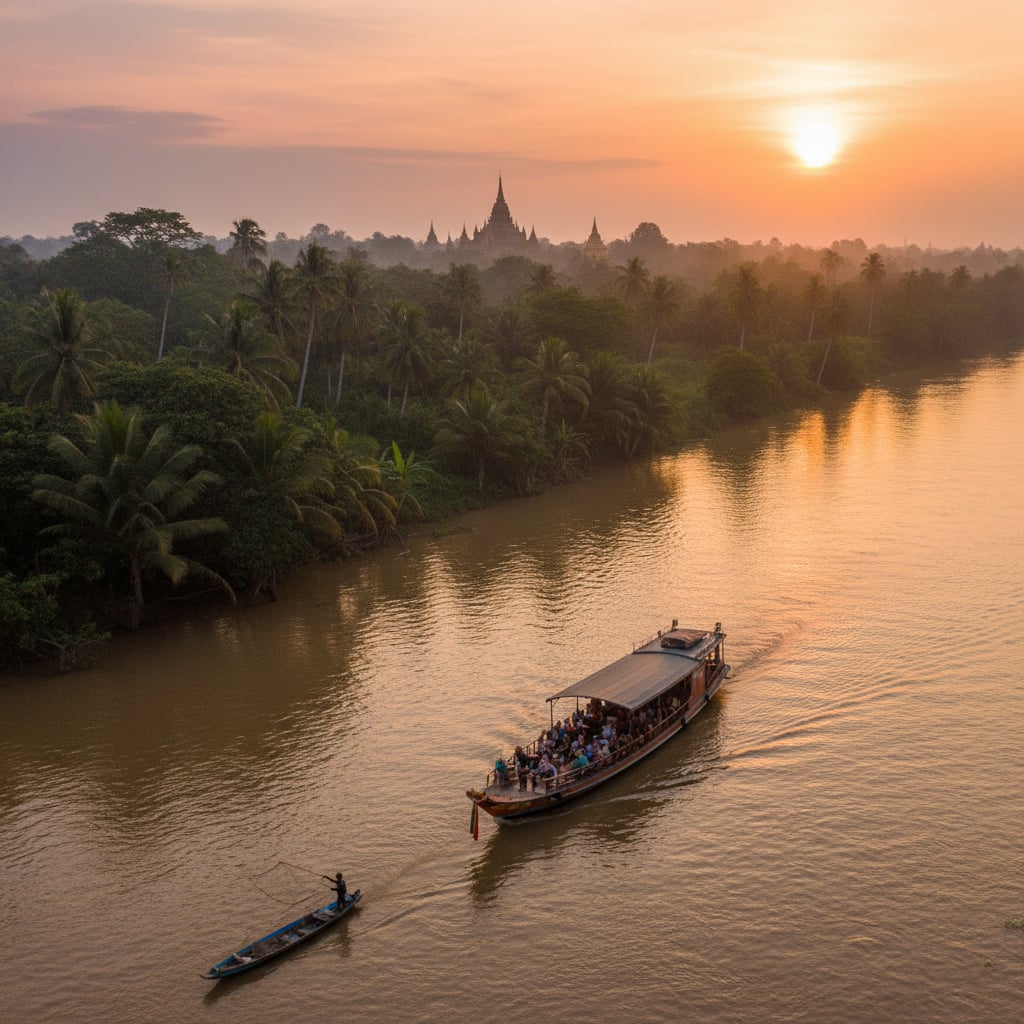
Indonesia and Philippines (7-10 nights): Emerging routes focusing on Bali, Komodo Island, Palawan, and Boracay appeal to adventure-seeking demographics. Limited capacity on these routes creates premium pricing opportunities, with boutique expedition ships charging $3,000-$8,000 per person.
Seasonal Considerations and Booking Windows
Asia cruise seasonality differs significantly from Caribbean or Mediterranean patterns. The optimal booking strategy varies by route:
Peak Season (October-April): Southeast Asia and India cruises operate during dry season, with highest demand December-February. Agents should encourage bookings 6-9 months in advance to secure preferred cabin categories. Early booking discounts of 15-30% are common when booking 12+ months ahead.
Shoulder Season (April-May, September-October): These periods offer the best value propositions for price-sensitive clients. Weather remains generally favorable while pricing drops 20-35%. Ideal for agents marketing to retirees and flexible travelers.
Monsoon/Typhoon Season (June-September): Reduced capacity and itinerary modifications are common. However, aggressive pricing (discounts up to 50%) creates opportunities for budget-conscious segments. Agents must clearly communicate weather considerations and potential itinerary changes.
Japan Cherry Blossom (Late March-Early April): The most competitive booking window, requiring 11-14 months advance reservations. Premium pricing applies (40-60% above base rates) but strong demand ensures high conversion rates.
Cabin Categories and Pricing Strategies
Understanding cabin inventory management is crucial for maximizing bookings and commissions:
Interior Cabins ($600-$1,200 per person): Entry-level category showing declining popularity in Asian market as disposable income increases. Best suited for budget-conscious first-time cruisers and young travelers. Limited availability on premium lines.
Oceanview Cabins ($800-$1,600 per person): Mid-range option with steady demand. Picture windows without balconies appeal to travelers who spend minimal time in cabins. Often the best value proposition for short 3-5 night cruises.
Balcony Cabins ($1,200-$3,500 per person): The fastest-growing segment in Asia, now representing 45% of bookings compared to 30% five years ago. Scenic routes through Japanese islands or Indonesian archipelagos make balconies highly desirable. Agents should emphasize value-add during shoulder seasons when balcony upgrades cost only $200-400 more than oceanview.
Suite Categories ($2,500-$12,000 per person): Premium segment with specialized concierge services, priority embarkation, specialty restaurant access, and expanded living spaces. Strong appeal to honeymoon couples and luxury travelers. Commission rates on suites typically 2-4 percentage points higher than standard cabins.
Commission Structures and Revenue Maximization
Asia cruise commissions operate on tiered structures based on volume and cruise line relationships:
Base Commissions (10-16%): Standard rate for registered agencies with cruise line accreditation. Higher percentages apply to luxury brands and suite bookings. Commissionable base includes cruise fare but excludes taxes, port fees, and gratuities.
Volume Bonuses (2-5%): Achieved by reaching quarterly or annual booking thresholds measured in revenue or cabin count. Most accessible for agencies specializing in cruise sales or joining consortium networks.
Early Booking Incentives (1-3%): Additional commission for bookings made 12+ months in advance. Particularly lucrative for Japan cherry blossom season and holiday period sailings.
Group Bookings (16th cabin free + enhanced commission): Minimum 8 cabins qualifies for group rates with progressive benefits: 16 passengers = 1 free cabin, 32 passengers = 2 free cabins plus group coordinator rate. The free cabin can be sold or used as agent FAM opportunity.
Shore Excursion Commissions (8-12%): Often overlooked revenue stream. Pre-selling shore excursions during booking process adds $150-$600 per passenger in commissionable revenue. Many cruise lines now offer agent access to shore excursion inventory at time of booking.
Emerging Opportunities for 2025
Expedition Cruising: Small ship operations (100-400 passengers) focusing on remote Indonesian islands, Myanmar coast, and Philippines diving sites are experiencing 25% annual growth. Higher ticket prices ($400-$800 per person per day) and commission rates (15-20%) make this segment particularly lucrative despite lower volume.
Theme Cruises: Culinary-focused cruises featuring celebrity chefs, wellness cruises with spa emphasis, and cultural immersion programs are gaining traction. These specialized sailings command 20-35% premium pricing with strong conversion rates among affluent travelers.
Multi-Generational Travel: Extended families booking connecting cabins or mini-suites represent growing demographic. Agents specializing in group coordination and customized shore excursion planning can add significant value and justify professional fees beyond commission.
Pre/Post Cruise Packages: Bundling 2-3 night hotel stays in homeport cities (Singapore, Hong Kong, Tokyo) increases total booking value by 30-50%. Agents earn additional commission on land components while providing comprehensive service. DMC Quote offers specialized pre and post-cruise hotel packages optimized for agent margins.
Marketing Strategies for Travel Agents
Successful cruise sales require targeted marketing approaches:
Educational Content: First-time cruisers in Asia often lack understanding of cruise vacation concepts. Hosting informational webinars, creating comparison guides, and maintaining FAQ resources position agents as trusted advisors.
Virtual Ship Tours: Leverage cruise line virtual reality tools and 360-degree cabin videos to help clients visualize experiences. This significantly reduces booking hesitation, particularly for premium cabin categories.
Social Proof: Client testimonials and trip reports from previous Asia cruise bookings build credibility. Video testimonials showing actual cabin spaces and port experiences are particularly effective.
Niche Targeting: Rather than general cruise promotion, focus on specific demographics: solo travelers (guaranteed share programs), multigenerational families (connecting cabin configurations), or special interest groups (photography cruises, culinary experiences).
Operational Considerations
Asia cruise bookings involve specific operational requirements:
Visa Requirements: Many Asian ports require advance visa arrangements. Agents must stay current on requirements for Vietnam, China, India, and Myanmar. Some cruise lines offer simplified group visa processing, adding value to booking through knowledgeable agents.
Travel Insurance: Essential for Asia cruises due to medical evacuation costs and trip interruption risks during typhoon season. Insurance commissions (10-15%) provide additional revenue while protecting clients and reducing agent liability.
Payment Schedules: Typical structure requires deposit (10-25%) at booking, second payment 90-120 days prior, and final payment 60-75 days before sailing. Payment plan flexibility can improve conversion rates for higher-priced bookings.
Documentation Deadlines: Passenger information must be submitted 90 days prior to sailing for most cruise lines. Establishing systematic reminder processes prevents last-minute complications and maintains professional reputation.
Technology Tools for Cruise Agents
Modern cruise distribution requires technological proficiency:
GDS Integration: Major cruise lines participate in Sabre, Amadeus, and Travelport systems, enabling real-time availability checking and booking. However, direct cruise line booking engines often provide better commission visibility and promotional awareness.
CRM Systems: Tracking client preferences, cabin category histories, and destination interests enables personalized marketing for future sailings. Anniversary of previous cruises provides natural touchpoint for repeat booking outreach.
Cruise Line Apps: Royal Caribbean, Princess, and Celebrity offer agent-specific mobile applications with instant inventory access, commission calculators, and promotional alert notifications.
Conclusion: Positioning for Success
The Asia cruise market in 2025 offers exceptional opportunities for knowledgeable travel agents who invest in understanding route options, seasonal dynamics, and commission optimization strategies. Success requires moving beyond transactional booking to consultative selling, positioning yourself as the cruise expert who matches clients with ideal experiences.
Focus on building relationships with 2-3 primary cruise lines to achieve volume bonuses while maintaining familiarity with broader market offerings. Combine cruise bookings with complementary services like airport transfers, pre-cruise hotel stays, and shore excursion planning to maximize revenue per client while delivering comprehensive value.
The agents who thrive in this market are those who recognize that cruise sales is not about offering the lowest price, but about delivering expertise, personalized service, and peace of mind that justifies professional assistance in an increasingly complex travel landscape.
Ready to expand your cruise booking capabilities? Contact DMC Quote to discuss partnership opportunities and access our specialized Asia destination expertise.