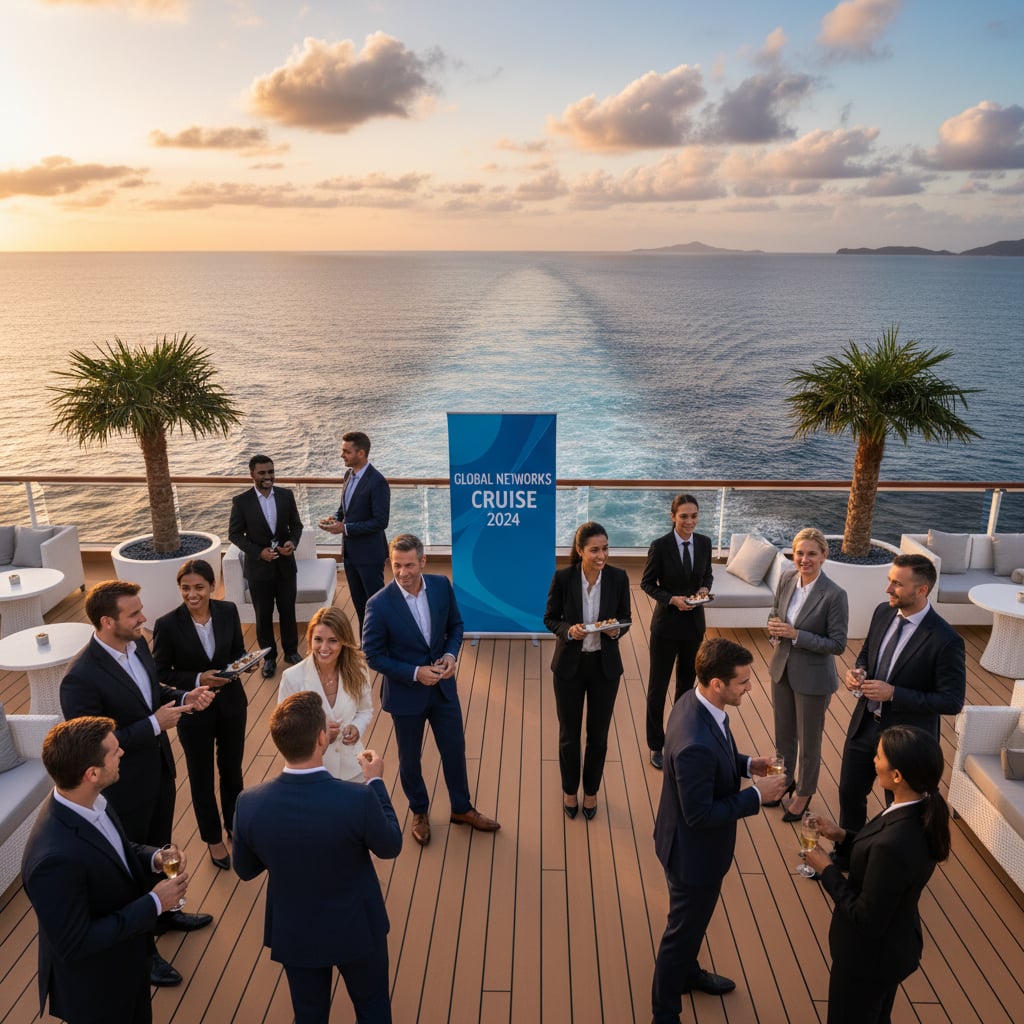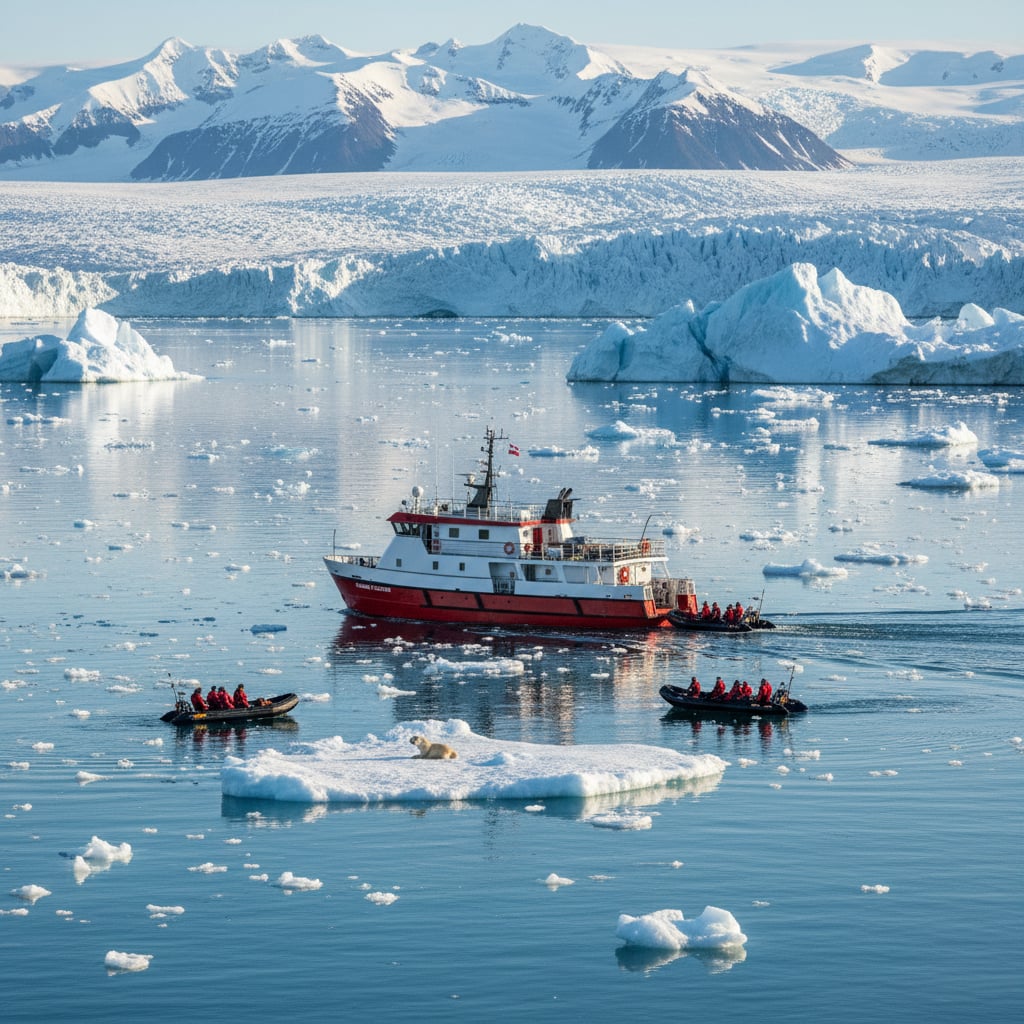
The expedition and small ship cruise segment represents the fastest-growing and highest-margin category in the cruise industry, with annual growth rates of 12-18% significantly outpacing traditional cruising. For travel agents seeking to elevate their cruise portfolio beyond mainstream Caribbean sailings, expedition cruising offers exceptional commission opportunities, affluent clientele, and differentiated value propositions resistant to online commoditization.
Expedition cruise bookings typically range $400-$1,200 per person per day (versus $100-$300 for traditional cruising), with commission rates of 15-20% (versus 10-16% mainstream), and client demographics demonstrating high lifetime value through repeat bookings and luxury travel patterns.
Understanding the Expedition Cruise Market
Expedition cruising differs fundamentally from traditional cruising in philosophy, operations, and client expectations. Rather than floating resorts with onboard entertainment focus, expedition vessels function as base camps for destination immersion, wildlife encounters, and adventure activities in remote regions inaccessible to large ships.
Defining Characteristics: Small vessels (50-250 passengers typically), destination-focused itineraries in remote or protected regions, zodiac boats for shore landings and wildlife viewing, expedition staff including naturalists and scientists, enrichment programming emphasizing education over entertainment, higher staff-to-passenger ratios (often 1:1 or better), adventure activities (kayaking, hiking, snorkeling, diving), flexible itineraries adapting to weather and wildlife opportunities.
Primary Expedition Regions: Antarctica and Sub-Antarctic Islands, Arctic and Greenland, Galapagos Islands, Alaska coastal wilderness, Norwegian fjords and Svalbard, Patagonia and Chilean Fjords, remote South Pacific islands, Arctic Northwest Passage, Russian Far East and Kamchatka.
Major Expedition Cruise Operators and Commission Structures
Lindblad Expeditions-National Geographic: US-based expedition leader with 16 ships globally. Strong North American distribution and agent relationships. Commission structure 15-18% depending on booking volume and agency tier. Pricing $400-$1,000 per person per day depending on destination and vessel. Key differentiators include National Geographic partnership provides brand credibility and family appeal, extensive expedition team (naturalists, photographers, videographers), comprehensive pre-departure educational materials, strong repeat guest programs.
Ponant: French luxury expedition operator with yacht-style vessels. Ultra-luxury positioning with elegant design. Commission structure 16-20% on expedition itineraries. Pricing $600-$1,500 per person per day. Three-Michelin-star chef Alain Ducasse consulting on cuisine, butler service in suite categories, French luxury hospitality standards, ice-class expedition vessels for polar regions, combination of expedition and luxury appeals to sophisticated travelers.
Hurtigruten Expeditions: Norwegian operator specializing in polar regions. Hybrid expedition ships combining passenger cabins with working vessels. Commission structure 15-18%. Pricing $300-$700 per person per day. Science-focused programming with university partnerships, environmentally-focused operations (hybrid-powered ships), strong Nordic and European market presence, extensive Arctic and Antarctic programs, combination expedition/adventure positioning.
Silversea Expeditions: Ultra-luxury expedition brand owned by Royal Caribbean. Suite-only configurations with all-inclusive pricing. Commission structure 16-20%. Pricing $700-$1,600 per person per day fully inclusive. Truly all-inclusive model (premium spirits, shore excursions, gratuities), butler service in all suites, luxury hotel standards in remote locations, Galapagos and polar expedition specialization, strong luxury travel agent network support.
Seabourn Ventures: Ultra-luxury expedition ships launched 2021-2022. Purpose-built expedition vessels with Seabourn luxury standards. Commission structure 16-20%. Pricing $800-$1,500+ per person per day. Submarine onboard for underwater exploration, custom-built expedition equipment, all-suite accommodations with luxury amenities, integration with Seabourn luxury brand recognition, strong family office and high-net-worth appeal.
Quark Expeditions: Specialist in polar expedition cruising. Adventure-focused positioning for active travelers. Commission structure 15-18%. Pricing $450-$900 per person per day. Most extensive polar expedition program (20+ departures annually), wide vessel size range (50-200 passengers), adventure activities emphasis (camping, kayaking, mountaineering), competitive pricing within expedition segment, strong adventure travel agent networks.
Expedition Cruise Pricing and Revenue Models
All-Inclusive Pricing Structures: Most expedition cruises include shore excursions, Wi-Fi, premium beverages, and gratuities in base fare simplifying client value proposition and budget planning. Unlike mainstream cruising's à la carte model, expedition pricing transparency enhances perceived value despite higher upfront costs.
Revenue Calculation Examples: 12-day Antarctica expedition: $12,000-$24,000 per person depending on cabin category and operator. Agent commission at 16%: $1,920-$3,840 per person. Couple booking: $3,840-$7,680 total agent revenue. Equivalent commission requires 5-8 mainstream Caribbean cruise bookings.
Suite Category Premium Commissions: Many expedition operators offer enhanced commission (18-22%) on suite categories. Suite premiums of 40-80% over entry cabins create significant revenue opportunities. Example: Entry suite $18,000 versus entry cabin $12,000. Commission differential at 18% versus 16%: $3,240 versus $1,920 = $1,320 additional revenue per person.
Client Profiling for Expedition Cruising
Ideal Expedition Client Demographics: Age 50-75 (core demographic), physically active and mobile, intellectually curious with educational interests, higher household income ($150,000+), experienced travelers who have visited major destinations, nature and wildlife enthusiasts, photographers, bucket-list travel motivations, willingness to pay premium for unique experiences, appreciation for small-group travel versus crowds.
Motivation Assessment: Successful expedition sales require understanding client motivations. Questions to assess fit include: What destinations remain on your bucket list? What type of wildlife or nature experiences interest you? How do you feel about traveling in remote locations with limited connectivity? Are you comfortable with expedition-style travel (zodiac boats, potential weather disruptions)? Do you prefer educational enrichment or pure relaxation on vacation?
Destination-Specific Selling Strategies
Antarctica Expeditions: Ultimate bucket-list destination commanding highest pricing and strongest demand. Best selling points include once-in-lifetime experience, pristine wilderness inaccessible any other way, extraordinary wildlife (penguins, seals, whales), dramatic ice formations and landscapes, expedition atmosphere with fellow adventurers. Ideal season November-March (austral summer). Booking window 12-18 months advance for preferred departures. Pricing $10,000-$35,000 per person for 10-20 day expeditions.
Galapagos Islands: Year-round expedition destination with strong repeat visitation. Unique wildlife fearless of humans, Darwin and evolution education appeal, multiple operators providing range of luxury levels, shorter 7-10 day programs accessible for time-constrained travelers. Year-round operation (each season offers different wildlife highlights). Pricing $4,500-$12,000 per person for 7-10 days.
Arctic and Greenland: Less crowded alternative to Antarctica with different wildlife and landscapes. Polar bears, Arctic foxes, walrus, dramatic ice fjords, Inuit culture experiences, northern lights potential (late season), less expensive than Antarctica. Season June-September. Booking window 10-14 months advance. Pricing $7,000-$20,000 per person for 10-15 day expeditions.
Norwegian Fjords and Svalbard: European expedition cruising combining accessibility and drama. Easier access from major European cities, dramatic fjord landscapes, viking history and culture, Arctic wildlife in Svalbard, combination expedition/cultural experience. Season May-September. Pricing $5,000-$15,000 per person for 10-12 days.
Addressing Client Concerns and Objections
Concern: Physical Requirements: Reality check on expedition demands. Most expedition cruises accommodate moderate fitness levels. Daily zodiac boat transfers require ability to climb in/out of boats. Shore landings may involve wet landings (stepping into shallow water). Hiking optional—multiple difficulty levels offered. Not wheelchair accessible typically. Assess client physical limitations honestly preventing disappointment.
Concern: Seasickness and Rough Seas: Expedition vessels are smaller and navigate open ocean passages experiencing more motion than large cruise ships. Drake Passage to Antarctica notorious for rough seas. Be honest about potential while providing mitigation strategies. Stabilizers help but do not eliminate motion. Seasickness medication recommended. 24-48 hour adjustment period common. Most clients find wildlife and destination rewards outweigh temporary discomfort.
Concern: Uncertain Itineraries: Expedition cruising flexibility means published itineraries are guidelines not guarantees. Weather, ice conditions, wildlife opportunities drive daily decisions. Some clients love this adventure spirit, others want certainty. Explain expedition approach emphasizing: Flexibility enables optimal wildlife viewing, captain and expedition leader make safety-first decisions, alternative activities provided when plans change, expedition spirit is part of the experience. Match clients comfortable with flexibility versus those requiring rigid schedules.
Concern: Limited Amenities: Expedition ships offer fewer amenities than resort-style cruise ships. No casinos, Broadway shows, water slides, or extensive spa facilities. Position as intentional trade-off: Destination focus versus onboard entertainment, intimate small-ship experience versus mega-resort, expedition community versus anonymous crowds, trade spa for zodiac cruises and wildlife encounters. Right clients view this as benefit not limitation.
Marketing Expedition Cruises
Educational Events: Expedition cruising's unfamiliarity requires education. Partner with expedition cruise lines for destination presentations featuring expedition leaders, past guest testimonials, and incredible photography. Virtual presentations effective post-pandemic. Live Q&A sessions address concerns. Attendee conversion rates 20-40% versus 5-10% cold outreach.
Niche Positioning: Rather than general expedition cruise promotion, focus on specific themes attracting passionate audiences. Photography expeditions led by professional photographers, birdwatching expeditions with ornithologist guides, marine biology focus with scientists, adventure combinations (kayaking, camping, mountaineering), family multi-generational expeditions on select family-friendly operators.
Luxury Crossover Marketing: Many luxury travelers unaware expedition cruising has evolved beyond Spartan accommodations. Highlight ultra-luxury expedition options: Seabourn Ventures combining expedition and luxury hotel standards, Silversea expedition suites with butler service, Ponant French luxury yacht ambiance, crystal Expedition Cruises (if operational). Position as "luxury in unexpected places."
Operational Considerations
Extended Booking Windows: Popular expedition departures (Antarctica November-January, Galapagos peak seasons) sell out 14-18 months advance. Encourage clients to commit early securing preferred dates and cabin categories. Early booking discounts 10-20% common when booking 15+ months ahead. However, last-minute deals (60-90 days prior) occasionally available when operators need to fill final cabins—risk strategy for flexible clients.
Air Logistics Complexity: Expedition itineraries often involve remote embarkation ports requiring complex air routings. Ushuaia, Argentina (gateway to Antarctica) requires 2-3 flights from most US/European origins. Puerto Ayora, Galapagos requires Ecuador mainland connection. Coordinate comprehensive air-cruise packages preventing client frustration with complex bookings. Many expedition operators offer air-inclusive packages simplifying logistics.
Travel Insurance Critical: Expedition cruising's high costs and potential disruptions make comprehensive travel insurance essential. Trip cancellation protection for $15,000-$30,000 per person cruise investments, medical evacuation coverage (expedition regions far from advanced medical facilities), trip interruption for weather delays or missed connections. Some operators require insurance as booking condition. Build insurance recommendation into consultation preventing last-minute add-on conversations.
Commission Optimization Strategies
Comprehensive Package Selling: Expedition bookings naturally lend to comprehensive packages maximizing total booking value. Pre-cruise extensions in gateway cities, post-cruise relaxation at resort destinations, business class air upgrades (long-haul flights to remote regions justify premium cabins), specialized gear packages (photography equipment, expedition clothing), travel insurance comprehensive coverage. Each component provides additional commission while delivering superior service.
Repeat Expedition Clients: Expedition cruisers demonstrate highest repeat rates in travel industry. Antarctica travelers often return for Arctic expeditions. Galapagos enthusiasts progress to South Pacific expeditions. Systematic follow-up after initial expedition cultivates multiple bookings. "Having experienced Antarctica, have you considered the Arctic as your next expedition?" Repeat expedition clients generate $10,000-$50,000+ lifetime booking value.
High-Net-Worth Client Cultivation: Expedition cruising's premium pricing attracts affluent travelers who book other luxury travel. An Antarctic expedition client likely books luxury safaris, European river cruises, and five-star resort stays. Expedition booking entry point for broader luxury travel relationship. Cross-sell opportunities include luxury hotel packages, private transfers, and premium experiences.
Conclusion: Expedition Cruising as Practice Differentiator
Expedition and small ship cruising represents the antithesis of commoditized travel sales. Complex itineraries, substantial investments, and specialized knowledge requirements create natural barriers preventing online booking platform dominance. Clients booking $20,000-$40,000 expedition experiences demand expertise, personalized service, and professional guidance justifying generous commission structures and often, additional planning fees.
For agents seeking to build high-value, relationship-based practices, expedition cruise specialization offers exceptional differentiation. A practice booking 15-20 expedition cruises annually generates $40,000-$80,000 in cruise commission alone (excluding associated air, hotels, and insurance)—equivalent to 100+ mainstream Caribbean cruise bookings requiring dramatically more volume and client servicing.
Most importantly, expedition clients become brand ambassadors referring like-minded travelers and generating word-of-mouth marketing requiring minimal acquisition costs. The combination of generous commissions, affluent demographics, repeat booking patterns, and low price competition makes expedition cruising one of the most attractive specializations in travel agency business development.
Ready to develop expedition cruise expertise? Contact DMC Quote for expedition cruise operator introductions, destination specialization training, and high-value client development strategies.