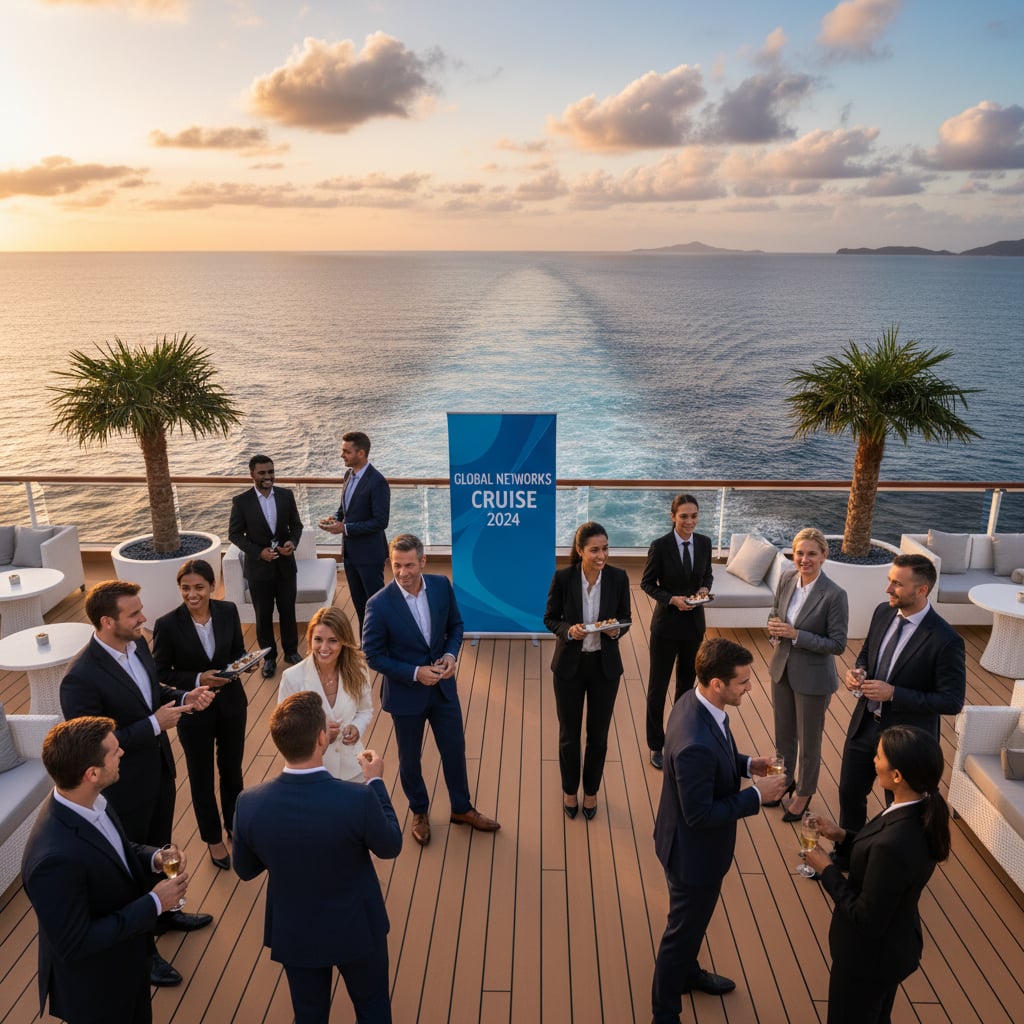
First-time cruisers represent both exceptional opportunity and significant responsibility for travel agents. They constitute approximately 40-45% of annual cruise passengers—a massive market segment—yet they also require the most comprehensive guidance, education, and hand-holding to ensure satisfying experiences that generate repeat business and referrals.
The challenge: first-time cruisers don't know what they don't know. They bring misconceptions from outdated information, fear unknowns about cruise operations, and easily become overwhelmed by choices. Agents who excel at first-timer education convert these clients into cruise enthusiasts generating lifetime value far exceeding initial booking commissions.
This comprehensive guide provides frameworks for systematically educating first-time cruisers, addressing common concerns, and preventing the service issues that create dissatisfaction.
Essential First-Timer Education Checklist
Successful first-timer consultations address these critical topics systematically rather than assuming knowledge.
Cruise Basics and Operations
What a Cruise Actually Is: Surprisingly, many first-timers hold unclear concepts of cruising. Explain clearly: All-in-one vacation combining transportation, accommodation, dining, and entertainment in single package. Wake up in new destinations without repacking. Resort-style amenities with travel convenience. Days at sea versus port days balance relaxation and exploration.
Daily Routine Expectations: First-timers often worry about rigid schedules or mandatory activities. Clarify flexibility: No mandatory participation in activities or dining times (except on traditional dining ships). Sleep late, skip activities, relax by pool—vacation is customizable. Entertainment and programming available for those wanting structure.
Formal Night Reality Check: Many first-timers fear formal nights or lack appropriate attire. Demystify expectations: Most mainstream cruises: 1-2 semi-formal nights on 7-day cruises. Men: suit or sport coat, no tux required. Women: cocktail dress or dressy pantsuit. Alternative casual dining available those evenings for those preferring not to dress up.
Documentation and Requirements
Passport and Identification: Confusion about passport requirements creates last-minute crises. Provide crystal-clear guidance: International cruises: Passport required and must be valid 6 months beyond return date. Closed-loop cruises (US ports only): US citizens can use birth certificate plus government ID, but passport strongly recommended. Passport card insufficient for air return if emergency. All children need proper documentation—no exceptions.
Visa Requirements: Often overlooked until too late. Research destination visa needs: Countries requiring advance visas. Countries offering arrival visas. Cruise line group visa programs. Processing timeline requirements (some countries require 3-4 weeks minimum).
Booking Documentation Deadlines: Passenger information deadlines surprise first-timers: Complete passenger details due 75-90 days before sailing. Special dietary needs, accessibility requirements due 60-90 days prior. Emergency contact information required. Credit card for onboard account setup.
Financial Aspects and Budgeting
What is and is not Included: The biggest source of first-timer surprise and frustration. Be explicit: Included: Accommodation, main dining room meals, buffet meals, most onboard activities, entertainment shows, pools and fitness center. Not Included: Alcoholic beverages (except luxury lines), sodas, specialty coffee, specialty restaurants, shore excursions, gratuities, spa services, casino gambling, shopping, internet access.
Onboard Spending Expectations: First-timers underestimate onboard costs creating budget stress. Provide realistic guidance: Conservative budget: $50-$100 per person per day for drinks, specialty dining, gratuities. Moderate budget: $100-$150 per person per day. Higher budget: $150-$250+ per person per day for premium experiences. Shore excursions: $60-$180 per person per port.
Gratuity Policies: Automatic daily gratuities shock unprepared first-timers. Explain clearly: Mainstream lines: $14-$16 per person per day automatically charged. Premium lines: $15-$18 per person per day. Luxury lines: Often included in cruise fare. Charged to onboard account—not optional. Additional gratuities for exceptional service optional but appreciated.
Cabin Selection and Expectations
Cabin Category Realities: First-timers often select inside cabins for budget reasons without understanding implications. Provide honest assessment: Inside cabins: No windows, can feel claustrophobic for those sensitive. Ideal for travelers who spend minimal time in cabins. Significant cost savings: $200-$400 less than oceanview. Oceanview cabins: Natural light but usually non-opening windows. Balcony cabins: Private outdoor space, worth premium for many. Increasingly affordable on newer ships. Consider suite upgrades if special occasion or wanting enhanced service.
Cabin Location Considerations: Location significantly impacts experience for first-timers sensitive to motion or noise. Explain selection strategy: Motion sensitivity: Choose mid-ship and lower decks. Quieter experience: Avoid cabins near elevators, staircases, theaters, or above nightclubs. Convenience: Close to elevators reduces walking but increases hallway traffic noise. Family cabins: Adjacent or connecting cabins for groups traveling together.
Dining and Food Service
Dining Options Explanation: First-timers feel overwhelmed by dining choices. Simplify the overview: Main dining room: Multi-course sit-down dinners with menu service. Traditional seating (same table/time nightly) or anytime/flexible dining. Included in cruise fare. Buffet: Casual breakfast, lunch, sometimes dinner. Wide variety, self-service, flexible timing. Pool grill: Burgers, hot dogs, pizza during day. Room service: Typically included (continental breakfast and limited menu). Specialty restaurants: Additional charge $25-$75 per person. Higher quality, themed cuisines, reservations recommended.
Dietary Restrictions and Allergies: First-timers worry about food limitations. Reassure with process: Cruise lines accommodate virtually all dietary needs. Must notify in advance (60-90 days preferred). Vegetarian, vegan, gluten-free, kosher, allergies all managed. Speak with maître d first night to review requirements. Buffet offers variety enabling self-selection for restrictive diets.
Shore Excursions and Port Days
Port Day Logistics: First-timers need clear explanation of port day operations: Ship docks early morning (typically 7-9 AM). Disembarkation begins once ship clears customs/immigration. All-aboard time typically 30 minutes before departure. Missing all-aboard means passenger responsible for reaching next port. Ship departure schedule non-negotiable—will not wait for late individuals (except ship-organized excursions). Tender ports: Smaller boats ferry passengers to shore, takes longer, weather-dependent.
Shore Excursion Options: As detailed in our comprehensive shore excursion guide, first-timers generally benefit from ship-organized excursions providing guaranteed ship-wait protection, eliminating navigation stress, and offering quality-vetted operators. Independent excursions suitable for more adventurous first-timers comfortable with self-navigation.
Common First-Timer Misconceptions to Address
Misconception: Cruises are for old people. Reality: Demographic diversity spans all ages. Families with children on mainstream lines. Active adults 30s-50s on premium/activity-focused lines. Mature travelers on luxury lines. Theme cruises attract specific demographics regardless of age.
Misconception: I will get bored. Reality: Cruise ships offer extensive programming. Multiple pools, fitness centers, spas, entertainment shows, enrichment lectures, cooking classes, art auctions, trivia contests, movies, bars/lounges, casino, nightclub, library. Port days provide destination exploration. Sea days offer relaxation or activity—your choice.
Misconception: I will get seasick. Reality: Modern cruise ships have stabilizers significantly reducing motion. Most passengers experience no seasickness. Choose mid-ship and lower deck cabins to minimize any motion. Medication options effective: Dramamine, Bonine, prescription patches. Seasickness typically subsides within 24-48 hours as body acclimates.
Misconception: Cruises are expensive. Reality: Per-day cost analysis shows cruises offer excellent value. $100-$150 per person per day includes accommodations, all meals, entertainment, activities, and transportation between destinations. Land-based resort vacations often cost $200-$400 per day without meals or activities included.
Misconception: I will feel trapped or claustrophobic. Reality: Modern cruise ships are floating resorts. Mega-ships accommodate 3,000-6,000 passengers across 15-18 decks with extensive public spaces. Multiple outdoor deck areas. Room to find quiet spaces even when ship is full. Port days provide regular opportunities to disembark and explore destinations.
Pre-Departure Preparation Guidance
Packing Recommendations: First-timers overpack or bring inappropriate items. Provide practical guidance: Casual comfortable clothing for daytime. 1-2 semi-formal outfits for formal nights (if participating). Comfortable walking shoes for shore excursions. Swimwear, sunscreen, hat for pool and beach days. Light jacket or sweater for air-conditioned spaces. Medications in original containers in carry-on luggage. Power strip (many cabins have limited outlets). Small day bag for shore excursions. Do NOT pack: Large irons (fire hazard—prohibited), extension cords with surge protection (allowed: power strips without surge), prohibited items (weapons, candles, heating elements).
Day-Before Departure Preparation: Online check-in 3-5 days before sailing (expedites embarkation). Download cruise line mobile app. Set up onboard account credit card. Review embarkation port parking or hotel options. Confirm flight arrival timing (recommend arrival previous day avoiding risk). Print important documents: boarding passes, cruise documentation, hotel confirmations, travel insurance.
Embarkation Day Logistics: What to expect reduces first-day stress: Arrive at cruise terminal 11 AM-2 PM (avoid early rush and late crowds). Luggage porters tag bags curbside—keep valuables, medications, travel documents in carry-on. Security screening similar to airport. Check-in desk processes documents and issues key cards. Board ship and explore before crowds. Cabins typically ready 1-2 PM. Muster drill (safety briefing) mandatory before sailing—typically 30-60 minutes before departure.
Addressing First-Timer Anxiety and Concerns
Anxiety: What if I do not like it? Response: Short cruise trial recommended. 3-4 night Bahamas or Mexico cruise provides authentic experience with minimal time/financial commitment. If you do not enjoy, you are back quickly. Most first-timers book their next cruise before disembarking their first—high satisfaction rates.
Anxiety: What if my children do not behave? Response: Family-friendly cruise lines design specifically for children. Kids clubs with age-appropriate programming keep children engaged. Teen areas separate from young children. Families traveling together creates supportive environment. Many parents find cruises less stressful than land vacations—built-in childcare via kids club programming.
Anxiety: What about medical emergencies? Response: All cruise ships have medical facilities staffed with doctors and nurses. Handle routine medical issues, stabilize emergencies. Comprehensive pharmacies onboard. Travel insurance strongly recommended covering medical evacuation if needed. Most medical issues managed successfully onboard.
Anxiety: What if I get lost on the ship? Response: Deck plans provided and posted throughout ship. Elevators clearly marked fore/aft and deck numbers. Crew members extremely helpful with directions. Mobile apps often include ship navigation. Within 24 hours, you will navigate confidently—ships designed for intuitive wayfinding.
Post-Cruise Follow-Up for First-Timers
Immediate Post-Cruise Contact: Within one week after disembarkation, contact first-timers gathering feedback. Questions: Overall satisfaction rating 1-10. Favorite aspects. Aspects that could improve. Interest in future cruising. Willingness to refer friends/family. This timing captures fresh impressions while demonstrating attentive service.
Education for Second Cruise: First-timers-turned-cruisers often want to try different experiences. Recommend: Different cruise line if first experience had limitations. Different ship size (mega-ship vs. mid-size). Different destination region. Upgraded cabin category based on first-cruise learnings. Most second-time cruisers demonstrate higher satisfaction than first cruise as they leverage experience.
Conclusion: First-Timers as Foundation for Practice Growth
First-time cruisers represent the highest-maintenance client segment requiring extensive education, hand-holding, and post-booking support. However, they also represent the foundation for sustainable agency growth. Properly educated first-timers become repeat cruise clients generating lifetime value through multiple bookings and referrals.
The most successful cruise agents invest heavily in first-timer education recognizing that initial effort compounds through years of repeat business. A well-served first-time cruiser averages 4-6 additional cruise bookings over subsequent decade, often with escalating budgets as they upgrade experiences.
First-timer education also differentiates professional agents from online booking platforms. DIY bookers struggle with unknowns, make suboptimal choices, and often experience disappointing first cruises preventing repeat bookings. Agents providing comprehensive guidance justify commission-based compensation and increasingly, professional service fees reflecting expertise value.
For comprehensive travel planning including pre/post cruise hotel packages and airport transfers, partner with experienced DMCs. Ready to develop your first-timer cruise sales expertise? Contact DMC Quote for client education resources and first-timer sales training.