The best time to visit Bali is April to October — the dry season — with the sweet spot in May, June and September: warm, sunny days, calm seas and fewer crowds than peak July–August. Bali has just two seasons, dry and wet, and sits 8 degrees south of the equator, so temperatures barely move all year (a steady 26–32°C / 79–90°F). What changes is rainfall, humidity, crowds and price.
If you want the short version: come in May, June or September for the best balance of weather, value and breathing room. Avoid January–February if you hate rain, and book six months ahead for July, August or the Christmas–New Year peak. Below is the full month-by-month table, the cheapest months, surfing and diving seasons, the one day the entire island shuts down (Nyepi), and honeymoon timing.
Bali's Two Seasons Explained
Dry season (April–October): low humidity, sunny mornings, blue skies, calm water on the south and east coasts. This is high season for good reason. Wet season (November–March): hot, humid, with short but heavy afternoon downpours (rarely all-day rain). Mornings are often still clear. The wet season isn't a write-off — it's green, cheap and quiet — but January and February are the wettest.
Bali Month-by-Month: Weather, Crowds & Prices
| Month | Weather | Rain | Crowds | Prices |
|---|---|---|---|---|
| January | Hot, humid, 24–31°C | Wettest (~340mm) | Low (after NY) | Low |
| February | Hot, humid, 24–31°C | Very wet (~270mm) | Low | Lowest |
| March | Warm, easing rain | Wet (~210mm) | Low–Medium | Low |
| April | Dry season begins | Light (~85mm) | Medium | Medium |
| May | Sunny, pleasant, 23–31°C | Low (~75mm) | Medium | Medium (great value) |
| June | Dry, breezy, ideal | Very low (~65mm) | Medium | Medium |
| July | Dry, cooler nights | Lowest (~55mm) | Peak (high) | High |
| August | Dry, peak season | Lowest (~50mm) | Peak (highest) | Highest |
| September | Dry, warm, calm | Low (~70mm) | Medium | Medium (great value) |
| October | Warm, humidity rising | Light (~110mm) | Medium | Medium |
| November | Wet season returns | Wet (~150mm) | Low | Low |
| December | Hot, wet, festive peak | Wet (~280mm) | High (Xmas/NY) | High (holidays) |
The Cheapest Time to Visit Bali
The cheapest months are February and March — deep wet season, low demand, and villa rates can drop 30–50% versus August. A pool villa in Seminyak that's USD 180/night in August can be USD 90–110 in February. Flights are cheaper too. The trade-off is rain, but it usually comes in concentrated afternoon bursts, leaving mornings free. Late April, May and early September are the best value in the dry season — good weather, dry-season prices without the peak surcharge.
Nyepi — The Day Bali Stops (Important)
Nyepi, the Balinese Day of Silence, is the most important date to know. The whole island shuts down for 24 hours: no flights (the airport closes), no traffic, no lights at night, no leaving your hotel. In 2026, Nyepi falls on March 19. If you're at a resort it's a fascinating, peaceful experience (room service runs, just discreetly); if you're trying to travel that day, you can't. The night before features the dramatic Ogoh-Ogoh monster parades. Plan around it, don't get caught out by it.
Surfing Season
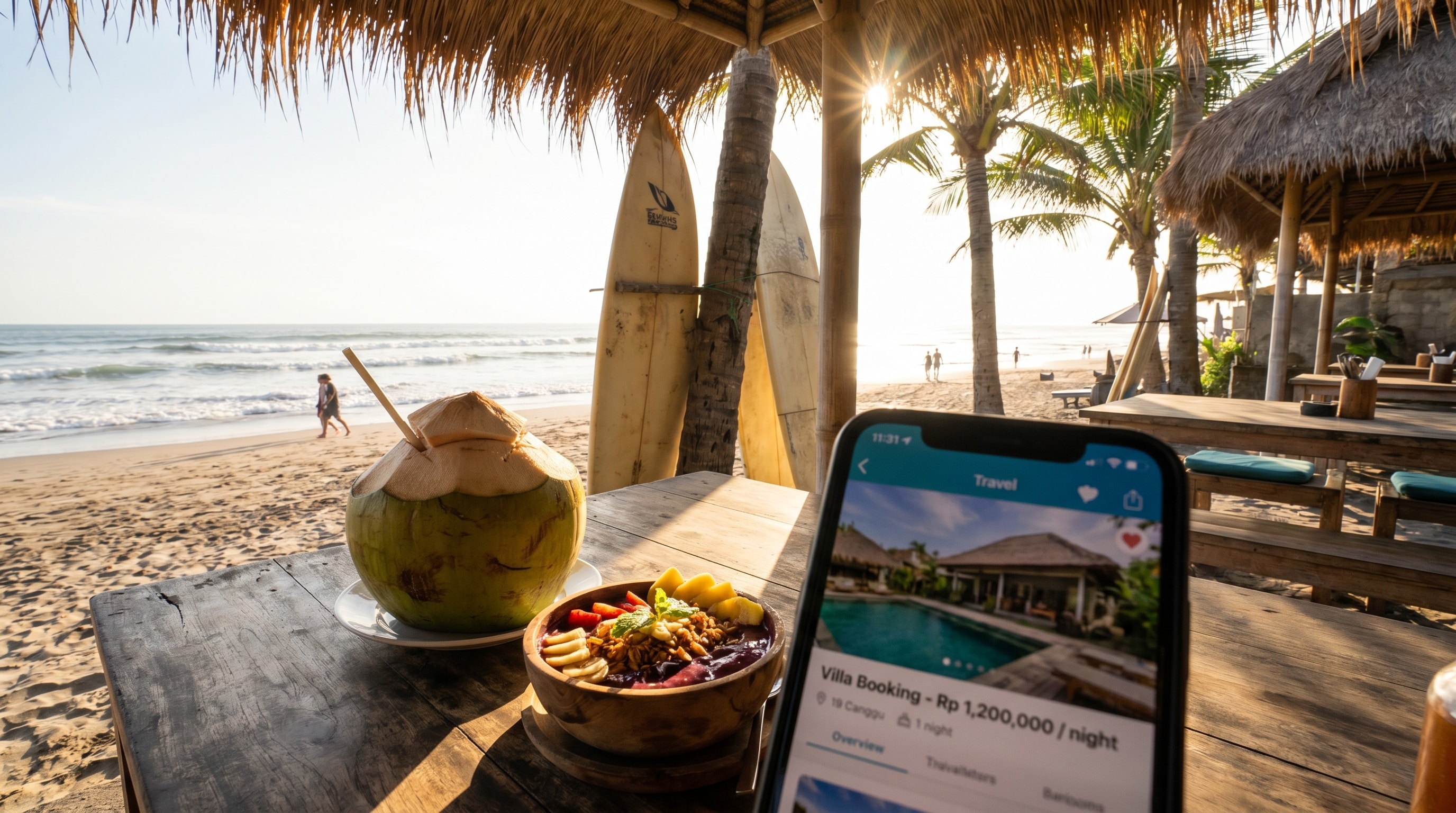
Bali is a year-round surf destination, but the swell and wind change sides. Dry season (April–October) is prime for the famous west-coast breaks — Uluwatu, Padang Padang, Bingin, Canggu — with offshore winds and clean lines. Wet season (November–March) flips the action to the east coast: Nusa Dua, Sanur, Keramas. Beginners do well at Kuta and Canggu year-round.
Diving Season
Diving is excellent all year, but visibility peaks in the dry season (May–November). The headline event is the mola mola (oceanic sunfish) season around Nusa Penida and Nusa Lembongan, roughly July to October, when these giant fish rise from the deep. Manta rays are seen year-round at Manta Point. The USAT Liberty wreck at Tulamben is divable in any season.
Best Time for a Bali Honeymoon
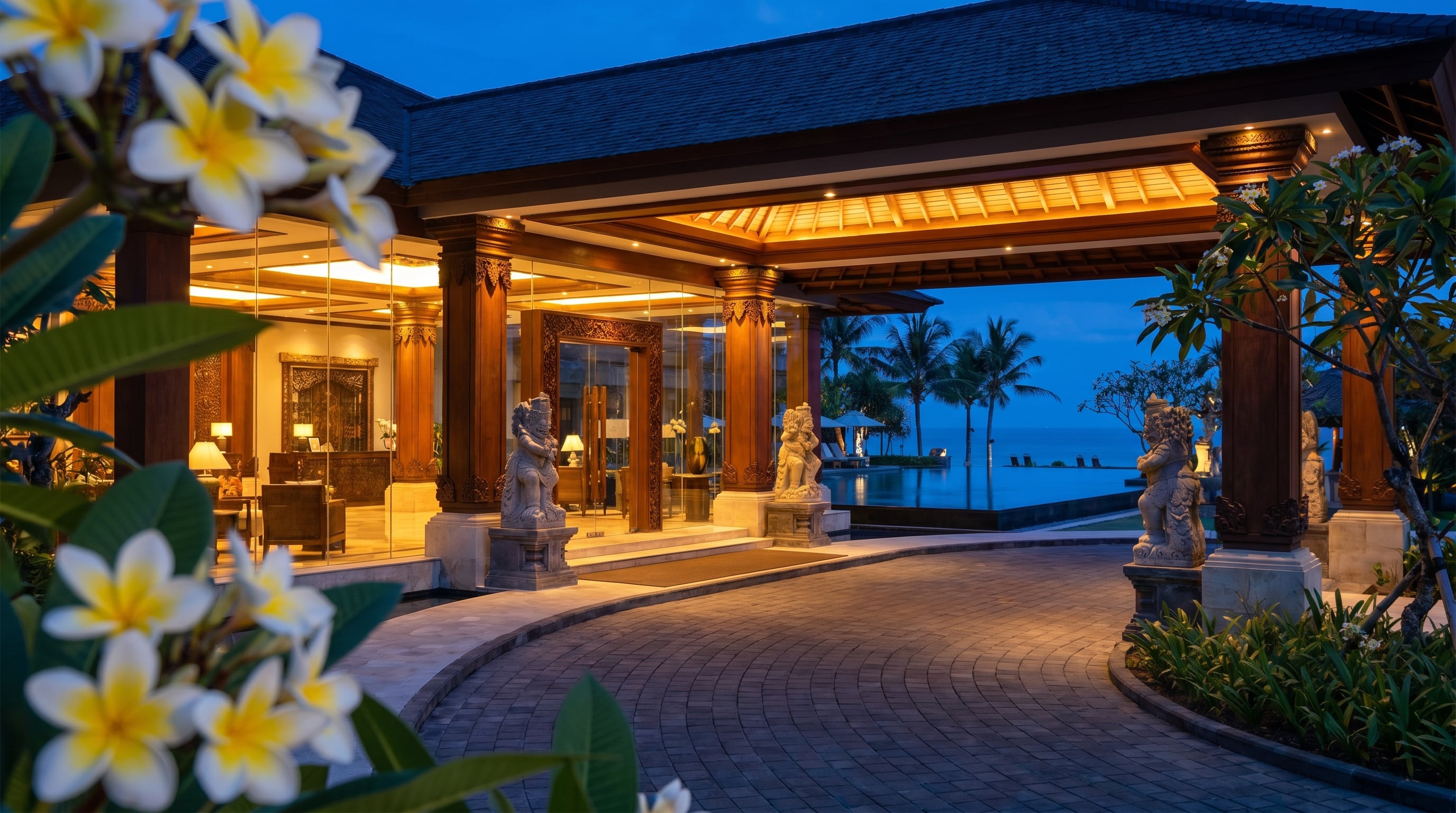
For honeymoons, target May, June or September — dry, romantic sunsets, calm water for those infinity-pool photos, and shoulder-season pricing so your budget stretches to a nicer villa. Avoid August (crowded, priciest) and January–February (wettest) unless rain doesn't bother you. Ubud for the first half (jungle, spa, rice-terrace views) then a south-coast or Nusa beach for the second is the classic split — see our Bali 7-day itinerary and the Bali trip cost guide.
How Bali Fits a Bigger Trip
Most travellers pair Bali with the rest of the region. If you're planning a longer route, our 2-week Southeast Asia itinerary puts Bali at the end as the beach finale, and the best time to visit Singapore & Malaysia helps you sync dates if you're combining stops.
For Travel Agents: Quoting Bali in Any Season
Bali demand swings hard by season, and so do net rates — which is exactly where agents make margin if they can source live. DMC Quote gives travel agents net hotel rates across Bali and the wider region, instant e-vouchers for day tours (Uluwatu Kecak dance, Nusa Penida, rice-terrace and waterfall trips), private transfers, and an AI package builder that turns a Bali brief into a client-ready quote in minutes. Free registration, approved in about 24 hours. Start at the Bali B2B travel agent portal or the main B2B travel portal, then register free to quote dry-season and wet-season rates side by side.
Where to Stay by Season
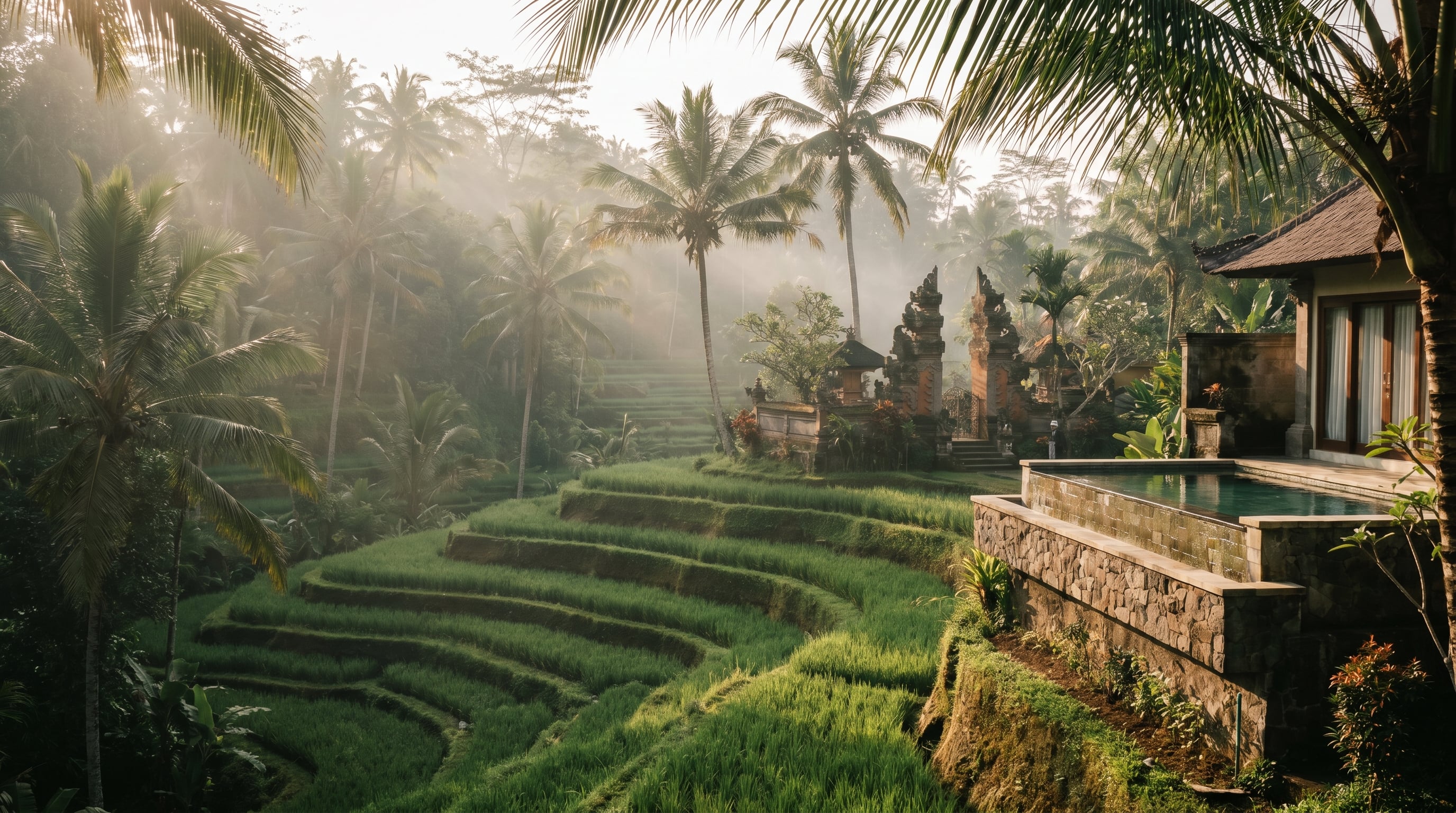
Season shapes the smart choice of base, not just the dates. In the dry season (April–October), the south and southwest shine: Seminyak, Canggu and Uluwatu deliver reliable sunsets, swimmable beaches and the best surf on the famous west-coast reefs. In the wet season (November–March), lean inland or east — Ubud is gorgeous in the rain (mist over the rice terraces, fewer crowds, lower villa rates), and the east-coast and Nusa Penida/Lembongan waters stay calmer for diving and snorkelling. If you want one base that works any month, Ubud is the safest bet; for guaranteed beach time, time your trip to the dry months and stay south.
Festivals & Events Worth Timing Around
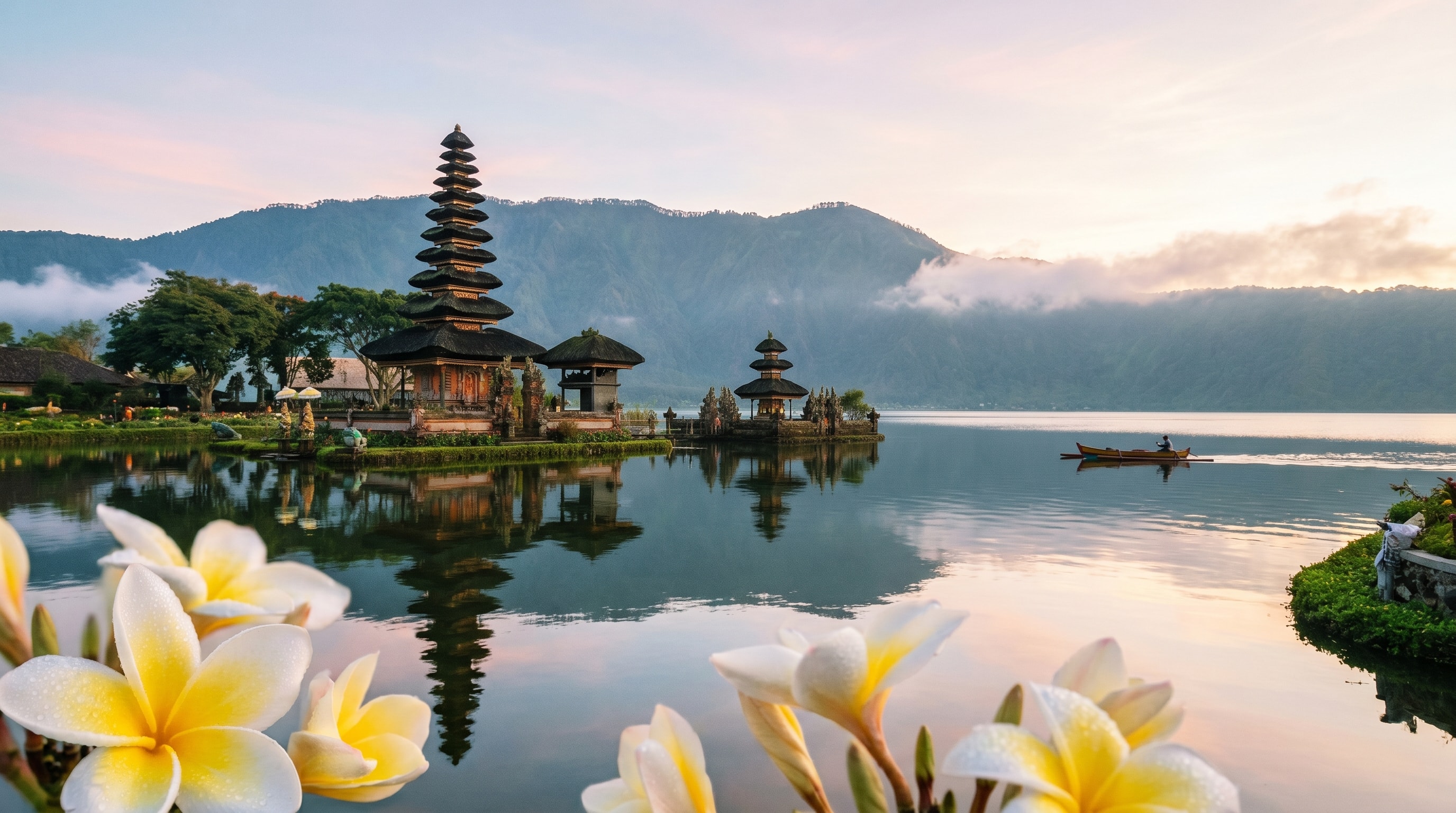
Beyond Nyepi, a handful of dates can make a trip. The Bali Arts Festival runs mid-June to mid-July in Denpasar — a month of dance, gamelan and craft, conveniently landing in the best-weather window. Galungan and Kuningan (the Balinese celebration of good over evil) happen twice a year on the 210-day Pawukon calendar; villages fill with penjor bamboo poles and temple offerings, and it's one of the most photogenic times to visit. The Ubud Writers & Readers Festival draws an international crowd in late October. These fall outside the rainy peak, so you rarely have to trade weather for atmosphere.
What to Pack for Each Season
Bali is warm year-round, so the packing list barely changes — but a few season-specific items matter. For the dry season, prioritise reef-safe sunscreen, a hat and a light layer for cooler highland evenings around Ubud and Kintamani (it can dip to 18°C / 64°F up the volcano at dawn). For the wet season, add a compact rain shell, quick-dry clothing and waterproof footwear or sandals you don't mind getting muddy on rice-terrace walks. Year-round essentials: a sarong (required at temples), mosquito repellent, and a reusable water bottle. Sunsets are the photo moment whatever the month, so keep a lens cloth handy for the humidity.
Frequently Asked Questions
What is the best month to visit Bali?
June and September are arguably the best months — dry, sunny, calm seas, and noticeably fewer crowds and lower prices than the July–August peak. May is also excellent for value.
What is the rainy season in Bali?
The wet season runs November to March, peaking in January and February. Rain usually falls in short, heavy afternoon bursts rather than all day, and mornings are often clear. It's the cheapest and quietest time to visit.
When is the cheapest time to go to Bali?
February and March are cheapest, with villa rates dropping 30–50% versus August. Within the dry season, late April, May and early September offer the best value.
What is Nyepi and when is it in 2026?
Nyepi is the Balinese Day of Silence when the entire island, including the airport, shuts down for 24 hours. In 2026 it falls on March 19. You cannot travel that day, so plan around it.
Is Bali worth visiting in the rainy season?
Yes. The island is lush and green, prices are low, and crowds are thin. Rain typically comes in concentrated afternoon downpours, so you can still enjoy clear mornings — just keep beach days flexible.
When can I see mola mola and manta rays in Bali?
Mola mola (sunfish) season around Nusa Penida runs roughly July to October. Manta rays are seen year-round at Manta Point. Overall diving visibility is best in the dry season, May to November.