Key Takeaways: Halal Tourism in Asia
- Malaysia: #1 halal destination globally. 100% halal food at major chains, prayer rooms everywhere, Islamic heritage tours.
- Singapore: 800+ halal-certified restaurants, Muslim-friendly hotels, excellent prayer facilities at malls and attractions.
- Indonesia: World's largest Muslim population. Bali has dedicated halal resorts and restaurants.
- Thailand: Southern Thailand is Muslim-majority. Bangkok has 200+ halal restaurants and mosque facilities.
- Japan: Growing halal infrastructure. Tokyo, Osaka have halal restaurants and prayer rooms at airports.
In This Guide
Why Halal Tourism Matters for Travel Agents
The global halal tourism market is projected to reach $300 billion by 2026, growing at nearly 10% annually. With 1.8 billion Muslims worldwide representing roughly 25% of the global population, this isn't a niche market - it's a massive opportunity that most Western travel agents completely overlook.
If you book hotels for clients, our B2B hotel booking portal lists contracted net rates with instant confirmation.
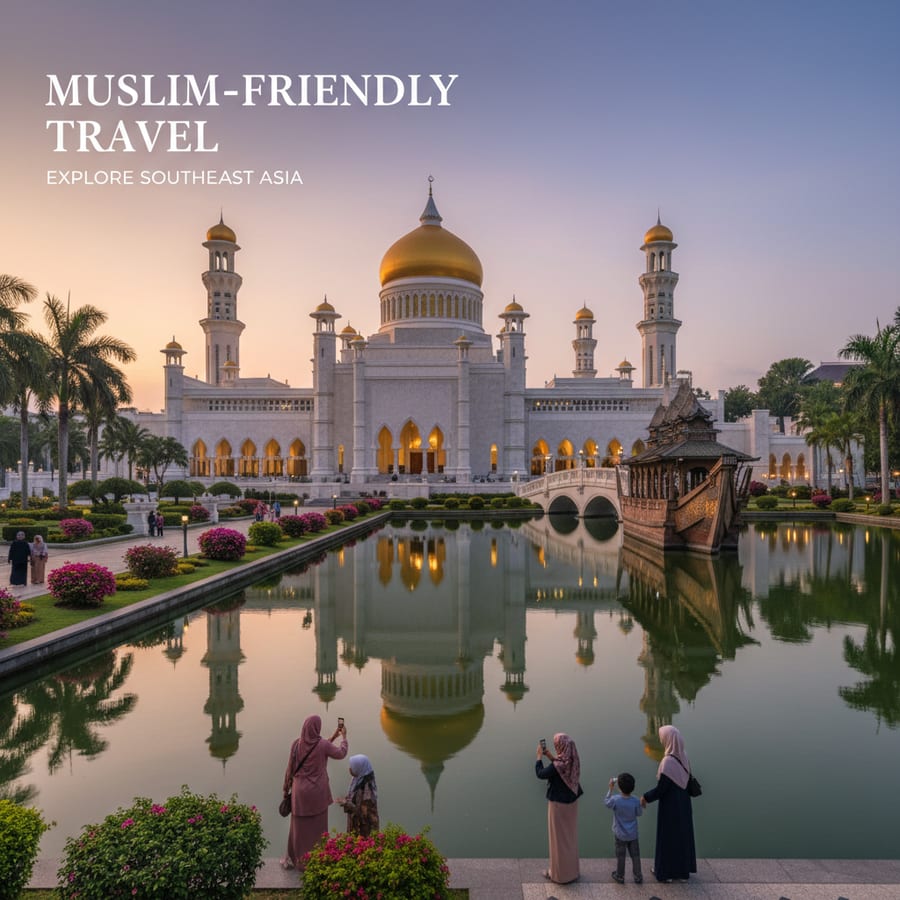
Muslim travelers have specific requirements that go beyond just food:
- Halal Food: Meat slaughtered according to Islamic law, no pork, no alcohol in cooking
- Prayer Facilities: Access to mosques or clean prayer rooms, Qibla direction indicators
- Accommodation: No alcohol in minibars, prayer mats available, bidet/water in bathrooms
- Activities: Separate swimming facilities for women, modest dress-friendly beaches
- Ramadan Considerations: Suhoor and Iftar meal timing, reduced activity schedules
Travel agents who understand these needs and can confidently recommend Muslim-friendly options build incredible loyalty with this demographic. The repeat booking rate for satisfied Muslim travelers exceeds 70%.
Malaysia: The Global Leader in Halal Tourism
Malaysia consistently ranks #1 on the Global Muslim Travel Index, and for good reason. As a Muslim-majority country with world-class tourism infrastructure, it offers the most seamless halal travel experience in Asia.
Why Malaysia Excels
- JAKIM Halal Certification: Malaysia's halal certification is recognized worldwide as one of the strictest
- Ubiquitous Halal Food: Every major restaurant chain is halal-certified. McDonald's, KFC, Pizza Hut - all halal
- Prayer Facilities: Mosques every few kilometers, prayer rooms (surau) in all malls and public buildings
- Islamic Heritage: Rich Muslim history, beautiful mosques, Islamic arts museums
- No Alcohol Pressure: While available, alcohol isn't prominently featured in Malaysian culture
Top Halal Destinations in Malaysia
Kuala Lumpur
The capital is a halal paradise. Highlights include the iconic Masjid Negara (National Mosque), Islamic Arts Museum, halal street food at Jalan Alor (look for halal-certified stalls), and Petronas Towers with halal dining options. Every major mall has a surau and food court with halal options.
Langkawi
Beach paradise that's fully Muslim-friendly. Resorts like The Datai and Four Seasons offer halal dining. The island has multiple mosques and halal restaurants. Duty-free shopping doesn't pressure alcohol purchases.
Penang
George Town's hawker food scene includes many halal-certified stalls. Visit Kapitan Keling Mosque, explore halal versions of famous local dishes like Nasi Kandar and Mee Goreng.
Malaysia Halal Hotels
Most major hotels in Malaysia are Muslim-friendly by default:
- Prayer mats and Qibla direction in rooms
- Halal-certified restaurants
- No alcohol minibar (or option to remove)
- Bidet facilities in bathrooms
Top Recommendations: Shangri-La KL, Mandarin Oriental KL, The Majestic Hotel, Sunway Resort, Lexis Hibiscus Port Dickson
Singapore: Multicultural Halal Excellence
Despite being a non-Muslim majority country, Singapore has exceptional halal infrastructure thanks to its significant Malay Muslim population (15%) and focus on being a global tourism hub.
Halal Food in Singapore
Singapore has over 800 MUIS halal-certified restaurants and food establishments. MUIS (Islamic Religious Council of Singapore) certification is highly respected.
- Hawker Centers: Most have dedicated halal stalls, clearly marked. Try Zam Zam at Sultan Mosque for famous Murtabak
- Restaurants: Major chains like McDonald's, KFC, Subway, Burger King are halal-certified
- Fine Dining: Halal fine dining options include Rumah Rasa, Hjh Maimunah, and The Malayan Council
- Attractions: Universal Studios Singapore has halal food options, as does Sentosa
Prayer Facilities
- Sultan Mosque: The iconic golden-domed mosque in Kampong Glam - a must-visit
- Shopping Malls: Most major malls (ION, VivoCity, Marina Bay Sands) have prayer rooms
- Changi Airport: Multiple prayer rooms in all terminals
- Attractions: Universal Studios, Gardens by the Bay have prayer facilities
Muslim-Friendly Areas
Kampong Glam: The historic Muslim quarter is essential. Arab Street, Haji Lane for shopping, Sultan Mosque, and dozens of halal restaurants. Book clients into hotels near here for easy access to halal food.
Geylang Serai: Another Malay enclave with excellent halal food, especially during Ramadan when the bazaar is spectacular.
Indonesia: World's Largest Muslim Nation
With 230 million Muslims, Indonesia is inherently halal-friendly, though tourism infrastructure varies by region.
Jakarta
The capital is essentially 100% halal-accessible. Every restaurant serves halal food by default (non-halal establishments are rare and clearly marked). Istiqlal Mosque - the largest in Southeast Asia - is a major attraction.
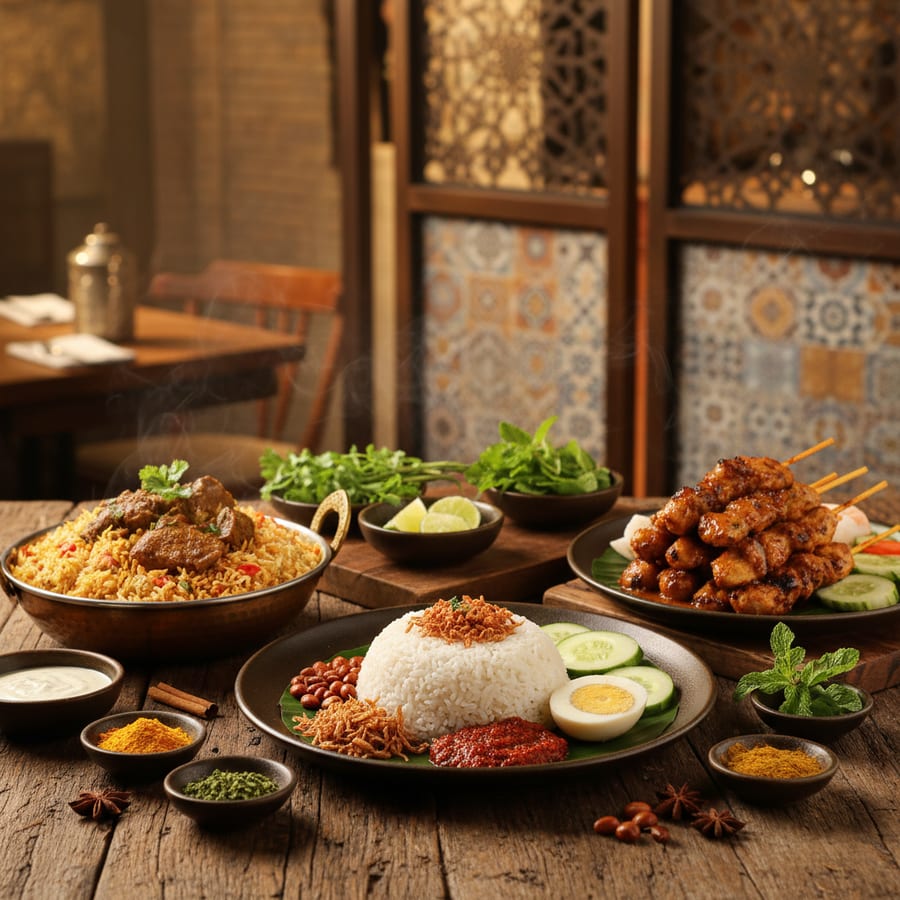
Halal Bali
Bali presents unique challenges as a Hindu-majority island, but halal tourism infrastructure has grown significantly:
- Halal Resorts: Sofitel Bali, Padma Resort Legian, and The Trans Resort offer halal dining
- Halal Restaurants: Seminyak and Kuta have 50+ halal restaurants. Look for Warung Muslimah or LMUI certification
- Mosques: Masjid Agung Ibnu Batutah in Seminyak, Masjid Al-Hasanah in Kuta
- Private Villas: Book Muslim-friendly villas with private pools for family privacy
Lombok & Gili Islands
Lombok is Muslim-majority and often called "Islamic Bali." Beautiful beaches, fewer tourists, naturally halal food everywhere. The Gili Islands have halal restaurants and are more relaxed than Bali for Muslim travelers.
Thailand: Surprising Halal Options
Thailand might seem challenging for Muslim travelers, but it actually has excellent halal infrastructure, especially in Bangkok and Southern Thailand.
Bangkok Halal Scene
- 200+ Halal Restaurants: From street food to fine dining. Search "halal" on Google Maps for options
- Soi Arab (Sukhumvit Soi 3): Middle Eastern enclave with halal restaurants, shisha lounges, and Arab grocery stores
- Ramkhamhaeng Area: Large Muslim community with many halal food options
- Central World & Major Malls: Most have prayer rooms and halal food court options
Mosques in Bangkok
- Masjid Al-Azhar (Bang Rak): One of Bangkok's oldest mosques
- Masjid Indonesia: For Indonesian Muslim travelers
- Haroon Mosque: Historic mosque in the old quarter
Southern Thailand
The southern provinces (Pattani, Yala, Narathiwat, Satun) are Muslim-majority. For beach destinations, Krabi has a significant Muslim population with many halal restaurants.
Thailand Halal Certification
Look for the Thailand Halal logo issued by the Central Islamic Council of Thailand. Many hotels now offer "Muslim-friendly" packages with halal breakfast, prayer mats, and Qibla direction.
Japan: The New Halal Frontier
Japan has invested heavily in halal tourism infrastructure to attract Muslim visitors from Southeast Asia and the Middle East. While not as comprehensive as Malaysia, the options are growing rapidly.
Halal Food in Japan
- Halal Restaurants: Tokyo has 100+ halal restaurants, mainly in Shinjuku, Shibuya, and Asakusa
- Halal Ramen: Yes, it exists! Naritaya in Asakusa and Ayam-Ya in Shinjuku serve halal ramen
- Halal Wagyu: Several restaurants serve halal-certified Japanese beef
- Convenience Stores: 7-Eleven and Lawson carry some halal-labeled products
- Seafood: Most sushi and sashimi is naturally halal (no pork, no alcohol in preparation)
Prayer Facilities
- Tokyo Camii: Japan's largest mosque, beautiful Ottoman-style architecture in Shibuya
- Airports: Narita, Haneda, Kansai all have prayer rooms
- Major Stations: Tokyo Station and some major hubs have prayer spaces
Muslim-Friendly Hotels Japan
Several hotels now cater specifically to Muslim guests:
- Syariah Hotel Fujisan: Japan's first fully sharia-compliant hotel near Mt. Fuji
- Hotel & Residence Roppongi: Halal kitchen available
- Best Western Plus has halal options at select properties
South Korea: Emerging Halal Destination
South Korea is working to attract more Muslim tourists, particularly from Southeast Asia. Seoul has developed decent halal infrastructure:
Seoul Halal Guide
- Itaewon: The main area for halal food with 30+ restaurants and the Seoul Central Mosque
- Myeongdong: Some halal Korean BBQ and street food options
- Halal Korean Fried Chicken: Available at select restaurants - a must-try!
Korea Muslim-Friendly Certification
The Korea Tourism Organization has a "Muslim-Friendly Korea" program that certifies restaurants and accommodations. Look for their official certification.
Booking Tips for Travel Agents
Questions to Ask Muslim Clients
- How strict are their halal requirements? Some clients only need clearly halal meat, others require full halal-certified kitchens
- Prayer frequency: Will they need prayer room access throughout the day?
- Ramadan travel: Adjust itineraries for fasting hours, arrange Iftar experiences
- Swimming/beach preferences: Do women need separate facilities or private beaches?
- Alcohol exposure: Some clients prefer hotels with no bars/alcohol service
How to Verify Halal Status
- Official Certification: Look for government halal logos (JAKIM Malaysia, MUIS Singapore, MUI Indonesia)
- Hotel Confirmation: Email hotels directly to confirm halal kitchen, prayer facilities
- Restaurant Apps: Use Zabihah, HalalTrip, or Halal Navi apps for verified listings
- Local DMC: Partner with DMCs who specialize in Muslim travel - they know the ground reality
Halal Tourism Packages to Offer
- Halal Honeymoons: Maldives, Langkawi, Lombok - all offer excellent privacy and halal options
- Family Halal Holidays: Malaysia is unbeatable for families with kids
- Halal Foodie Tours: Penang, Singapore, Bangkok food tours focusing on halal cuisines
- Islamic Heritage Tours: Malaysia, Indonesia focus on mosque visits and Islamic culture
- Ramadan Packages: Special Iftar experiences, adjusted schedules, spiritual tourism
Common Mistakes to Avoid
- Assuming "vegetarian = halal": Vegetarian food may be cooked in shared equipment with non-halal items
- Booking near nightlife: Conservative clients may be uncomfortable near bars and clubs
- Ignoring prayer times: Schedule tours around prayer times, not through them
- No bathroom consideration: Muslim clients need water access in bathrooms (bidet/handheld spray)
Frequently Asked Questions
Which Asian country is best for halal tourism?
Malaysia is the undisputed leader, ranking #1 on the Global Muslim Travel Index. With JAKIM certification, ubiquitous halal food, prayer facilities everywhere, and Islamic heritage attractions, it offers the most seamless experience for Muslim travelers.
Is Singapore halal-friendly?
Yes, exceptionally so. Singapore has 800+ MUIS halal-certified restaurants, prayer rooms in all major malls and attractions, and the historic Kampong Glam Muslim quarter. It's one of the most Muslim-friendly non-Muslim countries in the world.
Can Muslims visit Bali?
Absolutely. While Bali is Hindu-majority, halal infrastructure has grown significantly. Book halal-certified resorts, use halal restaurant apps, and consider private villa accommodations for family privacy. Lombok next door is Muslim-majority and easier for conservative travelers.
Is there halal food in Japan?
Yes, and it's growing. Tokyo has 100+ halal restaurants, and most sushi/sashimi is naturally halal. Apps like Halal Navi help locate options. Japan also has prayer rooms at major airports and the beautiful Tokyo Camii mosque.
What is JAKIM halal certification?
JAKIM is Malaysia's Department of Islamic Development, which issues halal certification. It's recognized as one of the world's strictest halal certification bodies, requiring complete separation of halal and non-halal products throughout the supply chain.
How do I find halal hotels?
Look for hotels that offer: halal-certified restaurants, alcohol-free minibar options, prayer mats and Qibla direction, and bidet facilities. In Malaysia and Indonesia, most major hotels meet these criteria. In other countries, contact hotels directly to confirm.
What apps help find halal food while traveling?
Top apps include: Zabihah (global coverage), HalalTrip (Asia focus), Halal Navi (Japan specialist), Muslim Pro (prayer times + halal finder), and Crave Halal (restaurant reviews). Most also show nearby mosques and prayer facilities.
Should I create special Ramadan packages?
Yes! Ramadan travel is popular, especially for Umrah connections. Create packages with: adjusted tour times around fasting, Iftar dinner experiences, prayer facility access, and reduced-activity mornings. Many hotels offer special Ramadan rates and Iftar buffets.