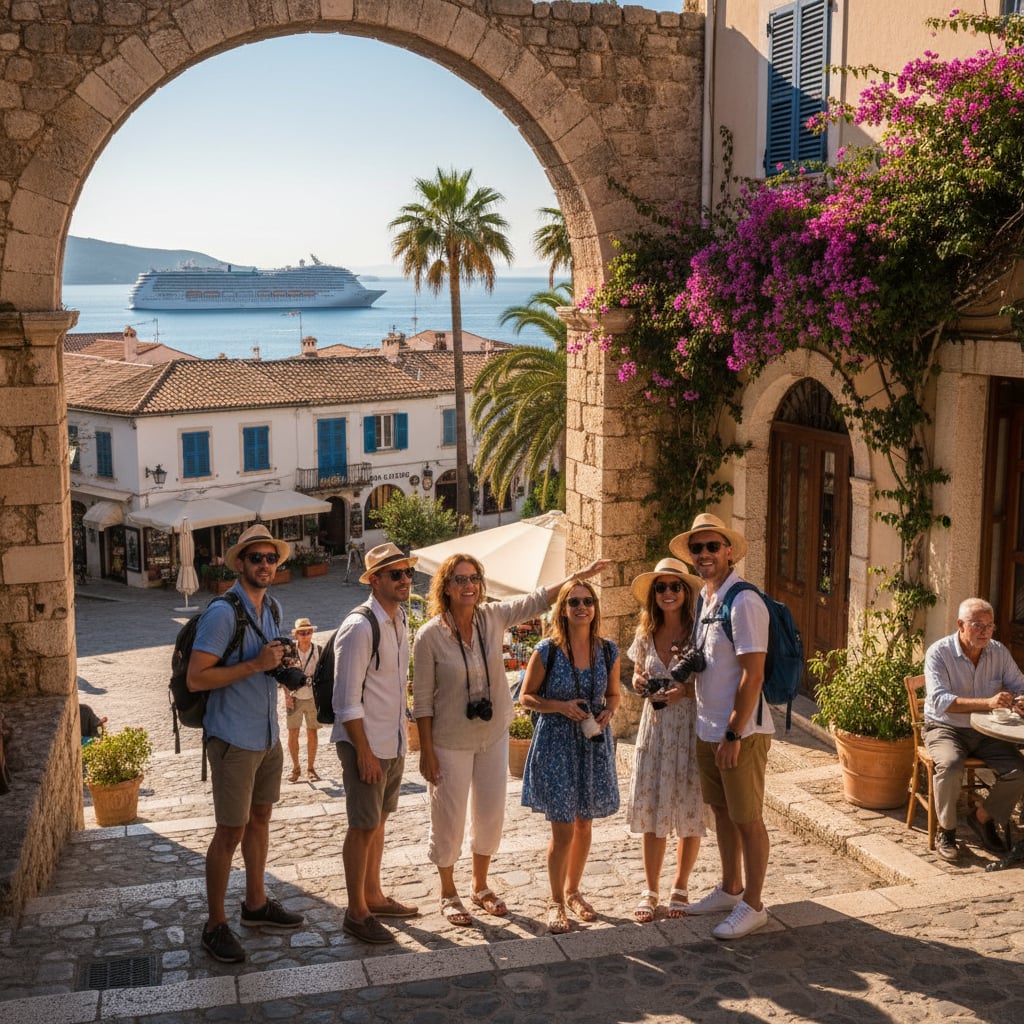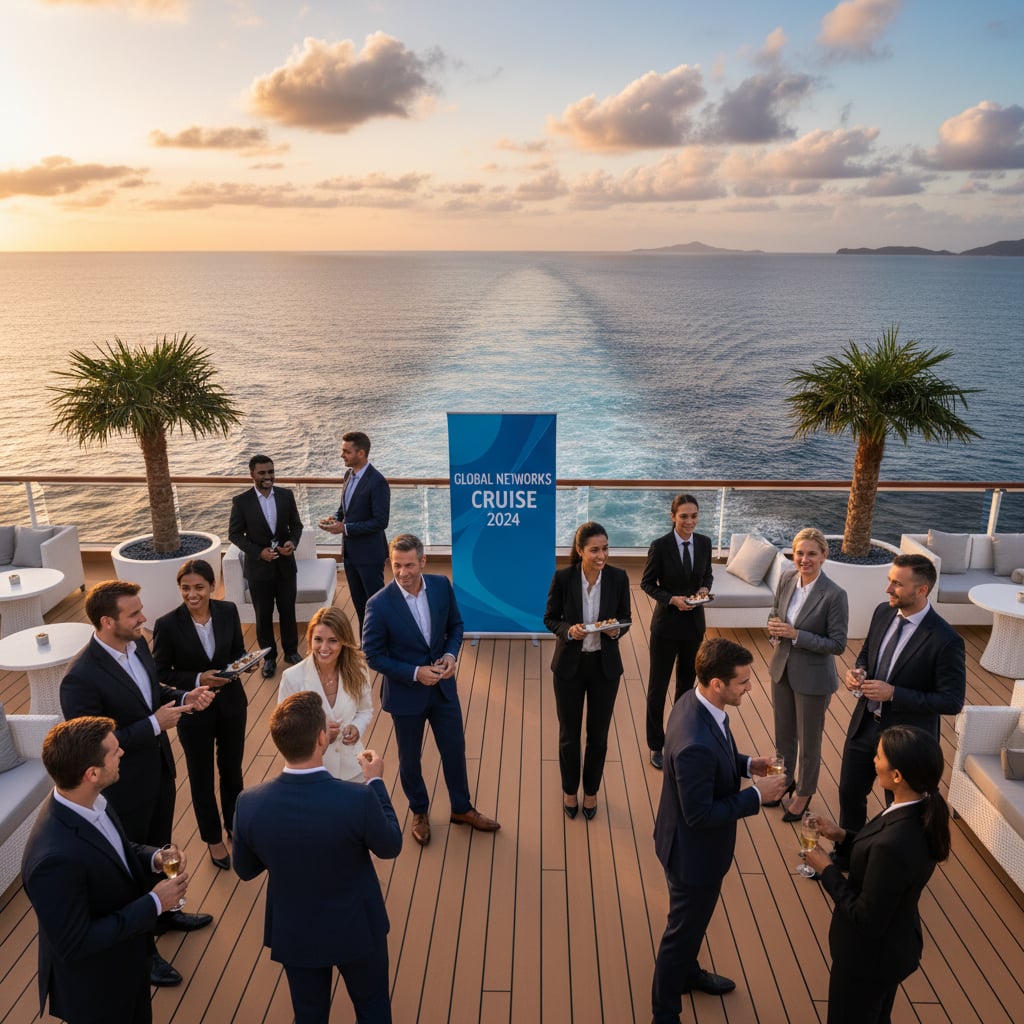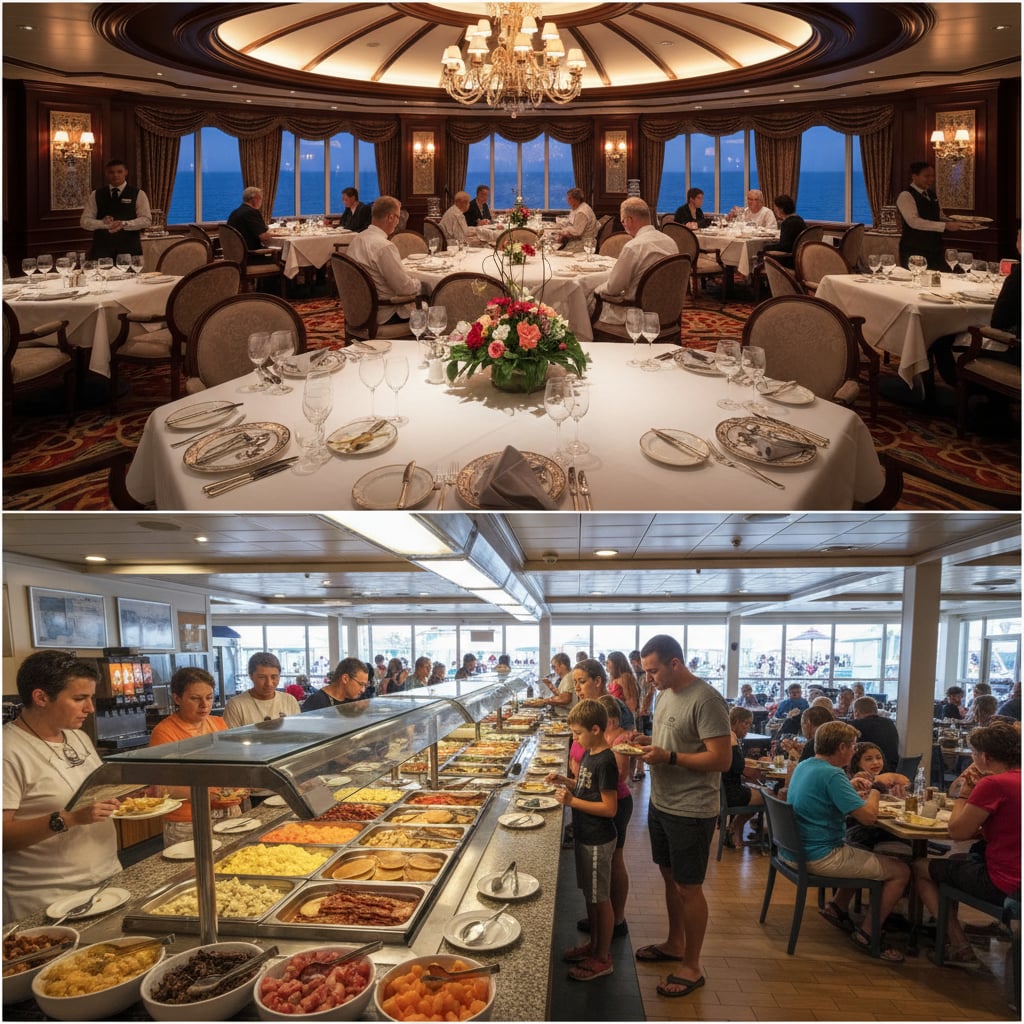
One of the most critical skills for cruise-specialized travel agents is accurately matching clients with appropriate cruise lines that align with their expectations, budget, and travel style. The cruise industry spans dramatic quality and pricing spectrums—from $75-per-day mass-market Caribbean sailings to $1,500-per-day ultra-luxury world cruises—each delivering fundamentally different vacation experiences despite the surface similarity of "cruising."
Mismatched expectations represent the primary source of cruise vacation dissatisfaction. A couple expecting intimate luxury who books mainstream pricing experiences disappointment with large-ship crowds and upcharge dining. Conversely, budget-conscious families paying luxury premiums for features they don't value feel they overpaid for their vacation.
Understanding the Cruise Industry Spectrum
The cruise industry is best understood as four distinct segments, each with different business models, target demographics, and value propositions:
Contemporary/Mass-Market Segment ($75-$150 per person per day)
Representative Lines: Carnival Cruise Line, Royal Caribbean International, Norwegian Cruise Line, MSC Cruises
Business Model: High-volume operations emphasizing entertainment, activities, and casual atmosphere. Revenue model combines moderate base fares with significant ancillary income from beverage packages, specialty dining, casino, spa, shopping, and shore excursions. Ships accommodate 2,000-6,800 passengers with resort-style programming.
Typical Pricing: 7-night Caribbean: $700-$1,400 per person (cruise only, inside to balcony cabin). European cruises 15-35% premium. Alaska 10-25% premium.
Target Demographics: Families with children and teens, multigenerational groups, first-time cruisers, budget-conscious travelers, active vacationers seeking entertainment and activities.
Commission Structure: 10-13% base, scaling to 14-16% for high-volume producers.
Premium Segment ($150-$300 per person per day)
Representative Lines: Celebrity Cruises, Princess Cruises, Holland America Line, Cunard, Disney Cruise Line
Business Model: Mid-market positioning balancing quality and value. Enhanced service standards, more refined dining, better crew-to-passenger ratios (1:2.3 versus 1:2.8 contemporary), and mature passenger focus. Ships accommodate 1,200-3,000 passengers with more sophisticated programming than contemporary but less intimate than luxury.
Typical Pricing: 7-night Caribbean: $1,200-$2,400 per person. Mediterranean: $1,500-$2,800 per person. Alaska: $1,400-$2,600 per person.
Target Demographics: Couples 45+, retirees, mature travelers seeking refined atmosphere without luxury pricing, cruisers graduating from contemporary lines.
Commission Structure: 12-15% base, scaling to 16-18% for volume producers and suite bookings.
Luxury Segment ($300-$600 per person per day)
Representative Lines: Oceania Cruises, Azamara, Viking Ocean Cruises, Windstar Cruises, Silversea Cruises
Business Model: All-inclusive or mostly-inclusive pricing covering specialty dining, premium beverages, gratuities, and often shore excursions and Wi-Fi. Smaller ships (200-750 passengers) enabling port access unavailable to mega-ships. Sophisticated itineraries emphasizing cultural immersion and destination focus over onboard entertainment. Crew-to-passenger ratios 1:1.5 to 1:1.8.
Typical Pricing: 7-night Mediterranean: $2,800-$5,500 per person all-inclusive. 10-night exotic itineraries: $4,500-$8,500 per person.
Target Demographics: Affluent couples 55+, experienced travelers, culturally-curious guests prioritizing enrichment, foodies appreciating culinary excellence.
Commission Structure: 15-18% base, potential 20% for preferred agency relationships and suite bookings.
Ultra-Luxury Segment ($600-$1,500+ per person per day)
Representative Lines: Regent Seven Seas, Seabourn, Silversea (expedition fleet), Crystal Cruises, Ritz-Carlton Yacht Collection
Business Model: Truly all-inclusive pricing covering virtually everything: unlimited premium spirits, pre-paid gratuities, unlimited shore excursions, business-class or first-class air (on select voyages), specialty restaurants, premium Wi-Fi, butler service in all accommodations. Ultra-small ships (100-600 passengers) with all-suite configurations. Crew-to-passenger ratios approaching 1:1.
Typical Pricing: 7-night Caribbean: $4,500-$9,500 per person fully inclusive. 10-night Mediterranean: $6,500-$14,000 per person.
Target Demographics: High-net-worth individuals, luxury hotel guests transitioning to cruising, travelers valuing exclusivity and personalized service.
Commission Structure: 16-20% base, potential higher percentages for top-producing agencies and owner's suite bookings.
Client Profiling Framework: Key Assessment Criteria
Successful cruise line matching begins with systematic client assessment across multiple dimensions:
Budget Analysis
Total Trip Budget: Understanding comprehensive budget including airfare, pre/post hotels, shore excursions, onboard spending, and gratuities provides accurate affordability assessment. Mainstream cruise pricing may appear accessible ($1,200 per person) but total trip costs with ancillaries reach $2,200-$2,800. Luxury cruises' higher upfront pricing ($4,500 per person) may only increase to $5,200 total when including fewer unbundled costs.
Value Definition: How clients define "value" dramatically impacts appropriate cruise line selection. Some travelers define value as lowest per-day cost regardless of experience quality. Others define value as best experience for money spent, accepting higher pricing for elevated quality.
Travel Experience Assessment
Cruise Experience Level: First-time cruisers generally best served by mainstream or premium lines providing comprehensive activity programming. Luxury cruising's refined atmosphere may feel underwhelming to first-timers expecting resort-style entertainment. Experienced cruisers (6+ cruises) often seek elevation beyond mass-market experiences.
Land Travel Patterns: Clients' land vacation preferences provide cruise line matching insights. Guests who book four-star chain hotels typically align with premium cruise lines. Five-star boutique hotel guests align with luxury or ultra-luxury cruise segments. Budget hotel users generally align with mainstream cruise options.
Demographic and Lifestyle Factors
Age and Life Stage: Young families (children under 12) match well with mainstream lines offering kids clubs and family-friendly dining. Couples 30-50 without children suit premium lines or adult-focused mainstream. Couples 50+ align well with premium or luxury lines. Mature travelers 65+ match Holland America, Cunard, or luxury lines.
Activity vs. Relaxation Orientation: Active vacationers suit mainstream lines with extensive activity programming. Balanced travelers match premium lines offering activities without frenetic pace. Relaxation seekers align with luxury lines featuring spa focus and quiet adult pools.
Dining and Culinary Priorities
Dining Importance: Low priority (dining is fuel) suits mainstream lines. Moderate priority matches premium lines delivering consistently good dining. High priority (foodie travelers) requires luxury lines with chef-curated menus and wine programs.
Strategic Recommendations by Client Profile
Budget-Conscious Family (2 adults, 2 kids ages 8 and 12)
Best Matches: Carnival Cruise Line (strong kids programs, lowest pricing), Royal Caribbean older ships (Adventure Ocean kids program), Norwegian (freestyle dining flexibility).
Agent Positioning: "For families wanting maximum value with excellent kids programs, these lines deliver fun vacation experiences without breaking the budget."
Couples Age 35-50, No Kids, Active Lifestyles
Best Matches: Celebrity Cruises (modern luxury positioning), Virgin Voyages (adults-only, modern vibe), Azamara (destination-intensive itineraries).
Agent Positioning: "These lines appeal to sophisticated travelers who appreciate quality and design without needing ultra-luxury pricing."
Retiree Couple 65+, Experienced Travelers, Cultural Interests
Best Matches: Oceania Cruises (destination focus, excellent culinary), Viking Ocean Cruises (culturally-immersive itineraries), Holland America (traditional cruising with enrichment).
Agent Positioning: "These lines cater to experienced travelers who prioritize cultural immersion and intellectual enrichment over entertainment."
High-Net-Worth Couple, Anniversary Celebration
Best Matches: Regent Seven Seas (truly all-inclusive including business-class air), Seabourn (ultra-luxury yacht-style), Silversea (butler service in all suites).
Agent Positioning: "For your anniversary celebration, these ultra-luxury lines deliver experiences comparable to five-star resorts at sea with personalized service."
Managing Expectations and Educating Clients
Successful cruise sales require client education about segment differences beyond pricing. Create visual comparison charts showing what's included versus additional-cost across cruise segments. Use deck plans and passenger capacity numbers to illustrate scale differences. Explain crew-to-passenger ratios and what they mean practically for service levels.
Commission Optimization While Serving Client Interests
Ethical agents prioritize appropriate client matching over maximum commission, but strategic approaches optimize revenue without compromising recommendations. When clients' budgets allow flexibility, emphasize suite benefits with enhanced commission rates. Recommend 10-14 night cruises generating higher absolute commission than 7-night equivalents.
Package bundling with pre/post hotel stays and transfers generates additional commission while providing superior client service.
Conclusion: Consultative Expertise as Competitive Advantage
In an era of online cruise booking platforms, travel agents' sustainable competitive advantage lies in consultative expertise that matches clients with cruise lines delivering satisfaction and repeat business. Clients mismatched with inappropriate cruise lines create service headaches and no repeat bookings. Properly matched clients become advocates and referral sources.
Success requires moving beyond transactional booking to consultative selling. The most successful cruise agents develop deep expertise in 6-8 cruise lines spanning multiple segments, enabling informed comparative recommendations rather than superficial awareness of 20+ lines.
Ready to develop your consultative cruise selling expertise? Contact DMC Quote for cruise line partnership opportunities and client profiling tools.