The Tokyo-Kyoto-Osaka Golden Route remains Japan's most profitable travel circuit for agents worldwide, delivering consistent commissions of 12-18% across hotels, tours, and transportation. With Japan welcoming over 25 million visitors in 2024 and favorable exchange rates continuing, first-time Japan packages represent exceptional opportunities for B2B agents seeking reliable, high-margin products.
Why the Golden Route Dominates Japan Tourism
This three-city circuit captures Japan's full spectrum in digestible format: Tokyo's neon-lit futurism, Kyoto's temple serenity, and Osaka's culinary excellence. The typical 7-10 day itinerary provides comprehensive Japan exposure without overwhelming first-timers, while Shinkansen bullet train connectivity means minimal transit time and maximum client satisfaction.
For agents, the Golden Route offers standardized logistics, established supplier networks, and proven package templates. Well-structured 10-day itineraries generate $400-800 commission per traveler through strategic layering: accommodation (12-18%), tours and experiences (15-20%), JR Rail Pass (8-12%), airport transfers (15-20%), and travel insurance (20-30%).
The route's reliability stems from mature infrastructure: English signage throughout, exceptional public safety, predictable service standards, and comprehensive tourism support. Client satisfaction rates exceed 95%, driving repeat business and referrals that compound agent profitability.
Tokyo: The Electric Gateway (3-4 Days Optimal)
Essential Tokyo Experiences for First-Timers:
Position clients in Shinjuku or Shibuya districts for maximum Tokyo energy. The Shibuya Crossing scramble, Meiji Shrine's tranquil forest setting, and Harajuku's youth culture provide quintessential Tokyo moments within walking distance. Dedicate one full day to Asakusa's Senso-ji Temple and traditional Nakamise shopping street for cultural depth.
The Tsukiji Outer Market (inner market relocated but outer market thrives) delivers authentic food experiences best visited early morning (7-9 AM). TeamLab Borderless digital art museum in Odaiba creates Instagram-worthy experiences justifying premium package positioning. Tokyo Skytree or Mori Tower observation decks provide stunning city panoramas, particularly at sunset transitioning to night.
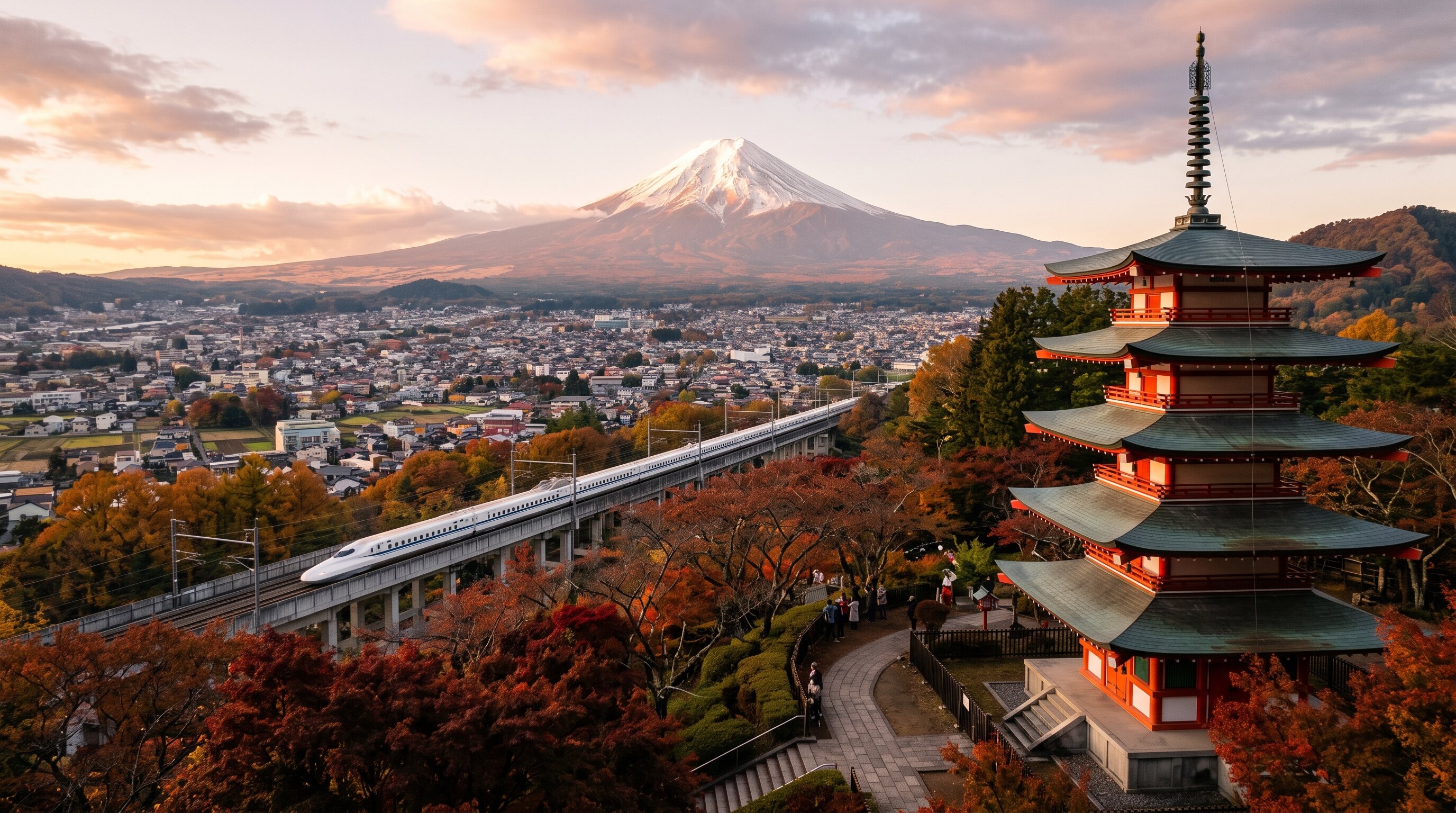
Day trips significantly enhance package value and justify higher pricing: Mt. Fuji and Hakone combination tours ($120-180 per person) consistently rate as trip highlights. The Hakone circuit includes Lake Ashi boat ride, ropeway to sulfur valley, and potential Fuji views weather permitting. Position these as non-negotiable inclusions for first-timers rather than optional add-ons.
Tokyo Hotel Strategy by Commission Tier:
Luxury segment (15-18% commission): Park Hyatt Tokyo (Shinjuku, Lost in Translation fame), Aman Tokyo (Otemachi, minimalist elegance), Peninsula Tokyo (Marunouchi, imperial palace proximity). These properties deliver exceptional service, prime positioning, and room rates supporting strong commission revenue. Target affluent travelers, honeymooners, and special occasion trips.
Mid-range segment (12-15% commission): Hotel Gracery Shinjuku (Godzilla head feature), Mitsui Garden Hotels chain (multiple locations), Sotetsu Fresa Inn properties. Excellent quality-to-price ratios with strategic station proximity. Clean, efficient, modern—everything first-timers need without luxury premiums. This tier drives volume business.
Budget segment (10-12% commission): Tokyu Stay properties (kitchenettes included), APA Hotels (compact efficiency), Super Hotel chain (free breakfast, onsen baths). Perfect for independent travelers, younger demographics, and cost-conscious clients. Lower commission rates but higher velocity if positioned correctly.
Kyoto: The Cultural Heart (3-4 Days Recommended)
Kyoto Temple Circuit Strategy:
Kyoto demands careful day planning due to attraction dispersion across the city. The Fushimi Inari Shrine with its 10,000 vermillion torii gates works best at sunrise (6-7 AM) before tour groups arrive. The full summit hike takes 2-3 hours; most tourists photograph the initial gates only, creating atmospheric opportunities for early risers.
The Arashiyama district combines efficiently: iconic Bamboo Grove, Tenryu-ji Temple's beautiful gardens, Togetsukyo Bridge, and riverside dining create perfect half-day western Kyoto experiences. Time visits for morning or late afternoon to avoid midday crowds.
Northern Kyoto's Kinkaku-ji (Golden Pavilion) ranks among Japan's most photographed sites. Pair with nearby Ryoan-ji Temple's famous rock garden for philosophical Zen experiences. The compact pairing allows morning completion with afternoons free for downtown exploration or additional temples.
The Gion district evening walk, timed for potential geisha sightings around 6-7 PM as they move between ochaya (teahouses), provides cultural highlights without structured tours. However, formal geisha experiences require advance booking through specialized agencies ($200-400 per person for dinner and performance).
Traditional tea ceremony experiences ($50-90 per person) add cultural depth. Recommend reputable providers like Camellia, En, or Maikoya for authentic ceremonies with English explanation. Position as educational experiences rather than tourist shows.
Seasonal Pricing Opportunities:
Cherry blossom season (late March to early April, specific timing varies annually) and autumn foliage (November) command 20-30% pricing premiums across hotels and tours. The Philosopher's Path during these seasons justifies premium positioning. Book 4-6 months ahead for peak dates as inventory sells out.
Kyoto's temple entry fees are minimal ($3-5 USD each), but cumulative costs add up. Consider purchasing Kyoto City Bus passes (¥700/$5 for unlimited day travel) as package inclusions for clients doing independent temple visiting between guided tours.
Kyoto Accommodation Strategy:
Traditional ryokan experiences (18-22% commission): Tawaraya, Hiiragiya Ryokan, Yoshikawa Inn. These century-old properties offer kaiseki dining, tatami rooms, yukata robes, and onsen baths. High rates ($400-800+ per night) generate strong commission revenue. Position for honeymooners, cultural enthusiasts, and luxury travelers seeking authentic Japan experiences.
Modern luxury hotels (15-18% commission): Ritz-Carlton Kyoto (riverside elegance), Hyatt Regency Kyoto (contemporary Japanese design), Four Seasons Kyoto (8-acre gardens). Western comfort standards with Japanese refinement. These properties suit clients wanting cultural immersion with familiar luxury hospitality.
Mid-range reliability (12-15% commission): Hotel Nikko Princess Kyoto (station proximity), Mitsui Garden Hotel Kyoto Sanjo (historic district location), Daiwa Roynet Hotels (multiple locations). Consistent quality, reasonable pricing, strategic positioning. The workhorse tier for mainstream packages.
Location matters critically in Kyoto. Position clients near Kyoto Station for Shinkansen convenience and bus hub access, or in Gion/Higashiyama districts for atmospheric charm and walking access to eastern temples. Downtown Kawaramachi offers dining and shopping proximity.
Osaka: The Kitchen of Japan (2-3 Days Finale)
Osaka's Unique Culinary Appeal:
Position Osaka as the Golden Route's vibrant culinary finale, providing energetic contrast to Kyoto's serenity. The Dotonbori district's neon chaos, mechanical crab signs, and street food culture deliver iconic urban Japan experiences. Evening visits (7-10 PM) capture maximum energy when restaurants, bars, and entertainment venues fully activate.
Osaka's street food culture centers on three specialties: takoyaki (octopus balls), okonomiyaki (savory pancakes), and kushikatsu (deep-fried skewers). Guided food tours ($70-120 per person) provide context, language assistance, and local knowledge that independent exploration cannot match. Position these as evening activities combining dinner with cultural experience.
Osaka Castle, while concrete reconstruction rather than original structure, offers historical context and beautiful surrounding grounds. The observation deck provides city panoramas. Pair with nearby Osaka Museum of History for deeper historical understanding.
The Kuromon Ichiba Market delivers authentic local food market experiences away from primary tourist crowds. Morning visits (8-10 AM) show the market at peak activity with fresh seafood, produce, and prepared foods. More local-focused than Tokyo's Tsukiji, creating differentiated experiences.
Day Trip Value Additions:
Nara day trips ($70-100 per person) combine easily with Osaka stays: Todai-ji Temple's massive bronze Buddha, Nara Park's semi-wild deer (bring deer crackers for interactive experiences), and Kasuga Taisha Shrine's lantern-lined paths. The compact site allows half-day visits with afternoon return to Osaka.
Himeji Castle ($110-150 for full-day tours from Osaka) represents Japan's finest surviving original castle. UNESCO World Heritage status and dramatic hilltop positioning justify premium tour pricing. The white fortress delivers iconic Japan imagery. Combine with Koko-en Garden for comprehensive experiences.
Universal Studios Japan appeals to family segments and anime/manga enthusiasts. The Super Nintendo World section drives particular interest. Full-day affair requiring dedicated day allocation. Theme park tickets plus transport ($130-180 per person) add substantial revenue to family packages.
Osaka Hotel Positioning:
Premium tier (15-18% commission): Conrad Osaka (modern luxury with views), St. Regis Osaka (Midosuji boulevard elegance), InterContinental Osaka (Grand Front complex). These properties target business travelers and luxury tourists with exceptional facilities and service.
Mid-tier workhorse (12-15% commission): Swissotel Nankai Osaka (direct Namba station connection), Hotel Monterey Grasmere Osaka (art nouveau design), Cross Hotel Osaka (contemporary style). Strong locations, reliable quality, mainstream pricing. Core product for standard packages.
Value segment (10-12% commission): Dormy Inn chain (natural hot spring baths, free ramen night service), Vessel Hotels (generous rooms, free breakfast), Comfort Hotels (reliable international standards). Target budget-conscious travelers without compromising safety or cleanliness.
Cluster clients in Namba, Shinsaibashi, or Umeda districts for walkable access to dining, shopping, and attractions. Osaka's excellent subway system provides easy mobility, but proximity to entertainment districts enhances evening experiences.
Japan Rail Pass Optimization Strategy
The 7-day JR Pass (ordinary class) costs approximately $280 and includes unlimited Shinkansen bullet train travel (except Nozomi fastest trains), JR local trains, and JR buses. The pass breakeven point occurs around 2-3 long-distance Shinkansen trips, making it valuable for Tokyo-Kyoto-Osaka circuits.
Tokyo to Kyoto Shinkansen (unreserved): $120 one-way. Kyoto to Osaka: $25. Osaka to Tokyo return: $120. Total point-to-point cost: $265+. The JR Pass saves money while providing flexibility.
Book JR Passes as package inclusions with 8-12% markup rather than selling separately at NET rates. This approach provides client convenience (delivered to hotel or exchange at airport) while protecting margins. Position as "unlimited train travel" rather than focusing on specific trips to emphasize value.
Consider 14-day passes ($450) for extended itineraries including Hiroshima, Takayama, or Hokkaido. The per-day cost decreases substantially, justifying upgrades for comprehensive Japan exploration.
Green Car (first class) passes ($380 for 7 days) offer reserved seating, more space, and power outlets. Upsell to business travelers, luxury segments, and older travelers valuing comfort. The $100 premium generates incremental commission.
IC cards (Suica/Pasmo rechargeable transport cards, $20-50 preloaded) should be included for non-JR local transport, convenience store purchases, and vending machines. These cards work nationwide and eliminate ticket-buying complexity.
Visa Requirements and Entry Procedures
Japan offers visa-free entry to 68 countries for tourism purposes: Most Western nations (US, Canada, UK, EU) receive 90-day stays. Asian neighbors including Singapore, Malaysia, Thailand, Hong Kong receive 15-90 days depending on country. Gulf states including UAE and Qatar receive 90 days.
Chinese nationals require tourist visas processed through Japanese consulates or authorized travel agencies. Single-entry visas typically grant 15-30 day stays. Processing takes 5-7 business days with fees around $30-60. Sufficient for Golden Route itineraries but requires advance planning.
Indian nationals require tourist visas through VFS Japan visa application centers. Processing takes 7-10 business days. Fees around $25-40. Documentation requirements include hotel bookings, flight confirmations, bank statements, and employment letters.
Southeast Asian nations (Philippines, Vietnam, Indonesia) have varying requirements from visa-free (15-30 days) to visa-required depending on specific nationality. Verify requirements during booking process.
The Japan eVisa system launched 2024 for selected countries, allowing online applications eliminating consulate visits. Processing takes 3-5 business days. Currently available for limited nationalities but expanding. This streamlines visa procedures significantly where available.
Build visa processing fees and assistance into package pricing where applicable. Partner with reliable visa processing agencies offering volume discounts for agency bookings. Factor 10-14 days processing time into booking timelines for visa-required nationalities.
Tour Experiences and Activity Recommendations
Tokyo Guided Tours: Mt. Fuji and Hakone full-day combination tours ($120-180) consistently rate as trip highlights and should be non-negotiable inclusions. Tsukiji Outer Market food tours ($80-120) combine breakfast with culinary education. Robot Restaurant in Shinjuku ($60-90) offers bizarre entertainment appealing to specific demographics. Sumo morning practice viewings ($50-80) provide unique cultural experiences but require 6 AM starts.
Kyoto Cultural Experiences: Fushimi Inari and Nara combination day tours ($90-130) efficiently combine two major sites. Gion district evening walking tours ($40-70) provide geisha culture context and historical background. Traditional tea ceremony experiences ($50-90) add cultural depth beyond sightseeing. Kimono rental with professional photos ($30-60) creates Instagram content clients value.
Osaka Activities: Nara day trips ($70-100) make excellent half-day excursions. Himeji Castle full-day tours ($110-150) appeal to history enthusiasts and photographers. Japanese cooking classes ($80-140) teach okonomiyaki or sushi preparation. Guided Dotonbori food tours ($70-120) combine dinner with cultural education and language assistance.
The optimal tour mix provides 4-5 guided days across 10-day itineraries, balancing structured experiences with independent exploration. Over-programming creates fatigue; under-programming leaves clients overwhelmed by language barriers and navigation challenges.
Position half-day tours for flexible scheduling and cost management. Full-day tours work for distant destinations (Mt. Fuji, Nara, Himeji). Evening tours utilize time efficiently and create memorable experiences.
Commission Structures and Profit Maximization
Standard Japan package commissions break down as follows: Hotels 12-18% (higher tiers command higher commission rates), tours and experiences 15-20% (private tours often 20-25%), JR Rail Pass 8-12% (lower margin but significant absolute value), airport transfers 15-20%, travel insurance 20-30% (highest margin component).
Build comprehensive packages bundling all components to maximize per-booking revenue. Unbundled "land-only" packages miss insurance commission and reduce control. Full-service packages generate higher absolute commission while providing better client experiences through seamless logistics.
A well-structured 10-day Golden Route package generates $400-800 commission per traveler depending on accommodation tier and inclusion level. Budget packages ($2,000 per person) generate $350-450 commission. Mid-range packages ($3,000) generate $500-650. Luxury packages ($5,000+) generate $800-1,200.
Upsell opportunities compound profitability: Ryokan stays (higher commission rates and room rates), premium JR Pass Green Car upgrades, private tours (vs. group tours), travel insurance premium plans, pocket WiFi devices, and cultural experiences like tea ceremonies or geisha dinners.
Every 10% upsell improvement increases overall package margins by 3-5%. Focus on value-added upgrades that enhance client experiences while improving profitability. Position upgrades as experience enhancers rather than cost additions.
Package Templates and Pricing Models
Classic Golden Route 7-Day Package:
Tokyo (3 nights, 4-star hotel) → Kyoto (2 nights, 4-star hotel) → Osaka (2 nights, 4-star hotel)
Inclusions: Accommodation with breakfast, 7-day JR Pass, airport arrival transfer, Tokyo-Mt. Fuji day tour, Kyoto temples half-day tour, Nara day trip from Osaka
Price point: $1,800-2,500 per person (twin share)
Target margin: 25-30%
Commission: $450-625 per person
Target market: First-time Japan visitors, couples, mainstream travelers
Luxury Golden Route 10-Day Package:
Tokyo (4 nights, Park Hyatt) → Hakone (1 night, traditional ryokan with kaiseki dinner) → Kyoto (3 nights, heritage ryokan) → Osaka (2 nights, Conrad Osaka)
Inclusions: Luxury properties with meals, 7-day JR Pass Green Car, private airport transfers, private guided tours: Mt. Fuji, Kyoto temples, Nara, traditional tea ceremony, geisha dinner experience
Price point: $4,500-6,500 per person
Target margin: 30-35%
Commission: $1,350-1,950 per person
Target market: Luxury travelers, honeymooners, anniversary trips, culturally-focused travelers
Family-Friendly Golden Route 9-Day Package:
Tokyo (4 nights including Tokyo Disneyland day, family rooms) → Kyoto (2 nights, spacious rooms) → Osaka (3 nights including Universal Studios Japan day, family suites)
Inclusions: Family-sized accommodation, 7-day JR Pass (children discounted), theme park tickets, family-friendly tours with kid-appropriate pacing, airport transfers
Price point: $2,200-3,200 per person (2 adults + 2 children configuration)
Target margin: 28-32%
Commission: $550-900 per family member
Target market: Families with children ages 6-15, multi-generational family trips
Best Time to Visit and Seasonal Pricing Strategies
Peak seasons (cherry blossom late March-early April, autumn foliage November) command 30-50% pricing premiums but guarantee sales. Hotels, tours, and even restaurants require advance booking 3-6 months ahead. Client demand peaks 4-6 months before travel as cherry blossom forecasts release.
Summer (July-August) offers festival culture (Gion Matsuri in Kyoto, Tenjin Matsuri in Osaka) despite heat and humidity (28-35°C with high humidity). Position for families constrained by school holidays. Price slightly below spring/autumn but above winter.
Winter (December-February) provides excellent value and smaller crowds. Cold temperatures (0-10°C) require appropriate client advisories, but clear skies offer stunning Mt. Fuji visibility. Ski resorts in Hakone and nearby mountains add winter activity options. Price 20-30% below peak season while maintaining margins.
Shoulder seasons (May-June, September-October) deliver optimal weather, manageable crowds, and strong margins. May's golden week (first week) sees domestic Japanese travel surges requiring avoidance. June has rainy season but lighter tourism. September-October provides ideal conditions—position aggressively as "best value best weather" periods.
Risk Management and Client Expectations
Set clear expectations about Japanese hotel room sizes (15-20 square meters is standard for mid-range properties, smaller than Western equivalents). Frame as "efficient Japanese design" rather than "small rooms" to manage perceptions.
Walking distances and daily step counts typically reach 10,000-15,000 steps (5-7 miles). Advise comfortable walking shoes and appropriate fitness levels. Temples involve stairs and uneven surfaces; assess client mobility limitations during booking.
Language barriers exist outside major tourist areas, though English signage has improved substantially. Many restaurants offer picture menus or plastic food displays. Station staff speak basic English. However, clients should expect navigation challenges adding to adventure.
Build contingency plans for common issues: JR Pass exchange delays at arrival, sold-out attractions (particularly Studio Ghibli Museum requiring advance online booking), weather disruptions affecting Mt. Fuji visibility. Establish 24/7 local support contacts through DMC partners or tour operators.
Travel insurance should be mandatory in all packages, protecting both clients and agency liability. Partner with insurers offering Japan-specific coverage including earthquake provisions, natural disaster coverage (typhoons possible August-October), and medical evacuation given high Japanese healthcare costs for non-residents.
Marketing the Golden Route to B2B Clients
Position Japan packages as "premium-yet-accessible luxury"—clients receive world-class experiences at lower costs than European equivalents. Emphasize safety (Japan ranks among world's safest countries), cleanliness (spotless cities and facilities), efficiency (trains running to-the-second), and unique culture unavailable elsewhere.
Leverage social media content, particularly Instagram-worthy locations: Fushimi Inari's torii gates, Shibuya Crossing time-lapse, cherry blossom spots, Arashiyama Bamboo Grove, Osaka Dotonbori neon. Provide clients with photo location guides as value-adds.
Create seasonal campaigns around cherry blossom (January-February booking window for March-April travel), autumn foliage (June-July booking for November), and winter skiing (September-October booking for December-February). Email campaigns 4-6 months before peak seasons capitalize on planning cycles.
Develop agent training materials highlighting key selling points: Japan safety and cleanliness, efficient transportation eliminating rental car needs, incredible food culture from street food to Michelin stars, technology and tradition contrasts, and strong value despite premium positioning.
Address common objections proactively: "Japan is too expensive" → Demonstrate value compared to European destinations with similar quality. "Language barriers are too difficult" → Emphasize English signage, translation apps, and guided tour inclusions. "Food is strange" → Highlight familiar options (Japanese curry, tempura, yakitori) alongside adventurous options.
Conclusion and Next Steps
The Tokyo-Kyoto-Osaka Golden Route remains Japan tourism's foundation for excellent reasons: comprehensive destination coverage, reliable logistics, established supplier networks, proven client satisfaction, and strong commission potential. Master this circuit's intricacies—hotel tier strategies, JR Pass optimization, seasonal timing, tour balancing—to build reliable, profitable Japan programming serving first-time visitors year-round.
The Golden Route provides the foundation for Japan specialization. Once agents master these fundamentals, expansion opportunities include: extending itineraries to Hiroshima and Miyajima (peace memorial, floating torii gate), adding Takayama and Kanazawa (Japanese Alps, traditional villages), incorporating Hakone multi-night stays (onsen resort experiences), or developing Hokkaido skiing packages (December-March).
For booking support, NET rate access, and customized Japan program development, contact our Japan destination specialists or access our B2B portal for exclusive agent pricing on hotels and tours. Our Japan desk provides 24/7 support, real-time availability, and commission protection for agency bookings.