Japan has changed five rules in 2026 that touch what you quote and what you tell clients before they fly, and the biggest one has not happened yet. From 1 November 2026, tax-free shopping in Japan stops being tax-free at the till. Visitors will pay the full price, including consumption tax, and claim the tax back at the airport once customs confirms the goods are leaving the country. Add the tripled departure tax, the first visa fee revision since 1978, the new Kyoto hotel tax and a planned travel authorisation, and a Japan quote built in spring 2026 can be wrong in four places.
Selling Japan this winter? Our Japan B2B travel portal gives registered agents net rates on 1,200+ Japan hotels plus transfers and tours.
This guide is written for travel agents and tour operators, not shoppers. It covers the Japan tax-free changes and the four other rule changes, the exact dates, which of your source markets each change actually affects, and the lines you need to add to quotes and client briefings. Where a rule differs by nationality, we've said so, because the headline numbers in the news don't apply to every market.
Key Takeaways
- From 1 November 2026, tax-free shopping in Japan becomes a refund system: clients pay 10% consumption tax at the shop and get it back after a customs check at departure.
- The refund procedure must be done before check-in, with every item from each receipt in hand. One missing item voids the whole receipt.
- The International Tourist Tax (departure tax) in Japan rose from ¥1,000 to ¥3,000 per departure on 1 July 2026. Children under 2 and transit passengers leaving within 24 hours are exempt.
- The Japan visa fee rose to ¥15,000 single and ¥30,000 multiple entry on 1 July 2026, but Indian applicants still pay a flat ₹500 and Filipino tourist visas remain free.
- The Kyoto accommodation tax now runs from ¥200 to ¥10,000 per person per night, and it is usually paid at check-in, outside your net rate.
Japan 2026 Changes at a Glance
Here is the full list in one place. Pin it next to your Japan rate sheet.
| Change | Effective | Who it affects | What you change |
|---|---|---|---|
| Tax-free shopping becomes a refund system | 1 November 2026 | Every foreign visitor who shops tax-free | Client briefing, departure-day timing, airport transfer pickup |
| International Tourist Tax ¥1,000 → ¥3,000 | Departures from 1 July 2026 | Every passenger leaving Japan, any nationality | Air fares inside packages, held quotes |
| Visa fee ¥3,000 → ¥15,000 (single), ¥6,000 → ¥30,000 (multiple) | Applications from 1 July 2026 | Visa-required nationalities, with exceptions such as India and the Philippines | Visa line on the quote, by nationality |
| Kyoto accommodation tax, up to ¥10,000 per person per night | 1 March 2026 | Every hotel guest in Kyoto city except school trips | "Payable locally" note on Kyoto hotels |
| JESTA electronic travel authorisation | Planned for fiscal 2028 | Visa-exempt nationalities | Nothing yet; watch for the launch date |
Japan Tax-Free Changes November 2026: How the New Refund System Works
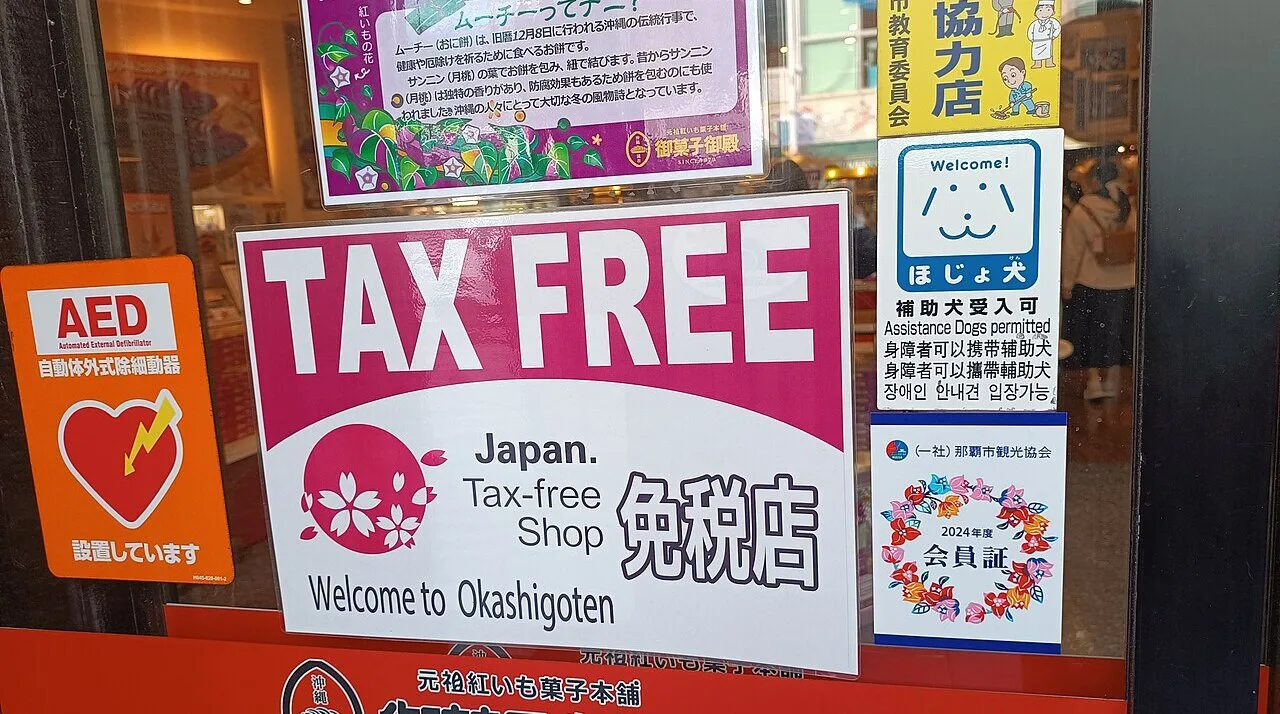
Until 31 October 2026, a tourist shows a passport at a tax-free shop and simply doesn't pay the consumption tax. That is the system your clients know. From 1 November 2026, the National Tax Agency switches to what it calls the refund method. The shop charges the full tax-inclusive price, and the tax comes back only after customs has confirmed at departure that the goods are leaving Japan.
Consumption tax in Japan is 10% on most goods and 8% on food and non-alcoholic drinks. So a client buying a ¥200,000 camera in Akihabara now pays ¥220,000 on the card and waits for ¥20,000 to come back.

The refund process, step by step
- Buy at a tax-free shop. The minimum is still ¥5,000 before tax, per shop, per day. The client pays the full price, including tax.
- Pick a refund method at the shop. Depending on the retailer or its refund service, this can be a credit card refund, a bank transfer, an app transfer or cash at the airport. Each shop sets its own options.
- Keep every receipt and every item together. Customs inspects each receipt separately. If one item from a receipt is missing, none of the items on that receipt qualify.
- At the departure airport, before check-in, the client scans their passport at a tax-free procedure terminal in the international departure lobby. At Narita, Haneda, Kansai, Chubu, Fukuoka, New Chitose and Naha, the procedure can also be started on Visit Japan Web in designated areas.
- Green result: no inspection, the procedure is complete. Red result: the client takes the purchases to the customs inspection area.
- Customs confirms the export, and the shop or its refund service pays back the tax through the method chosen at purchase.
The rules that changed, and the ones that did not
- Same: the ¥5,000 minimum per shop per day, before tax. Gold and platinum bullion are still excluded.
- Gone: the split between consumables (food, drinks, cosmetics) and general goods. Both follow one set of rules now.
- Gone: the ¥500,000 cap on consumables per trip.
- Gone: the sealed special packaging for consumables. But consumables still can't be eaten or used in Japan. Anything that was used must be declared to a customs officer, not scanned at the terminal.
- New: one 90-day window. Goods must be taken out of Japan within 90 days of purchase. Before, consumables had 30 days and general goods six months.
- New: the business-use declaration is gone. Instead, purchases are limited to what the traveller can personally carry out of Japan.
- New: the departure procedure is mandatory. No customs confirmation, no refund.
The Japan National Tourism Organization has a plain-language explainer you can send clients: JNTO's guide to the new tax-free shopping system.
What the Japan Tax-Free Changes Mean for Your Clients' Trip
For a client who buys a few souvenirs, not much changes. For your shopping-heavy clients, and that is a lot of the Indian, Filipino, Middle Eastern and Southeast Asian families and groups who go to Japan, the departure day changes completely. Here is where we'd expect friction.
Departure day needs more time
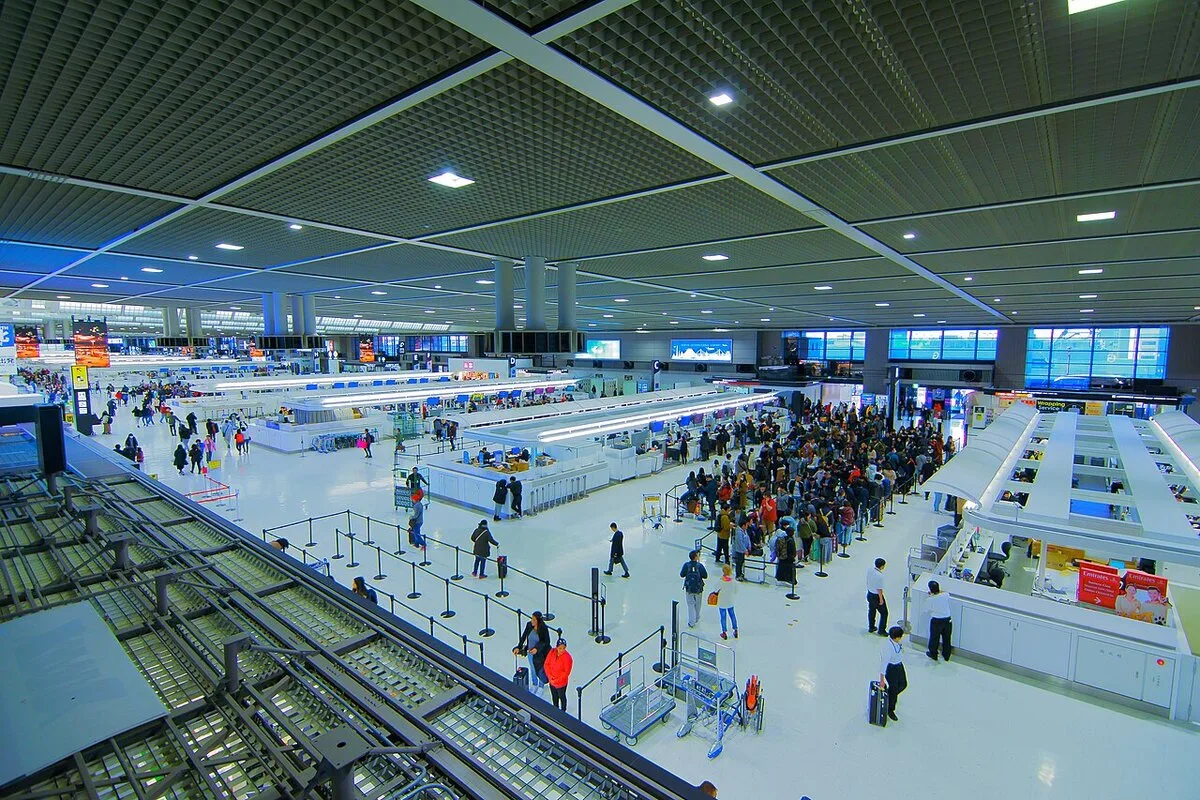
The procedure happens before check-in, and a red result sends the client to an inspection queue. Customs and airlines both state they won't compensate a passenger who misses a flight because of the procedure. For clients carrying a lot of tax-free shopping, we'd move the hotel-to-airport pickup earlier, by 30 to 45 minutes, and say why on the voucher. If you book their airport transfers through us, set the pickup time with that buffer in mind.
Packing has to wait
Here is the mistake clients will make: they pack all their shopping into the big suitcase the night before. Once a bag is checked with the airline, it can't be retrieved for the procedure. Tell clients to keep tax-free purchases in a bag they can open in the departure lobby, and to check it in only after the terminal shows green or customs has cleared it.
Cash flow and card limits
The client now pays the tax up front. On a ¥500,000 shopping trip, that is ¥50,000 extra on the card until the refund lands, and refunds can take days or weeks depending on the method. Families planning big purchases, like electronics, watches or luxury bags, should know before they leave home that their card limit needs headroom.
Trips that cross 1 November
A client in Japan from 28 October to 5 November gets both systems. Purchases up to 31 October are tax-free at the till under the old rules. Purchases from 1 November follow the refund method. Tell these clients to keep the two sets of receipts apart.
Multi-city and fly-and-cruise trips
The procedure is done at the final point of international departure. A client flying Sapporo to Haneda and then home does it at Haneda. Cruise passengers do it at the last port, and need their landing permit as well as their passport and receipts.
Group tours
If you run Japan group departures, the coach schedule on the last day needs a customs slot. Brief the tour leader to collect receipts by passenger, keep shopping bags out of the hold until the procedure is done, and plan for some passengers getting a red result. A 30-person group that used to walk straight to check-in won't do that any more.
A Client Briefing You Can Copy
We'd send something like this with every Japan voucher from now on:
"Shopping in Japan from 1 November 2026: tax-free shops now charge the full price, including 10% tax. You get the tax back when you leave Japan. Keep every receipt with the items it lists, and don't pack your shopping in checked luggage. At the airport, before check-in, scan your passport at the tax-free terminal. If it shows red, take your purchases to customs. Please arrive at the airport early. One missing item cancels the refund for that whole receipt."
Short and blunt works. Clients skim.
Japan Departure Tax Is Now ¥3,000: Re-Check Your Air Quotes
The International Tourist Tax, the so-called "sayonara tax", has been ¥1,000 per departure since January 2019. From 1 July 2026, it is ¥3,000. It is the first change since the tax began. Airlines and shipping lines collect it inside the ticket price, so most clients never see it as a separate line, but it does change the fare.
- Who pays: every passenger departing Japan, whatever their nationality and whatever the purpose of the trip. Japanese travellers pay it too.
- Who is exempt: children under 2 on the departure date, and transit passengers who leave within 24 hours of arrival, plus a few official categories such as aircrew and diplomats on duty.
- Old tickets: the ¥1,000 rate survives only for tickets whose contract was concluded before 1 July 2026 with a fixed departure date. Open tickets, coupon tickets and tickets whose date was changed on or after 1 July pay ¥3,000.
- Per departure: a Japan–Korea–Japan–home itinerary pays it twice.
For a family of two adults and two children aged 6 and 1, that is three taxable passengers: ¥9,000 instead of ¥3,000. It is not a big number on its own, but on a series of group departures quoted in March with fares bought in August, the difference adds up. Any package you priced before July with air included should be re-checked. JNTO lists the details on its International Tourist Tax page.
Japan Visa Fees 2026: The ¥15,000 Headline Doesn't Hit Every Market
On 1 July 2026, Japan raised its visa issuance fees for the first time since 1978. A single-entry visa went from ¥3,000 to ¥15,000 and a multiple-entry visa from ¥6,000 to ¥30,000. Most coverage stopped there. For agents, the more useful part is that it doesn't apply evenly.
| Client nationality | What they pay from 1 July 2026 |
|---|---|
| India | Flat ₹500 for single or multiple entry, per the Embassy of Japan in India, plus the VFS service charge (reported at ₹800) |
| Philippines | Tourist, business and visiting-relatives visas remain free of charge; accredited agency and VFS handling fees still apply |
| Visa-exempt markets (for example Singapore, Malaysia, Thailand) | No visa, so no visa fee |
| Other visa-required markets | ¥15,000 single / ¥30,000 multiple by default, in local currency; check your local Japanese embassy for any reciprocal rate |
If you're in Pakistan, Bangladesh, Sri Lanka, Vietnam or elsewhere, don't assume either way. The flat fee for India shows reciprocal arrangements still exist, so confirm the current fee on the website of the Japanese embassy or consulate that handles your clients' applications before you put a figure in a quote.
Applications filed before 1 July were processed at the old rate. Anything filed now is on the new schedule.
Kyoto Accommodation Tax 2026: Up to ¥10,000 Per Person Per Night
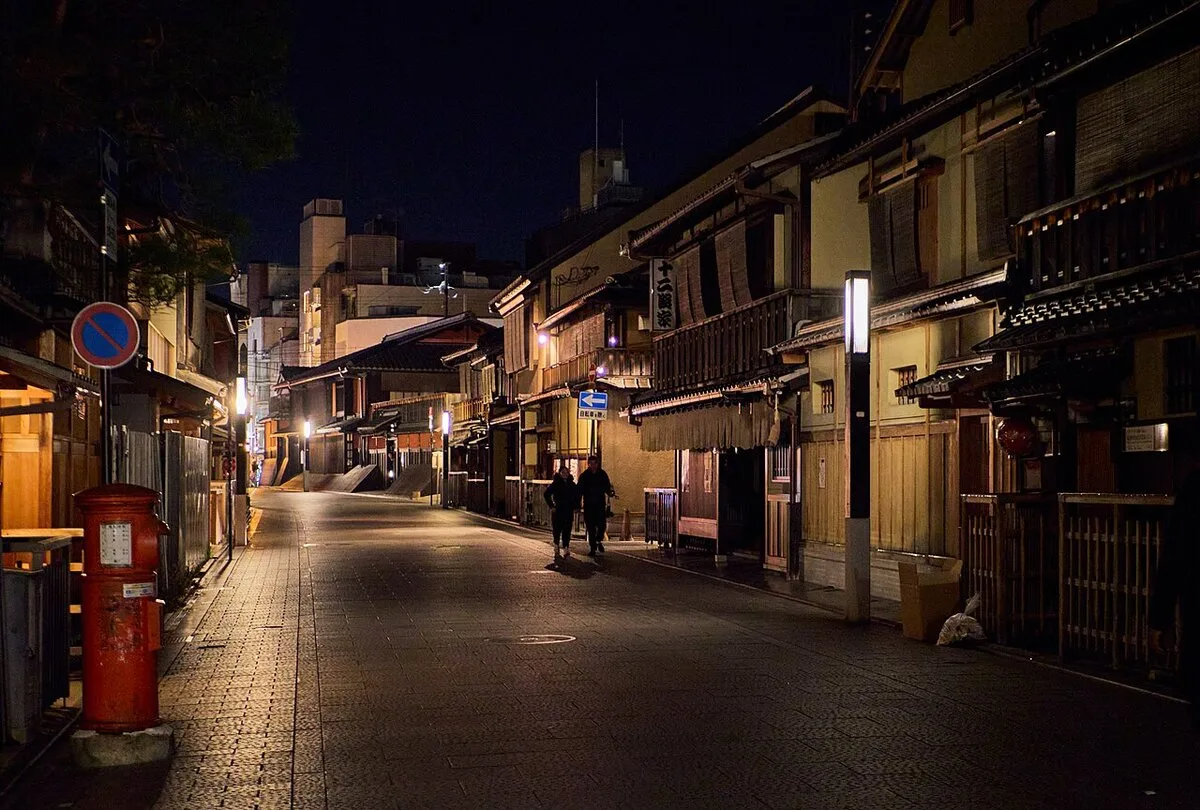
Kyoto raised its accommodation tax on 1 March 2026. The old ceiling was ¥1,000 per person per night. The new one is ten times that, for the most expensive stays. The tax is charged per guest, per night, tiered by the room charge per person (including service charge, excluding meals and consumption tax).
| Room charge per person per night | Tax per person per night |
|---|---|
| Under ¥6,000 | ¥200 |
| ¥6,000 to ¥19,999 | ¥400 |
| ¥20,000 to ¥49,999 | ¥1,000 |
| ¥50,000 to ¥99,999 | ¥4,000 |
| ¥100,000 and above | ¥10,000 |
School trips remain exempt. Everyone else pays.
Two worked examples
A couple in a Kyoto hotel room at ¥60,000 a night is paying ¥30,000 per person, which falls in the ¥1,000 band. Two nights cost them ¥4,000 in tax. Easy to absorb, but they should hear about it from you, not the front desk.
A honeymoon couple in a ¥240,000-a-night suite is at ¥120,000 per person, the top band. Two nights is ¥40,000 in tax. That is the sort of surprise that turns into a complaint if it is not on the quote.
How to show it on the quote
Local lodging taxes in Japan are usually collected at check-in and are not part of a B2B net rate, so check the rate notes on each Kyoto property. If the tax is payable locally, add a line under the hotel saying so, with the per-night amount for that room. Kyoto is not alone either: Tokyo, Osaka, Fukuoka and Kanazawa also charge lodging taxes, at lower rates. For Golden Route itineraries, see our Tokyo–Kyoto–Osaka agent guide for hotel tiers by city.
JESTA: The Next Change, Planned for 2028
Japan plans to introduce JESTA, an online pre-travel authorisation for visa-exempt visitors, similar in idea to the US ESTA or the UK ETA. The Ministry of Justice brought the target forward from 2030 to fiscal 2028, which runs from April 2028 to March 2029. Travellers would submit their passport details, purpose of visit and where they are staying before departure.
It won't affect clients who need a visa, such as Indian and Filipino passport holders. It will affect your Singaporean, Malaysian, Thai and Western clients. Fees and the exact start date have not been confirmed, so there is nothing to quote yet.
How to Update Your Japan Quotes: A Checklist
- Air: re-price any package with fares contracted before 1 July 2026 or with open dates. The departure tax is ¥3,000 per passenger over age 2.
- Visa line: show the right fee for each client's nationality, not the headline ¥15,000.
- Kyoto hotels: add the accommodation tax as "payable locally", with the per-night figure for the room you've quoted.
- Shopping briefing: send the Japan tax-free changes paragraph with every voucher for travel from 1 November 2026.
- Departure transfers: move pickup times earlier for shopping-heavy clients and groups, and note the reason on the voucher.
- Group departures: add a customs slot to the last-day coach schedule and brief the tour leader on receipts.
- Put it in writing: taxes payable locally and the tax-free procedure belong in the terms of the quote, so a surprised client cannot say nobody told them.
Selling Japan in 2027
None of this should put clients off. The 2027 calendar for Japan is strong: cherry blossom from late March, autumn foliage from November, and GREEN×EXPO 2027, the international horticultural expo in Yokohama, running from 19 March to 26 September 2027. Expo years push up hotel demand around Tokyo and Yokohama, so book peak dates early. Our best time to visit Japan guide breaks the year down month by month, and our sample Japan itineraries are a starting point for 2027 packages.
To build the land part, you'll need net rates on Japan hotels, transfers and tours in one place. Registration is free for travel agents: create your account, upload your agency details for approval, and start quoting with live net rates. Register free as a B2B agent.
Frequently Asked Questions
When does Japan's new tax-free shopping system start?
It applies to purchases made on or after 1 November 2026. Purchases up to 31 October 2026 follow the old system, where tax is waived at the till. From 1 November, shoppers pay the full price, including consumption tax, and get it refunded after customs confirms the goods are leaving Japan.
Is tax-free shopping still available to tourists in Japan after November 2026?
Yes. The Japan tax-free changes alter timing, not eligibility. Tourists still get the consumption tax back on eligible purchases of ¥5,000 or more before tax, per shop, per day. The difference is timing: they pay the tax at the shop and receive the refund after the departure procedure, through the method chosen when they bought the goods.
What happens if a client packs tax-free items in checked luggage?
They can lose the refund. The procedure must be completed before check-in, and checked bags can't be retrieved for it. If customs needs to inspect the goods and they are in the hold, the refund for those receipts is lost. Tell clients to keep tax-free purchases in a bag they can open in the departure lobby.
How much is Japan's departure tax in 2026?
¥3,000 per departure, for departures from 1 July 2026, up from ¥1,000. It is collected in the airline or ship ticket. Children under 2 and transit passengers leaving within 24 hours are exempt. Only tickets contracted before 1 July with a fixed departure date kept the ¥1,000 rate.
Did the Japan visa fee go up for Indian travellers?
No. Indian nationals still pay a flat ₹500 for both single and multiple-entry visas, according to the Embassy of Japan in India, plus the VFS service charge. The increase to ¥15,000 and ¥30,000 applies to most other visa-required nationalities. Filipino tourist visas also remain free of charge.
Is the Kyoto accommodation tax included in B2B hotel rates?
Usually not. It is normally collected by the hotel at check-in, so it sits outside the net rate. Check the rate notes for each Kyoto property and add a "payable locally" line to the quote, with the amount: from ¥200 to ¥10,000 per person per night depending on the room charge.
What is JESTA and when does it start?
JESTA is the planned electronic travel authorisation for visa-exempt visitors to Japan, who will apply online before travelling. It is targeted for fiscal 2028 (April 2028 to March 2029). It won't apply to travellers who already need a Japanese visa, such as Indian or Filipino passport holders.