Monsoon seasons bring dramatic weather patterns to many popular travel destinations across Asia, affecting millions of travelers annually. As a travel agent, understanding monsoon timing, associated risks, and how to manage client expectations during these periods is essential for successful trip planning and customer satisfaction. This guide provides comprehensive information on monsoon travel management.
Understanding Monsoon Patterns
The monsoon is not simply a "rainy season" but a complex weather phenomenon involving seasonal wind pattern reversals that bring heavy rainfall to specific regions during predictable periods. Different regions experience monsoons at different times, creating both challenges and opportunities for travel agents.
South Asian Monsoon (June-September): Affects India, Bangladesh, Sri Lanka, Pakistan, and parts of Southeast Asia. The southwest monsoon brings the heaviest rains to India's west coast, northeastern states, and Bangladesh. This is the most intense monsoon system globally, with some areas receiving over 400 inches of rainfall annually.
Southeast Asian Monsoon (Various Periods): Thailand, Vietnam, Cambodia, and Laos experience their wettest periods from May/June through October. However, timing varies significantly by region within each country. Thailand's east coast (Koh Samui, Koh Phangan) actually has its wettest season November-December when the west coast is dry.
East Asian Monsoon (June-August): Affects eastern China, Taiwan, South Korea, and parts of Japan. Characterized by heavy rains and occasional typhoons. Japan's rainy season (tsuyu) typically runs from early June to mid-July.
Australian Monsoon (November-April): Northern Australia experiences tropical wet season with heavy rainfall, high humidity, and occasional cyclones. Destinations like Darwin, Cairns, and the Kimberley region are significantly impacted.
Monsoon Travel Risks and Challenges
Flight Disruptions: Monsoon weather causes frequent flight delays and cancellations. Low visibility, strong winds, and flooded runways create operational challenges. Airlines may reduce frequencies or suspend routes to smaller airports during peak monsoon months. Build flexibility into itineraries and consider travel insurance with comprehensive trip delay coverage.
Flooding and Infrastructure Damage: Heavy rainfall can cause severe flooding in cities and rural areas. Roads become impassable, bridges wash out, and public transportation systems shut down. Historical sites may close temporarily. The 2013 Uttarakhand floods in India and regular flooding in Bangkok demonstrate how infrastructure can be overwhelmed.
Landslides in Mountainous Areas: Hill stations and mountainous regions face significant landslide risks during monsoons. Roads to popular destinations like Darjeeling, Shimla, Munnar, and Sapa become dangerous or impassable. Always check current conditions and have alternative plans.
Health Risks: Waterborne diseases like cholera, typhoid, and hepatitis A increase during monsoons. Mosquito-borne diseases including dengue, malaria, and chikungunya spike due to standing water creating breeding grounds. Advise clients on preventive measures including vaccinations, antimalarial medication, and insect repellent.
Reduced Visibility and Activity Limitations: Heavy rain and cloud cover reduce visibility at scenic viewpoints. Trekking becomes dangerous on muddy trails. Water activities may be suspended due to rough seas and poor water quality. Wildlife viewing becomes difficult as animals hide from rain.
Destination-Specific Monsoon Guidance
India: The southwest monsoon (June-September) brings dramatic rainfall to most of the country, but impacts vary greatly by region. Kerala and the Western Ghats receive torrential rains making beach holidays unpleasant, while Rajasthan and Ladakh remain relatively dry and are actually ideal during this period. September-October often offers a sweet spot with reduced rainfall but lush green landscapes.
Recommend monsoon travel to: Ladakh (June-September is peak season), Rajasthan (cooler temperatures, green landscapes), Valley of Flowers (only accessible during monsoon).
Avoid monsoon travel to: Kerala beaches, Goa, Mumbai, Northeastern states (Meghalaya receives extreme rainfall), hill stations prone to landslides.
Thailand: Monsoon timing varies dramatically by region. The Andaman Coast (Phuket, Krabi) experiences heavy rains and rough seas May-October, making beach activities and island hopping difficult. However, Bangkok and Chiang Mai receive brief afternoon showers that rarely disrupt sightseeing. The Gulf Coast (Koh Samui, Koh Phangan) is actually best November-January, opposite of the Andaman Coast.
This regional variation allows you to redirect clients to appropriate areas during monsoon months rather than discouraging Thailand travel entirely.
Bali, Indonesia: The wet season (November-March) brings heavy afternoon rains and high humidity. However, mornings are often sunny, allowing for sightseating and activities. Surfing is actually better during wet season due to more consistent swells. Cultural attractions remain accessible year-round.
Bali's monsoon is generally more manageable than mainland Southeast Asian destinations, with rain typically falling in intense but brief afternoon storms rather than all-day downpours.
Sri Lanka: Two different monsoons affect different coasts at different times. The southwest monsoon (May-September) impacts the western and southern coasts including Colombo, Galle, and the south coast beaches. The northeast monsoon (October-January) affects the eastern and northern coasts. This means some part of Sri Lanka is always experiencing good weather, allowing strategic planning.
Direct clients to the east coast (Trincomalee, Arugam Bay) during May-September, and west/south coasts (Mirissa, Unawatuna) during November-April.
Vietnam: Complex weather patterns mean different regions have different wet seasons. Southern Vietnam (Ho Chi Minh City, Mekong Delta) experiences heavy rains May-October. Central Vietnam (Danang, Hoi An) gets the worst weather September-December. Northern Vietnam (Hanoi, Halong Bay) is wettest June-September but can be visited year-round with proper expectations.
For clients wanting to visit Vietnam during typical monsoon months, create north-to-south or south-to-north itineraries that avoid the worst weather in each region.
Managing Client Expectations
Honest Communication: Never minimize monsoon impacts to make a sale. Clients who experience unexpected severe weather become dissatisfied customers and damage your reputation. Clearly explain what monsoon means for their specific itinerary, including realistic scenarios of rain frequency and intensity.
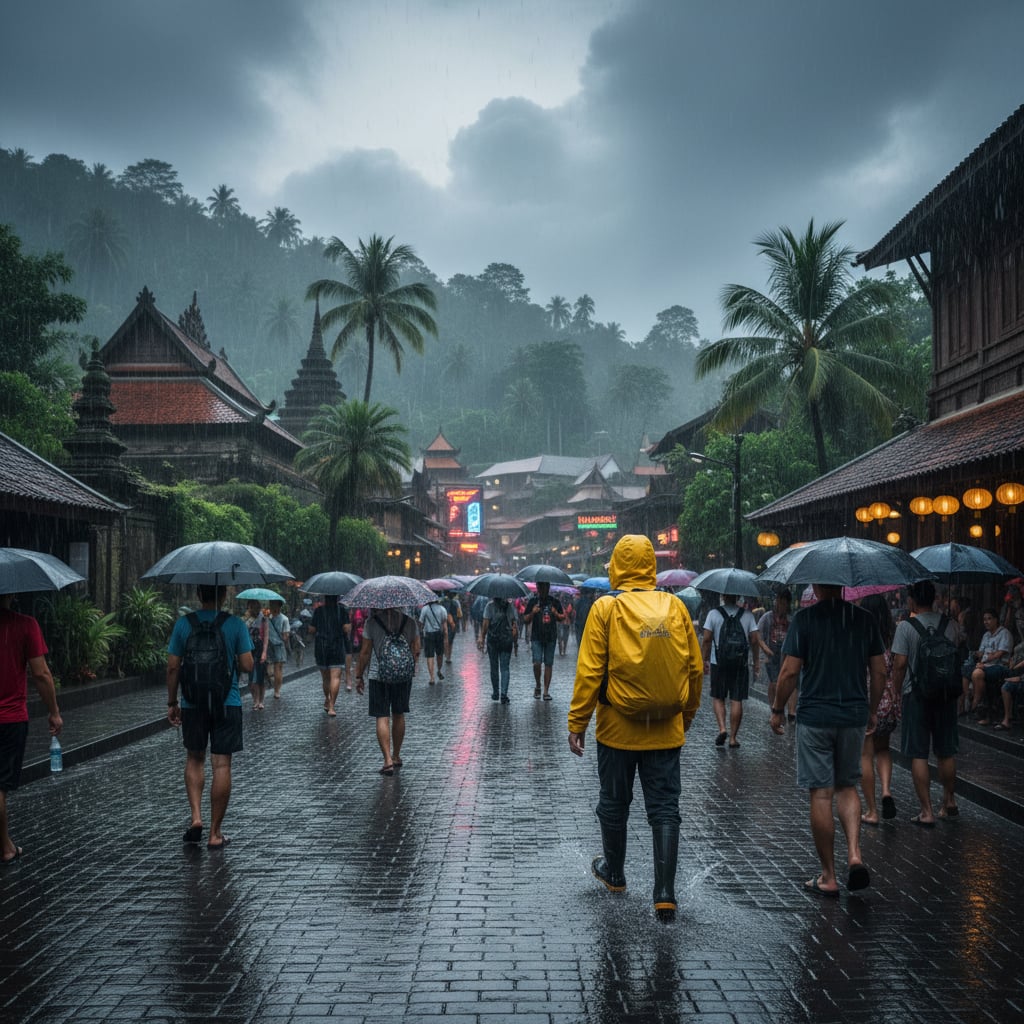
Provide Visual References: Show clients photos and videos of destinations during monsoon versus dry season. The difference between sunny Goa beaches in December versus flooding in July is dramatic. Visual comparisons help clients understand the reality rather than abstract descriptions.
Explain the Positives: Monsoon travel isn't inherently bad. Benefits include lower prices (hotels may be 40-60% cheaper), fewer tourists, lush green landscapes, dramatic weather photography opportunities, and authentic cultural experiences. Some travelers specifically seek monsoon season for these advantages.
Offer Alternatives: If clients have fixed travel dates during monsoon, suggest alternative destinations with better weather. Someone wanting beach time in Thailand in July should consider the Mediterranean, Croatia, or even Koh Samui instead of Phuket.
Flexible Itineraries: Build flexibility into monsoon season bookings. Choose hotels with free cancellation policies when possible. Avoid jam-packed schedules that leave no room for weather delays. Include backup indoor activities for rainy days.
Monsoon Travel Insurance Considerations
Standard travel insurance may not cover monsoon-related disruptions if clients booked during known monsoon season. Review policy terms carefully:
Trip Cancellation: Generally NOT covered if canceling simply due to monsoon forecasts, as this is a known seasonal event. However, if a specific extreme weather event (tropical cyclone, severe flooding) is declared, coverage may apply.
Trip Interruption: Usually covered if monsoon weather causes actual disruptions during the trip (flight cancellations, hotel evacuations, impassable roads). Clients need documentation from airlines, hotels, or authorities.
Trip Delay: Covered if flights are delayed or canceled due to weather. Benefits typically kick in after 6-12 hour delays, providing reimbursement for accommodation, meals, and essential items.
Cancel For Any Reason (CFAR): This optional upgrade allows cancellation for any reason including weather concerns and provides 50-75% trip cost reimbursement. Must be purchased within 14-21 days of initial trip deposit. Expensive (40-60% more than standard insurance) but provides peace of mind for monsoon travel.
Always recommend comprehensive insurance for monsoon season bookings and explain the coverage limitations related to weather.
Practical Monsoon Travel Tips for Clients
Create a monsoon travel preparation checklist for clients:
Packing Essentials:
- Waterproof jacket or poncho (small umbrellas ineffective in heavy monsoon winds)
- Quick-dry clothing and extra changes of clothes
- Waterproof bags for electronics and documents
- Waterproof phone case
- Closed-toe water-resistant shoes (sandals become slippery and uncomfortable)
- Insect repellent with DEET (mosquitoes proliferate during monsoons)
- Anti-diarrheal medication and water purification tablets
Health Precautions:
- Drink only bottled water (water contamination increases during monsoons)
- Avoid raw foods and ice from unknown sources
- Apply insect repellent religiously, especially at dawn and dusk
- Use mosquito nets in budget accommodations
- Wash hands frequently and use hand sanitizer
Safety Guidelines:
- Monitor weather forecasts and local news daily
- Avoid flooded areas and never attempt to cross flowing water
- Stay away from riverbanks and beaches during heavy rains
- Keep emergency contacts including embassy and local emergency services
- Register with embassy programs like STEP (Smart Traveler Enrollment Program) for Americans
- Maintain communication devices charged and operational
Monsoon Season Opportunities
Market monsoon season positively to appropriate client segments:
Budget Travelers: Monsoon season offers the year's best deals. Five-star hotels in Goa, Thailand, and Bali can be 60% cheaper than peak season. Create "Monsoon Escape" packages highlighting luxury at budget prices.
Photography Enthusiasts: Dramatic monsoon skies, lightning, lush green landscapes, and dynamic weather create stunning photography opportunities. Market specialized photography tours during monsoon season.
Culture-Focused Travelers: Fewer tourists mean more authentic cultural experiences and easier access to popular sites. Temples, museums, and cultural attractions are less crowded.
Nature Lovers: Monsoon season brings waterfalls to full flow, forests to vibrant life, and dramatic natural beauty. Destinations like Valley of Flowers in India, Cherrapunji in Meghalaya, and various national parks are at their most spectacular during monsoons.
Ayurveda and Wellness: Monsoon is considered the ideal season for Ayurvedic treatments in India. The body's pores are more open, allowing better absorption of therapeutic oils. Market wellness retreats specifically during monsoon months.
Creating Monsoon-Resilient Itineraries
Build in Extra Days: If clients have a three-day beach segment, add an extra day to account for potential weather disruptions. Better to have buffer days than disappointed clients.
Choose Reliable Accommodations: Book hotels with good drainage, backup power generators, and weather-resilient buildings. Read recent reviews specifically mentioning monsoon season experiences.
Include Indoor Alternatives: Every outdoor activity should have a backup indoor option. Museums, cooking classes, spa treatments, cultural performances, shopping experiences can fill rainy days.
Multi-City Itineraries: Create itineraries moving between regions with different weather patterns. A Vietnam trip might start in the drier north and move south, or vice versa, depending on the month.
Flexible Transportation: Avoid tight flight connections that could be missed due to weather delays. Book refundable train and bus tickets when possible. Consider private drivers over public transport for weather-related flexibility.
Visit dmcquote.com for destination-specific monsoon travel guides and weather pattern information, or access your agent portal for monsoon season client preparation checklists and booking strategies. For questions about monsoon season itinerary planning, contact our destination specialists.
Monsoon season travel requires careful planning, honest communication, and realistic expectations. By understanding weather patterns, preparing clients thoroughly, and creating resilient itineraries, you can successfully manage monsoon season bookings while maintaining client satisfaction and your professional reputation.