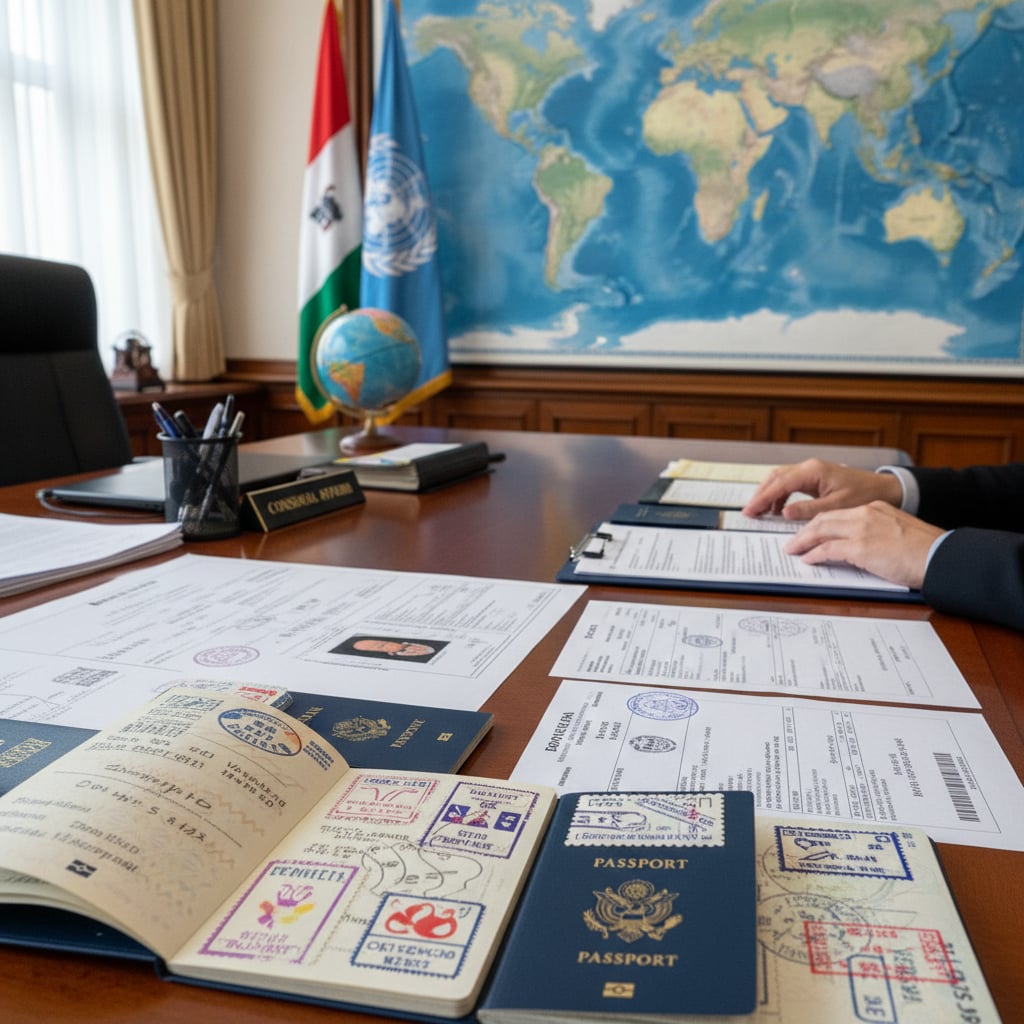
Natural disasters can strike without warning, placing your clients in danger and putting your skills as a travel agent to the ultimate test. From earthquakes and tsunamis to hurricanes and volcanic eruptions, understanding how to respond during crisis situations is essential for protecting clients and managing complex emergency situations. This comprehensive guide provides protocols and procedures every travel agent must know.
Pre-Departure Risk Assessment
Crisis management begins before clients depart. Conduct thorough risk assessments for every booking, considering destination-specific natural disaster risks.
Earthquake Zones: Japan, Indonesia, Philippines, Chile, Peru, New Zealand, California, and areas along tectonic plate boundaries face significant earthquake risk. While earthquakes cannot be predicted, understanding which destinations have strong building codes and disaster preparedness systems (like Japan) versus those with limited infrastructure helps assess overall risk.
Tsunami Risk Areas: Coastal regions around the Pacific Ring of Fire, Indian Ocean coastlines, and Caribbean islands face tsunami threats. The 2004 Indian Ocean tsunami and 2011 Japan tsunami demonstrated devastating impacts. Clients staying in beach resorts in these areas should understand evacuation routes and warning systems.
Hurricane/Typhoon/Cyclone Seasons: Atlantic hurricane season (June-November) affects Caribbean, Mexico, and U.S. Southeast. Pacific typhoon season (May-November) impacts Philippines, Taiwan, Japan, and Southeast Asia. Indian Ocean cyclone season (April-December) affects India, Bangladesh, and East African coast. Never book during peak season without discussing risks.
Volcanic Activity: Indonesia, Philippines, Japan, Iceland, Hawaii, and Central America have active volcanoes. Recent eruptions in Bali (Mt. Agung), Philippines (Taal, Mayon), and Iceland (Eyjafjallajökull, Fagradalsfjall) demonstrate ongoing risks. Monitor volcanic activity alerts when clients book these destinations.
Flood-Prone Regions: Bangladesh, parts of India, Southeast Asian river deltas, and low-lying areas face severe flooding during monsoon seasons. Climate change has intensified flooding frequency and severity. Consider seasonal timing carefully.
Wildfire Zones: Australia (summer), California (summer/fall), Mediterranean region (summer), and parts of Southern Europe face significant wildfire risk during dry seasons. Air quality and evacuations can disrupt travel extensively.
Client Information Management System
Establish a comprehensive client tracking system that allows you to locate and contact all traveling clients immediately during crises.
Essential Information to Maintain:
- Complete itinerary with hotels, flight details, and contact numbers
- Client mobile phone numbers (both home country and roaming numbers)
- Client email addresses (multiple if available)
- Emergency contacts for client (family members back home)
- Travel insurance policy numbers and provider contact information
- Passport numbers and nationality
- Any medical conditions or special needs
- Traveling companions' contact information
Store this information in cloud-based systems accessible from anywhere. Create geographic organization allowing you to quickly identify all clients in specific regions. For example, if an earthquake strikes Nepal, you should be able to immediately pull up all clients currently in Nepal or scheduled to arrive within 72 hours.
Crisis Communication Protocols
When disaster strikes, communication is your most important tool. Develop standard operating procedures for crisis communication.
Immediate Response (Within 1-2 Hours):
- Identify all clients in affected region using your tracking system
- Attempt to contact each client via multiple channels (phone, SMS, WhatsApp, email)
- Contact hotels where clients are staying to request welfare checks
- Monitor news from reputable sources (BBC, CNN, Al Jazeera, local news)
- Check embassy and consulate websites for official guidance and citizen services
- Document all communication attempts and responses
Establish Communication Hierarchy:
- Direct contact with client via phone or messaging app
- Contact through hotel or tour operator
- Contact emergency contacts back home to see if they've heard from client
- Contact travel insurance provider emergency assistance line
- Contact embassy/consulate if unable to confirm safety after 12-24 hours
Communication with Families: If clients are unresponsive, their families will contact you panicking. Be honest about what you know and don't know. Provide regular updates even if there's no new information. Share embassy contact numbers and encourage families to register with their government's crisis response systems.
Working with Travel Insurance During Disasters
Travel insurance becomes critical during natural disasters. Understand how to activate coverage and what benefits apply.
Emergency Assistance Hotlines: Every major travel insurance provider has 24/7 emergency assistance lines. These should be your first call after confirming clients are safe. Assistance teams can:
- Arrange emergency medical evacuation if needed
- Help relocate clients to safe areas
- Arrange alternative accommodation if hotels are damaged
- Provide emergency cash advances
- Coordinate with local emergency services
- Replace lost travel documents
- Arrange emergency flights home
Coverage That Applies During Disasters:
- Trip Interruption: Reimburses unused prepaid trip costs if clients must cut their trip short due to disaster
- Additional Accommodation: Covers extra hotel nights if clients are stranded
- Emergency Evacuation: Covers transportation to safety or medical facilities (critical benefit worth $50,000-$500,000)
- Trip Delay: Provides reimbursement for meals, accommodation, and essentials during delays
- Baggage Loss: Covers essential purchases if luggage is lost during evacuation
Documentation Requirements: Help clients gather necessary documentation for claims:
- Photos/videos of damage or conditions
- Official disaster declarations or evacuation orders
- Receipts for all emergency expenses
- Cancelled flight confirmations
- Hotel damage reports or relocation documentation
- Medical records if injured
- Police reports for theft or loss during evacuation
Airline and Accommodation Rebooking
Natural disasters trigger complex rebooking situations. Airlines and hotels have specific policies for disaster situations.
Airline Disaster Policies: When natural disasters are declared, most airlines waive change fees and fare differences for affected routes. However, policies vary significantly:
- Check airline websites for disaster policy updates (usually posted prominently)
- Eligible rebooking dates typically extend 7-14 days before and after the event
- New travel must usually be completed within specific timeframe (often 1 year)
- Some airlines offer full refunds, others only allow rebooking
- Documentation of original booking and disaster declaration usually required
Act quickly as rebooking systems become overwhelmed. Call airline customer service immediately rather than waiting or using online systems. If you have airline partnerships or dedicated agent phone lines, use them.
Hotel Rebooking and Refunds: Hotels directly affected by disasters typically provide full refunds even for non-refundable rates. However, getting confirmation can be challenging if hotels are evacuated or damaged. Work through hotel chains' corporate offices or your booking platform's customer service for assistance.
For hotels not directly affected but in the general disaster region, policies vary. Non-refundable rates may not be refunded unless the hotel agrees to make an exception. Document all communication and leverage your professional relationships.
Embassy and Consulate Coordination
Embassies and consulates provide critical support during disasters. Understand what they can and cannot do.
Embassy Services During Disasters:
- Locate and check on citizens' welfare
- Provide lists of local hospitals, doctors, and medical facilities
- Assist with emergency passport replacement
- Facilitate communication with family back home
- Provide emergency loans in extreme situations (must be repaid)
- Coordinate evacuation efforts with local authorities
- Provide updates on local conditions and safety recommendations
What Embassies Cannot Do:
- Provide evacuation transportation (except in extreme circumstances)
- Pay for medical care, flights, or accommodation
- Override local laws or secure special treatment
- Guarantee safety or provide armed protection
- Force local authorities to take specific actions
Registration Programs: Encourage all clients to register with their government's travel registration program before departure:
- U.S. citizens: Smart Traveler Enrollment Program (STEP)
- Canadian citizens: Registration of Canadians Abroad
- UK citizens: Travel Advice Updates
- Australian citizens: Smartraveller registration
Registration allows embassies to contact citizens directly during emergencies and provides family members with a point of contact.
Evacuation Planning and Execution
When disasters escalate, evacuation becomes necessary. Understand evacuation logistics and how to assist clients.
Types of Evacuations:
- Commercial Evacuation: Using regular or specially added commercial flights to leave the region. This is the most common and usually fastest option.
- Government-Assisted Evacuation: Some governments arrange charter flights or transportation for their citizens. Usually requires registration with embassy and may involve costs.
- Travel Insurance Evacuation: Emergency evacuation coverage can arrange private transportation, medical flights, or ground evacuation to safety.
- Self-Arranged Evacuation: Clients independently arranging transportation, often driving/traveling to neighboring countries or regions.
Evacuation Priorities:
- Safety first - get clients away from immediate danger
- Medical needs - prioritize those with injuries, medical conditions, or medication needs
- Communication - maintain contact throughout evacuation process
- Documentation - preserve travel documents, take photos of damage/conditions
- Insurance coordination - document all evacuation expenses
Assisting Remote Evacuations: If clients are in remote areas cut off from normal transportation:
- Contact travel insurance emergency assistance immediately
- Coordinate with local tour operators or guides
- Contact embassy for assistance locating and reaching clients
- Monitor weather and road conditions continuously
- Arrange accommodation at the safest accessible location
- Document all additional expenses for insurance claims
Future Client Management
Disaster situations affect not only current travelers but future bookings to the same destination.
Clients Scheduled to Depart Soon: Contact all clients scheduled to depart to affected regions within the next 14 days. Provide honest assessment of current conditions and options:
- Postpone travel to later dates (usually no fees during disasters)
- Cancel with full refund if suppliers are offering disaster waivers
- Modify itinerary to avoid affected areas
- Proceed with travel if conditions are safe and clients are comfortable
Never pressure clients to travel to disaster-affected regions. Your reputation depends on prioritizing client safety over commission.
Long-Term Bookings: For clients traveling months in the future, provide updates on recovery progress. Many destinations recover quickly and are safe for travel within weeks or months of disasters. Keep clients informed and adjust expectations as situations evolve.
Post-Crisis Follow-Up
After clients return safely or situations stabilize:
- Debrief with clients about their experience
- Assist with insurance claims by providing documentation
- Help clients write detailed accounts of events for claims
- Gather receipts and supporting documents
- Follow up with suppliers about refunds or credits
- Document lessons learned for future crisis management
- Update your crisis response protocols based on real experience
Clients who experience crises often become your most loyal customers if you handle the situation professionally and compassionately. Your crisis response demonstrates your true value as a travel agent.
Building Crisis Response Capabilities
Create Crisis Response Kit:
- Contact list of all major travel insurance emergency lines
- Embassy and consulate contact directory
- Airline disaster policy webpage bookmarks
- Hotel chain customer service numbers
- Crisis communication templates
- Client tracking spreadsheets ready to use
Training and Preparation:
- Review crisis protocols quarterly
- Conduct mock crisis drills with your team
- Stay updated on world events and potential risks
- Maintain relationships with suppliers for crisis situations
- Join professional travel agent associations offering crisis support
Technology Tools:
- Use CRM systems with geographic tagging
- Set up Google Alerts for destinations where clients are traveling
- Subscribe to State Department travel alerts and embassy notifications
- Use travel tracking apps that monitor client locations
- Maintain cloud-based information accessible from anywhere
Visit dmcquote.com for crisis response resources and emergency protocols, or access your agent portal for downloadable crisis communication templates and client tracking tools. For immediate assistance during crisis situations, contact our 24/7 emergency support line.
Natural disasters are unpredictable, but your response doesn't have to be. By establishing clear protocols, maintaining comprehensive client information, building strong supplier relationships, and prioritizing client safety above all else, you can navigate even the most challenging crisis situations professionally and effectively.