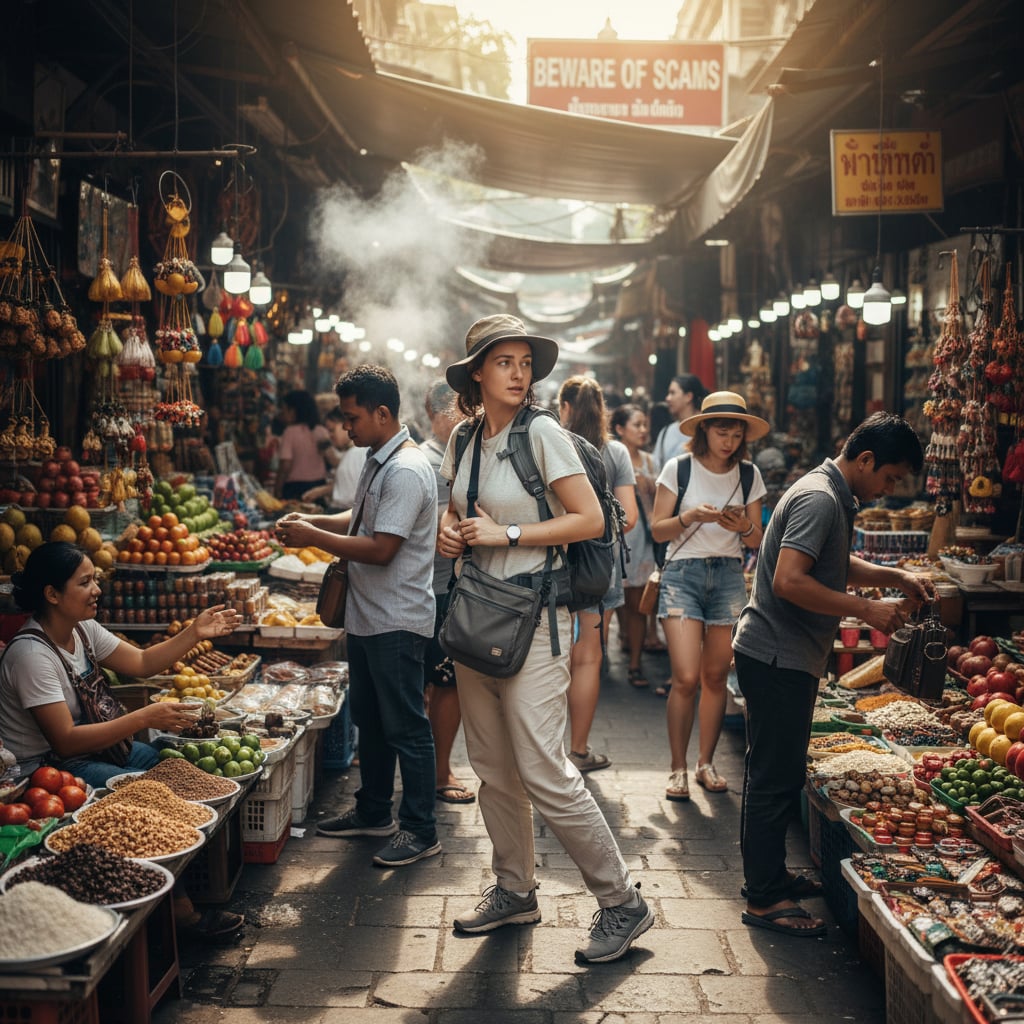
Asia is one of the world's most popular travel regions, attracting millions of tourists annually with its rich culture, stunning landscapes, and affordable prices. Unfortunately, this popularity also attracts sophisticated scam artists who target unsuspecting travelers. As a travel agent, educating your clients about common scams and how to avoid them is essential for ensuring safe, enjoyable trips and protecting your reputation. This comprehensive guide covers the most prevalent travel scams across Asia.
Taxi and Transportation Scams
Transportation scams are among the most common and affect travelers from the moment they arrive at airports and train stations.
Airport Taxi Overcharging (Thailand, India, Indonesia): Unlicensed taxi drivers approach tourists at airport arrival halls claiming to be "official" taxis. They charge 5-10 times the legitimate fare, often taking circuitous routes to inflate costs further. In Bangkok, legitimate airport taxis to downtown cost 250-400 baht ($7-11) while scam taxis demand 1,500-2,000 baht ($40-55).
Prevention: Advise clients to use only official airport taxi counters inside terminals, pre-booked airport transfers through hotels, or ride-sharing apps like Grab (Southeast Asia's Uber). Legitimate taxis use meters - if a driver refuses the meter, clients should find another taxi.
Tuk-Tuk Commission Scams (Thailand, India, Cambodia): Tuk-tuk or rickshaw drivers offer extremely cheap city tours (sometimes even free) but take tourists to gem shops, tailor shops, or souvenir stores where they receive commissions on any purchases. These shops charge inflated prices for low-quality goods. Drivers may become aggressive if tourists refuse to enter shops.
Prevention: Use metered taxis or ride-sharing apps instead. If using tuk-tuks for short trips, negotiate price beforehand and refuse any "special tour" offers. Legitimate city tours don't involve shopping stops unless explicitly arranged.
Motorcycle Rental Damage Scams (Thailand, Vietnam, Bali): Travelers rent motorcycles and return them in good condition, but rental companies claim damage occurred and demand hundreds of dollars in repair costs. Some companies have accomplices who "steal" rented motorcycles, then demand payment for the "stolen" bike.
Prevention: Rent only from reputable companies with verified reviews. Photograph/video the motorcycle from all angles before leaving the shop, including odometer and fuel level. Avoid leaving passports as deposit (provide photocopies instead). Purchase insurance coverage if available.
Accommodation and Hotel Scams
Fake Hotel Driver Scam (India, Southeast Asia): Upon arriving at airports or train stations, "drivers" claiming to be sent by clients' hotels approach them, show fake booking confirmations, and insist the hotel moved or closed. They transport clients to different (usually inferior) hotels where they receive commissions.
Prevention: Call the hotel directly before accepting rides from anyone claiming to represent them. Use only pre-arranged transfers booked through confirmed channels. Verify driver credentials and vehicle details.
Room Upgrade Pressure (Various Countries): Upon check-in, hotels claim the reserved room is unavailable, damaged, or unsatisfactory and pressure guests to upgrade to more expensive rooms. Sometimes they show the reserved room in deliberately poor condition then offer "much better" upgraded rooms.
Prevention: Book hotels through reputable platforms with clear policies. Confirm reservations 24-48 hours before arrival. If pressured for upgrades, politely refuse and insist on the room category booked or request full refund if genuinely unavailable.
Shopping and Gem Scams
Gem Investment Scam (Thailand, India, Sri Lanka): This sophisticated scam targets tourists in Bangkok, Delhi, and Colombo. Friendly locals strike up conversations, build trust over hours or days, then invite tourists to "exclusive" gem shops. Sales people explain that gems purchased tax-free in Thailand/India can be resold at huge profits in the tourist's home country. Tourists spend thousands on worthless colored glass or low-quality stones.
Prevention: Never purchase gems, jewelry, or "investment items" while traveling. If clients insist on buying jewelry, use only internationally certified jewelers with verified credentials. Legitimate gem dealers don't approach tourists on the street.
Tailor Scams (Thailand, Vietnam, India): Tuk-tuk drivers and helpful strangers direct tourists to "special sale" tailor shops offering custom suits for unrealistically low prices (e.g., three suits for $100). Tourists pay deposits or full payment, receive poorly made garments with incorrect measurements, or nothing at all.
Prevention: Use recommended tailors from hotel concierges or verified review sites. Expect to pay reasonable prices - quality suits cannot be made for $30-50. Never pay full amount upfront; pay deposit only after seeing fabric samples and measurement process.
Temple and Religious Site Scams
Closed Temple Scam (Thailand): Near major Bangkok temples like the Grand Palace, "helpful" locals inform tourists the temple is closed for special ceremonies or lunch break. They suggest alternative activities like gem shopping, special markets, or boat tours (all involving commissions). The temple is actually open.
Prevention: Verify temple hours directly at the entrance. Temples have posted operating hours. Ignore unsolicited advice from strangers near tourist sites.
Forced Donation Scam (India, Thailand, Cambodia): At temples and religious sites, "monks" or "priests" approach tourists, tie blessing bracelets or apply blessing marks, then demand substantial donations (often $20-50). They become aggressive if tourists don't pay adequately.
Prevention: Decline unsolicited blessings or religious items. Legitimate monks don't aggressively solicit donations. If clients want to donate to temples, use official donation boxes at entrance areas.
Shoe-Minding Scam (India, Southeast Asia): At temples requiring shoe removal, unauthorized individuals demand fees for "watching" shoes or claim to be official shoe storage attendants. They charge inflated prices or steal expensive footwear.
Prevention: Use official shoe storage facilities (usually free or nominal fee). Carry shoes in provided plastic bags when allowed. Don't wear expensive footwear to temples.
Food and Dining Scams
Menu Price Switching (Thailand, Vietnam, Tourist Areas): Restaurants display menus with reasonable prices outside but present different menus with much higher prices once tourists are seated. When bills arrive, they reflect the higher prices. Some restaurants charge for items that should be complimentary (water, napkins, condiments).
Prevention: Verify menu prices before ordering. Take photos of the menu. Check itemized bills carefully before paying and question any unexpected charges.
Seafood Weight Scam (Thailand, Vietnam, Philippines): Tourists select seafood at markets or restaurants, and staff weigh it before cooking. However, weights are rigged or scales are manipulated. A 1kg fish becomes 3kg on the bill.
Prevention: Ask for price per kilogram before selection. Watch the weighing process closely. Use a smartphone scale app to verify approximate weight. Take photos of the seafood before it's weighed.
Closed Restaurant Redirect (Various Countries): Travelers heading to specific restaurants are approached by touts claiming the restaurant is closed, moved, or has health violations. They suggest "better" alternatives where they receive commissions.
Prevention: Call restaurants to verify they're open. Ignore street touts offering restaurant recommendations. Use verified review sites and reservations apps.
Attraction and Tour Scams
Fake Travel Agency Scam (India, Southeast Asia): Official-looking travel agencies book tours, issue receipts and confirmations, then never show up for pickup or provide far inferior services than promised. Some operate for a few months then disappear with customers' money.
Prevention: Book tours through established agencies with verified physical locations and online presence. Read recent reviews (within 6 months). Use payment methods with consumer protection. Verify tour details 24 hours before departure.
Photo Prop Scam (India, Southeast Asia): People offer tourists opportunities to take photos with animals (snakes, monkeys, birds), in traditional costume, or with props, then demand payment afterward. Sometimes accomplices pickpocket tourists while they're distracted with photos.
Prevention: Decline unsolicited photo opportunities with people or animals. If clients want such photos, negotiate and agree on price before taking any photos. Be aware of belongings during photo activities.
National Park Entry Fee Inflation (Southeast Asia): At some national parks and attractions, unofficial ticket sellers approach tourists before official entrances, claiming to be authorized sellers but charging inflated prices or selling worthless tickets.
Prevention: Purchase tickets only at official entrance gates or verified online platforms. Research standard entrance fees in advance.
Money Exchange and ATM Scams
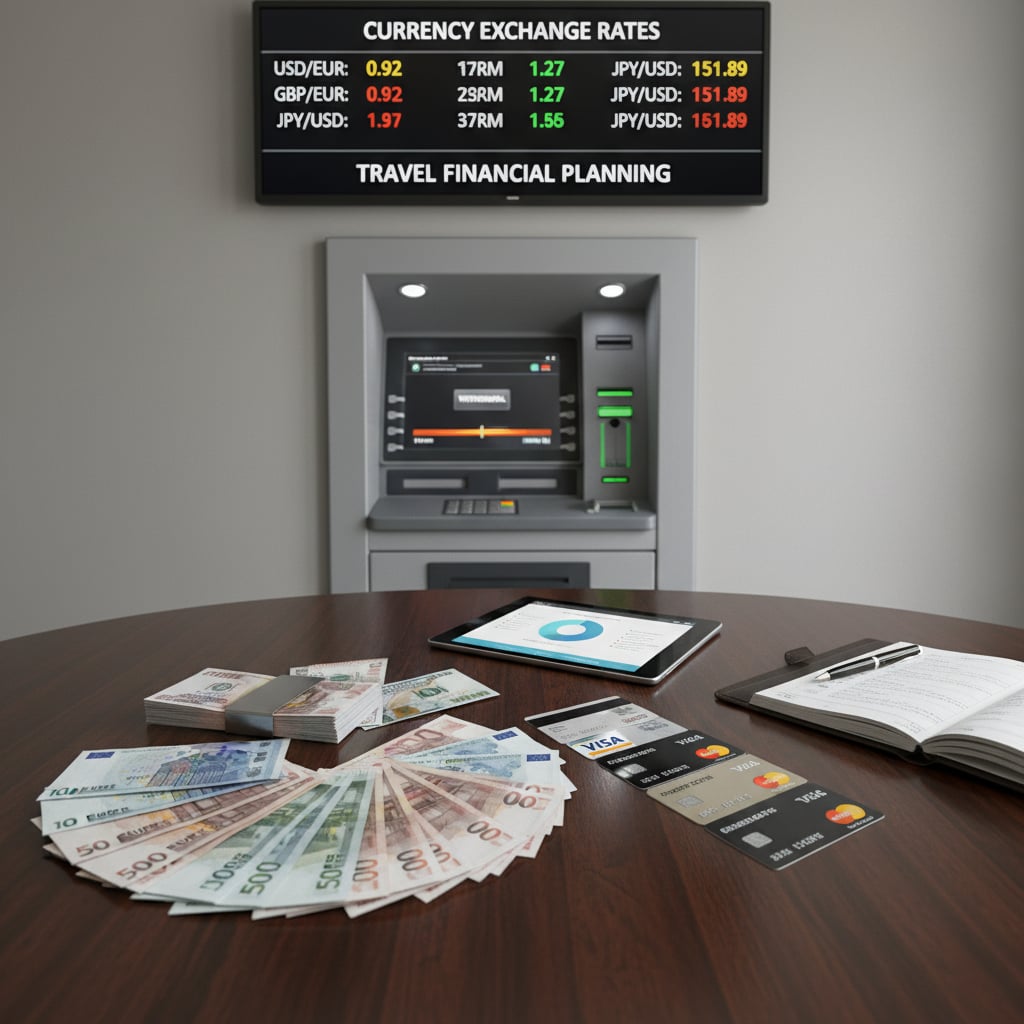
Rigged Exchange Rates (Various Countries): Exchange booths advertise attractive rates but use sleight-of-hand to shortchange tourists, rig calculators to show incorrect amounts, or charge hidden commissions not mentioned until after money is exchanged.
Prevention: Use bank-affiliated exchange services or ATMs. Always count money received before leaving the counter. Use smartphone calculators to verify exchange amounts. Avoid airport exchange counters (worst rates) except for small amounts.
ATM Skimming (Major Tourist Areas): Criminals install card skimmers and hidden cameras at ATMs to steal card information and PIN numbers. Fake ATM facades over real machines capture card details.
Prevention: Use ATMs inside banks during business hours. Check for loose or unusual attachments on card readers. Cover PIN entry with hand. Monitor bank accounts regularly for unauthorized transactions. Use credit cards with chip technology and foreign transaction protection.
Currency Confusion Scam (Various Countries): Taxi drivers or vendors claim to accept major foreign currencies but use extremely unfavorable exchange rates. A $20 bill might be accepted as equivalent to much less local currency than actual value.
Prevention: Always pay in local currency. Understand basic exchange rates. Carry small denominations of local currency for taxis and small purchases.
Petition and Charity Scams
Fake Charity Petition (Major Cities): People approach tourists with clipboards requesting signatures for charities supporting disabled people, children, or other causes. After signing, they demand donations of specific amounts ($10-20). If tourists give money, accomplices pickpocket them while distracted.
Prevention: Decline all street solicitations for petitions or donations. Legitimate charities don't solicit on streets. If clients want to donate to causes, research legitimate organizations online.
Milk Powder Scam (India, Major Cities): Women with babies approach tourists requesting money to buy milk powder instead of cash donations. They take tourists to shops where they purchase overpriced milk powder. The shop and woman split the profit, and the milk powder is returned for cash after tourists leave.
Prevention: Provide food or water directly if wanting to help, not money for purchases. Be aware this is a coordinated scam involving shops.
Internet and Cyber Scams
Public WiFi Security Risks (All Countries): Hackers set up fake WiFi hotspots in cafes, airports, and hotels with names like "Free Airport WiFi" to steal personal information, passwords, and credit card data from connected devices.
Prevention: Use VPN services when connecting to public WiFi. Avoid accessing banking or sensitive accounts on public networks. Verify legitimate WiFi network names with staff. Use mobile data for secure transactions.
Hotel WiFi Login Scam (Various Countries): Fake WiFi login pages mimic hotel login screens but capture email addresses, passwords, and payment information.
Prevention: Verify WiFi credentials with hotel front desk. Don't enter credit card information for WiFi access (legitimate hotels don't require this). Use complex, unique passwords for travel.
Region-Specific Scams
China - Tea Ceremony Scam: Friendly English-speaking students or young women approach solo travelers, practice their English, build rapport, then invite them to traditional tea ceremonies. Bills of $100-500 arrive for basic tea. Intimidating staff pressure payment.
Prevention: Decline invitations to tea houses, art galleries, or similar venues from new acquaintances. Legitimate cultural experiences don't involve surprise bills.
India - Train Station Impersonators: At major train stations, men in official-looking uniforms claim to be railway staff and guide tourists to fake tourism offices where they sell overpriced train tickets or tour packages. Real tickets cost a fraction of the amount charged.
Prevention: Book train tickets through official IRCTC website or at actual railway station counters. Ignore anyone approaching offering assistance unsolicited.
Vietnam - Taxi Meter Rigging: Some Hanoi and Ho Chi Minh City taxi companies rig meters to run at triple speed or switch to different currency calculations. A $5 ride becomes $30-50 on the meter.
Prevention: Use reputable taxi companies (Mai Linh, Vinasun), ride-sharing apps (Grab), or negotiate fixed prices before departure for long trips. Take photos of taxi license plates and meter at start of journey.
Bali - Beach Rental Scams: Tourists rent beach chairs and umbrellas, and vendors return demanding payment far exceeding the agreed price, sometimes with aggressive behavior or threats.
Prevention: Clarify and confirm prices before accepting any beach services. Choose beach clubs or hotel beach areas with posted prices.
Emergency Contact Scams
Fake Emergency Call Scam: Fraudsters contact travelers' family members back home claiming their loved one had an accident, was arrested, or faces an emergency requiring immediate wire transfer. They use information from social media to make calls seem legitimate.
Prevention: Advise clients to inform family members about this scam before travel. Families should always verify emergencies by contacting travelers directly through known phone numbers before sending money. Real emergencies involve embassy contact, not random phone calls demanding Western Union transfers.
Creating Client Scam Awareness Materials
Develop comprehensive pre-departure materials specifically addressing scams:
Regional Scam Guides: Create destination-specific one-page guides listing the top 5-10 scams in that country with prevention tips. Include this with travel documents.
General Prevention Principles:
- If something seems too good to be true, it is
- Verify information from official sources, not strangers
- Research typical prices for services in advance
- Trust gut instincts - feeling uncomfortable often signals scams
- Don't feel pressured to make immediate decisions
- It's okay to say no firmly and walk away
Safe Travel Apps: Recommend apps that help avoid scams:
- Grab, Gojek (Southeast Asia ride-sharing)
- Maps.me (offline maps showing legitimate landmarks and businesses)
- XE Currency Converter (verify exchange rates)
- TripAdvisor (verify restaurants and attractions)
- Google Translate (avoid miscommunication about prices)
What to Do If Scammed
Advise clients on immediate steps if they fall victim to scams:
- Leave the situation safely without confrontation if still ongoing
- Don't pay additional money or follow scammers to secondary locations
- Report to local police (required for insurance claims)
- Report to hotel for advice and support
- Contact credit card companies immediately if cards were used fraudulently
- Contact bank if ATM card was compromised
- Document everything: names, locations, amounts, photos, receipts
- Contact travel insurance to report incident and begin claims process
- Report to embassy if scam involved significant money or documents
- Leave reviews warning other travelers on appropriate platforms
Manage expectations: most scam money is not recoverable, but documentation helps with insurance claims and prevents others from falling victim.
Travel Insurance and Scam Protection
Standard travel insurance typically doesn't cover losses from scams, as they involve "voluntary" surrender of money or goods. However, some coverage may apply:
Theft Coverage: If belongings were stolen (pickpocketing during scams), this may be covered under baggage/personal effects coverage.
Credit Card Fraud: Credit card companies often provide fraud protection for unauthorized charges. Report within 60 days.
Legal Assistance: Some comprehensive travel insurance includes legal assistance if scams involve contracts or legal issues.
The best protection is prevention through education. Make scam awareness a standard part of your client preparation process.
Visit dmcquote.com for destination-specific scam alerts and prevention guides, or access your agent portal for downloadable client scam awareness materials. For questions about protecting clients from travel fraud, contact our travel safety specialists.
Educating clients about common scams doesn't diminish their travel experience - it empowers them to navigate destinations confidently and safely. Well-informed travelers have better experiences and return home with positive stories rather than costly lessons. Your role in scam prevention demonstrates your commitment to comprehensive client care beyond basic booking services.