Between August and October each year, the big travel brands publish their predictions for the year ahead, and the 2027 reports are now out. Hilton surveyed 14,744 travellers in 14 countries. Virtuoso asked more than 3,100 luxury travel advisors. SmartFlyer polled its own advisors, and Skyscanner combined its search data with research among more than 28,000 travellers. Read side by side, the travel trends 2027 reports agree on more than you might expect: Japan and the rest of Asia are rising, trusted human advice is gaining value as AI spreads, wellness is getting more specific, and travellers want trips that fit their lives rather than a perfect checklist.
Planning your 2027 product range? Our B2B travel portal gives registered agents net rates on 1.5M+ hotels in 190+ countries, plus transfers, tours and attraction tickets in one place.
This guide is written for travel agents and tour operators. For each report, we summarise what it actually found, with the numbers exactly as the report gives them, and then add a short line on what it means for what you sell, how you package it and which clients it suits. Those lines are our opinion, and we label them that way. At the end, we list the verified rule changes for 2026 and 2027 that belong in your quotes, from the new Japan tax refund system to the Umrah season deadlines.
Key Takeaways
- Japan is the most requested luxury destination for 2027 in the Virtuoso Luxe Report, the first time it has overtaken Italy. Tokyo and Kyoto are the top two cities, and China debuts as the top destination on the rise.
- In the Hilton survey, 70% of travellers trust hotel staff as a planning resource, but only 22% trust AI to build an itinerary tailored to their interests. That gap is where agents earn their fee.
- Multigenerational family travel is the No. 1 trend in the Virtuoso report, and multi-destination trips built around contrast are one of its five headline trends.
- Wellness is becoming measurable: 39% of advisors in a Strategic Vision survey cited by SmartFlyer say clients are more interested in outcomes such as sleep, fitness and stress reduction.
- Value drives choices. Skyscanner found 67% of Indian travellers have changed or considered changing plans because another destination offered better value. Virtuoso calls the luxury version "Fancy-flation".
- Before you sell any of it, re-check the rule changes: Japan's departure tax and visa fees, the 30-day Thailand exemption, Europe's EES and the 1448 Umrah calendar.
Travel Trends 2027 at a Glance: What Agents Should Do
Here is every trend in this guide on one page. The right-hand column is our recommendation, not a finding from the reports.
| Trend | Source | What agents should do |
|---|---|---|
| Japan overtakes Italy as the top luxury request; Tokyo and Kyoto are the top cities | 2027 Virtuoso Luxe Report | Secure spring and autumn 2027 Japan hotels early and build Tokyo–Kyoto product with guides and transfers |
| China tops the "on the rise" list; Vietnam and South Korea also rising | 2027 Virtuoso Luxe Report | Check entry rules for each client's passport, then add China or Korea to multi-country Asia trips |
| Multigenerational family travel is the No. 1 trend | 2027 Virtuoso Luxe Report | Quote connecting rooms or villas, private vehicles sized for the whole family, and a slower pace |
| Multi-destination trips built around contrast | Virtuoso; Hilton (57% enjoy visiting multiple cities in one trip) | Package city plus beach, or city plus countryside, with the transfer between them already priced |
| Human advice is trusted more than AI for the details | Hilton; SmartFlyer; Lemongrass | Sell first-hand knowledge; use AI for back-office drafts, never as the final word |
| Measurable wellness and "reset" trips | SmartFlyer; Hilton (65% seek experiences that calm the body) | Put the spa, onsen, pool or nature experience on the quote as a named, priced line |
| Short trips and trips built around one experience | Hilton (21% adding more short trips; 51% plan around a single experience) | Build 2- to 4-night packages around one ticketed event, show or attraction |
| Slower, "anti-optimised" holidays | Lemongrass, as reported by Euronews | Offer longer stays with fewer stops and free days built in |
| Currency and value-led destination choices | Skyscanner; Virtuoso ("Fancy-flation") | Show value alternatives such as Vietnam, Egypt, Turkey and Central Asia next to the obvious choice |
| New air routes redraw demand | SmartFlyer; Virtuoso ("Air Supply") | Track 2027 route launches from your clients' home airports and build product for newly nonstop destinations |
The 2027 Trend Reports Behind This Guide
These reports measure different things, so it helps to know who was asked. Advisor surveys show what high-spending clients request. Consumer surveys show what travellers say they want. Search data shows where people are looking, which isn't the same as where they book.
| Report | Published | Based on |
|---|---|---|
| Hilton 2027 Trends Report, "The Great Rebalance" | 29 September 2026 | Morning Consult survey of 14,744 travellers in 14 countries, 18 May to 1 June 2026 |
| 2027 Virtuoso Luxe Report (summarised by Forest Travel) | 30 September 2026 | More than 3,100 Virtuoso-affiliated travel advisors in 50+ countries |
| SmartFlyer 2027 Travel Trends Report | 6 August 2026 | The SmartFlyer advisor community, plus third-party surveys it cites |
| Skyscanner Travel Trends 2027 | October 2026 | Skyscanner search data plus research among 28,000+ travellers, with regional editions |
| Lemongrass 2027 travel trends | Reported by Euronews on 6 October 2026 | Trend analysis by UK-based Lemongrass Marketing |
| Dragon Trail Chinese Outbound Travel Trade Survey | July 2026 | 310 travel agents selling outbound trips from mainland China |
One detail matters for agents outside the US and Europe. The Hilton sample covers the United States, Mexico, Brazil, Colombia, the UK, Germany, Türkiye, the UAE, Saudi Arabia, Australia, China, India, Japan and Korea. If your clients come from India, the Gulf, China, Japan or Korea, your market is in the data.
Hilton 2027 Trends Report: The Great Rebalance
Hilton calls its report The Great Rebalance. The idea is a shift away from chasing the "perfect vacation" towards a flexible, "good-ish" approach that puts meaningful experiences, trusted expertise and wellbeing first. The survey was run by Morning Consult with 14,744 travellers, and the report names five trends.
1. The Rise of 'Ish'
More than half of travellers (54%) say they feel some pressure to have the perfect trip, and 24% try to accommodate a group and keep others happy. Solo travel is changing too. In the Hilton data, 41% plan a solo trip next year, but "solo" rarely means alone: 31% travelled solo to meet people they know at the destination, 20% booked a group excursion or day trip within an otherwise solo trip, and 16% joined a multi-day group tour where they didn't know anyone.
What this means for agents: solo clients still buy group product. Offer them seat-in-coach day tours and small-group excursions, and stop filling every hour of the itinerary. A free afternoon is now a selling point.
2. The Travel Trust Equation
This is the finding most worth quoting to clients. Some 70% of travellers trust hotel staff as a travel planning resource, and 63% trust AI tools when making travel decisions. But trust drops as the task gets more specific: just 22% trust AI to create an itinerary tailored to their interests, 20% trust it to recommend restaurants or bars, and only 18% trust it to uncover lesser-known local experiences. Baby Boomers, the report says, consistently rely more on human expertise, including travel agents. Chinese travellers lead on AI, with 35% planning to use general AI tools and 21% planning to use dedicated AI travel planners.
What this means for agents: AI wins the first search. The detail is still yours: the right hotel for this family, the guide who knows the back streets, the transfer time that actually works. Sell that knowledge openly. We covered how AI booking tools are reaching consumers in our guide to Google AI Mode hotel booking.
3. Growth Getaways
Travellers increasingly want to come home changed. Three in four (76%) say having a trip on the calendar gives them a purpose to work toward, 61% say a fixed event date such as a concert, race, game or festival motivates them to book, and 42% say travel helped them discover new interests or passions. And 74% choose where to stay based on the experience or feeling they hope to have.
What this means for agents: sell the reason for the trip, not just the room. Cooking classes, craft workshops, marathons, concerts and festivals are all bookable anchors. Price the ticket and the hotel together so the client sees one trip, not two purchases.
4. Wellness, Rewired
Nearly two-thirds (65%) actively seek experiences that calm the body and reset the nervous system, and 79% say fresh air and the outdoors are essential to how they relax while travelling. Hilton reports that 54% are interested in heat-centred water experiences, which it calls hydro wellness, for their 2027 travels. Facilities now decide bookings: 29% would book a hotel solely because it has an on-site pool, and 32% would book a hotel specifically for spaces designed for deep rest and sleep.
What this means for agents: facilities belong in the quote, not buried in the hotel description. If the property has an onsen, a hydrotherapy circuit or a serious pool, name it. In Japan, a ryokan night with a hot spring bath is an easy add-on to a city itinerary.
5. The Micro-Travel Mindset
In the survey, 21% are adding more short trips to their travel plans. What counts as "short" depends on the market: 88% of US travellers define a short trip as fewer than three to four days, while most travellers in Japan (86%) and South Korea (59%) mean fewer than two days. Travellers in Saudi Arabia (29%) and Germany (26%) are the most likely to say a short trip can run five to six days or longer.
Hilton splits short-break travellers into two camps. "Selectors" build a trip around one defining experience; 51% of travellers say they like to plan trips this way. "Stackers" want to pack a lot in: 67% like travel that lets them experience a lot in a short time, 63% prefer to stay somewhere central, 57% enjoy visiting multiple cities in one trip, and 55% feel they're wasting a vacation day if they don't have an activity planned.
What this means for agents: a "short break" for a Gulf family can be five nights, while for a Korean couple it's a weekend. Build short-break templates by source market. For Stackers, central hotels and pre-booked airport transfers save hours they'd otherwise lose.
Luxury Travel Trends 2027: What Virtuoso Advisors Expect
The 2027 Virtuoso Luxe Report draws on more than 3,100 travel advisors at Virtuoso-affiliated agencies in 50+ countries. Our figures come from Forest Travel's summary of the report and are consistent with Travelweek's coverage. For luxury travel trends 2027, this is the headline report.
- Top destinations: Japan, Italy, France, Greece, Spain, Croatia, South Africa, Portugal, the United Kingdom and the United States. It is the first time Japan has ranked No. 1.
- On the rise: China, Antarctica, Iceland, Egypt, Norway, Vietnam, South Korea, Morocco, Kenya and Turkey.
- Top cities: Tokyo, Kyoto, Barcelona, Paris and Rome.
- Honeymoons: Greece, Bali, the Maldives, Italy and French Polynesia. Greece has taken the top spot from Italy.
- Outlook: 53% of advisors expect leisure demand to rise slightly and 22% expect a significant increase. 59% predict at least a modest increase in spend per trip, and 13% a significant jump.
- Ultraluxe: 47% say ultraluxe travel is on the rise.
- Motivation: celebrating a milestone is the top reason to travel for the third year running.
The report names five trends: Air Supply (new access, such as visa-free entry to China and nonstop flights to South Korea), Fancy-flation (spending more rather than trading down), Multi, May I? (multi-destination itineraries built around contrast), Extreme Relatives (multigenerational family travel, now the No. 1 trend, increasingly combined with expedition cruising at No. 3) and Solitary Refinement (solo travel led by health and wellness, with women-only solo travel debuting at No. 4).

What this means for agents
- Japan: demand is concentrating on the same weeks. Forest Travel notes that the rooms that define a luxury Japan trip book nine to twelve months ahead for the blossom and autumn weeks. In our opinion, agents selling spring 2027 should be holding rooms now. GREEN×EXPO 2027, the horticultural expo in Yokohama from 19 March to 26 September 2027, adds another reason to book Tokyo-area hotels early. Our Japan B2B travel portal lists 1,200+ Japan hotels and 500+ Japan tours, and our best time to visit Japan guide breaks the year down by month.
- Multigenerational families: they need connecting rooms or villas, vehicles that fit three generations and their luggage, and itineraries that work for both a grandparent and a teenager. Quote the private transfer, not seat-in-coach.
- Multi-destination contrast: Travelweek's summary gives examples such as safari plus beach, or a city plus the countryside. In Asia, think Tokyo plus a hot spring town, or Bangkok plus a beach island.
- Honeymoons: Bali and the Maldives sit at No. 2 and No. 3. Our B2B honeymoon packages page covers both.
- Fancy-flation: according to Travelweek, advisors report clients looking at Vietnam, Egypt and Turkey as alternatives to more expensive neighbouring markets, while still expecting high-end hotels, private guides and good restaurants. The client wants value, not a downgrade.
SmartFlyer 2027 Travel Trends Report: AI, Wellness, Routes and Taste
The SmartFlyer 2027 Travel Trends Report is written from the advisor's side of the desk, and several of its trends translate directly into how you work.
AI in the back office, not in the advice
In a SmartFlyer survey of its advisor community, six in ten advisors have incorporated AI into their workflow. The report says the most strategic advisors use it to streamline tedious back-office tasks rather than for recommendations. That matches the Hilton trust numbers above.
What this means for agents: use AI to draft itineraries, translate client messages and summarise supplier terms. Then check every fact before it reaches a client.
Wellness with results
SmartFlyer cites a Strategic Vision survey in which 39% of travel advisors say clients are showing more interest in measurable wellness outcomes such as sleep, fitness and stress reduction. Its examples are clinical: diagnostics, sleep programmes and technology-led therapies at specialist resorts and clinics.
What this means for agents: a generic "spa hotel" no longer sells this client. Ask what outcome they want, such as better sleep or a fitness reset, and match the property to it.
A return to analogue, and the end of endless choice
SmartFlyer sees a move towards tech-free experiences, citing examples such as open-air villas in the highlands north of Ubud in Bali and nights sleeping out under canvas on safari. It also argues that affluent travellers are paying for fewer decisions, not more options, and that the advisor's job is to edit endless possibilities down to a handful of personal picks.
What this means for agents: send three well-chosen hotel options, not thirty. A short list shows judgement.
Greece and the runway effect
SmartFlyer predicts 2027 will be a peak year for Greece, pointing to new hotel openings including Rosewood Crete, Kenshō Paros and Conrad Corfu. It also argues that new nonstop routes are now one of the strongest influences on where clients go. For 2027 it lists the Qantas Project Sunrise nonstop between New York and Sydney, an American Airlines route between Chicago and Tokyo, El Al's Tel Aviv–Seoul route, the first nonstop between Israel and South Korea, and SAS flights from Copenhagen to Krabi and Phuket.
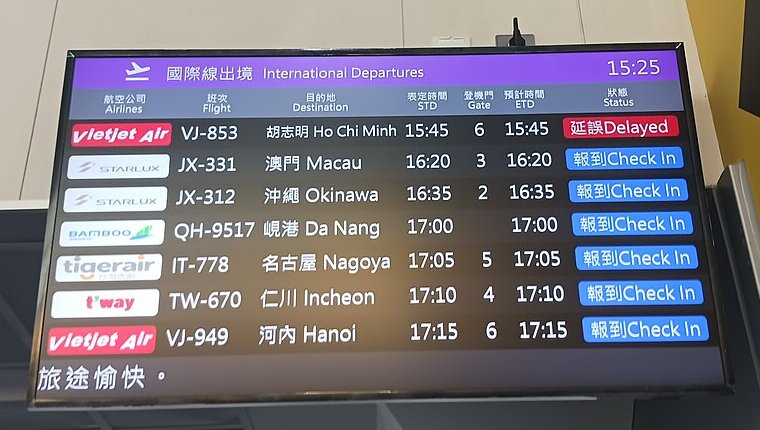
What this means for agents: watch the route announcements from your own clients' home airports. When a destination goes from two connections to one nonstop, demand often follows, and the first agents with a ready-made package win the early bookings.
Skyscanner Travel Trends 2027: Search Data and Seven Trends
Skyscanner Travel Trends 2027 launched in October 2026. It combines Skyscanner search data with research among more than 28,000 travellers and data from partners including TikTok, ClassPass, Wise, Universal Music Group for Brands and AllTrails. It is published in regional editions, so the survey numbers differ by market.
Six trends appear in both regional editions we checked: Signal Severance (going offline), Pilgra-merch (travelling for location-exclusive items), Grand Odysseys (history and myth-inspired trips), Gym-cation (fitness on holiday), Sound Bound (music-led travel) and Currency Chasers (choosing destinations by exchange rate). The seventh varies: the India edition has Sten Do Surge, joint pre-wedding celebrations for friends and family, while the Saudi edition has Multi-Mooning, several shorter honeymoon trips instead of one.
Trending destinations
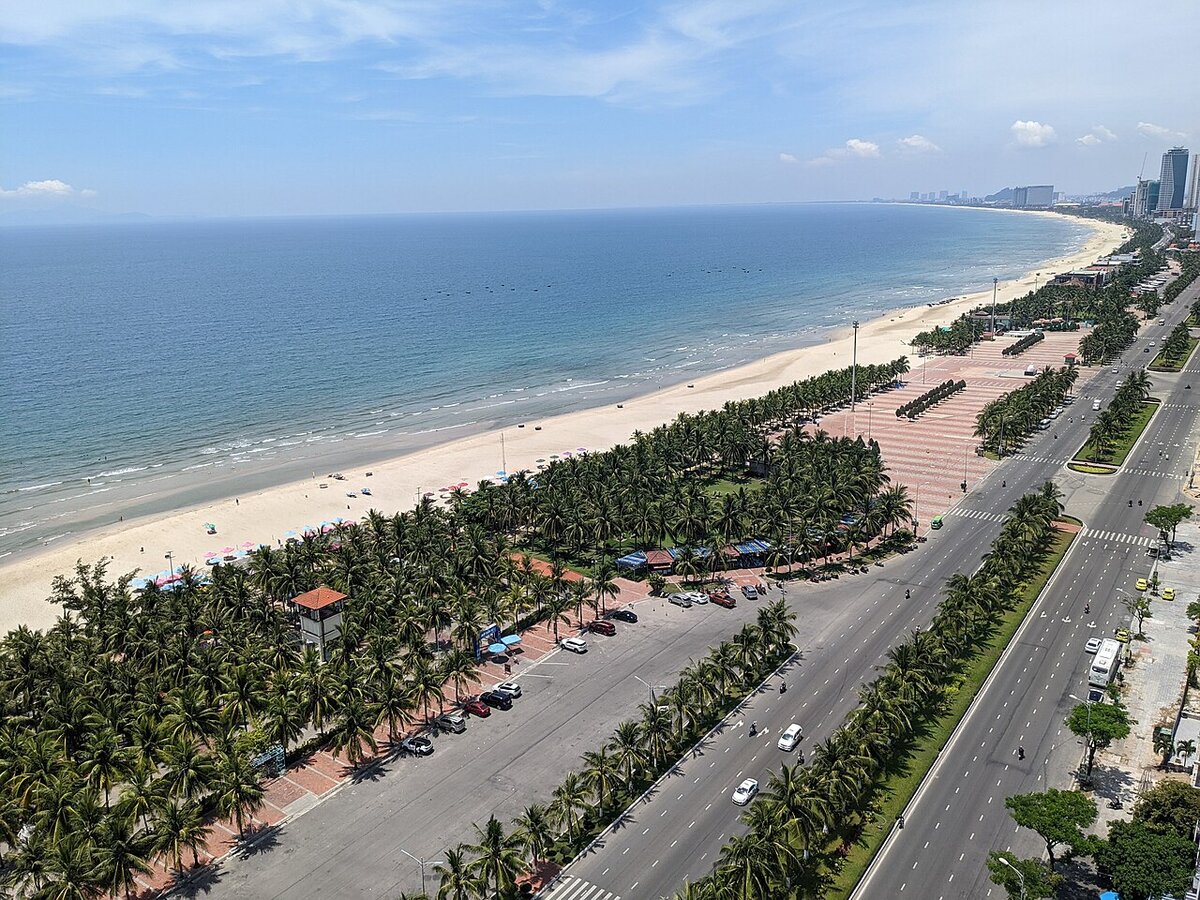
The headline list, as reported by Time Out, ranks places by year-on-year growth in return flight searches: Bishkek in Kyrgyzstan (up 501%), Hurghada (186%), Malmö (103%), Trapani (95%), Samos (75%), Chongqing (70%), Da Nang (68%), Sal in Cape Verde, Kittilä in Finland and Guatemala City.
India edition
According to Outlook Traveller's report on the India edition, which drew on 2,000 Indian travellers, 58% plan to travel abroad more in 2027, 56% expect to spend more on flights and 44% plan to increase their accommodation budgets. On value, 69% always or often consider a destination's currency when booking, and 67% have changed or considered changing plans because another destination offered better value. On technology, 87% feel confident using AI to plan and book trips. The India trending list includes Bishkek, Okinawa, Sandakan, Pokhara, Bandar Seri Begawan and Phu Quoc. For Sten Do Surge, 73% favour either a shared celebration or a mix of joint and separate events.
Saudi edition
The Saudi edition, based on a OnePoll survey of 1,000 adults in June 2026, found 89% plan to holiday abroad as much as, if not more than, in 2026. Half (50%) have budgeted to spend more on flights and 38% more on accommodation. Its trending list is led by Bishkek (up 109%), Ankara (83%), Da Nang (70%) and Nairobi (69%), and 34% would prefer several "mini-moons" to one honeymoon. Skyscanner also says "cheap flights" was the single most popular prompt globally in its Explore with AI tool over the past six months.
What this means for agents
In our view, search growth is a signal, not a sales forecast. A 501% rise from a small base can still be a small number of trips. But two things stand out. Da Nang appears in two of the editions we checked, and Vietnam is also on the Virtuoso rising list, so Vietnam beach-and-city packages look like a safe 2027 bet. And value is now a stated decision factor for most Indian travellers in the survey, so quotes that compare two destinations side by side should land well.
For Indian agents, Sten Do Surge is a group business opportunity: a joint pre-wedding trip means a room block, group transfers and activities for both sides of the wedding party. Our guide to booking group tours covers the basics.
Two More Signals: Lemongrass and the Chinese Outbound Trade
Lemongrass: the "anti-optimised" holiday
UK-based Lemongrass Marketing has also named its trends for 2027. According to Euronews, its central idea is the "anti-optimised" holiday: fewer destinations, simpler itineraries, longer stays and time to see where the day goes. It also sees travellers moving away from bucket lists, biohacking and AI-generated itineraries, towards expert-led tours, cultural trails and conversations with locals. As AI-generated content spreads, it expects travellers to want operators and agents who can say they've been there and seen it first-hand.
Dragon Trail: Chinese outbound demand
The Dragon Trail trade survey of July 2026 asked 310 Chinese travel agents about outbound demand. 77% reported higher demand for outbound trips in the first half of 2026 than a year earlier. The survey points to a comeback for Thailand as the leading outbound destination for mainland Chinese travellers, helped by its visa-free policy and value for money. Demand for Japan remains high despite around half of China–Japan flights being cancelled after a diplomatic incident in late 2025, and South Korea and Singapore are also top destinations. Travellers aged 18 to 35 are the fastest-growing segment, chosen by 47% of respondents, and 99% of the agencies surveyed now use AI, up from 82% a year earlier.
What this means for agents: Chinese travellers compete for the same Thailand, Japan, Korea and Singapore hotel rooms as your clients, especially around Chinese New Year on 6 February 2027. Quote those dates early.
Where the Tourism Trends 2027 Reports Agree, and Where They Don't
Put the reports together and four points of agreement emerge.
- People trust people for the details. Hilton, SmartFlyer and Lemongrass all find that travellers use AI to start, then look to a human for the specifics.
- Asia is rising. Japan tops the Virtuoso list; China, Vietnam and South Korea are on its rising list; Da Nang, Okinawa and Chongqing appear in Skyscanner lists; and Chinese outbound demand is growing.
- Wellness is getting specific. Measurable outcomes (SmartFlyer), nervous-system resets and hydro wellness (Hilton), and Gym-cations (Skyscanner) all point the same way.
- Value is a stated factor. Skyscanner's Currency Chasers and Virtuoso's Fancy-flation describe the same behaviour at two price points.
They disagree on pace. Hilton describes more short trips and "Stackers" who want to fit in as much as possible. Lemongrass describes slower, longer, less-planned holidays. Virtuoso describes longer multi-city trips built around contrast.
Our opinion: both are true, for different clients.
The practical answer is to keep two templates for each destination, a packed 3- to 4-night version and a slower 7- to 10-night version, and ask the client which one they're after before you quote.
Verified 2026–27 Changes Agents Must Quote Around
Trends tell you what to sell. These rule changes tell you what to put in the quote. Each one is covered in detail in the linked guide.
| Change | Date | Who it affects |
|---|---|---|
| Japan tax-free shopping becomes a refund system | From 1 November 2026 | Every foreign visitor who shops tax-free in Japan |
| Japan departure tax rises from ¥1,000 to ¥3,000 | Departures from 1 July 2026 | Every passenger leaving Japan |
| Japan visa fee rises to ¥15,000 single / ¥30,000 multiple entry | From 1 July 2026 | Visa-required nationalities; Indians still pay ₹500 and Filipino tourist visas remain free |
| Thailand visa exemption cut from 60 to 30 days; TDAC mandatory | From 15 September 2026 | 60 countries and territories, including India |
| EU Entry/Exit System (EES) fully operational | Since 10 April 2026 | Non-EU short-stay visitors to the Schengen area |
| ETIAS (€20) not yet launched | No start date set | Visa-exempt visitors to the Schengen area, once it launches |
| Umrah 1448 season deadlines | Last visa issuance 9 March 2027; last entry 23 March; last departure 7 April 2027 | Umrah pilgrims and their agents |
| Chinese New Year and Ramadan overlap | CNY on 6 February 2027; Ramadan from about 8 February | Hotel demand across Asia and the Gulf |
| Google AI Mode hotel booking | Live in the US since 27 August 2026 | Simple single-hotel bookings |
Japan
From 1 November 2026, tax-free shopping in Japan becomes a refund system: clients pay the tax at the shop and claim it back at the airport after customs confirms the goods are leaving. The departure tax has tripled to ¥3,000, and visa fees rose on 1 July 2026, though Indian applicants still pay a flat ₹500 and Filipino tourist visas remain free. Our Japan tax-free changes guide has the client briefing and quote checklist.
Thailand
Since 15 September 2026, Thailand gives a 30-day visa exemption, down from 60 days, to 60 countries and territories, including India. The Thailand Digital Arrival Card (TDAC) is mandatory, and there's no tourist entry fee yet. Clients staying longer than 30 days should apply for the right visa before they travel. See our Southeast Asia visa guide.
Europe
The EU Entry/Exit System has been fully operational since 10 April 2026, so clients should allow extra time at the border on their first entry. ETIAS, the €20 travel authorisation for visa-exempt visitors, hasn't launched and has no start date. Our Europe visa requirements page covers both.
Umrah, Chinese New Year and Ramadan
Chinese New Year falls on 6 February 2027 and Ramadan is expected to begin around 8 February, so Asian and Gulf peak demand overlap. For the 1448 Umrah season, the Saudi Ministry of Hajj and Umrah has set the last visa issuance date at 9 March 2027, the last entry at 23 March and the last departure at 7 April 2027. Our Chinese New Year and Ramadan 2027 guide sets out the dates by market.
What to Sell in 2027: Product Ideas by Client Type
This section is our opinion, based on the reports above. Use it as a starting point for your 2027 range.
- Multigenerational families: Japan or Bali with connecting rooms or a villa, private transfers, one big ticketed day out and plenty of pool time. Our school holiday packages page has timing ideas.
- Honeymooners and "multi-mooners": sell a short mini-moon now and a bigger anniversary trip later. Greece, Bali and the Maldives lead the Virtuoso honeymoon list.
- Solo travellers: wellness stays plus small-group day tours. Hilton found many solo travellers book group excursions inside their solo trip.
- Wellness clients: ask for the outcome, then match it to a property with the right facilities, such as onsen, hydrotherapy or a sleep programme.
- Value seekers: show a value alternative beside the obvious choice, for example Vietnam beside Thailand, or Central Asia beside Europe.
- Event travellers: two to four nights around a concert, race or festival, with the ticket, hotel and transfers on one quote. Our attraction tickets and tours pages are the place to start.
- Groups and pre-wedding parties: room blocks, group transfers and shared activities. For corporate groups, see our MICE venue booking page.
How to Use Travel Trends 2027 in Your Quotes
- Book scarce weeks first. Japan in spring and autumn, Chinese New Year week and the end of Ramadan will sell out before the rest of the year.
- Ask the pace question. Selector, Stacker or slow traveller? The answer decides the number of stops.
- Name the facilities. Pool, onsen, spa or gym goes on the quote as a line, not a footnote.
- Quote two options, not twenty. One obvious choice and one value alternative.
- Price the whole trip. Hotels, transfers, tickets and tours together, so a one-room price found online isn't a fair comparison.
- Update the rules. Japan taxes and fees, Thailand's 30 days, EES and the Umrah deadlines.
- Use AI, then check it. Drafts and translations are fine. Facts must be checked against a current source.
Travel industry trends 2027 point in one direction for agents: clients will pay for judgement, first-hand knowledge and a trip that fits them. Net rates on hotels, transfers, tours and attraction tickets in one place make that easier to deliver. Registration is free for travel agents: create your account, submit your agency details for approval and start quoting. Register free as a B2B agent.
Frequently Asked Questions
What are the biggest travel trends for 2027?
Across the main reports: Japan overtaking Italy as the top luxury destination (Virtuoso), multigenerational family travel as the No. 1 trend (Virtuoso), trust in human advice over AI for detailed planning (Hilton, SmartFlyer), measurable wellness (SmartFlyer, Hilton), shorter and more frequent trips (Hilton), and value-led destination choices (Skyscanner, Virtuoso).
What is the most popular luxury travel destination for 2027?
Japan. The 2027 Virtuoso Luxe Report, drawn from more than 3,100 travel advisors, ranks Japan ahead of Italy for the first time in the history of the report. Tokyo and Kyoto are the top two cities, and China is the top destination on the rise.
What is "The Great Rebalance" in the Hilton 2027 Trends Report?
It is Hilton's name for a shift from chasing the perfect vacation to a flexible, "good-ish" approach that puts meaningful experiences, trusted expertise and wellbeing first. The report is based on a Morning Consult survey of 14,744 travellers in 14 countries and names five trends.
Are travellers using AI instead of travel agents in 2027?
For inspiration, often yes. For the details, much less. In the Hilton survey, 63% trust AI tools for travel decisions, but only 22% trust AI to create an itinerary tailored to their interests and 18% to find lesser-known local experiences. SmartFlyer reports that six in ten of its advisors use AI, mainly for back-office tasks.
Which destinations are trending for 2027 according to Skyscanner?
The headline list, as reported by Time Out, is led by Bishkek (up 501% in searches), Hurghada, Malmö, Trapani and Samos, with Chongqing and Da Nang also included. Regional editions differ: the India list includes Okinawa, Sandakan, Pokhara and Phu Quoc.
What rule changes should travel agents include in 2027 quotes?
Japan's ¥3,000 departure tax, new visa fees and the tax-free refund system from 1 November 2026; Thailand's 30-day visa exemption and mandatory TDAC; Europe's EES border checks; and the 1448 Umrah deadlines of 9 March, 23 March and 7 April 2027.
Is multigenerational travel still growing in 2027?
Yes. In the 2027 Virtuoso Luxe Report, multigenerational family travel is the No. 1 trend, and expedition cruising has risen to No. 3. Virtuoso calls the combination "Gen-XYZ-peditions". Italy, Japan and Costa Rica lead its family destination list.